
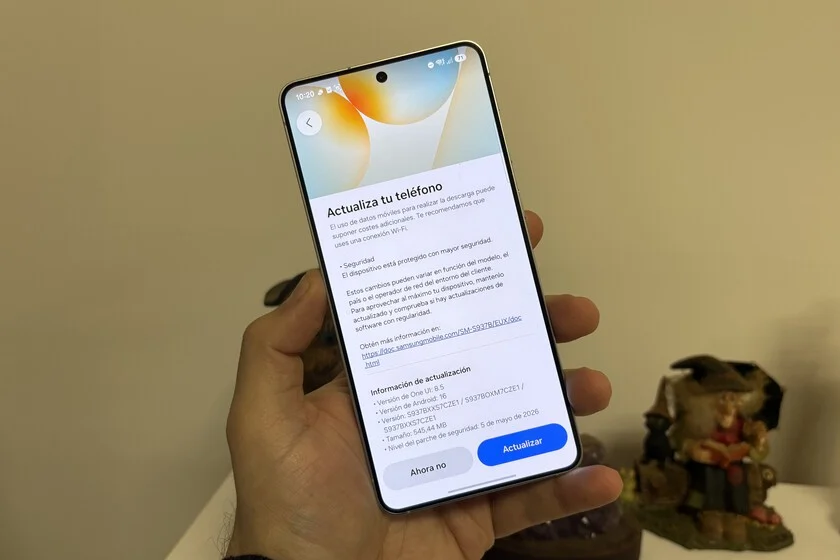

Samsung is currently navigating an exceptionally intensive period in its software deployment schedule throughout May 2026, executing a multifaceted strategy to enhance user experience and fortify device security. This month marks a significant milestone with the continued widespread rollout of One UI 8.5 across the diverse Galaxy product line, concurrently with the crucial monthly security patch. For a substantial number of models, these vital updates are being bundled together, streamlining the process for end-users, while other devices receive them in distinct phases, reflecting the inherent complexities of managing a vast and varied device portfolio.
The Dual Front: One UI 8.5 and May’s Security Imperative
The deployment of One UI 8.5 represents more than just a routine update; it signifies Samsung’s ongoing commitment to refining its user interface, introducing new functionalities, and optimizing overall system performance. Building upon the foundation of previous iterations, One UI 8.5 typically brings a host of enhancements designed to make the Galaxy experience more intuitive, efficient, and personalized. While specific feature details for 8.5 were not exhaustively outlined in preliminary reports, historical patterns suggest improvements in areas such as enhanced multitasking capabilities, refined notification management, deeper customization options, and potentially further integration of AI-driven features, aligning with Samsung’s strategic focus on artificial intelligence as seen in its latest flagship devices. The continuous evolution of One UI is critical for Samsung to maintain its competitive edge and cater to the evolving demands of its global user base, ensuring that Galaxy devices remain at the forefront of smartphone innovation.
Parallel to the feature-rich One UI 8.5, the May 2026 security patch is being delivered with utmost urgency. Security updates are paramount in the contemporary digital landscape, serving as the first line of defense against ever-evolving cyber threats. This particular patch is comprehensive, addressing a total of 39 identified vulnerabilities. Of these, 29 are critical system vulnerabilities within the Android framework, as identified and categorized by Google. Alarmingly, two of these are classified as "critical," indicating flaws that could potentially allow for remote code execution or significant data compromise without user interaction. Another 27 are designated as "high-severity," posing substantial risks if left unaddressed. In addition to these Android-specific fixes, Samsung has incorporated 10 proprietary corrections tailored to its One UI software layer, further strengthening the security posture unique to Galaxy devices. These specific One UI patches often address vulnerabilities in Samsung’s custom applications, services, or hardware integrations, ensuring a holistic security update.
A Complex Rollout: Navigating Concurrent and Separate Updates
The deployment strategy for these updates is characterized by a degree of variability. For many Galaxy models, Samsung has opted for a combined delivery, wherein the One UI 8.5 system update and the May 2026 security patch are integrated into a single download package. This approach simplifies the update process for users, requiring only one installation cycle to bring their devices fully up-to-date with both feature enhancements and security fortifications. This integrated deployment is generally preferred as it minimizes user disruption and ensures that security patches are applied in conjunction with the latest system improvements.
However, the rollout is not monolithic. Certain models, particularly those that had already received One UI 8.5 in earlier phases, are now receiving the May security patch as a standalone update. This phased approach is common in software distribution, allowing Samsung to address urgent security concerns independently if the system update cycle is already complete for a particular device. Conversely, for devices still awaiting the One UI 8.5 update, the theoretical expectation is that the May security patch will be included when the larger system update eventually arrives. This ideal scenario, however, has not materialized universally, leading to what Samsung has acknowledged as a "strange situation" for some flagship models.
Notably, devices within the highly anticipated Galaxy S24 series, as well as the cutting-edge foldable Galaxy Z Fold6 and Galaxy Z Flip6, have experienced a divergence in this update strategy. In some instances, these premium devices, despite being among the first to receive significant updates, have not yet received the May security patch even with the One UI 8.5 update. This means certain users of these high-end models may, in some regions, still be operating on the April security patch, while the May update is being distributed to other devices. This anomaly underscores the intricate logistical challenges Samsung faces in coordinating simultaneous, regional, and device-specific software deployments across its vast ecosystem, particularly when dealing with different firmware versions and carrier approvals. Samsung’s internal teams are actively working to synchronize these updates for all affected premium devices, ensuring that no segment of its user base is left vulnerable for an extended period.
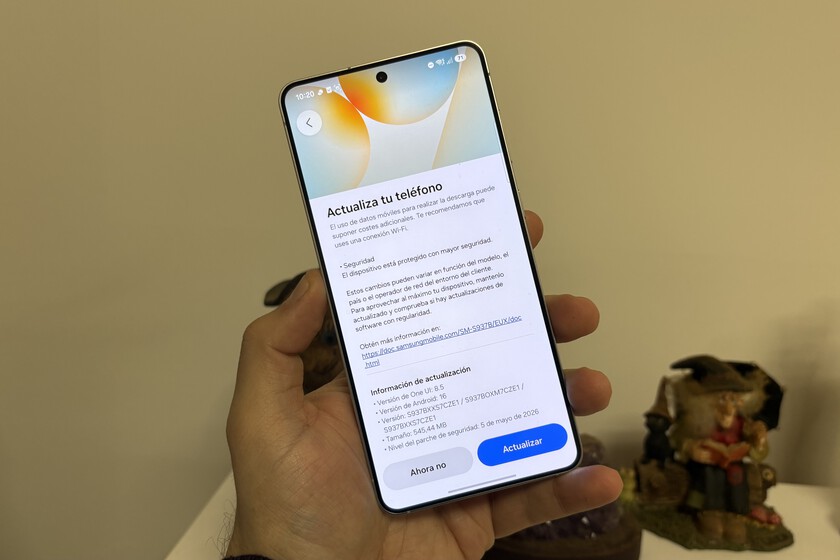
Regional Deployment: Focus on the European Block (EUB)
The European Union Block (EUB) is a key region in Samsung’s global update strategy, often serving as an early adopter zone for major software rollouts. This block encompasses several prominent European nations, including Spain, Germany, France, the Netherlands, Austria, Belgium, and Portugal. The rollout within the EUB is characteristically staggered, meaning that while an update might be officially released for the region, its availability to individual users within these countries can vary by a few days, or even a week, depending on carrier specific approvals, network conditions, and server load balancing. This methodical approach helps manage bandwidth, identify any unforeseen bugs in localized versions, and ensure a smooth user experience across diverse network environments.
Current Beneficiaries: High-End and Mid-Range Devices Receiving Updates in EUB
As of mid-May 2026, a significant number of Samsung Galaxy devices across both high-end and mid-range segments within the EUB have commenced receiving the May security patch, either standalone or integrated with One UI 8.5. This early wave of deployment targets some of Samsung’s most popular and recent offerings, emphasizing the company’s commitment to keeping its flagship and widely adopted devices secure and up-to-date.
High-End and Foldable Series (Confirmed in EUB):
- Galaxy S26 Series: Including the Galaxy S26, S26+, S26 Ultra, and the innovative Galaxy S26 Edge. These devices, representing Samsung’s latest flagship line, are among the primary recipients, ensuring their cutting-edge hardware is matched with the latest software security.
- Galaxy S25 Series: Comprising the Galaxy S25, S25+, S25 Ultra, and the distinct Galaxy S25 Edge model. Users of these recent flagships are also seeing rapid deployment of the May updates.
- Galaxy Z Fold6: The latest iteration of Samsung’s premium foldable smartphone, receiving updates to enhance both its unique form factor and security.
- Galaxy Z Flip6: The newest clamshell foldable, benefitting from the same rigorous update schedule as its Fold counterpart.
- Galaxy S24 Series: While some S24 models experienced the "strange situation" with delayed security patches, many variants in the EUB are now also receiving their May updates, catching up with the broader rollout.
- Galaxy Z Fold5, Galaxy Z Flip5: Previous generation foldables continue to receive consistent support, reflecting Samsung’s extended update policy for its premium devices.
Mid-Range Series (Confirmed in EUB):
- Galaxy A57, A56, A55: Key models in Samsung’s highly successful A-series, known for balancing features and affordability.
- Galaxy A37, A36, A35: Other popular A-series devices that receive timely security and system enhancements.
- Galaxy M57, M37: Selected models from the M-series, which primarily target online markets, are also included in this initial wave, particularly in countries where they are widely available.
Anticipated Rollout: Devices Awaiting the Next Wave
The staggered nature of the European rollout means that while some models have already received their updates, others are slated to follow in the coming days. This next wave often includes a broader range of devices, extending the security and feature enhancements to an even wider user base. Confirmations for these models have already emerged from markets like South Korea, and their global expansion, including to the EUB, is actively in progress.
Next Wave (Expected in EUB in the coming days):
- Remaining Galaxy S24 Series and Foldables: Full synchronization for all variants of the Galaxy S24, Z Fold6, and Z Flip6, ensuring the "strange situation" is resolved across the board.
- Galaxy S23 Series (S23, S23+, S23 Ultra, S23 FE): Older flagships that continue to receive strong software support.
- Galaxy A27, A26, A25: Further expansion into the mid-range A-series, reaching more budget-friendly options.
- Galaxy M Series: Additional M-series models, depending on regional availability and update cadence.
- Select Galaxy Tab Series: Specific tablet models (e.g., Tab S9, Tab S9 FE, Tab S8 series) that align with the monthly or quarterly update schedule are also expected to receive these patches.
Understanding the Scope: A Deep Dive into the May 2026 Security Patch
The detailed breakdown of the May 2026 security patch underscores its critical importance. The 39 identified vulnerabilities represent potential entry points for malicious actors to compromise device integrity, user data, and privacy. The two "critical" vulnerabilities, in particular, are of utmost concern. Such flaws often reside in fundamental system components or drivers and can be exploited remotely, meaning an attacker could gain control of a device or execute arbitrary code without any interaction from the user, simply by sending a malformed message or directing them to a malicious website. This level of vulnerability could lead to complete device takeover, data exfiltration, or the installation of persistent malware.
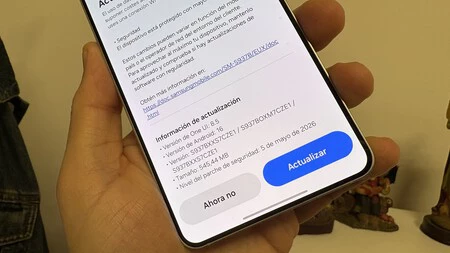
The 27 "high-severity" vulnerabilities, while perhaps requiring more specific conditions or user interaction to exploit, still pose significant risks. These could range from privilege escalation attacks, allowing malicious apps to gain unauthorized access to sensitive system resources, to information disclosure flaws that could leak personal data. Untreated, these vulnerabilities could enable sophisticated phishing attacks, identity theft, or financial fraud.
The 10 specific corrections for One UI highlight Samsung’s proactive approach to securing its proprietary software layer. These fixes address vulnerabilities that might arise from Samsung’s unique customizations, pre-installed applications, or specific hardware integrations that are not covered by standard Android Open Source Project (AOSP) patches. This dual-layered security strategy—addressing both core Android vulnerabilities and One UI-specific issues—is essential for providing comprehensive protection to Galaxy users. Timely application of these patches is not just about fixing bugs; it’s about maintaining user trust, preventing data breaches, and ensuring the overall stability and reliability of the device ecosystem.
Samsung’s Commitment to Software Excellence: A Broader Context
Samsung’s aggressive push for software updates in May 2026 is emblematic of its broader, long-term commitment to software excellence and device longevity. In an industry where software support can significantly influence consumer purchasing decisions, Samsung has consistently set high standards. The company’s policy, particularly for its flagship and premium mid-range devices, often includes several years of major Android OS upgrades and up to five years or more of security patches. This commitment not only enhances the value proposition of a Galaxy device but also plays a crucial role in reducing electronic waste by extending the usable lifespan of smartphones and tablets.
This proactive stance on updates helps Samsung solidify its market position against competitors. Regular and timely updates demonstrate reliability and a dedication to user security, which are increasingly important factors for consumers. Furthermore, Samsung’s continuous integration of advanced security features, such as Knox Matrix (as hinted in related articles), reinforces its position as a leader in mobile security. Knox Matrix, with its focus on PQC (Post-Quantum Cryptography) and comprehensive firmware control, signifies Samsung’s forward-looking approach to protecting devices against emerging, sophisticated threats, including those posed by quantum computing. The company’s investment in AI, particularly for features like self-configuration and advanced photo editing (as seen with Galaxy AI on the S26 series), also relies on a robust and secure software foundation that is regularly updated.
Ensuring Your Device is Up-to-Date: A User’s Guide
Given the staggered nature of the rollout, even within the same European block, users might experience slight delays in receiving the updates. While Samsung aims for uniformity, various factors, including specific carrier models, network conditions, and regional server loads, can influence individual device update availability. Patience is key, but users can also proactively check for updates manually.
To force a manual check for the latest software:
- Navigate to the Settings app on your Galaxy device.
- Scroll down and tap on Software update.
- Select Download and install.
Your device will then check Samsung’s servers for any available updates. If an update appears, follow the on-screen prompts to download and install it. If no update is immediately available, it is advisable to check again after 24 to 48 hours, as the rollout progresses dynamically. It’s also recommended to perform updates over a stable Wi-Fi connection and ensure the device has at least 50% battery life to prevent any interruptions during the installation process.
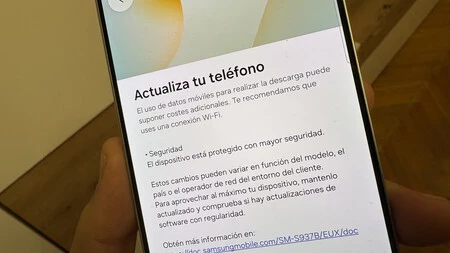
It is crucial for users to understand their device’s update cadence. Models with monthly update certification, which includes all Galaxy S-series flagships and the latest foldable series (Z Fold/Flip 5, 6, and 7), are guaranteed to receive security patches every month. Devices under a quarterly update schedule, typically some older or more budget-oriented A-series and M-series models, will receive their security patches within the usual timeframe for their category, albeit less frequently than the monthly cycle. This distinction helps users manage expectations regarding update regularity.
Implications for the Samsung Ecosystem and Beyond
The May 2026 software update cycle, spearheaded by One UI 8.5 and a critical security patch, has significant implications for both Samsung users and the broader mobile industry. For users, it translates directly into enhanced security, improved device performance, and access to the latest software innovations, thereby extending the utility and enjoyment of their Galaxy devices. The focus on resolving critical and high-severity vulnerabilities ensures that personal data remains protected against increasingly sophisticated cyber threats, fostering a safer digital environment.
From Samsung’s perspective, a successful and timely rollout reinforces its reputation as a leading provider of reliable and secure Android devices. This commitment to long-term software support is a powerful differentiator in a highly competitive market, building customer loyalty and attracting new users who prioritize device longevity and security. The "strange situation" with some S24 and foldable models, while a minor blip, serves as a reminder of the immense logistical challenges in orchestrating global software deployments and the continuous need for rigorous quality control.
Looking ahead, Samsung’s aggressive software update strategy, coupled with its advancements in areas like Knox Matrix and Galaxy AI, positions the company at the forefront of mobile technology. These continuous improvements not only secure existing devices but also lay the groundwork for future innovations, ensuring that the Galaxy ecosystem remains dynamic, secure, and user-centric for years to come. The May 2026 updates are not merely incremental changes; they are integral components of Samsung’s holistic vision for a secure, intelligent, and interconnected mobile future.
