
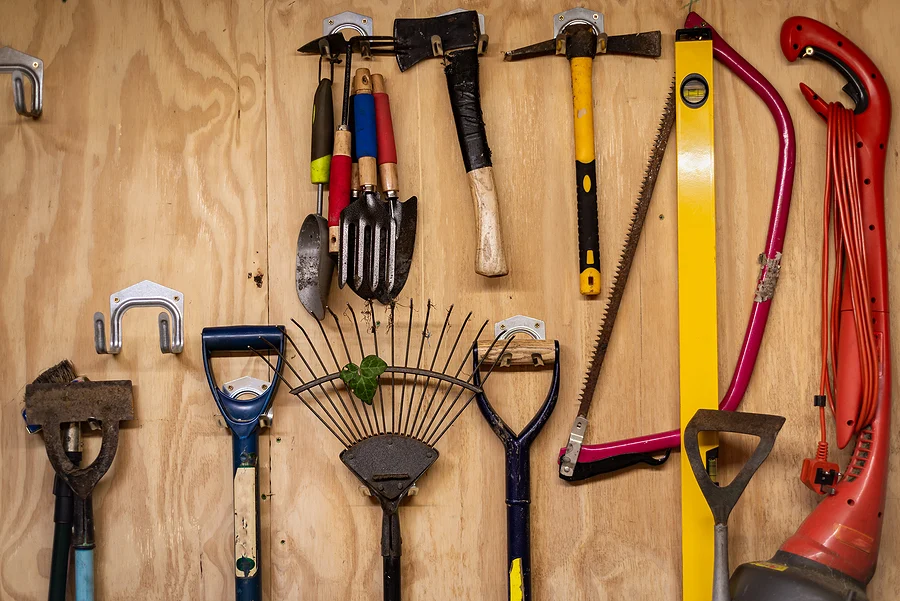

The rapid pace of technological advancement, once celebrated as the engine of progress, is now revealing a critical and often overlooked counterpart: the ever-increasing burden of maintenance. This shift, amplified by the pervasive integration of smart devices and sophisticated software into nearly every facet of modern life, is forcing a re-evaluation of how we value innovation versus the essential, yet often unglamorous, work of upkeep. The realization is dawning that the relentless pursuit of the new is unsustainable without a parallel commitment to sustaining what already exists.
This evolving landscape was brought into sharp relief during a recent webinar on August 17, 2023, where journalists discussed the integration of generative artificial intelligence (AI) into newsrooms. A palpable frustration emerged from one panelist, who lamented the reluctance of developers to invest in AI-powered verification tools. The rationale cited was the perpetually shifting nature of threats like deepfakes, which necessitate constant updates to any detection software, creating a seemingly endless maintenance cycle. This sentiment resonated deeply with many, echoing a pervasive experience across various technology sectors: the ongoing, often demanding, upkeep required for smart homes, personal devices, and a host of digital services to remain functional and secure.
The Unseen Labor of the Connected Life
The need for constant technical intervention extends far beyond the routine application of security patches. It encompasses the intricate, often invisible, labor of managing interconnected systems. For instance, a smart home ecosystem can falter when a service provider unilaterally alters its Application Programming Interfaces (APIs), rendering previously seamless automations inoperable. Similarly, the intricate web of integrations, often facilitated by platforms like Zapier, can unravel when a crucial link is discontinued, disrupting workflows that have become integral to daily operations. The experience of a Tesla owner, returning to their vehicle only to find a new software update has repositioned critical dashboard information, exemplifies the friction inherent in living with technology that is in a perpetual state of flux. This constant adaptation, while an accepted reality for early adopters, presents a significant challenge for broader user adoption.
The Mental and Operational Lag
While the need for continuous change is instinctively understood, our operational frameworks and mental models have yet to fully adapt. Recognizing a connected device’s value in its expanding feature set is one aspect; grappling with the ensuing frustration when a user interface is altered or a familiar cooking setting on a smart oven yields unexpected results is another. The human capacity to manage constant change across all life domains is finite. Consequently, disruptions to familiar technological interactions – the jarring experience of a car operating differently or an appliance behaving unpredictably – can lead to significant friction and resistance.
This disconnect is also evident within the corporate world. Google, a company synonymous with innovation, provides a pertinent case study. Historically, Google has incentivized its employees through performance metrics that reward the creation of new tools and software. This culture, while fostering groundbreaking advancements, inherently prioritizes invention over maintenance. The consequence for users is that popular tools can fall into a state of gradual decay, or the company may be slow to react to changes implemented by partner services, as observed in the rapid discontinuation of products like Google Stadia. This reward structure, focused on novel creation, inadvertently creates a deficit in the essential upkeep of existing services.
Innovation Versus the Imperative of Maintenance
The prioritization of innovation over maintenance is not unique to tech giants. It is a pervasive tension observed in industrial settings as well. Information Technology (IT) departments often find themselves at odds with operations engineers within manufacturing plants. IT may accuse operations teams of fostering a "culture of no," resisting the integration of new automations or technologies into established processes. However, the hesitation from operations engineers stems from a long-standing tradition of building and refining processes that are inherently consistent and predictable. The introduction of IT systems, while promising efficiency, often introduces entropy and necessitates new maintenance procedures, which IT personnel may not always be fully prepared to manage.
While the operational technology (OT) sector has cultivated a deep-seated appreciation for maintenance, the IT sector has historically lagged in this regard. As computing power becomes increasingly embedded in more devices and processes, there is a critical need to shift this paradigm. Software, by its very nature, is subject to decay, and this decay accelerates rapidly in a connected environment. This inherent transience necessitates a fundamental recalibration of our professional priorities.

Rebalancing the Scales: Incentivizing Upkeep
The inevitable decay of software will continue to exert a growing influence on our daily lives. To mitigate this, it is imperative to create incentives for developers that equally value maintenance alongside innovation. This means allocating dedicated time within work weeks for employees to adapt to new user interfaces, understand changes in service functionalities, and explore emerging tools and advancements. Such efforts should not be viewed as ancillary but as integral to productive work.
Drawing parallels to other professions, much like law firms and medical practices require continuing education to ensure practitioners remain current with evolving standards and knowledge, any profession that routinely engages with technology – which will soon encompass the vast majority of fields – must adopt a similar ethos. This approach should both incentivize and support employees as they navigate the continuous stream of technological change, including the rapid advancements driven by artificial intelligence.
The Economic Value of Continuity
While a more curious and engaged workforce is essential, the onus for mustering the energy and enthusiasm for adaptation cannot fall solely on individual employees. Maintaining services and adapting to evolving software and platforms must be recognized as a tangible economic value, deserving of commensurate investment.
On a consumer level, this could translate into subscription models for products, ensuring that companies are financially motivated to cover the ongoing developer costs required for maintenance. Alternatively, manufacturers might consider selling products with clearly defined support expiration dates, managing consumer expectations regarding long-term product upkeep.
The Future of Intelligent Products
The integration of intelligence into everyday products hinges not solely on the development of novel features and relentless innovation. A crucial, and often underfunded, aspect is the strategic planning and financial commitment to maintaining these products over their lifecycle. As computing capabilities permeate more workflows and an increasing number of jobs demand the ability to embrace new innovations, businesses must prioritize investing in the continuous skill development of their employees.
The pursuit of constant innovation, particularly when rooted in software, is inherently exhausting due to its susceptibility to rapid entropy. It is imperative to cultivate an environment that values both the individuals and the time required to counteract this decay. Furthermore, it is essential to provide employees and consumers with the necessary space and resources to adjust to these inevitable changes. The era of simply pushing for the next big thing is yielding to a more pragmatic and sustainable model, one that recognizes the profound importance of keeping the existing technological world functional, secure, and adaptable.
