
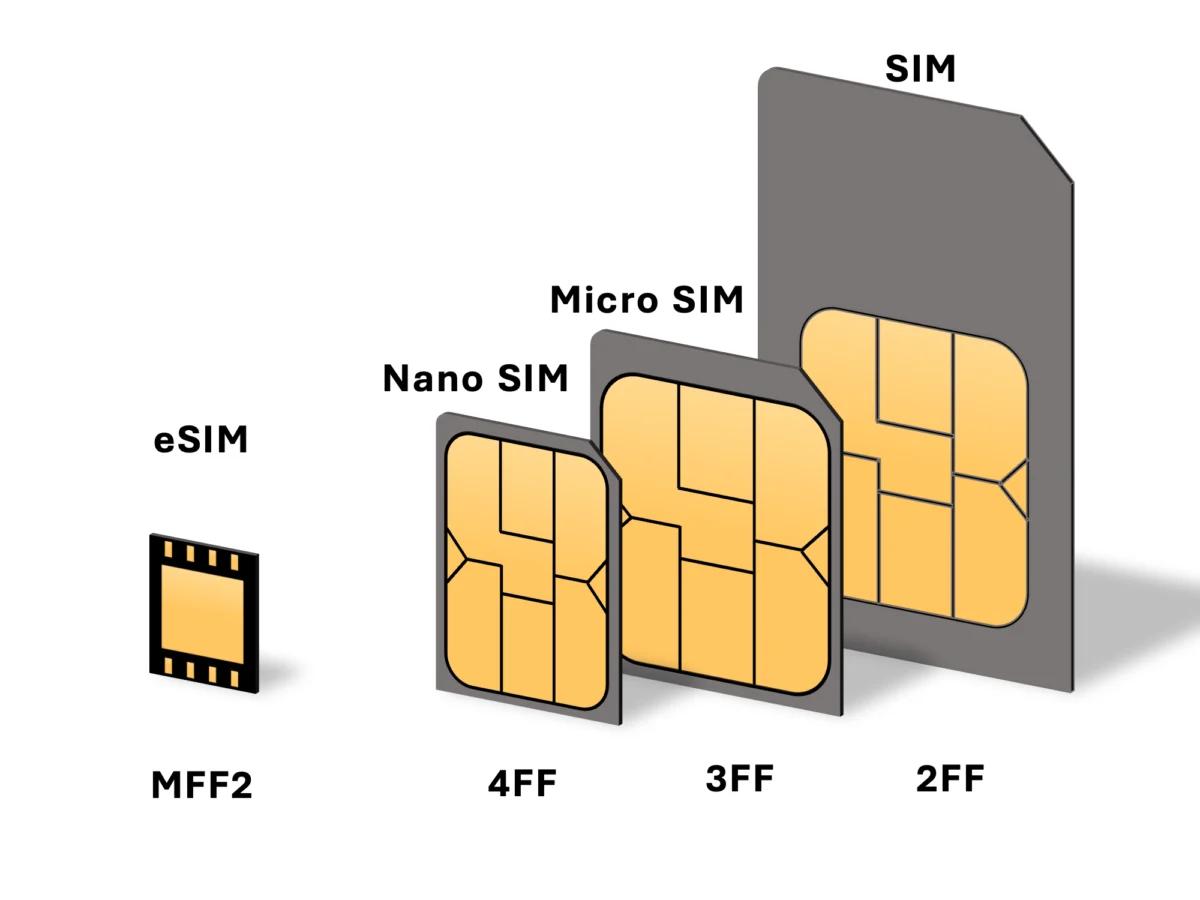

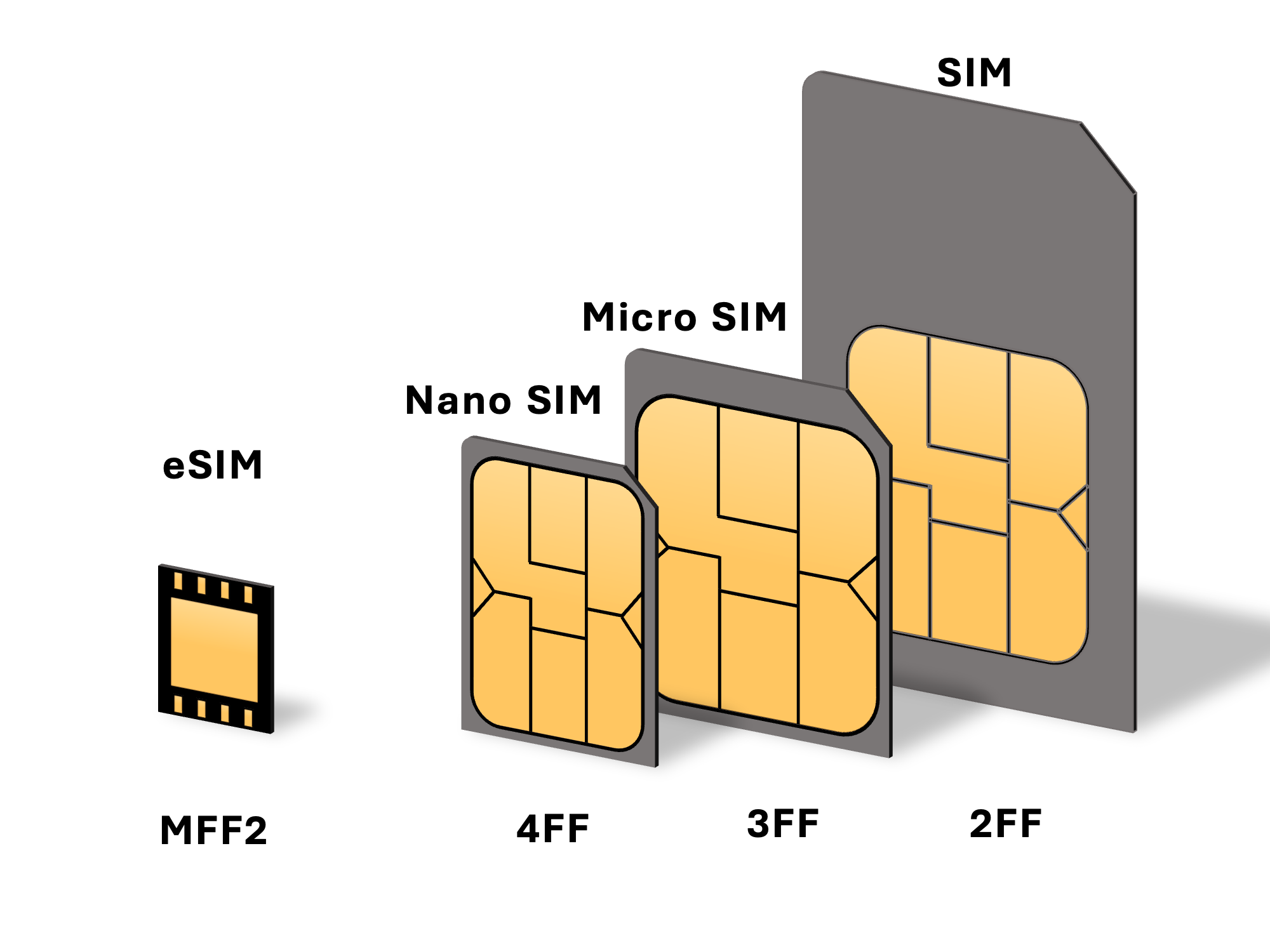
South Korea has long maintained its reputation as one of the most digitally advanced nations on earth, boasting the world’s fastest average internet speeds and a smartphone penetration rate exceeding 95%. As the global telecommunications industry shifts away from physical hardware toward software-defined solutions, the adoption of eSIM technology has become a focal point for the South Korean market. An eSIM, or embedded Subscriber Identity Module, represents a paradigm shift in how mobile users access cellular networks. Unlike the traditional plastic SIM card that must be manually inserted into a device, an eSIM is a small chip built directly into a smartphone’s motherboard during manufacturing. This technology allows users to download and activate a cellular profile digitally, enabling seamless switching between carriers and facilitating dual-SIM capabilities without the logistical burden of physical distribution.
The transition to eSIM technology in South Korea reached a significant milestone in September 2022, when the Ministry of Science and ICT, alongside the Korea Communications Commission (KCC), officially mandated that the nation’s major telecommunications providers support eSIM services for domestic users. This regulatory shift was designed to lower consumer costs, increase competition, and provide greater convenience for the millions of international visitors who arrive in the country annually. For tourists, business travelers, and long-term expatriates, understanding the nuances of the Korean eSIM market is essential for maintaining cost-effective and high-speed connectivity.
The Evolution of Connectivity: Why eSIM Matters in Korea
Historically, travelers to South Korea were required to visit kiosks at Incheon International Airport or retail outlets in districts like Myeongdong to rent physical SIM cards or portable Wi-Fi "eggs." While effective, these methods involved physical deposits, the risk of losing hardware, and the inconvenience of returning equipment before departure. The introduction of eSIMs has eliminated these friction points. By utilizing an eSIM, a traveler can purchase a data plan weeks before their flight, scan a QR code upon landing, and gain immediate access to the 4G LTE or 5G networks that blanket the peninsula.
From a technical perspective, the eSIM utilizes the GSMA-standardized Remote SIM Provisioning (RSP) architecture. This allows for the secure storage of multiple operator profiles on a single device. In Korea, where network reliability is a matter of national pride, the integration of eSIMs ensures that users can tap into the robust infrastructure provided by the "Big Three" telecommunications giants: SK Telecom, KT (formerly Korea Telecom), and LG U+.
Detailed Analysis of Primary eSIM Providers in South Korea
The Korean market is bifurcated into two main categories: the primary Mobile Network Operators (MNOs) and specialized Mobile Virtual Network Operators (MVNOs) that cater specifically to the international community.
1. SK Telecom (SKT)
As the market leader with approximately 45% of the total market share, SK Telecom is often the preferred choice for those prioritizing network coverage and speed. SKT was the first to launch a commercial 5G network and continues to invest heavily in infrastructure.
- Tourist Offerings: SKT provides an eSIM plan tailored for short-term visitors, typically priced at approximately $35 for 1GB of high-speed data followed by throttled unlimited data for a 30-day period.
- Resident Offerings: For those with an Alien Registration Card (ARC), SKT offers post-paid plans starting at roughly $29 per month. These plans often include generous data caps and unlimited domestic calls.
- Analysis: SKT’s primary advantage is its penetration into rural and mountainous areas, where other signals may falter. However, their pricing remains at the premium end of the spectrum.
2. KT Olleh
KT is the second-largest provider and is renowned for its extensive "GiGA WiFi" network. Users of KT eSIMs often gain complimentary access to thousands of high-speed Wi-Fi hotspots located in subway stations, cafes, and public buildings across the country.
- Tourist Offerings: Their tourist-centric eSIM plans start at $36.50. A unique selling point for KT is their partnership with local tourism boards, often bundling transit cards or discount vouchers with their digital SIMs.
- Resident Offerings: KT’s resident plans are highly competitive, starting around $30 per month. They are particularly popular among expatriates due to their relatively straightforward English-language customer service.
- Analysis: KT is often viewed as the most "utility-focused" provider, offering a stable balance between cost and nationwide infrastructure.
3. LG U+
The third major player, LG U+, has historically been the most aggressive in terms of pricing and promotional offers to gain market share from SKT and KT.
- Tourist Offerings: LG U+ provides an eSIM for approximately $39, which frequently includes promotional "unlimited data" tiers that are attractive to heavy social media users or remote workers.
- Resident Offerings: Their long-term plans start at $35 and are often bundled with LG’s broader ecosystem of home internet and television services.
- Analysis: LG U+ is an excellent choice for urban dwellers who spend the majority of their time in Seoul, Busan, or Daegu, where their 5G density is exceptional.
4. Specialized Providers: Korea SIM Card
For many tourists, navigating the official websites of the "Big Three" can be daunting due to language barriers or complex registration requirements. Korea SIM Card acts as a specialized aggregator and service provider, offering simplified purchase processes.
- Pricing: They offer the most entry-level pricing, with plans starting at $25 for 1GB over 30 days.
- Customer Service: They distinguish themselves through multi-lingual support (English, Chinese, Japanese) and a focus on the specific needs of travelers, such as providing voice-enabled eSIMs which are otherwise difficult for non-residents to obtain.
Comparative Market Data and Validity Periods
| Provider | Target Audience | Starting Price | Standard Data | Validity |
|---|---|---|---|---|
| Korea SIM Card | Budget Tourists | $25.00 | 1GB + Throttled | 30 Days |
| SK Telecom | Premium/Business | $35.00 | 1GB + High Speed | 30 Days |
| KT Olleh | WiFi-Heavy Users | $36.50 | 1GB + Hotspots | 30 Days |
| LG U+ | Urban/Data-Heavy | $39.00 | 1GB + Promo Data | 30 Days |
Regulatory Context and Security Implications
The implementation of eSIMs in Korea is governed by strict identity verification laws. Under the "Real-Name Verification System," all telecommunications users—including tourists—must provide a valid passport or Alien Registration Card to activate a mobile line. This is a security measure intended to prevent voice phishing and other telecommunication-based crimes.
For tourists, this process is usually handled during the online checkout phase where a copy of the passport is uploaded. For residents, the eSIM activation is often tied to their digital identity (such as the Kakao or PASS certificates), ensuring that the mobile number can be used for essential services like online banking and e-government portals.
Technical Guide: Activation and Management
The activation of an eSIM in South Korea generally follows a standardized chronology:
- Device Verification: Users must ensure their device is carrier-unlocked and supports eSIM technology (e.g., iPhone XS or later, Samsung Galaxy S20 or later, Google Pixel 3 or later).
- Purchase and Registration: The plan is purchased via a web portal. For Korean providers, the IMEI (International Mobile Equipment Identity) of the device must often be registered in the provider’s database to prevent fraud.
- QR Code Delivery: Upon successful verification, a QR code is sent via email.
- Installation: The user navigates to the "Cellular" or "Mobile Data" settings on their device and selects "Add eSIM."
- Activation: The device scans the QR code, downloads the profile, and connects to the local tower. In Korea, a restart is often recommended to finalize the registration on the network.
Broader Implications for the Korean Economy
The shift toward eSIM technology is more than a convenience; it is an economic driver. By lowering the barrier to entry for mobile connectivity, South Korea enhances its appeal as a destination for "digital nomads." The ease of obtaining a local number and high-speed data supports the growth of the gig economy and remote work sectors.
Furthermore, the KCC has noted that eSIM adoption facilitates "self-opening" (self-activation), which reduces the operational costs for telecom companies by minimizing the need for physical retail staffing. These savings are theoretically passed on to the consumer through more competitive data packages. Analysts suggest that by 2026, over 40% of all new mobile subscriptions in South Korea will be eSIM-based, signaling the eventual obsolescence of the physical SIM card.
Conclusion and Strategic Recommendations
Choosing the best eSIM for a stay in South Korea depends largely on the duration of the visit and the specific geographic locations to be visited. For short-term tourists seeking the path of least resistance, Korea SIM Card offers the most accessible entry point. For those demanding the highest possible speeds and reliability in remote areas, SK Telecom remains the gold standard. Meanwhile, long-term residents should look toward the "Big Three" for integrated plans that offer unlimited domestic calling and access to the nation’s vast public Wi-Fi infrastructure.
As South Korea continues to refine its digital landscape, the eSIM stands as a testament to the country’s commitment to frictionless technology. Whether navigating the bustling streets of Gangnam or the quiet trails of Jeju Island, the eSIM ensures that the world’s most connected nation remains truly within reach for everyone.
