
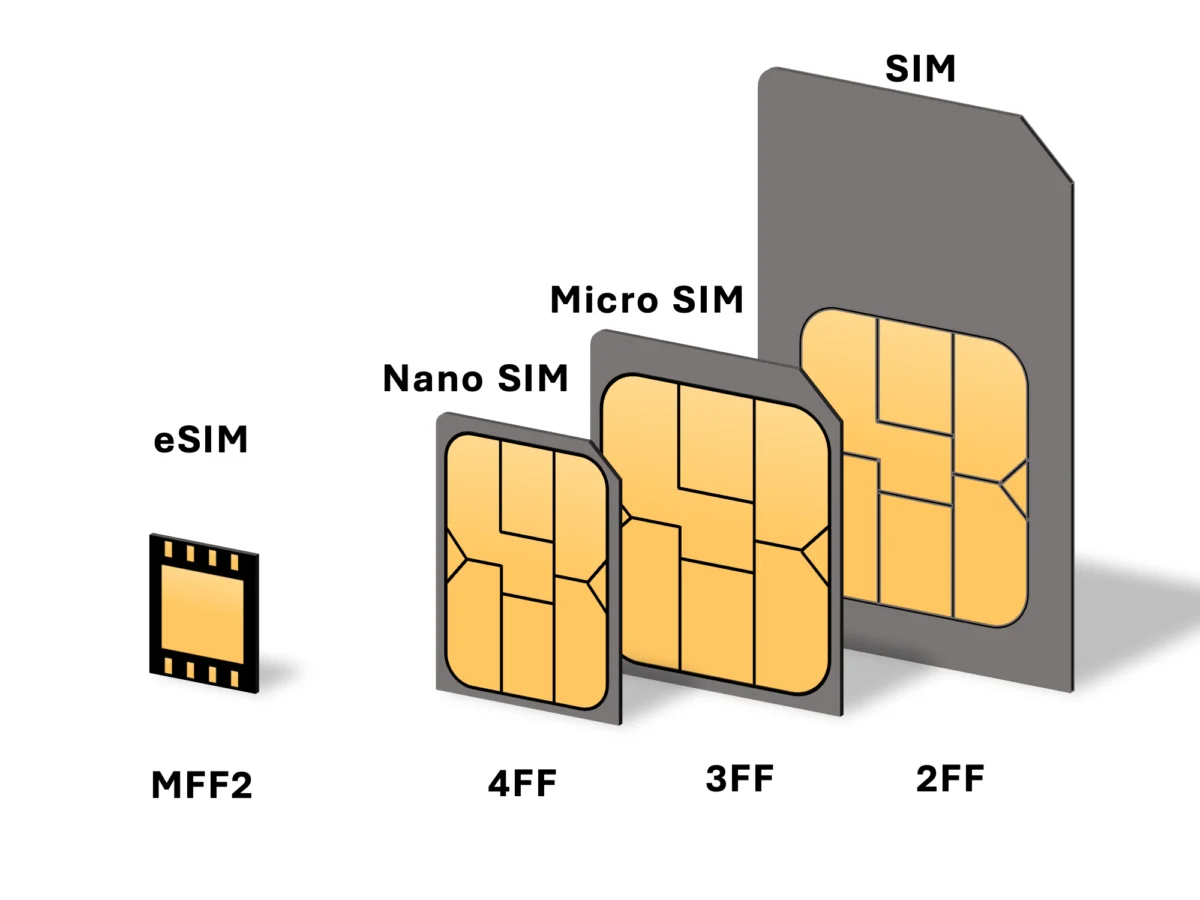

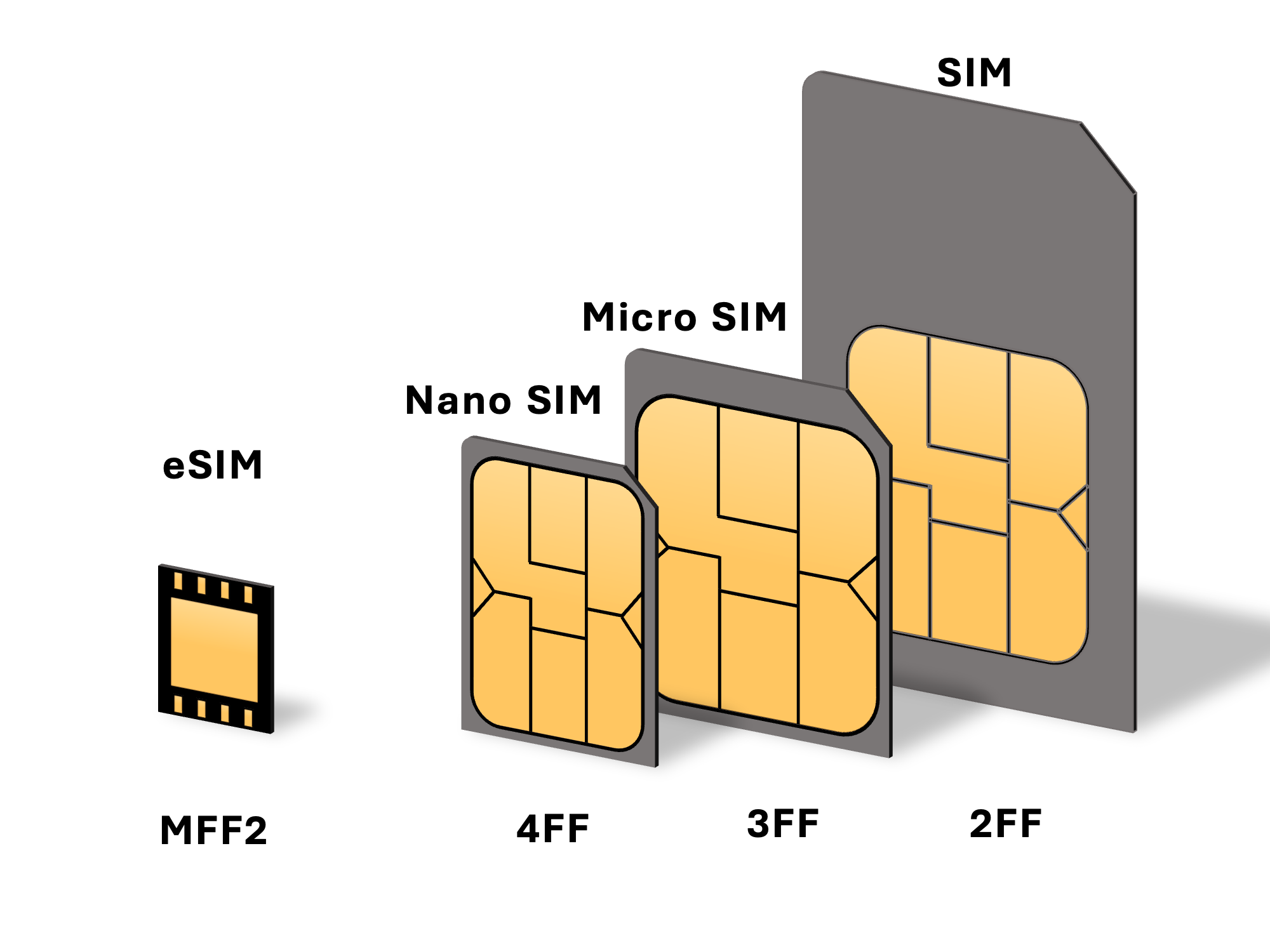
South Korea’s telecommunications landscape is undergoing a significant paradigm shift as the nation solidifies its position as a global leader in digital infrastructure. At the forefront of this transformation is the rapid adoption of eSIM (embedded SIM) technology, a digital alternative to the traditional physical SIM card that has redefined how both international tourists and long-term expatriates access mobile networks. Unlike the conventional plastic cards that require physical insertion into a device, an eSIM is a programmable microchip integrated directly into a smartphone or tablet’s hardware. This advancement allows users to download and activate cellular profiles remotely, facilitating seamless connectivity in a country renowned for having the world’s fastest average internet speeds and a near-ubiquitous 5G network.
The Evolution of eSIM Technology in the Korean Market
The trajectory of eSIM adoption in South Korea is a testament to the country’s commitment to technological innovation. While eSIM technology has been available globally for several years, its full-scale implementation in the Korean domestic market was a calculated, multi-stage process. Prior to 2022, eSIM support in South Korea was largely restricted to wearable devices, such as smartwatches. However, following consistent pressure from consumer advocacy groups and the need to align with international standards, the Ministry of Science and ICT (MSIT) spearheaded a regulatory shift.
In September 2022, a landmark policy was enacted requiring the nation’s three major telecommunications providers—SK Telecom, KT, and LG U+—to support eSIM for smartphones. This move was designed to increase consumer choice and lower the barriers to switching providers. Since this mandate, the market has seen an explosion of specialized eSIM products tailored for the millions of tourists who visit Korea annually, as well as for the growing expatriate community. The transition from physical to digital SIMs has not only streamlined the user experience but has also contributed to South Korea’s environmental goals by reducing the plastic waste associated with traditional SIM card manufacturing and distribution.
Strategic Comparison of Leading Korean eSIM Providers
Choosing a mobile provider in South Korea requires an understanding of the "Big Three" carriers and the burgeoning market of Mobile Virtual Network Operators (MVNOs). Each provider offers distinct advantages based on network coverage, data speeds, and additional value-added services.
SK Telecom: The Market Leader in Coverage and Reliability
SK Telecom (SKT) maintains the largest market share in South Korea, commanding approximately 45% of the total mobile subscriber base. For tourists, SKT offers a premium eSIM experience priced at approximately $35 for 1GB of data with a 30-day validity period. While the price point is higher than some competitors, the value proposition lies in its superior network density. SKT’s infrastructure is particularly robust in mountainous regions and rural areas, making it the preferred choice for travelers planning to explore the Korean countryside or Jeju Island. For long-term residents, SKT provides integrated plans starting around $29 per month, often including unlimited domestic calls and texts, alongside 2GB of high-speed data that throttles to a manageable speed once the cap is reached.
KT Olleh: Connectivity Through Ubiquitous Wi-Fi
KT (formerly Korea Telecom) is the second-largest carrier and is often favored by international visitors due to its extensive public Wi-Fi network. KT’s tourist eSIM plans start at roughly $36.50 for 1GB of data over 30 days. A critical differentiator for KT is that an eSIM purchase often grants the user access to "KT WiFi" hotspots, which are located in nearly every subway station, cafe, and public building in the country. This allows users to preserve their cellular data for when they are truly mobile. For residents, KT’s competitive monthly plans begin at $30, offering a balanced mix of data and connectivity perks.
LG U+: Competitive Data Packaging
LG U+, the third major player, has historically competed by offering aggressive data packages and competitive pricing. Their tourist eSIM is priced at $39 for 1GB, but they frequently offer promotional bundles that include "Unlimited Data" options for short-term stays (ranging from 5 to 30 days). LG U+ is known for its strong 5G infrastructure in urban centers like Seoul and Busan. For long-term residents, LG U+ plans start at approximately $35, often featuring international roaming add-ons that are attractive to expatriates who travel frequently within the Asia-Pacific region.
Korea SIM Card: The Specialized Tourist Alternative
For many travelers, the "Korea SIM Card" brand serves as a bridge between the major carriers and the consumer. Often operating as an MVNO, they provide plans starting as low as $25 for 1GB. Their strength lies in multilingual customer support and simplified registration processes that do not always require the rigorous identity verification often demanded by the primary carriers’ retail branches.
Technical Requirements and Activation Protocols
The activation of an eSIM in South Korea is a digital-first process, yet it is governed by strict national telecommunications laws. Under the "Real-Name Verification System," all mobile users—including tourists—must provide identification to activate a service. For tourists, this is typically a passport; for residents, it is an Alien Registration Card (ARC).
Step-by-Step Activation Process
- Compatibility Check: Before purchase, users must ensure their device is "carrier-unlocked" and supports eSIM technology (e.g., iPhone XS or later, Samsung Galaxy S20 or later, and Google Pixel 3 or later).
- Purchase and Receipt: Upon purchasing a plan online, the provider generates a unique QR code, which is sent via email.
- Configuration: In the device settings (typically under ‘Cellular’ or ‘Mobile Data’), the user selects ‘Add eSIM’ and scans the provided QR code.
- Identity Verification: For many Korean eSIMs, the user must then upload a photo of their passport or ARC to a verification portal. Activation usually occurs within minutes of document approval.
- Network Selection: Once activated, the device will automatically latch onto the designated local network.
Analyzing the Impact for Long-Term Residents vs. Tourists
The requirements for these two demographics differ significantly due to South Korea’s digital authentication ecosystem. In Korea, a mobile phone number is more than a communication tool; it is a primary form of digital ID used for everything from online shopping to making doctor appointments.
For Tourists, the priority is immediate data access and GPS functionality. The eSIM allows them to bypass the long queues at Incheon International Airport’s physical SIM desks. They can install the profile before they even land, ensuring that they have access to KakaoMaps or Naver Maps the moment they disembark.
For Long-Term Residents, the eSIM offers a more complex utility. Residents often require a "post-paid" plan that is linked to their bank account and ARC. The ability of eSIMs to hold multiple profiles is a significant advantage here, as a resident can maintain their home country’s SIM for banking OTPs (One-Time Passwords) while using a Korean eSIM for daily life.
Data Analysis: Cost vs. Benefit
When evaluating the cost of eSIMs in Korea, the data suggests a competitive but premium market. While a $25–$39 price range for 1GB of data might seem high compared to some Southeast Asian markets, the infrastructure quality in Korea justifies the cost. South Korea’s 5G availability exceeds 90% in urban areas, and latency is among the lowest in the world.
Furthermore, the "unlimited" data plans offered by providers like LG U+ and KT are often "Daily High Speed" plans. This means users get 2GB or 3GB of 5G/LTE data per day, after which the speed is capped at 5Mbps. This is more than sufficient for high-definition video streaming and navigation, making it a highly cost-effective solution for data-heavy users.
Security and Future Implications
From a security perspective, eSIMs offer a higher degree of protection than physical cards. Because the SIM is embedded, it cannot be removed if a device is stolen, making the phone easier to track and harder for thieves to repurpose. Additionally, the digital nature of the profile allows for remote "wiping" and re-installation, providing a layer of redundancy for international travelers.
Looking ahead, the South Korean government and the "Big Three" carriers are already looking toward 6G development and the further integration of eSIMs into the Internet of Things (IoT) ecosystem. As South Korea continues to move toward a "cashless and paperless" society, the eSIM is becoming a foundational component of the traveler’s digital toolkit.
Conclusion
The transition to eSIM technology in South Korea represents a major milestone in the nation’s digital evolution. For the traveler, it offers the convenience of instant connectivity and the flexibility of choice. For the resident, it provides a streamlined way to manage digital identity and domestic services. While the choice between SK Telecom, KT, and LG U+ ultimately depends on individual needs regarding coverage and price, the overarching trend is clear: the physical SIM card is becoming a relic of the past in one of the world’s most connected nations. As the technology matures and pricing becomes even more competitive, the eSIM will undoubtedly become the standard for anyone crossing the Korean border.
