
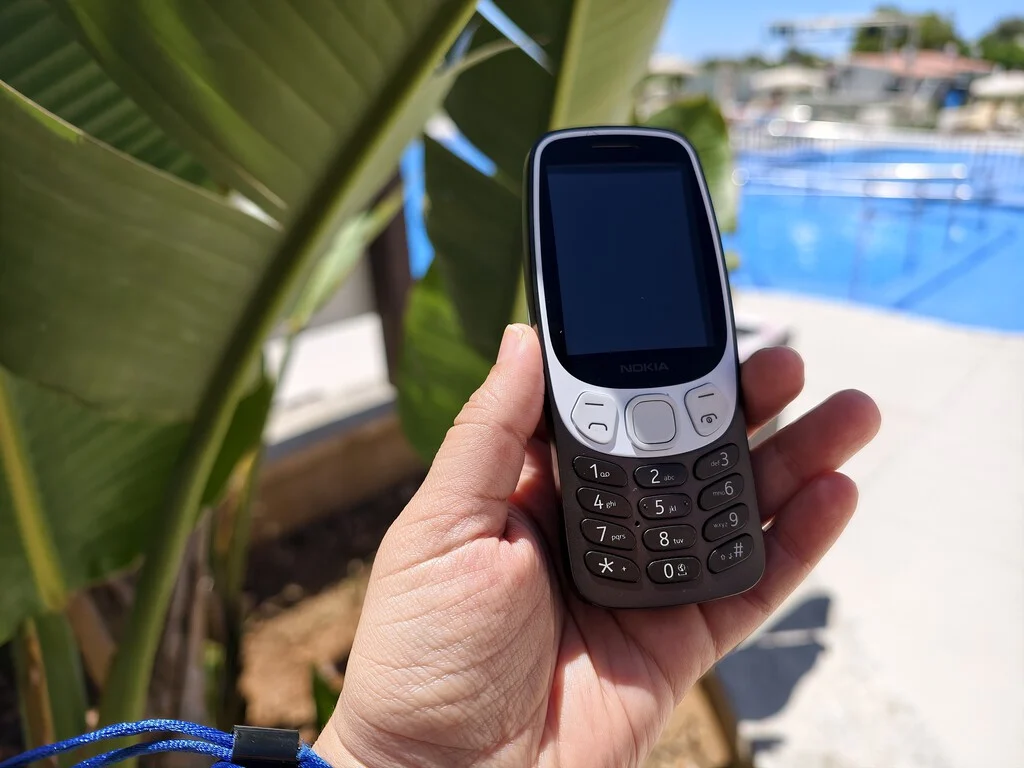

A recent personal experiment conducted by a journalist to revert to a "dumbphone" during a vacation period has underscored the profound integration of smartphones into contemporary life, revealing the significant challenges and practical limitations inherent in attempting a full digital detox through technological regression. The journalist’s endeavor to replace a modern smartphone with a Nokia 3310 and a basic digital watch for an extended holiday, motivated by a desire for digital disconnection, ultimately highlighted the indispensable functionalities that modern mobile devices provide, moving beyond simple communication to encompass navigation, photography, information access, and personal safety.
The Allure of Digital Minimalism and the "Dumbphone" Revival
The experiment, undertaken during a vacation in Menorca, was born from a growing societal trend towards digital minimalism and a yearning to escape the constant demands of smartphone connectivity. In an era marked by increasing concerns over screen addiction, information overload, and the pervasive influence of social media, many individuals are exploring ways to reclaim their attention and foster deeper engagement with their immediate surroundings. The "dumbphone" movement, which advocates for the use of simpler mobile phones primarily for calls and texts, has emerged as a counter-cultural response to the complexities of the digital age. Devices like the Nokia 3310, particularly its 2017 re-release, evoke a sense of nostalgia for a simpler time when mobile phones served a more singular purpose, promising liberation from the digital tether.
This cultural shift is supported by various studies highlighting the adverse effects of excessive smartphone use. According to data from Statista, the average daily time spent on mobile internet in Spain was approximately 3 hours and 38 minutes in 2023, a figure that has steadily risen over the years. A Deloitte survey on mobile consumer trends also indicated that a significant portion of users feel they spend too much time on their phones and express a desire to reduce their usage. These statistics provide a compelling backdrop for understanding the motivations behind such digital detox attempts.
Chronology of a Challenged Detox: Initial Optimism to Practical Setbacks
The journalist embarked on the vacation with a clear intent: to use the Nokia 3310 (2017 version) as the primary communication device, strictly for essential calls, while leaving the high-end smartphone behind. The initial phase of the experiment was characterized by optimism. Contacts were imported with relative ease, a nostalgic ringtone was selected, and close associates were informed of the temporary absence from instant messaging platforms like WhatsApp. The idea was to embrace a focused, distraction-free holiday experience.
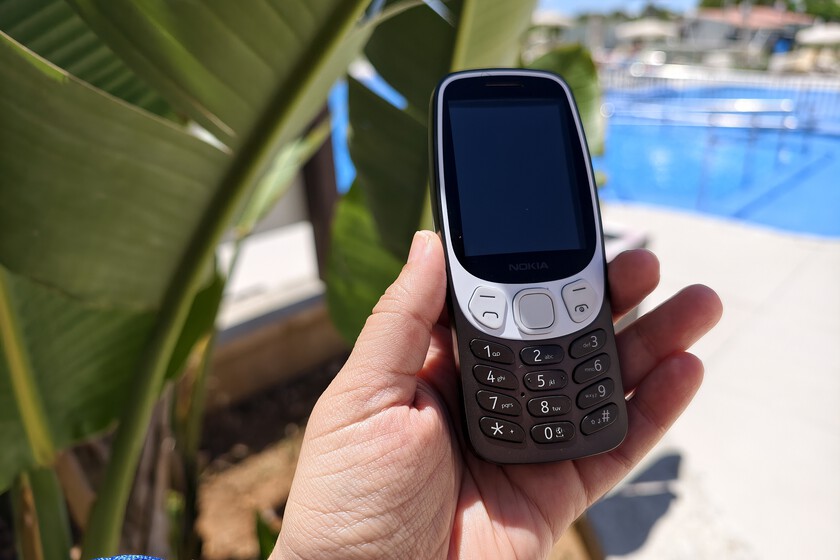
However, this initial enthusiasm quickly confronted the realities of modern living and travel. The first significant hurdle emerged even before departure, forcing a compromise on the core principle of digital minimalism. Despite the intention to solely rely on the Nokia 3310, the journalist found it necessary to pack a secondary, modern smartphone (a Vivo X300 Pro) for specific, non-negotiable functions. This decision was driven by the need to capture high-quality photographs of the holiday, access email for critical communications that could not await a return to work, and utilize GPS navigation for travel within Menorca. The presence of a second, sophisticated device immediately contradicted the minimalist ethos of the experiment, transforming the digital detox into a "digital overpack." This required carrying two phones, a practical inconvenience for someone who values simplicity and lighter travel.
The Burden of "Digital Overpack": Photography and Navigation Deficiencies
The decision to carry a modern smartphone alongside the Nokia 3310 was largely necessitated by the "dumbphone’s" profound limitations in key areas, most notably photography. While the Nokia 3310 (2017) does feature a basic camera, its quality is notoriously low, designed more for novelty than for capturing meaningful memories. The journalist quickly discovered that the images produced were far from the desired standard for vacation souvenirs, leading to the prompt abandonment of the Nokia’s camera in favor of the smartphone’s superior optics.
This observation aligns with broader consumer trends. Smartphone cameras have undergone a revolution in the past decade, evolving from rudimentary additions to sophisticated imaging systems capable of rivaling entry-level dedicated cameras. Features such as multi-lens arrays, computational photography, and advanced image stabilization have made smartphones the primary photographic tool for billions worldwide. According to a study by Statista, over 1.4 trillion photos were taken globally in 2023, with the vast majority captured on smartphones. For travelers, the smartphone has become an indispensable tool for documenting experiences, sharing moments instantly, and storing high-quality visual memories. Relying on a basic feature phone for photography in such an environment proved untenable, highlighting a critical dependency on advanced mobile camera technology that has become ingrained in contemporary travel.
Beyond photography, the modern smartphone’s role in navigation also proved irreplaceable. While the journalist aimed to minimize screen time, the necessity of GPS for exploring unfamiliar roads and locations in Menorca could not be overlooked. The Nokia 3310 lacks integrated GPS, requiring reliance on external mapping solutions or, as in this case, a secondary smartphone. This further underscored the difficulty of true technological regression in a world where digital mapping services have become the standard for efficient travel.
Connectivity Challenges: The Achilles’ Heel of the "Dumbphone" Experience
The most critical and frustrating aspect of the experiment revolved around the Nokia 3310’s core function: making and receiving calls. The journalist reported significant issues with network coverage and call quality, particularly when venturing outside major urban centers like Mahón or Ciutadella into Menorca’s more rural and scenic areas. These challenges compromised the very premise of using the dumbphone for essential communication.
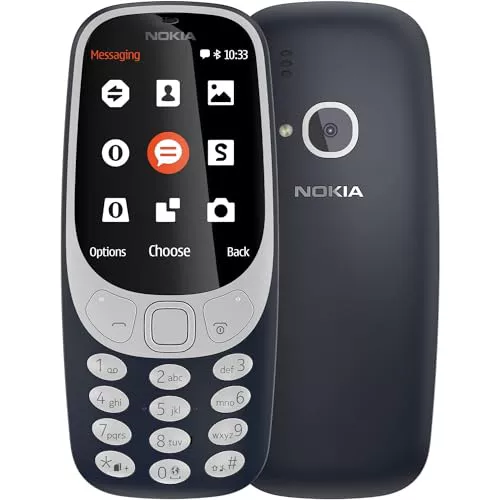
In areas away from robust cellular infrastructure, such as remote coves or secondary roads, the Nokia 3310 frequently lost signal entirely. Even when coverage was available, the quality of calls often deteriorated, making normal conversations difficult. This experience highlights a crucial difference between older mobile technology, which often relies on legacy 2G or 3G networks, and modern smartphones optimized for 4G and 5G connectivity. While 2G networks (often the primary band for many feature phones) provide widespread basic coverage, their capacity and reliability, especially for voice calls, can be inferior in less populated or challenging terrains compared to newer generations of mobile networks. Telecommunication providers have also been gradually decommissioning older network infrastructure in favor of 4G and 5G, which can affect the performance of devices designed for those older bands.
Furthermore, the journalist noted the inadequacy of the Nokia 3310’s loudspeaker. For important calls that needed to be shared with a travel companion, the low volume and poor clarity of the speaker became a significant point of friction. While options like connecting to a car’s Bluetooth system or using headphones exist, these add layers of complexity and inconvenience, particularly in a rental car or when spontaneous group listening is required. This specific issue, while seemingly minor, further eroded the practical utility of the device for its primary intended purpose.
The Success of Smartwatch Abstinence: A Glimmer of Digital Freedom
Amidst the difficulties with the "dumbphone," one aspect of the digital detox proved unequivocally successful: the decision to replace a smartwatch with a simple, inexpensive digital watch. This substitution was made to allow for carefree use in aquatic environments, such as beaches and pools, without concern for damage. The journalist found this change to be a genuine improvement, experiencing a tangible sense of relief from the constant stream of notifications, step counts, and other data typically pushed by smartwatches.
This partial success suggests that while core smartphone functionalities are now deeply embedded in daily life, certain wearable technologies, particularly those designed for constant monitoring and notification, can be more readily decoupled without significant practical loss. The absence of constant data streams from the wrist contributed positively to the feeling of being "off-grid" and more present in the moment, demonstrating that selective technological abstinence can indeed yield benefits for digital well-being.
Implications for Digital Well-being: Beyond Technological Regression
The journalist’s comprehensive experiment ultimately led to a critical realization: true digital disconnection and well-being in the modern era do not necessarily lie in reverting to outdated technology. Instead, the experience underscored the value and necessity of modern smartphones for navigating contemporary life, travel, and professional commitments. The idea of "stepping back" technologically proved to be a practical impossibility for someone with even moderate connectivity requirements.

The conclusion drawn from this frustrated experience is that the solution to digital overload is not technological regression, but rather a conscious and disciplined approach to smartphone usage. The journalist advocates for "healthy configuration" and self-control as the primary tools for achieving digital balance. This involves actively managing notifications, limiting screen time, and, most importantly, consciously disengaging from social media platforms. The author’s subsequent decision to begin withdrawing from social media, even outside of vacation periods, reflects a shift in strategy from device replacement to behavioral modification.
This perspective resonates with insights from digital well-being experts. Dr. Anna Lembke, a psychiatrist and author of "Dopamine Nation," emphasizes that constant stimulation from digital devices can desensitize our reward pathways, making us less able to find pleasure in everyday activities. She and others often recommend "dopamine fasts" or deliberate periods of abstinence, not necessarily from technology entirely, but from the most addictive applications and behaviors. Similarly, researchers in digital psychology suggest that mindful smartphone use, characterized by intentional engagement rather than passive consumption, is more effective than outright bans for most individuals. Setting boundaries, creating tech-free zones, and scheduling digital breaks are often cited as more sustainable strategies than trying to force a return to a pre-smartphone technological landscape.
The Evolving Landscape of Connectivity and Practicality
This experiment serves as a vivid case study in the evolving relationship between humans and technology. While the romantic ideal of a complete digital detox using a simpler phone holds appeal, the practicalities of modern travel, communication, and information access render such attempts highly challenging for many. The smartphone has transcended its original function as a mere communication device to become a multi-faceted tool essential for personal safety, logistical management, cultural engagement (e.g., translation apps), and personal documentation.
The findings imply that future efforts towards digital well-being will likely focus more on software solutions, user education, and behavioral psychology rather than hardware limitations. Features like "Digital Wellbeing" dashboards, focus modes, and app timers built into modern operating systems are examples of how technology itself is being leveraged to help users manage their relationship with their devices. The journalist’s journey from attempting a technological rollback to embracing mindful usage and social media disengagement reflects a broader understanding that true digital freedom comes from informed choices and self-regulation, not from discarding the tools that have become integral to our daily lives.
In conclusion, the experiment with the Nokia 3310, while unsuccessful in its original intent of a full technological detox, provided invaluable insights into the pervasive and often underestimated role of modern smartphones. It underscored that in today’s interconnected world, the path to digital serenity is less about abandoning advanced tools and more about mastering their use with intention and discipline.
