
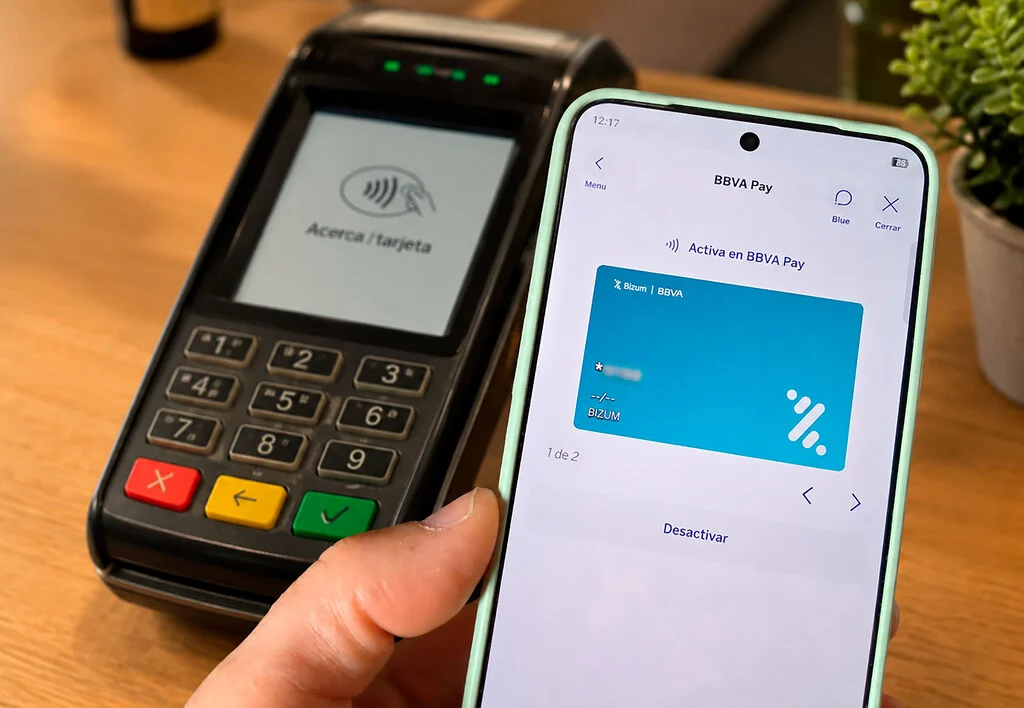

One week has passed since the highly anticipated Bizum Pay application became available on mobile app stores, marking a significant step in the evolution of digital payments in Spain. While many users, including those with accounts at major financial institutions like BBVA, initially encountered compatibility limitations with the standalone Bizum Pay app, a crucial development has emerged: BBVA has proactively integrated the Bizum Pay functionality directly into its existing mobile banking application. This strategic move allows BBVA customers, particularly those on the Android platform, to utilize Bizum for physical in-store payments without needing to wait for their bank to become compatible with the dedicated Bizum Pay app. The integration underscores a dual strategy for Bizum’s expansion into physical retail and highlights the varying approaches financial entities are taking to embrace this new payment frontier.
The Evolution of Bizum: A National Payment Phenomenon
To fully appreciate the significance of Bizum Pay, it is essential to understand the journey of Bizum itself. Launched in 2016 by a consortium of Spanish banks, Bizum was initially conceived as a peer-to-peer (P2P) instant payment service, designed to facilitate quick and easy money transfers between individuals using only a phone number. Its simplicity, speed, and direct integration with bank accounts rapidly propelled it to become a ubiquitous payment method in Spain. Within just a few years, Bizum transcended its P2P origins, expanding to include online payments for e-commerce transactions and even facilitating payments in specific sectors like lottery administrations.
The growth trajectory of Bizum has been remarkable. By the end of 2023, Bizum boasted over 26 million registered users, processing more than 1.5 billion transactions since its inception, with an average transaction value reflecting its utility for everyday small-to-medium payments. This pervasive adoption transformed Bizum from a mere financial tool into a cultural phenomenon, often colloquially used as a verb in Spanish households. Its success is rooted in addressing a clear market need for instant, bank-backed digital transactions, effectively competing with and often surpassing traditional payment methods in speed and convenience for specific use cases. The service’s integration within existing banking apps eliminated the need for third-party wallets, fostering trust and ease of access for a broad demographic.
Bizum Pay: Bridging the Digital-Physical Divide
The introduction of Bizum Pay represents the platform’s ambitious push into the realm of physical point-of-sale (POS) payments, a domain traditionally dominated by credit and debit cards and, more recently, by mobile wallets like Apple Pay and Google Pay. The strategic rationale behind Bizum Pay is clear: to offer a seamless, end-to-end digital payment experience that encompasses P2P, online, and now, in-store transactions, all under the trusted Bizum brand. This expansion aims to capture a larger share of the retail payment market and further solidify Bizum’s position as Spain’s leading instant payment solution.
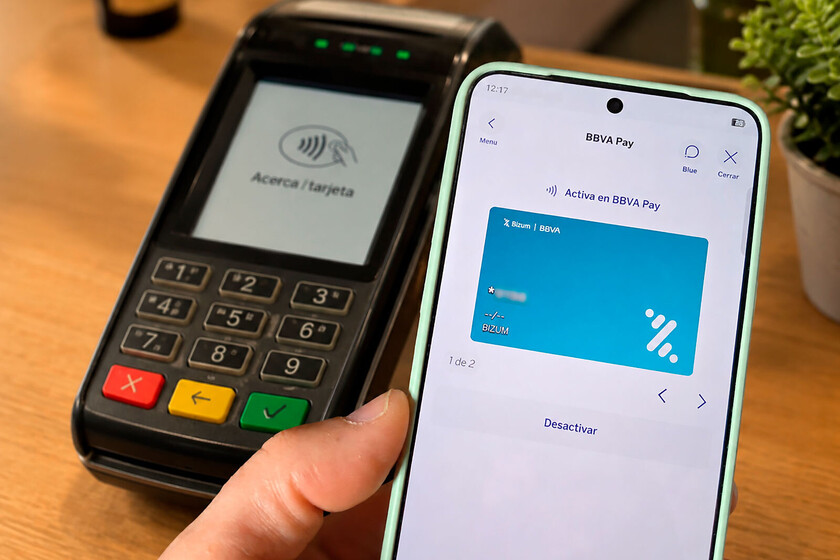
Bizum Pay was officially announced with the promise of revolutionizing card payments by allowing users to pay directly at physical merchants using their mobile phone and a simple QR code or NFC technology, linked directly to their Bizum-enabled bank account. The vision was to create a unified payment ecosystem, where a user’s phone number acts as the central identifier for all financial transactions, simplifying the payment process for both consumers and merchants. This initiative was met with considerable anticipation, as it signaled Bizum’s intent to compete directly with established card networks and global tech giants in the contactless payment space. The expectation was that the standalone Bizum Pay app would serve as the primary conduit for this new functionality, offering a universal interface for all compatible banks.
BBVA’s Proactive Integration: A Strategic Differentiator
While the standalone Bizum Pay app embarked on its phased rollout, facing initial challenges in universal bank compatibility, BBVA emerged as an early adopter by integrating the physical payment functionality directly into its proprietary banking application. This move aligns with earlier statements from Bizum officials, who indicated that individual banks would have the autonomy to integrate Bizum Pay into their existing digital ecosystems, alongside the development of a universal Bizum Pay app. BBVA’s decision reflects a strategic imperative to offer cutting-edge payment solutions to its vast customer base without delay.
The mechanism of BBVA’s integration is noteworthy. Instead of relying solely on the separate Bizum Pay application, BBVA has updated its mobile banking app to include a "Physical Store Payment" option. Upon activation, the BBVA app generates a virtual debit card linked to the user’s phone number, which is, in turn, associated with their Bizum account. This virtual card is then seamlessly added to the bank’s own digital wallet, BBVA Pay. This process effectively enables direct Bizum payments at any physical merchant equipped with compatible contactless payment terminals (NFC) or QR code scanning capabilities, leveraging the existing infrastructure of mobile payment systems. The result for the user is functionally identical to using the standalone Bizum Pay app, offering the convenience of paying with a phone while keeping the entire process within the familiar and secure environment of their primary banking application.
Activating Bizum Pay within the BBVA Android App
For BBVA customers using an Android mobile device, activating this new payment feature is a straightforward process, although it is currently exclusive to the Android platform. This initial limitation highlights the complexities of developing and deploying cross-platform financial technologies, often involving specific operating system integrations and security protocols.
To activate Bizum Pay within the BBVA app on an Android device, users typically follow these steps:
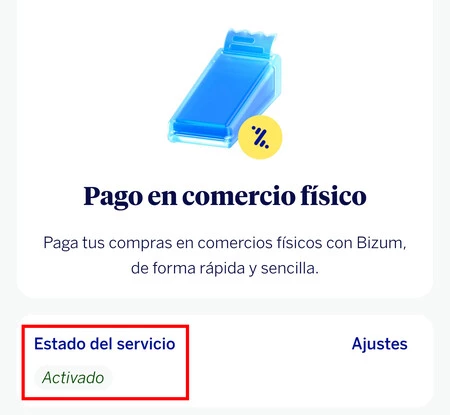
- Access the BBVA App: Open the official BBVA banking application on your Android smartphone.
- Navigate to Payments/Wallet Section: Locate the section related to payments, cards, or digital wallet services, often labeled "My Wallet," "Payments," or "BBVA Pay."
- Select Bizum Pay Option: Within this section, look for an option explicitly stating "Physical Store Payment" or "Bizum Pay."
- Initiate Activation: Follow the on-screen prompts to begin the activation process. This usually involves confirming your identity and linking your Bizum-registered phone number.
- Authorize Virtual Card Creation: The app will guide you through the creation of a virtual debit card that will be associated with your Bizum account. This process typically involves consent to add this virtual card to your BBVA Pay wallet.
- Confirmation: Once activated, a confirmation message will appear, indicating that Bizum Pay is ready for use for in-store purchases.
This integration streamlines the user experience by centralizing payment options within a single banking application, reducing app clutter and leveraging existing user familiarity with the BBVA interface. The convenience of not needing to download or manage an additional app is a significant advantage for many users, potentially accelerating adoption among BBVA’s Android clientele.
The Broader Landscape of the Standalone Bizum Pay App
While BBVA has forged its path, the standalone Bizum Pay application continues its journey toward universal compatibility. The official Bizum platform has acknowledged that the expansion of compatibility with all participating banks is an ongoing process, with a target completion date set for the end of 2026. This extended timeline underscores the technical and logistical challenges involved in coordinating multiple financial institutions, each with its own IT infrastructure and security frameworks, to integrate with a new, generic payment application.
The long-term vision for the standalone Bizum Pay app is to serve as a universal solution, much like the original Bizum P2P service. It aims to offer a consistent user experience regardless of the user’s bank, ensuring that all Bizum users can access physical payment functionalities without bank-specific limitations. This dual approach – bank-integrated solutions and a universal standalone app – reflects a pragmatic strategy to ensure broad market penetration while accommodating the diverse operational capabilities and strategic priorities of individual banks. For banks like Banco Sabadell, which reportedly had quicker compatibility with the standalone app, users might find it convenient to use the dedicated Bizum Pay app, especially if they prefer a unified interface for all their Bizum services. For others, like BBVA customers, the integrated solution offers immediate access.
Market Impact and Implications for the Payments Landscape
The entry of Bizum Pay into the physical retail space, particularly with early adoption by major players like BBVA, carries significant implications for the Spanish and potentially European payments landscape.
Implications for Banks: BBVA’s proactive integration sets a precedent and may exert pressure on other banks to accelerate their own Bizum Pay integration strategies, whether through the standalone app or direct integration. Banks that offer seamless Bizum Pay functionality are likely to enhance customer loyalty and attract new users seeking modern, convenient payment options. This move could also influence banks to re-evaluate their investments in proprietary mobile payment solutions versus leveraging established platforms like Bizum.

Implications for Merchants: The wider availability of Bizum Pay for in-store transactions presents an opportunity for merchants to offer more payment choices to their customers. Given Bizum’s immense popularity in Spain, accepting Bizum Pay could become a competitive advantage, potentially reducing abandoned purchases and increasing customer satisfaction. Merchants might also find the transaction fees associated with Bizum Pay to be competitive compared to traditional card networks, although specific fee structures would need to be considered. The simplicity of QR code payments, requiring minimal hardware investment beyond a smartphone or existing POS system, could particularly benefit small and medium-sized enterprises (SMEs).
Implications for Consumers: For the average Spanish consumer, Bizum Pay offers unparalleled convenience. The ability to pay with a phone using a service they already trust for P2P transfers further integrates their financial life into their mobile device. This move accelerates the trend towards a cashless society, reducing reliance on physical wallets and cards. Enhanced security, through tokenization and bank-grade encryption, also provides peace of mind. However, the initial platform fragmentation (Android vs. iOS, standalone app vs. bank integration) might cause some confusion until universal compatibility is achieved.
Broader Economic and Regulatory Context: Bizum’s expansion into physical payments aligns with broader European initiatives towards instant payments and digital transformation in the financial sector. The European Union’s push for pan-European instant payment solutions could see Bizum’s model as a blueprint for national schemes. Analysts suggest that Bizum Pay could disrupt the established dominance of international card schemes by offering a domestic alternative that is deeply embedded within the Spanish banking system. This could lead to a more diversified and competitive payment ecosystem, potentially driving down costs for merchants and ultimately benefiting consumers.
Security and Future Outlook
Security remains a paramount concern in all digital payment systems. Bizum Pay, whether integrated into a banking app or as a standalone application, leverages the robust security frameworks of the participating banks. Tokenization, multi-factor authentication, and encryption are standard features, designed to protect user data and transaction integrity. The fact that payments are linked directly to bank accounts rather than relying on card numbers adds an extra layer of security against card fraud.
Looking ahead, the next phases for Bizum Pay will undoubtedly include achieving full compatibility across all banks and operating systems, notably iOS. The target of universal integration by late 2026 indicates a clear roadmap. As more banks integrate Bizum Pay and its functionalities expand, it is poised to become an indispensable tool for daily financial transactions, further cementing Spain’s position at the forefront of digital payment innovation. The collaborative effort between Bizum and the Spanish banking sector continues to shape a future where paying for goods and services is as simple and instantaneous as sending a text message.
