

The landscape of the smart home is at a critical juncture, marked by significant leadership changes at Amazon and the approaching tenth anniversary of its flagship voice assistant, Alexa, and its accompanying Echo devices. David Limp, Amazon’s head of devices, is slated to retire, joining a broader trend of executive departures from the e-commerce giant over the past year. This transition, coupled with the impending decade milestone for Alexa and Echo, prompts a comprehensive examination of their impact on the smart home ecosystem and the areas where progress has faltered or remained stagnant.
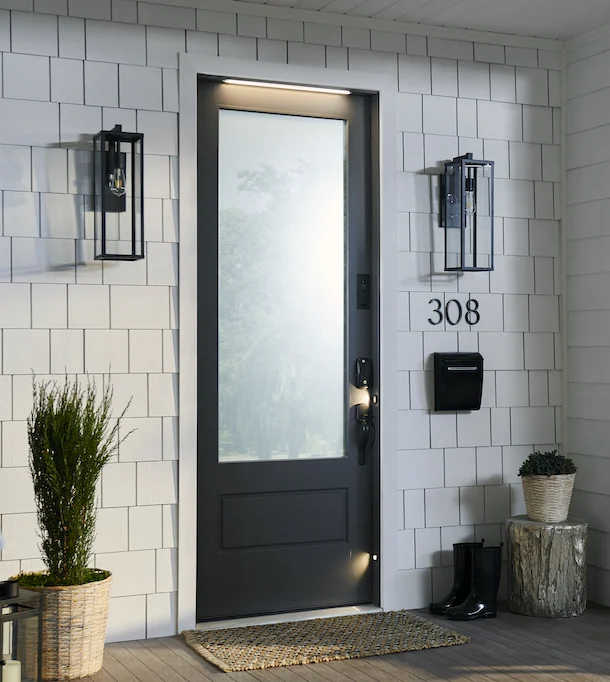
The evolving nature of smart home technology is underscored by recent product releases and reviews that highlight both the ambitious aspirations and the persistent challenges within the sector. A review of the Mill composting system, developed by Nest co-founder Matt Rodgers, illustrates the sophisticated yet potentially complex integration of smart appliances into daily life. Similarly, the introduction of the Masonite M-Pwr smart door at Home Depot, priced at a premium, signifies a segment of the market pushing towards high-end, integrated home solutions, yet raising questions about accessibility and widespread adoption.
Amidst these developments, regulatory bodies are taking steps to address growing concerns about the security of internet-connected devices. The Federal Communications Commission (FCC) has issued a Notice of Proposed Rulemaking for an IoT cybersecurity labeling program. This initiative aims to provide consumers with clearer information about the security features of smart devices, a move that could significantly influence purchasing decisions and drive manufacturers to prioritize robust security measures. Consumers have a 30-day window to submit comments on this proposal, indicating a period of public engagement in shaping future cybersecurity standards for smart home technology.
Further highlighting the security challenges, Microsoft has identified a new set of vulnerabilities affecting industrial equipment, which could potentially be exploited to disrupt critical infrastructure, such as power plants. This discovery underscores the broader implications of interconnected technologies beyond the consumer smart home, touching upon national security and the resilience of essential services.
On the hardware front, the Z-Wave protocol, a long-standing standard for smart home devices, is set to receive a boost with the emergence of a new chip provider. This development is crucial for ensuring a stable and competitive supply chain for Z-Wave-enabled products, which form the backbone of many existing smart home installations.
In parallel, the Homey Pro smart home hub has garnered attention for its potential to offer local device control, a feature that appeals to users prioritizing privacy and offline functionality. However, its relatively high cost and specific device compatibility requirements present a barrier to entry for some consumers.
Finally, practical considerations for smart home users continue to be addressed, as evidenced by a listener question regarding the appropriate light bulb for a woodworking project, demonstrating the ongoing need for accessible and tailored advice within the smart home community.
The Shifting Tides at Amazon and the Legacy of Alexa
The impending departure of David Limp, Amazon’s senior vice president of Devices & Services, marks a significant leadership transition for the company’s extensive smart home and artificial intelligence initiatives. Limp has been a central figure in the development and expansion of Amazon’s device portfolio, including the ubiquitous Echo smart speakers and the Alexa voice assistant. His tenure has witnessed the transformation of Alexa from a novel voice interface into a deeply integrated component of millions of households, powering everything from music playback and smart home control to information retrieval and e-commerce.
The timing of Limp’s retirement, coinciding with the upcoming tenth anniversary of Alexa and Echo in 2024, invites reflection on the platform’s journey. Launched in November 2014, the Amazon Echo was a pioneering product that helped define the smart speaker category. Alexa’s ability to understand natural language commands and execute a wide range of "skills" (third-party applications) quickly established it as a dominant force. The ecosystem expanded rapidly, encompassing a broad array of Echo devices, from smaller Dot speakers to smart displays and even integrated appliances.
However, the smart home market has proven to be a complex and competitive arena. While Alexa has achieved widespread recognition and adoption, the vision of a seamlessly interconnected and intuitive smart home has faced headwinds. Early promises of effortless automation and advanced AI-driven personalization have been tempered by challenges related to interoperability, privacy concerns, and the sheer complexity of managing an ever-growing number of connected devices. The departure of a key leader like Limp could signal a strategic reassessment for Amazon’s device division, potentially leading to new directions or a renewed focus on core strengths.
Navigating the Smart Home Frontier: Innovation and Obstacles
The current state of the smart home is characterized by a dual trajectory of innovation and persistent challenges. Products like the Mill smart composting bin, which aims to automate and streamline household waste management, represent the cutting edge of smart appliance development. Such devices promise to add convenience and efficiency to daily chores. However, the sophisticated nature of these appliances, as suggested by reviews, can also lead to increased complexity in setup, operation, and maintenance, potentially alienating less tech-savvy consumers.
On the other end of the spectrum, high-ticket smart home items like the Masonite M-Pwr smart door are entering the market. This door integrates advanced features such as built-in Wi-Fi, a video doorbell, and smart lock capabilities, all powered by a rechargeable battery system. While offering a premium security and convenience solution, its substantial price point places it firmly in the luxury segment, limiting its potential for broad market penetration. This dichotomy – between highly specialized, expensive innovations and the desire for accessible, universal smart home solutions – defines a significant tension in the industry.
The success of smart home technology hinges on its ability to offer tangible benefits that outweigh the perceived costs, whether financial, in terms of complexity, or privacy. For smart home devices to truly stand on their own and achieve widespread adoption, they must demonstrate clear value propositions that are easily understood and consistently delivered.
Regulatory Scrutiny and the Push for Enhanced Cybersecurity
The increasing prevalence of smart devices in homes and critical infrastructure has brought cybersecurity to the forefront of regulatory attention. The FCC’s proposed cybersecurity labeling program for IoT devices is a significant step towards addressing consumer concerns about the security vulnerabilities inherent in connected products. Historically, many smart home devices have been criticized for lacking robust security measures, making them susceptible to hacking and unauthorized access.
The proposed labeling system aims to provide consumers with a clear, at-a-glance understanding of a device’s security posture. This could involve criteria such as whether the device receives regular security updates, has a unique default password, and offers encryption for data transmission. By empowering consumers with this information, the FCC hopes to incentivize manufacturers to prioritize security in their product design and development cycles. The 30-day public comment period signifies a crucial opportunity for industry stakeholders, consumer advocacy groups, and the public to contribute to the formation of these important standards.

This regulatory push is not isolated. Microsoft’s recent discovery of vulnerabilities impacting industrial control systems serves as a stark reminder of the potential ripple effects of cybersecurity lapses. The ability for these vulnerabilities to be exploited to shut down power plants, for instance, highlights the critical need for enhanced security across all connected technologies, from consumer gadgets to the infrastructure that underpins society. The implications are far-reaching, potentially impacting national security, economic stability, and public safety.
The Z-Wave Ecosystem: Reinforcement and Future Prospects
The Z-Wave protocol, a popular choice for smart home automation due to its reliability and low power consumption, is poised for a significant development with the emergence of a new, independent chip provider. For a considerable period, Sigma Designs (later acquired by Silicon Labs) was the primary, if not sole, supplier of Z-Wave chips. This concentration of manufacturing created potential supply chain risks and limited competitive pressure.
The introduction of a secondary source for Z-Wave chips is a positive development for the entire Z-Wave ecosystem. It promises to enhance competition, potentially leading to more competitive pricing and increased innovation. Furthermore, it provides greater resilience against supply chain disruptions, ensuring a more stable availability of Z-Wave-enabled devices for consumers and manufacturers alike.
This development is particularly relevant in the context of emerging smart home standards like Matter. While Matter aims to unify smart home device communication, Z-Wave and other established protocols are expected to coexist and integrate with Matter through bridges. The continued availability of robust Z-Wave chipsets is therefore crucial for the long-term health and interoperability of the smart home landscape.
The Homey Pro: A Glimpse into Localized Smart Home Control
The Homey Pro smart home hub represents a segment of the market that prioritizes localized control and user autonomy over cloud-dependent systems. Priced at approximately $399, the Homey Pro is an investment, but it offers a compelling proposition for users who are concerned about privacy, data security, or the reliability of cloud-based services.
Unlike many smart home hubs that rely heavily on cloud processing for device commands and automation routines, the Homey Pro is designed to operate primarily locally. This means that many of its functions, such as triggering lights or adjusting thermostats, can occur even if the internet connection is down. This localized approach not only enhances privacy by keeping data within the home but also improves responsiveness and reliability.
The Homey Pro supports a wide array of wireless communication protocols, including Wi-Fi, Bluetooth, Zigbee, Z-Wave, and 433MHz. This broad compatibility allows it to integrate with a vast number of smart home devices from different manufacturers, acting as a central command center. However, potential buyers are advised to carefully check the device support list, as the efficacy of the Homey Pro is directly tied to its ability to communicate with the specific devices in a user’s smart home setup. The high cost, while justified by its capabilities for some users, remains a significant barrier to entry, positioning it as a premium solution rather than a mass-market offering.
Addressing Practical Smart Home Needs: The Woodworker’s Lamp
Beyond the complex technological and strategic shifts in the smart home industry, there remains a fundamental need for practical advice and guidance for everyday users. The query from a woodworker seeking recommendations for a light bulb for a DIY lamp project exemplifies this. While seemingly simple, such questions highlight the importance of accessibility and user-friendliness in the smart home space.
The appropriate light bulb recommendation would likely depend on various factors, including the type of lamp, the desired ambiance, energy efficiency considerations, and potentially smart features like dimming or color temperature control. Providing clear, actionable advice on such matters contributes to a more positive and empowering user experience, reinforcing the idea that smart home technology should enhance, rather than complicate, daily life. This focus on granular user needs is as crucial as developing groundbreaking new technologies for the long-term success of the smart home.
Trident IoT: Bridging the Gap in Z-Wave and Smart Home Interoperability
Mariusz Malkowski, founder and CTO of Trident IoT, offers valuable insights into the evolving Z-Wave ecosystem and its future integration with emerging standards like Matter. Trident IoT’s mission centers on addressing critical needs within the Z-Wave community and the broader smart home industry.
Malkowski explained that Trident IoT was founded to fill a void in the Z-Wave market, particularly concerning the availability of Z-Wave chips and certification services. The company’s approach involves not only manufacturing Z-Wave chips but also focusing on integrating various smart home radio protocols into devices. This holistic approach aims to simplify the development process for manufacturers and enhance interoperability.
A key aspect of Trident IoT’s strategy is its role as a Z-Wave certification house. This function is crucial for ensuring that Z-Wave devices adhere to the protocol’s standards for performance, security, and interoperability. By providing certification services, Trident IoT helps maintain the integrity and reliability of the Z-Wave ecosystem.
Malkowski also elaborated on how Matter will work in conjunction with Z-Wave. He emphasized the importance of bridging between these two standards. While Matter aims to create a unified communication layer for smart home devices, existing Z-Wave devices will likely require bridges to communicate with Matter-enabled ecosystems. Trident IoT is actively involved in developing these bridging solutions, ensuring that the vast installed base of Z-Wave devices can continue to function within the evolving smart home landscape.
The future of Z-Wave, according to Malkowski, includes advancements in Z-Wave Long Range (LR), which offers extended range and improved performance, and planned security upgrades to further fortify the protocol against emerging threats. Trident IoT’s commitment to these developments positions them as a key player in the continued evolution and relevance of Z-Wave technology. Their multifaceted approach, encompassing chip manufacturing, protocol integration, and certification, underscores a strategic effort to support and advance the smart home industry.
