

The Evolution of iOS Personalization and Focus Modes
The path to this level of customization began with the major architectural shifts implemented by Apple during the rollout of iOS 15 in September 2021. Prior to this update, iPhone users were largely restricted to changing wallpapers and managing widget layouts. However, Apple recognized the need for better digital well-being tools, leading to the development of "Focus."
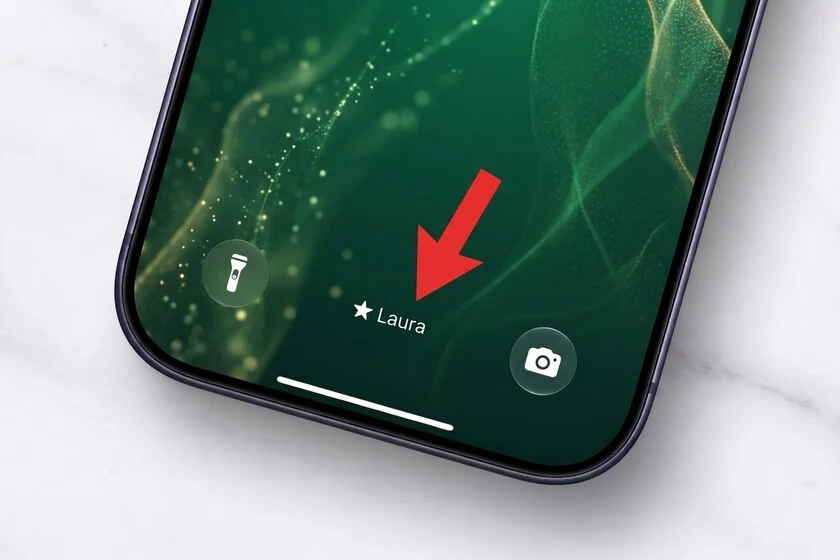
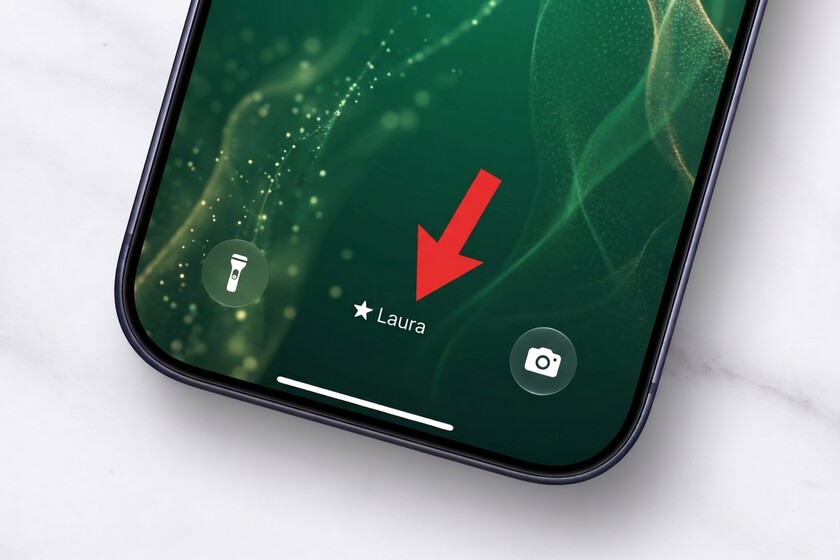
Focus modes were designed to help users manage their attention by filtering notifications and silencing alerts based on specific activities, such as working, driving, or sleeping. The system allows for granular control over which applications can send notifications and which contacts can reach the user during these intervals. Crucially, Apple integrated a visual indicator for these modes; whenever a specific Focus is active, its corresponding icon and name are displayed prominently at the bottom of the lock screen. This design choice serves as a functional status indicator, allowing users to know at a glance which profile their device is currently utilizing without unlocking the phone.
Mechanics of the Custom Lock Screen Label
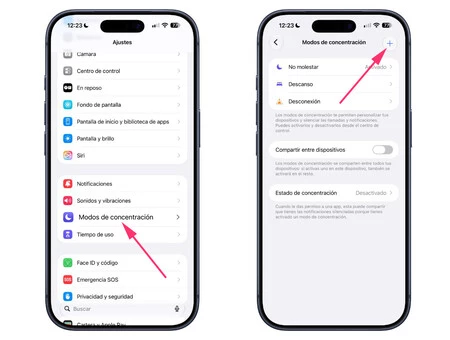
The workaround to display a custom name—such as a user’s own name, a motivational phrase, or an emergency contact identifier—utilizes the "Custom Focus" creation tool. By navigating to the Settings menu, users can initiate the creation of a new Focus profile. The process is straightforward:
- Access the Settings application on the iPhone.
- Select the "Focus" menu.
- Tap the plus (+) icon in the top right corner to create a custom profile.
- Name the profile with the desired text.
- Select an icon from the provided library to accompany the text.
- Configure the mode to have no restrictions, ensuring it behaves exactly like the standard "unfocused" state of the phone.
Once the profile is established, it can be activated via the Control Center. When active, the chosen text appears at the bottom of the lock screen. This does not replace the internal device name—which is used for Bluetooth pairing, AirDrop, and iCloud identification—but rather acts as a temporary UI overlay.
Contextual Significance: Why Users Seek Customization
The desire for this specific type of personalization reflects a broader consumer trend toward "digital identity." In an era where mobile devices are extensions of the self, users increasingly look for ways to distinguish their hardware from the millions of identical devices in circulation.
Historically, Apple has been criticized for its "walled garden" approach to software design, which prioritizes a consistent, uniform user experience. Critics have argued that this limits creative expression. In contrast, the Android ecosystem has long allowed for extensive theme customization, icon pack modifications, and third-party launchers. By allowing users to customize Focus names, Apple has provided a controlled, safe way for users to inject personality into their devices without compromising the stability or security of the iOS framework.
Technical Implications and Limitations
From a technical standpoint, this workaround is purely aesthetic. It does not manipulate system metadata or internal files. The text displayed is simply a localized string stored within the user’s personal Focus configuration.
Data regarding user behavior suggests that, while many users adopt this trick for stylistic reasons, a significant subset uses it for practical utility. For instance, displaying a "Help in case of emergency" message, or an owner’s contact information, can serve as a rudimentary recovery tool should the device be misplaced. While not a replacement for the robust "Find My" network, it adds a layer of visual accessibility for anyone who might encounter a lost device.
Analysis of Apple’s Design Philosophy
Industry analysts have observed that Apple’s shift toward more customizable UI elements—including the redesigned lock screens in iOS 16 and beyond—represents a calculated response to changing user demographics. The integration of depth-effect wallpapers, font changes, and now the creative use of Focus modes, suggests that Apple is moving toward a middle ground: offering flexibility while maintaining the strict performance standards that have defined the iPhone’s reputation.
By keeping these customizations within the framework of official features like Focus, Apple ensures that the user interface remains uncluttered and functional. This approach avoids the performance degradation often associated with third-party personalization apps on other platforms, which can consume significant battery life and system resources.
Broader Impact on Mobile Ecosystems
The rise of such "hidden features" or "hacks" speaks to the ingenuity of the iOS community. Forums such as Reddit and various tech-centric publications have become hubs for discovering how to push the boundaries of Apple’s software. This phenomenon highlights a symbiotic relationship between the manufacturer and the user base: Apple provides a robust, stable platform, and the users find creative ways to make that platform feel uniquely their own.
Looking ahead, it is likely that Apple will continue to introduce features that allow for more user-driven aesthetics. As the distinction between mobile operating systems continues to narrow, the ability to personalize one’s digital space is becoming a key competitive differentiator. For the average user, the ability to put their name on their lock screen is a small change, but it represents a fundamental shift in how the largest mobile ecosystem in the world views the user-device relationship.
Conclusion and Future Outlook
The capacity to label a lock screen with a custom name via the Focus feature is more than just a novelty; it is a testament to the evolving nature of mobile software. As iOS matures, the focus is shifting from pure utility to a balance of efficiency and personal expression. While this method remains a workaround, it provides a secure and stable way for users to personalize their devices.
Moving forward, it is anticipated that Apple will integrate even more user-friendly customization options. However, for those who prefer to stay ahead of official updates, utilizing the Focus mode trick remains a highly effective method to provide an iPhone with a unique, personal identifier that stands out in a crowded market. Whether for aesthetic purposes or as a creative organizational tool, this practice serves as a reminder that even the most locked-down systems can be tailored to the individual user with a bit of ingenuity.
