
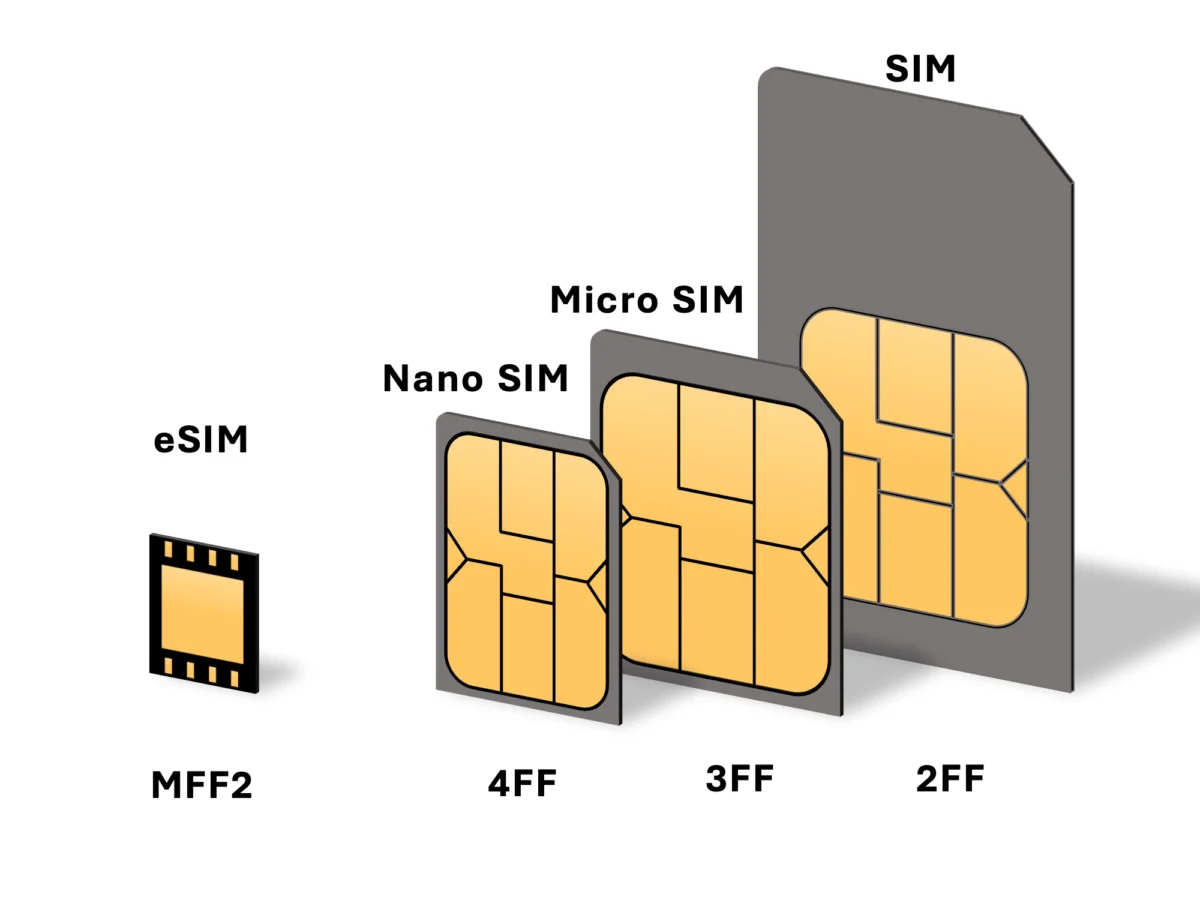

South Korea has long maintained its reputation as one of the most digitally advanced nations on the planet, consistently ranking at the top of global indices for internet speed and smartphone penetration. As the telecommunications landscape shifts toward more integrated, software-driven solutions, the adoption of eSIM (embedded SIM) technology has become a pivotal development for both the local population and the millions of international visitors who arrive annually. The transition from physical plastic cards to programmable, embedded chips represents more than just a convenience; it is a fundamental shift in how mobile connectivity is managed, offering unprecedented flexibility for those navigating the complex South Korean cellular market.
The Technological Evolution of Connectivity in South Korea
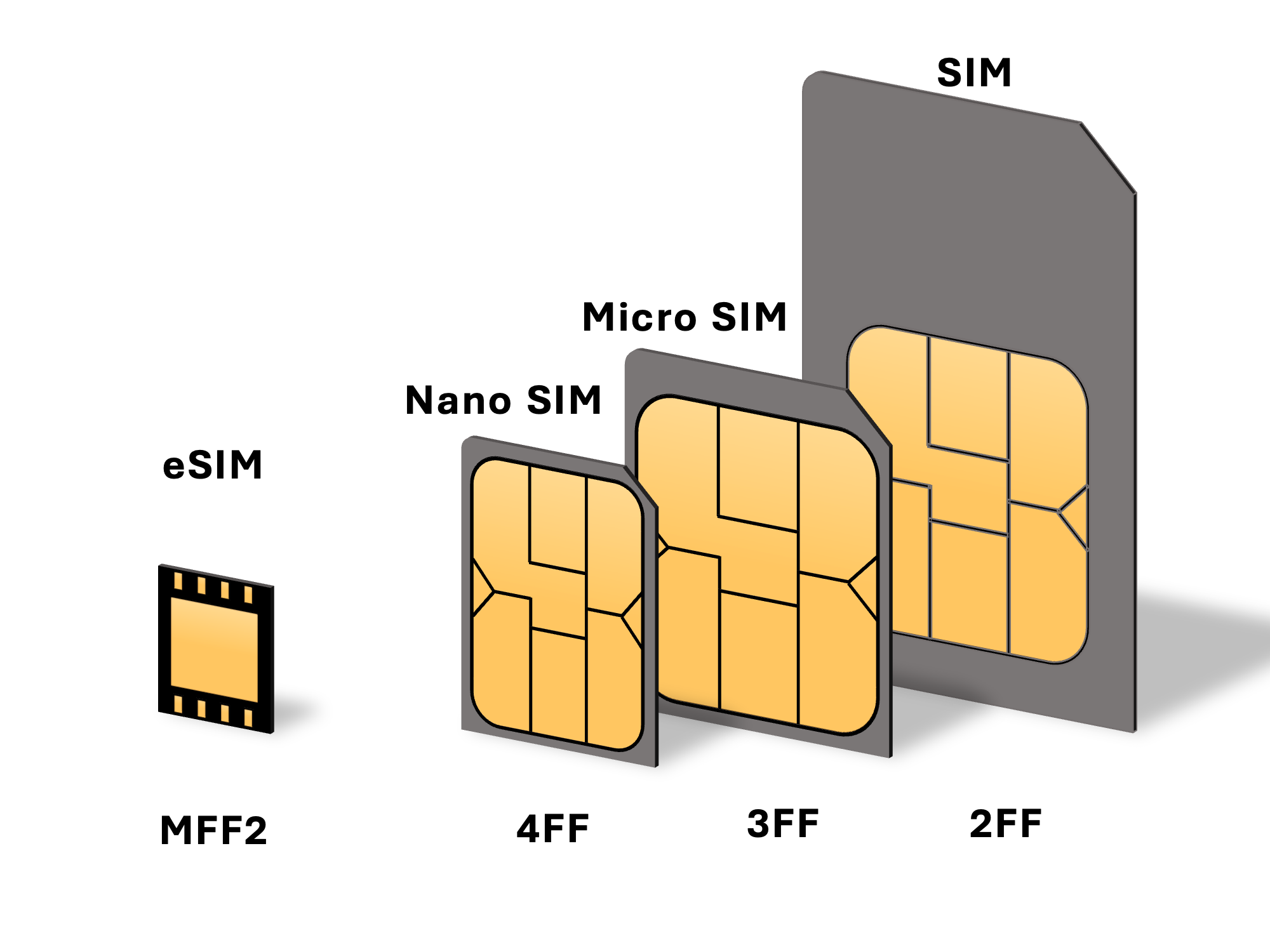
The concept of the eSIM, or embedded Universal Integrated Circuit Card (eUICC), represents a significant departure from the traditional SIM card model that has dominated the industry for decades. Unlike physical SIMs, which must be swapped manually, an eSIM is a small chip soldered directly onto the device’s motherboard during manufacturing. This allows users to download "profiles" from telecommunications providers via the internet, enabling the activation of cellular plans without the need for a physical exchange.
In South Korea, the push for eSIM adoption was accelerated by the Ministry of Science and ICT, which sought to increase competition in the telecommunications sector and provide consumers with more cost-effective options. While the global standard for eSIM began gaining traction with the release of the iPhone XS in 2018, South Korean carriers initially focused on physical SIMs due to established distribution networks. However, by late 2022, the "Big Three" carriers—SK Telecom, KT, and LG U+—officially launched comprehensive eSIM support for domestic users, coinciding with a surge in demand for secondary lines and flexible data plans for international travelers.
A Chronology of eSIM Integration in the Korean Market
The journey toward widespread eSIM availability in South Korea has followed a specific regulatory and commercial timeline:
- 2018–2020: Initial eSIM support was limited primarily to wearable devices, such as the Apple Watch and Samsung Galaxy Watch, using specialized "One Number" services.
- 2021: The South Korean government announced plans to standardize eSIM implementation across all major carriers to lower the barrier for switching providers and to support the growing "open market" for handsets.
- September 2022: A landmark moment occurred when South Korean telecommunications companies officially began supporting eSIM for smartphones, allowing users to utilize dual-SIM capabilities (one physical, one digital) on compatible devices.
- 2023–Present: The market has seen an explosion of MVNOs (Mobile Virtual Network Operators) and specialized tourist-centric providers offering competitive eSIM packages, often bypassing the need for in-person registration at physical kiosks.
Comparative Analysis of Leading eSIM Providers
For consumers, selecting a provider requires a balance between network reliability, data speed, and cost-efficiency. South Korea’s telecommunications market is dominated by three infrastructure-owning giants, complemented by agile third-party distributors.
SK Telecom (SKT)
As the market leader with the largest subscriber base, SK Telecom is often the preferred choice for those prioritizing network coverage in remote or mountainous areas. For tourists, SKT offers a 30-day eSIM plan priced at approximately $35, providing 1GB of high-speed data. While the price point is higher than some competitors, the value lies in the consistency of their 4G LTE and 5G infrastructure. For long-term residents, SKT’s "Resident Plans" start at roughly $29 per month, often bundling unlimited domestic calls and texts with a 2GB data baseline, though most residents opt for higher-tier unlimited data packages.
KT Olleh
KT (formerly Korea Telecom) is the primary competitor to SKT and is renowned for its extensive public Wi-Fi infrastructure. A unique selling point for KT’s eSIM plans, which start at $36.50 for 1GB over 30 days for tourists, is the inclusion of free access to "KT WiFi" zones found in almost every subway station and major commercial building in the country. This significantly extends the utility of a low-data plan.
LG U+
The third major player, LG U+, often positions itself as the "value" alternative among the Big Three. Their tourist eSIM is priced at roughly $39 for a 30-day 1GB plan. While their base price for tourists appears higher, they frequently offer promotional bundles that include "T-Money" (transportation card) integration or discounted roaming. For residents, their entry-level $35 per month plan is robust, offering excellent speeds in urban centers like Seoul and Busan.
Korea SIM Card (Specialized MVNO)
Catering specifically to the international market, Korea SIM Card has emerged as a top-tier provider for short-term visitors. By leveraging the networks of the Big Three but maintaining lower overhead costs, they offer 1GB 30-day plans starting at just $25. Their service model is designed for English speakers, providing multilingual support that is often more accessible than the technical departments of the larger carriers.
Data Summary: Tourist eSIM Comparison Table
| Provider | Base Price (USD) | Data Allowance | Validity | Network |
|---|---|---|---|---|
| Korea SIM Card | $25.00 | 1GB | 30 Days | Various (MVNO) |
| SK Telecom | $35.00 | 1GB | 30 Days | SKT Native |
| KT Olleh | $36.50 | 1GB | 30 Days | KT Native |
| LG U+ | $39.00 | 1GB | 30 Days | LG U+ Native |
Strategic Considerations for Tourists vs. Long-Term Residents
The requirements for obtaining an eSIM in South Korea vary significantly based on the user’s legal status in the country.
For Tourists:
The primary advantage for tourists is the ability to bypass the "Real-Name Verification" system that usually requires an Alien Registration Card (ARC). Most tourist eSIMs can be purchased online using a passport. Upon landing at Incheon International Airport, the user simply connects to the airport Wi-Fi, scans a QR code sent to their email, and the profile activates instantly. This eliminates the need to wait in long queues at airport rental desks.
For Long-Term Residents:
Residents (students, workers, or those on F-series visas) must navigate the "Identity Verification" (Bon-in-in-jeung) system. In South Korea, a phone number is tied to one’s legal identity and is required for everything from online shopping to banking. Residents should ensure their eSIM is registered using their ARC to ensure they can receive the SMS verification codes necessary for daily life in the "K-Digital" ecosystem. SK Telecom and KT offer specialized "foreigner-friendly" branches in areas like Itaewon or Hongdae to assist with this specific setup.
Technical Implementation and Activation Procedures
Activating an eSIM in South Korea is a standardized process, though it requires a stable internet connection for the initial handshake between the device and the carrier’s server.
- Compatibility Check: The device must be carrier-unlocked. Common compatible devices include iPhone 11 and newer, Samsung Galaxy S20 and newer (international versions), and Google Pixel 3 and newer.
- Purchase and Delivery: After purchasing a plan online, the provider generates a unique QR code containing the SM-DP+ (Subscription Manager Data Preparation) address and activation code.
- Installation: In the device settings (Cellular/Mobile Data), the user selects "Add eSIM" or "Add Data Plan" and scans the QR code.
- Network Selection: Once the profile is downloaded, the user must ensure "Data Roaming" is turned ON (for some tourist plans) and that the APN (Access Point Name) settings are correctly configured, though this usually happens automatically in South Korea.
Broader Implications for the South Korean Economy
The shift to eSIM technology carries significant economic and environmental implications. From a sustainability perspective, the reduction in physical SIM production helps mitigate plastic waste and the carbon footprint associated with the shipping and logistics of physical cards. In a country as densely populated as South Korea, the cumulative impact of millions of travelers opting for digital SIMs is substantial.
Furthermore, the eSIM market is driving a "digital-first" approach to tourism. The Korea Tourism Organization (KTO) has noted that seamless connectivity is a primary factor in traveler satisfaction. By allowing visitors to secure their internet connection before they even board their flight, South Korea reduces the friction of international travel, encouraging more "independent" tourism outside of guided groups.
Industry Analysis: The Rise of MVNOs
The South Korean government has actively encouraged the growth of MVNOs to break the triopoly of SKT, KT, and LG U+. This has led to the rise of highly competitive eSIM "sub-brands" that offer the same network quality at a fraction of the price. For example, brands like Woori Mobile or Chingu Mobile cater to the international student population, offering eSIMs with flexible monthly contracts that do not require the standard two-year commitment typical of major carriers.
Industry analysts suggest that as 5G standalone (SA) networks become the norm, eSIMs will allow for "network slicing," where a user could potentially have one eSIM profile for general browsing and another optimized for high-speed gaming or professional video broadcasting, all on the same device.
Conclusion
The adoption of eSIM technology in South Korea represents a synergy between government policy, technological innovation, and consumer demand. For the tourist, it offers a stress-free entry into one of the world’s most connected societies. For the resident, it provides a flexible tool for managing digital identity and communication costs. As the Big Three continue to refine their digital offerings and MVNOs push the boundaries of pricing, South Korea remains a global case study in the successful transition to a SIM-less future. When choosing a provider, users should prioritize their specific needs—whether it be the extensive Wi-Fi of KT, the rural coverage of SKT, or the budget-friendly rates of specialized providers like Korea SIM Card—to ensure they remain connected in the Land of the Morning Calm.
