

After an influential eight-year run chronicling the rapid evolution of connected devices, smart homes, and industrial automation, The Internet of Things Podcast has officially broadcast its final episode. Episode 437 marks the conclusion of a remarkable journey that began in 2016, a period during which the Internet of Things (IoT) transitioned from an experimental concept reserved for early adopters into a ubiquitous element of modern enterprise and domestic life.
Rather than dedicating the final installment to the breaking technology headlines of the day—such as Arm’s high-profile planned initial public offering, newly introduced smart home display options from Brilliant, or Leviton’s second-generation smart circuit breakers—the final episode served as a retrospective. The hosts focused on the motivations behind stepping back from the weekly production, outlining their future professional trajectories, and offering listeners a curated roadmap of alternative resources to navigate the continuously expanding IoT landscape.
Closing the chapter on a signature note, the final episode featured a comprehensive discussion with veteran technology journalist Jennifer Pattison Tuohy of The Verge, alongside a final listener Q&A session exploring the definition of a complete smart home and the innovations poised to drive the industry forward.
An Eight-Year Chronicle of Connectivity
When The Internet of Things Podcast launched full-time in 2016, the consumer smart home ecosystem was fractured, proprietary, and largely dependent on disjointed ecosystems that struggled to interoperate. Over the course of 437 episodes, the program established itself as an authoritative voice, offering deep dives into regulatory hurdles, cybersecurity challenges, consumer privacy debates, and the commercialization of sensor technologies.
Throughout its tenure, the podcast documented major industry milestones, including the rise and fall of various smart assistant platforms, the shift toward edge computing, the deployment of 5G infrastructure, and the arduous development of the Matter interoperability standard. By maintaining a balance between enterprise-grade industrial IoT and consumer-facing smart home conveniences, the show attracted a loyal following of engineers, product developers, enterprise leaders, and dedicated technology enthusiasts.
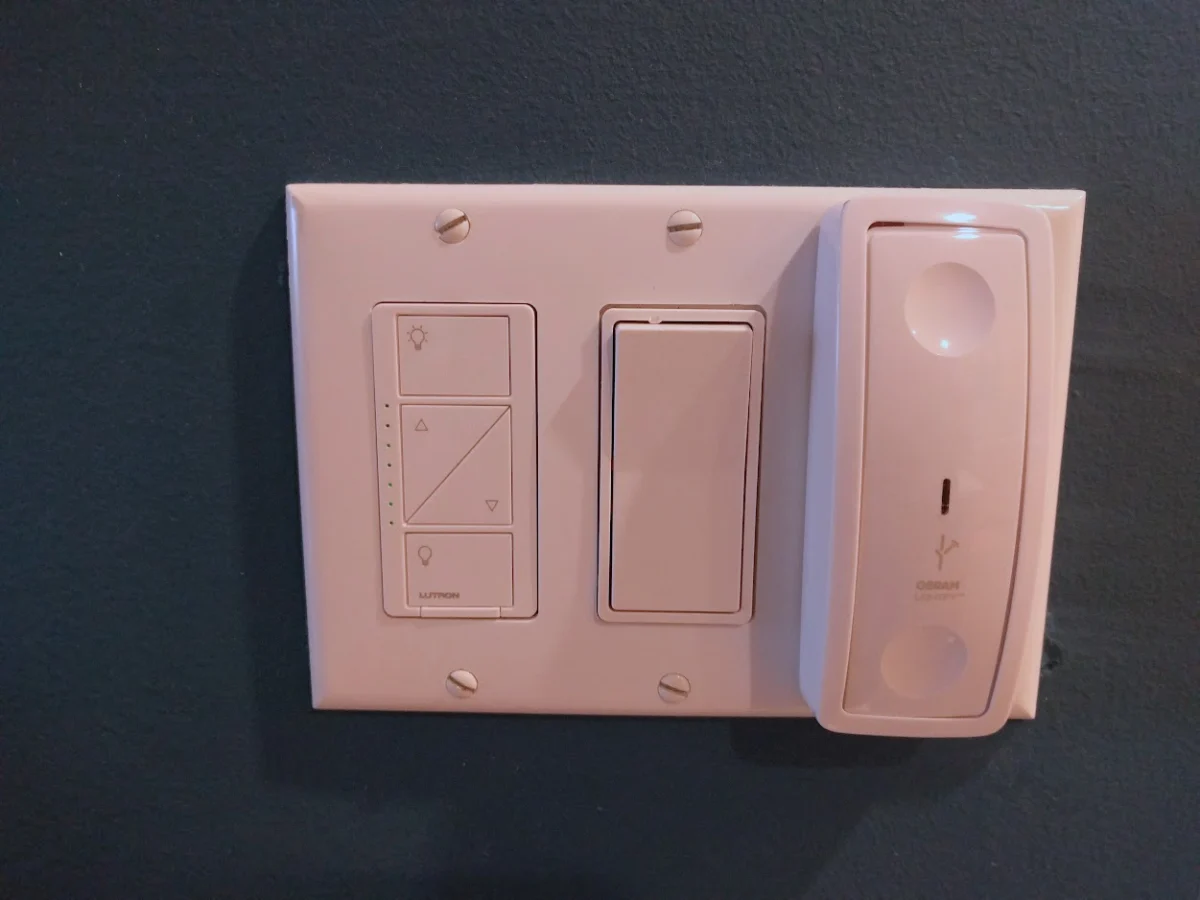
In the farewell episode, the hosts reflected on the personal and professional evolution of covering the beat. Highlighting the constant state of flux in connected hardware, they noted the humorous reality of living with beta-stage technology—jokingly recalling that matching smart light switches had become an impossibility in a home perpetually used as a testing ground for new lighting protocols and relays.
Passing the Torch: Curated Industry Resources
Recognizing the void left by the conclusion of the broadcast, the final episode provided an extensive list of recommended publications, newsletters, and podcasts designed to help listeners stay informed on IoT developments.
For audio programming, the hosts recommended The Mr. Beacon Show, which focuses heavily on tracking technologies and Bluetooth Low Energy developments, as well as The IoT Podcast. In the realm of written journalism, essential daily reading recommendations included The Verge, TechHive, The Ambient, and the Journal of Innovation published quarterly by the Industrial IoT Consortium.
Community-driven insights remain vital for troubleshooting and real-world deployment reviews, with the hosts pointing listeners toward active online forums such as the r/smarthome and r/homeautomation communities on Reddit. For industrial IoT developments, the analysis of journalist James Blackman at RCR Wireless was highlighted as a primary source for tracking cellular IoT, private networks, and manufacturing automation.
Financial and venture capital movements—crucial barometers for industry health—were recommended to be tracked via Dan Primack’s Axios Pro Rata newsletter, which frequently covers funding rounds and mergers and acquisitions in the tech sector. Furthermore, Iskander Smit’s Target is New newsletter was endorsed for forward-looking philosophical takes intersecting IoT, artificial intelligence, and human-centric design.
Assessing the State of the Smart Home with Jennifer Pattison Tuohy
To provide a comprehensive outlook on the current technological landscape, Episode 437 featured a final guest interview with Jennifer Pattison Tuohy, smart home reviewer and correspondent for The Verge. Tuohy, who has spent nearly a decade covering the beat across various technology publications, brought her extensive historical perspective to the discussion.
The conversation centered on the current maturity of the smart home, the practical realities of deploying the Matter connectivity standard, and the viable business models required to sustain connected device manufacturers. Tuohy shared exclusive insights regarding upcoming initiatives planned by the Connectivity Standards Alliance (CSA), the governing body behind Matter, emphasizing a transition from focusing solely on individual gadgets to establishing robust, reliable smart home infrastructure.
Furthermore, Tuohy detailed her personal smart home configuration, illustrating the balance between convenience, local control, and network security that modern consumers must navigate. Her overarching assessment underscored a shift in the market: consumers are increasingly fatigued by subscription models for basic hardware functionality and are demanding seamless interoperability out of the box.
Answering the Final Listener Inquiries
In keeping with the community-focused tradition of the show, the final segment addressed a question from a dedicated listener regarding the criteria for a "complete" smart home. The discussion emphasized that completeness is no longer measured by the sheer volume of connected devices, but rather by the invisibility and reliability of automation. A truly successful smart home operates intuitively in the background, utilizing sensors, presence detection, and localized processing to enhance human comfort and energy efficiency without requiring manual intervention or constant troubleshooting.
Looking toward the horizon, the hosts and their guest evaluated the next wave of innovation. Artificial intelligence integration—particularly the application of large language models to home automation—was cited as a transformative force that will redefine how users interact with their environments. Rather than relying on rigid voice commands or complex conditional programming routines, future smart homes are expected to comprehend contextual intent, adapting dynamically to user habits, weather patterns, and grid demands.
Broader Industry Implications and Future Outlook
The conclusion of The Internet of Things Podcast coincides with a pivotal juncture for the broader IoT industry. As the sector moves past the initial hype cycle of consumer novelties, it faces stringent economic realities, heightened regulatory scrutiny regarding data privacy, and the complex challenge of securing billions of connected endpoints against evolving cyber threats.
At the enterprise level, Industrial IoT (IIoT) continues to drive massive efficiency gains through predictive maintenance, digital twins, and supply chain visibility. Meanwhile, the consumer market is consolidating around universal standards like Matter and Thread, promising a future where device fragmentation is mitigated, lowering barriers to entry for mainstream consumers.
While Episode 437 marks the end of an era for this specific audio platform, the insights, foundational reporting, and community dialogue fostered over the past eight years will continue to influence how technologists, manufacturers, and consumers conceptualize our increasingly connected world. As the industry steps into its next chapter—defined by AI-driven automation, energy management, and hardened security—the blueprint established by the podcast’s long-running coverage will remain an invaluable historical record of the foundational years of the IoT revolution.
