

The landscape of wearable technology continues to evolve rapidly, with smartwatches solidifying their position as essential daily companions for a growing segment of the population. While mobile phones remain a primary technological interface, smartwatches have carved out a significant niche, particularly among users who prioritize advanced fitness tracking, robust independent functionality, and extended battery life. Recent evaluations by seasoned technology journalists and industry experts underscore a discerning trend towards devices that excel in these critical areas, moving beyond mere notification delivery to offer comprehensive health and performance insights. This shift highlights a market maturation where functionality and endurance are paramount.
The Evolution of Wearable Technology: A Historical Perspective
The journey of the smartwatch is a testament to rapid technological advancement, transforming from nascent concepts into sophisticated miniature computers worn on the wrist. Early pioneers laid the groundwork for today’s complex devices, with models like the Sony SmartWatch, launched in 2012, representing a significant milestone. This device emerged prior to the widespread adoption of major operating systems such as Apple Watch’s watchOS and Google’s Android Wear (now Wear OS), demonstrating an early vision for connected wristwear. The Sony SmartWatch, though limited by today’s standards, offered basic smartphone integration, setting the stage for the subsequent "explosion" of the market.
The mid-2010s marked a pivotal period with the introduction of the Apple Watch in 2015 and the concurrent development of Android Wear. These platforms brought richer ecosystems, more sophisticated sensors, and a greater integration with their respective smartphone counterparts. Initially, many smartwatches struggled with battery life, often requiring daily charging, a significant friction point for users accustomed to traditional watches or simpler activity trackers that offered weeks of autonomy. Over time, the market diversified, with some devices leaning heavily into the "smart" aspects (apps, notifications, payments), while others, like those from Garmin, focused on specialized fitness and outdoor activities, often compromising on "smart" features for superior battery life and tracking accuracy. This historical trajectory underscores a continuous effort to balance computational power, sensor capabilities, and energy efficiency.
Defining Criteria for High-Performance Smartwatches
Modern smartwatch evaluations consistently highlight several non-negotiable criteria that define a high-performance device, particularly for active users. These criteria extend beyond basic connectivity to encompass core functionalities that enhance daily life and fitness regimens.
Independent Functionality and Connectivity
A premium smartwatch is increasingly expected to operate with a high degree of independence from its paired smartphone. This includes built-in GPS for accurate location tracking during outdoor activities, onboard music storage for phone-free workouts, and NFC for contactless payments. The ability to receive calls and messages via an integrated eSIM further liberates users from carrying their phones during short errands or exercise sessions. This independence is not merely a convenience but a fundamental aspect of the smartwatch’s utility, allowing it to seamlessly integrate into various lifestyles.
Precision in Activity Tracking
For individuals engaged in daily physical activity, the accuracy of fitness tracking is paramount. This includes reliable measurement of distance, pace, elevation, and heart rate across a diverse range of sports, such as running, mountain biking, strength training, high-intensity interval training (HIIT), and hiking. A robust smartwatch must offer minimal error margins in GPS tracking and provide comprehensive graphical representations of performance data. This level of detail allows users to monitor progress, identify trends, and tailor their training effectively. Devices are expected to not only log activities but also provide actionable insights into performance metrics, recovery needs, and overall physiological responses to exercise.
Battery Autonomy as a Critical Factor
Battery life remains one of the most significant differentiators and a frequent pain point for consumers. Early smartwatches, particularly those with vibrant displays and extensive smart features, often necessitated daily charging. This daily ritual has been a source of frustration for many, prompting a strong preference for devices that offer extended autonomy.
The introduction of models like the Apple Watch Ultra marked a revelation for many users, pushing the benchmark for acceptable battery life to approximately three days with regular usage, including daily workouts involving GPS. This represents a substantial improvement over previous generations that often struggled to last a full 24 hours under similar conditions. Industry analysis indicates that a minimum of three days of autonomy, even with a couple of hours of daily exercise utilizing GPS and all health sensors active, is now considered a reasonable expectation for a high-end smartwatch. This endurance dilutes the "dependence on the charger," enhancing user convenience and reliability. Achieving this balance often involves sophisticated power management, efficient processors, and sometimes, dual-chip architectures that optimize for both performance and longevity.
Comprehensive Health Monitoring Capabilities
While smartwatches are not classified as medical devices, their role in providing continuous health monitoring has grown significantly. Features such as heart rate variability, blood oxygen saturation (SpO2), sleep tracking, stress levels, and even basic ECG capabilities offer users a holistic view of their physiological state. These metrics serve as valuable tools for "estimating how the body is functioning," enabling users to identify patterns, monitor recovery, and make informed decisions about their well-being. The integration of intelligent algorithms that detect signs of fatigue or suggest rest days, based on accumulated biometric data, is an increasingly valued feature, even if users ultimately choose to proceed with their planned activities. This data-driven approach empowers individuals to better understand and manage their health proactively.
Case Studies in Excellence: Recommended Models
Based on extensive testing and long-term usage by technology experts, certain smartwatches consistently stand out for their ability to meet the stringent criteria outlined above. These models exemplify the current pinnacle of smartwatch design, functionality, and endurance.
Garmin Epix 2: The Rugged Performer
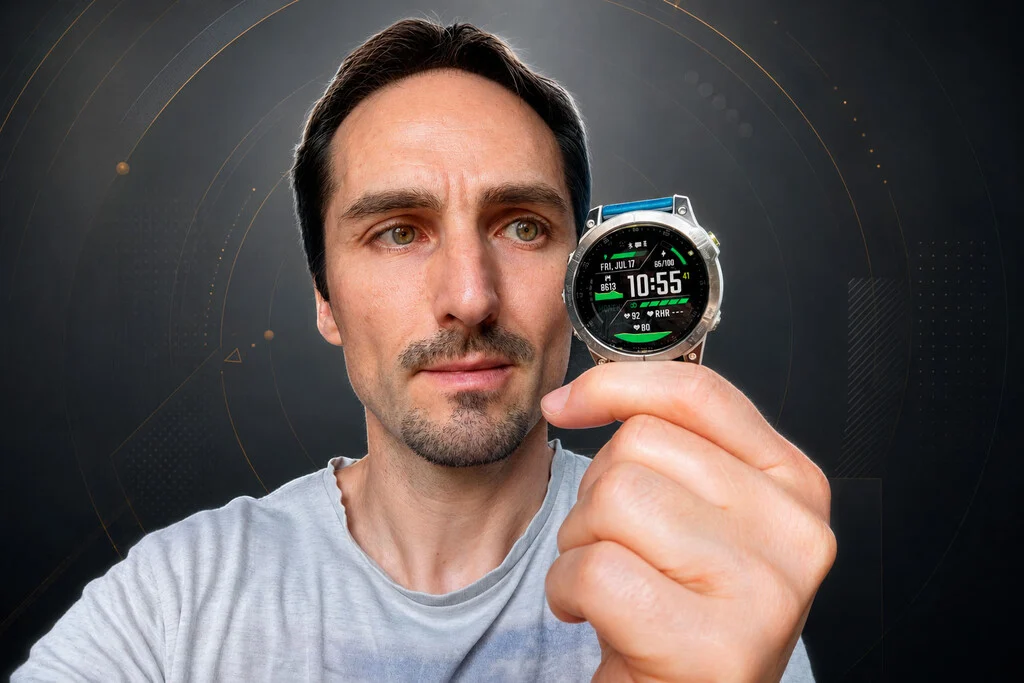
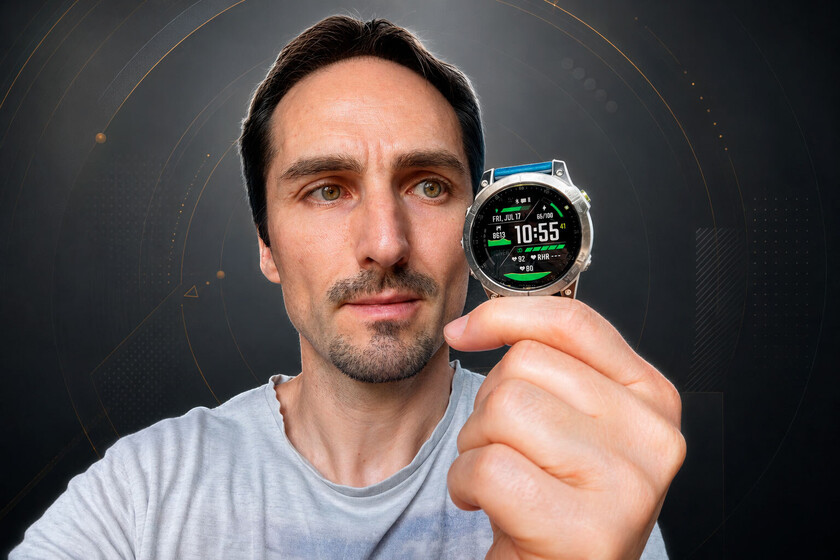
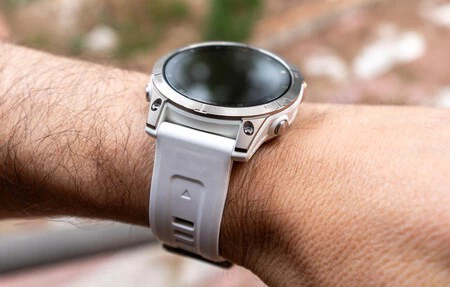
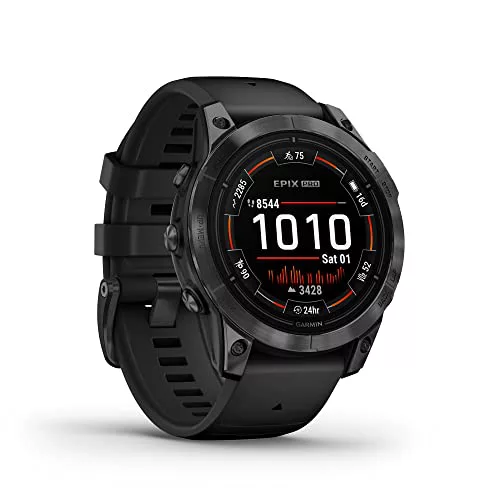
The Garmin Epix 2, particularly its Sapphire edition, has emerged as a top contender for users transitioning from more mainstream smartwatches like the Apple Watch. This shift is often driven by a desire for superior sports tracking capabilities combined with extended battery life, without sacrificing essential smart features. The Epix 2 successfully bridges this gap, offering a robust platform for serious recreational athletes and outdoor enthusiasts.
Key Features and Performance:
- Design and Interface: The Epix 2 strikes a balance between size and comfort, being substantial enough to house advanced components but not excessively heavy. Its interface combines a responsive AMOLED touchscreen with intuitive physical buttons, providing versatility for interaction in various conditions, including during workouts or when wearing gloves.
- Operating System and Ecosystem: While its operating system might appear "somewhat antiquated" compared to the slicker interfaces of Wear OS or watchOS, it is 100% functional and highly optimized for fitness tracking. The Garmin ecosystem, including the Garmin Connect app, is renowned for its depth of data analysis, customizable training plans, and community features.
- Sporting Prowess: The device excels in multi-sport tracking, offering highly accurate GPS, advanced physiological metrics (VO2 Max, training load, recovery time), and detailed mapping capabilities. Its robust build quality, often featuring sapphire glass, ensures durability in challenging environments.
- Smart Features: Despite its athletic focus, the Epix 2 integrates essential smartwatch functionalities, including smartphone notifications, music control, and Garmin Pay for contactless transactions.
- Battery Life: The Epix 2 boasts impressive battery autonomy, often lasting up to 16 days in smartwatch mode and significantly longer than many competitors even with daily GPS use, a critical advantage for extended adventures or multi-day training blocks.
The Epix 2 represents a broader family of high-performance Garmin watches, including the Fenix series (known for its ruggedness and solar charging options) and the Forerunner series (optimized for running). Garmin’s extensive catalog, while occasionally complex to navigate, offers specialized solutions for virtually every type of athlete, making it a go-to brand for performance-oriented wearables.
OPPO Watch X3: The Wear OS Innovator
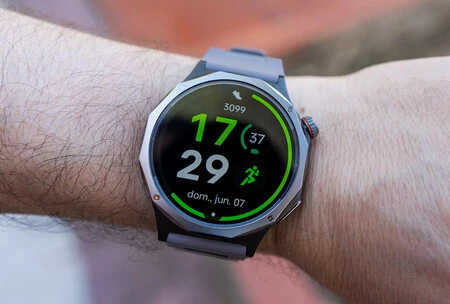
The OPPO Watch X3 has quickly garnered attention as a significant advancement within the Wear OS ecosystem, particularly for its ability to deliver an exceptional blend of smart features and extended battery life. This model challenges the long-standing perception that Wear OS devices inherently struggle with autonomy.
Key Features and Innovations:
- Design and Aesthetics: The Watch X3 features an "exquisite design," often incorporating premium materials. While it may be perceived as "somewhat large" and possess a notable weight, its aesthetic appeal and build quality are undeniable.
- Dual OS and Processor Architecture: A standout innovation is its dual operating system and processor architecture. This allows the watch to intelligently switch between a low-power mode (for basic functions and extended battery life) and a full Wear OS mode (for demanding applications), significantly enhancing efficiency. This hybrid approach enables the device to achieve an impressive "nearly six days of autonomy," a remarkable feat for a full-fledged Wear OS smartwatch.
- Comprehensive Smart Features: Running on Wear OS, the OPPO Watch X3 provides access to thousands of applications via the Google Play Store, seamless integration with Google services, including Google Wallet for contactless payments, and a robust notification system. The inclusion of Gemini (Google’s AI assistant) further enhances its smart capabilities.
- High-Quality Sports Tracking: The device offers "high-quality sports control" and "good precision in training," ensuring accurate data capture for various activities. This makes it a formidable contender for users who demand both advanced smart features and reliable fitness tracking.
- Compatibility: A crucial consideration for the OPPO Watch X3, like all Wear OS devices, is its compatibility primarily with Android smartphones. The ongoing lack of Wear OS compatibility with iOS remains a significant challenge for Google in broadening its market reach.
The OPPO Watch X3 is positioned as an ideal choice for users seeking a complete smartwatch experience that minimizes battery anxiety, particularly within the Android ecosystem. Its innovative power management and comprehensive feature set make it a strong recommendation for those prioritizing versatility and endurance.
Market Dynamics and Consumer Implications
The smartwatch market is characterized by dynamic growth and increasing sophistication, driven by continuous innovation in hardware and software. Global smartwatch shipments have consistently risen, reflecting a strong consumer appetite for these devices. The market is segmented, with Apple dominating the premium tier, while brands like Samsung, Huawei, and Garmin carve out significant shares in their respective niches. Emerging players like OPPO are also making notable inroads by addressing key consumer pain points, such as battery life in the Wear OS segment.
Technological Advancements and Trends
The industry continues to push boundaries in several areas:
- Sensor Technology: Improvements in optical heart rate sensors, SpO2 monitors, and the integration of new health metrics (e.g., skin temperature, advanced sleep analysis) are making smartwatches more powerful health companions.
- Processor Efficiency: The move towards more power-efficient chipsets and innovative architectures, such as the dual-processor design seen in the OPPO Watch X3, is crucial for extending battery life without compromising performance.
- Display Technology: Advanced AMOLED displays offer vibrant visuals and are becoming more energy-efficient, often incorporating always-on display capabilities without drastically impacting battery life.
- AI Integration: The incorporation of artificial intelligence, exemplified by Gemini in Wear OS, promises more personalized health insights, smarter assistant capabilities, and a more intuitive user experience.
Consumer Choice and Ecosystems
The choice of a smartwatch is increasingly influenced by the user’s existing technological ecosystem. Apple Watch remains the default for iPhone users, deeply integrated into the iOS environment. Conversely, Wear OS devices offer a diverse range of options for Android users, benefiting from Google’s services. Brands like Garmin operate with their own proprietary ecosystems, appealing to a user base that prioritizes specialized sports and outdoor functionality above all else. This fragmentation, while offering choice, also presents compatibility challenges, as seen with Wear OS’s current lack of iOS support.
The demand for smartwatches that balance advanced features with practical considerations like battery life and durability is reshaping product development. Consumers are no longer satisfied with basic functionality; they seek devices that can truly enhance their health, fitness, and daily routines, operating seamlessly and reliably for extended periods. The ongoing pursuit of this balance will continue to drive innovation and competition within the vibrant smartwatch market.
