

In a significant development for smartphone users worldwide, Google has officially confirmed the impending near-universal support for Apple’s AirDrop protocol across Android devices. This groundbreaking integration, initially observed on flagship models such as the Google Pixel 10 and Samsung Galaxy S26, alongside select OPPO and Vivo smartphones, is set to expand to almost all Android devices by the end of 2026. The announcement, made during Google’s recent Android Show, where the company also unveiled innovations like Gemini Intelligence and the near-final version of Android 17, signals a new era of interoperability, profoundly benefiting users across both the Android and iOS ecosystems.
The Dawn of Seamless Sharing: A New Era for Android and iOS Interoperability
For years, the digital divide between Android and iOS users has been a persistent source of frustration, particularly when it came to sharing files seamlessly. Apple’s AirDrop, a proprietary ad-hoc service, allowed swift, secure, and high-quality file transfers between Apple devices. On the Android side, Google developed Quick Share (formerly Nearby Share), its own robust solution for sharing files between Android devices and increasingly with Chromebooks and Windows PCs. However, these two dominant platforms remained largely incompatible, forcing users to rely on cumbersome third-party applications, cloud services, or even outdated physical cables to bridge the gap.
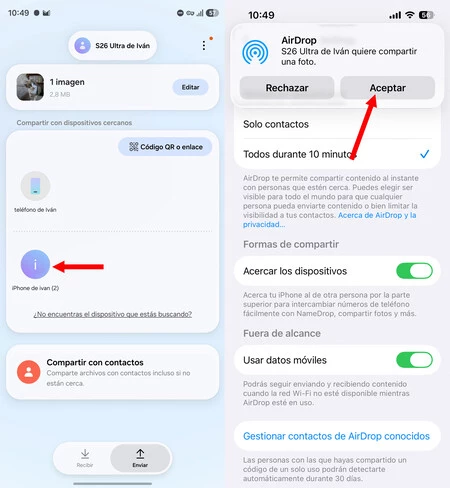
Google’s confirmation that Quick Share will now directly detect and facilitate transfers with AirDrop-enabled devices marks a pivotal moment. The process is designed for simplicity: an Android user activating Quick Share will see nearby iPhones, iPads, and Macs with AirDrop set to receive from "Everyone" appear as available recipients. Upon selection, the iOS device will prompt the user to accept the incoming transfer, much like an AirDrop transfer between two Apple devices. This direct compatibility will support a wide array of file types, including high-resolution photographs, large video files, important documents, and other heavy media, eliminating previous friction points.
The rollout of this feature, which began in a controlled manner on premium devices, is a strategic move to ensure stability and widespread adoption. The initial inclusion of devices like the Google Pixel 10, known for its advanced AI capabilities and optimized Android experience, and the Samsung Galaxy S26 series, celebrated for its compact high-end design, demonstrates the commitment to integrating this functionality across diverse Android hardware. This phased approach, culminating in near-universal availability by late 2026, aims to provide a consistent and reliable cross-platform sharing experience for the vast majority of Android users globally.
A History of Digital Divides: The Pre-Interoperability Landscape
Before this announcement, the landscape of mobile file sharing was characterized by proprietary solutions and significant ecosystem lock-in. Apple introduced AirDrop in 2011 with iOS 7 and OS X Lion, quickly establishing it as a benchmark for intuitive and efficient peer-to-peer file transfer within its walled garden. Leveraging Wi-Fi and Bluetooth, AirDrop offered a secure and fast method to share files without consuming cellular data or requiring an internet connection, a stark contrast to email attachments or messaging apps that often compressed media or were slower for large files.
Android, with its open-source philosophy, saw various attempts at similar functionality over the years, from OEM-specific solutions to Google’s own "Android Beam" (based on NFC) and later, the more comprehensive Nearby Share. Nearby Share, rebranded as Quick Share in 2024 after a collaboration with Samsung, offered a robust alternative for Android users, mirroring many of AirDrop’s capabilities within the Android ecosystem. It allowed users to share files, links, and even Wi-Fi passwords to nearby Android devices, Chromebooks, and Windows PCs, providing a much-needed native solution.
However, the chasm between these two giants persisted. A common scenario for millions of users involved families or friend groups where some members owned iPhones and others Android devices. Sharing a photo taken at an event or a video clip often devolved into a series of inefficient steps: uploading to a cloud service, sending via a compressed messaging app like WhatsApp or Telegram, or resorting to emailing files, all of which compromised quality, speed, or privacy. This lack of native, direct interoperability was not merely an inconvenience; it was a fundamental limitation that highlighted the competitive barriers deliberately erected by tech companies to maintain user loyalty within their respective ecosystems.
The Catalyst for Change: Europe’s Regulatory Hammer
The impetus for this transformative shift did not originate from a sudden change of heart by tech giants but rather from the persistent efforts of regulatory bodies, most notably the European Union. The EU has increasingly focused on curbing the market dominance of "gatekeepers" in the digital sphere through landmark legislation such as the Digital Markets Act (DMA). Enacted in 2022 and fully effective in March 2024, the DMA aims to ensure fair competition and greater interoperability in the digital sector by imposing specific obligations on large online platforms.
One of the key provisions of the DMA targeted practices that create "walled gardens" and limit user choice or seamless interaction across different platforms. Specifically, the EU mandated the "opening of wireless proximity transfer protocols" used by gatekeepers. This provision was a direct challenge to Apple’s AirDrop, a proprietary technology that had long been a significant differentiator and a subtle form of ecosystem lock-in. While not explicitly naming AirDrop, the regulation made it clear that protocols for near-field communication and file transfer needed to become accessible to competitors.
This regulatory pressure compelled Apple to explore avenues for greater interoperability. Google, recognizing the immense user benefit and aligned with its own efforts to enhance Quick Share, seized the opportunity. By adapting Quick Share to communicate with Apple’s previously closed AirDrop protocol, Google is effectively leveraging the regulatory environment to deliver a long-awaited feature. This development is a testament to the EU’s growing influence on global technology standards, demonstrating that regulation can indeed force market leaders to prioritize consumer convenience over proprietary advantage. The timeline of the DMA’s enforcement and the subsequent announcements from Google underscore the direct impact of these legislative actions.
Technical Integration and Enhanced User Experience: How It Works
The practical implementation of this cross-platform compatibility is designed to be intuitive, replicating the ease of use that users have come to expect from their respective native sharing solutions. When an Android user wishes to send a file to an iPhone, they will simply initiate a share action from their gallery, file manager, or any application. Among the sharing options, Quick Share will now include the ability to detect and connect with AirDrop-enabled Apple devices.
For an iPhone to be discoverable by an Android device using Quick Share, its AirDrop settings must be configured to receive from "Everyone." Once detected, the iPhone will appear in the Quick Share recipient list on the Android device. The Android user selects the iPhone, and a notification will then appear on the iOS device, prompting the recipient to accept the incoming file. This acceptance ensures privacy and control, preventing unwanted transfers. Upon acceptance, the transfer proceeds rapidly over Wi-Fi Direct, similar to how AirDrop operates between Apple devices, ensuring high speed and maintaining file quality without the need for an internet connection.
This streamlined process supports a comprehensive range of digital content. Whether it’s a collection of high-resolution photographs from a vacation, a 4K video recording, a detailed PDF document, or any other sizable file, the system is engineered to handle it efficiently. Furthermore, this interoperability extends beyond iPhones to other AirDrop-compatible Apple devices, including iPads and macOS computers, making it a truly universal solution for mixed-ecosystem households and workplaces. This level of seamless integration effectively dismantles one of the most significant barriers to communication between the two dominant mobile operating systems.
Beyond Direct Proximity: The QR Code Solution
In addition to the direct AirDrop compatibility, Google is further enhancing Quick Share with an innovative QR code sharing feature. This functionality addresses scenarios where direct proximity transfer might be challenging, or when sharing with devices that do not yet support the direct AirDrop protocol or Quick Share.
The QR code sharing system allows an Android user to generate a unique, single-use QR code for any file they wish to share. This code, when scanned by the camera of another device – be it another Android phone, an iPhone, or even a computer – will initiate a file transfer. The ingenious aspect of this method is its reliance on Google’s cloud infrastructure as an intermediary. Once the QR code is scanned, the file is temporarily uploaded to Google’s secure cloud, from where the recipient’s device can download it. This bypasses the need for direct Wi-Fi or Bluetooth proximity between the sender and receiver, offering greater flexibility.
The QR code feature, rolling out immediately, is particularly valuable for situations involving older devices, or when privacy settings on the recipient’s device prevent direct discovery. It also offers a robust alternative for sharing files with non-mobile devices or in environments where network configurations might complicate peer-to-peer connections. This dual approach – direct AirDrop compatibility for modern devices and QR code sharing for broader versatility – ensures that Quick Share becomes an exceptionally comprehensive file-sharing utility for the Android ecosystem.
Implications for the Mobile Ecosystem: Breaking Down Walled Gardens
The universalization of AirDrop support on Android devices carries profound implications for consumers, the mobile industry, and the future of digital regulation.
Consumer Benefits
For the end-user, the primary benefit is unparalleled convenience. The era of "WhatsApping" photos to an iPhone contact only to receive a compressed, lower-quality version will finally end. Users will no longer need to resort to cumbersome workarounds, third-party apps, or cloud storage solutions merely to transfer files between their personal Android phone and a family member’s iPhone. This directly enhances the user experience, reduces digital friction, and makes mixed-ecosystem households significantly easier to manage. It simplifies daily interactions, making technology work more harmoniously across different brands and platforms.
Industry Impact and Market Dynamics
From an industry perspective, this move signals a further erosion of the "walled garden" strategy that has long characterized the mobile market. Apple’s AirDrop was a powerful ecosystem differentiator, encouraging users to stay within the Apple family for seamless experiences. By opening up this protocol, Google and the EU are effectively leveling a portion of the playing field. This might reduce one of the subtle pressures for users to choose one ecosystem over another based solely on sharing capabilities.
This development could also impact third-party app developers who specialized in cross-platform file transfer. While some may adapt, the native integration of AirDrop compatibility could render many of these niche solutions redundant, potentially shifting development focus towards other areas of innovation.

Furthermore, this move strengthens Quick Share’s position as a truly universal sharing solution, not just for Android devices but for broader interoperability with other operating systems. It positions Google as a champion of open standards (even if compelled) and interoperability, which could resonate positively with consumers and developers alike.
The Broader Role of Regulation: A Precedent for Future Interoperability
This saga serves as a powerful testament to the influence of regulatory bodies in shaping the technology landscape. The European Union’s Digital Markets Act, though sometimes criticized for its broad scope or potential for unintended consequences (as seen with some AI regulations), has undeniably achieved a significant victory for consumer choice and interoperability in this instance. It demonstrates that when market forces fail to address consumer pain points due to strategic proprietary advantages, regulation can step in to foster a more open and user-centric digital environment.
This success could set a precedent for future regulatory actions aimed at breaking down other forms of digital lock-in, such as messaging app interoperability or app store monopolies. It reinforces the idea that essential digital services, particularly those that facilitate fundamental user interactions, should adhere to certain open standards to prevent market abuse and ensure fair access. For users navigating an increasingly complex digital world, such interventions can lead to a more cohesive and less fragmented technological experience.
Conclusion
The announcement of near-universal AirDrop support for Android devices represents a landmark achievement in mobile interoperability. What began as a fragmented landscape, characterized by proprietary solutions and user frustrations, has been transformed through a combination of regulatory pressure and strategic technological adaptation. By 2026, the seamless transfer of photos, videos, and documents between an Android phone and an iPhone will be as simple as selecting a device and confirming the transfer, a convenience that users have desired for over a decade.
This development is a clear victory for consumers, offering enhanced convenience and breaking down artificial barriers between ecosystems. It underscores the profound impact that well-targeted regulation, like the EU’s Digital Markets Act, can have in pushing technology giants towards greater openness and user-centric design. As the mobile world continues to evolve, this move towards universal compatibility sets a powerful precedent for a future where technology works more harmoniously, regardless of the brand or operating system.
