

A History of Strategic Uncertainty
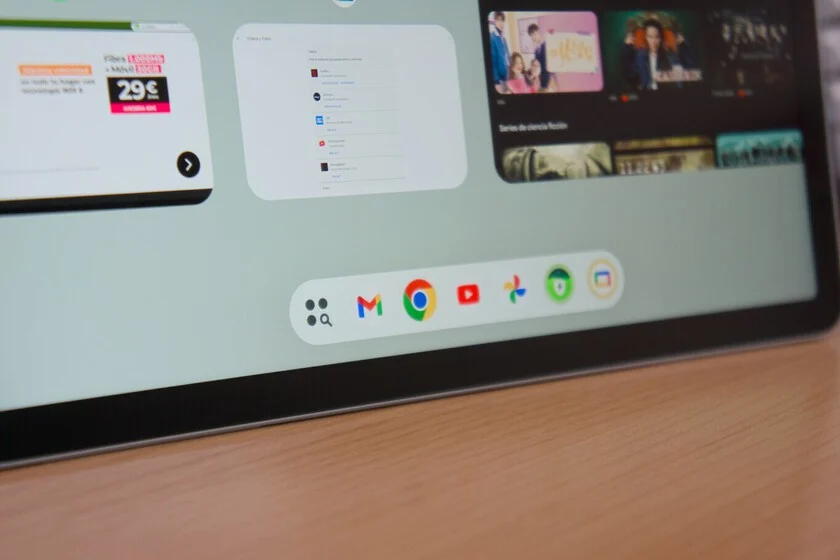
The trajectory of Google’s tablet ambitions has been characterized by a lack of long-term commitment. Unlike its smartphone division, which has seen continuous evolution through the Pixel series, the tablet segment has suffered from what industry analysts describe as "product fragmentation."
The timeline of Google’s tablet journey is a map of pivots. In 2011, Google introduced Android 3.0 Honeycomb, an operating system designed specifically for tablets, which was quickly abandoned. Subsequent attempts, such as the Pixel C (2015) and the Pixel Slate (2018), struggled to find a market niche. The Pixel C attempted to bridge the gap between a laptop and a tablet but was hampered by a mobile-first operating system. The Pixel Slate, which ran ChromeOS, faced similar criticism for being an awkward hybrid that failed to satisfy either tablet enthusiasts or laptop users.
In 2022, there was a renewed sense of optimism. Google announced a dedicated tablet division and launched Android 12L, an iteration of the OS specifically optimized for large-screen devices, including foldable phones and tablets. The goal was to provide a standardized interface that would finally encourage developers to create tablet-optimized applications. However, the release of the Pixel Tablet in 2023 arrived late to the market and with specifications that were widely considered mid-range, positioning it more as a smart-home hub with a docking station than a high-performance productivity tool.
The Ecosystem Gap and Developer Inertia
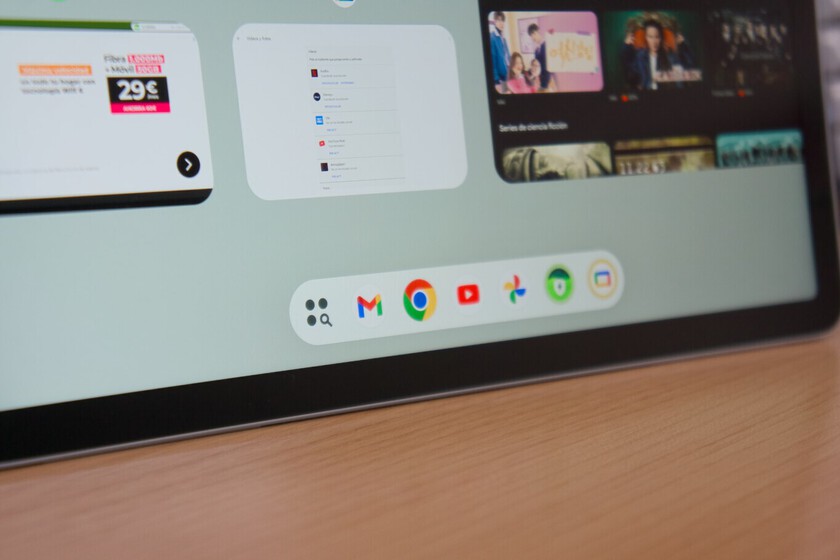
The core issue hindering Google’s success in the tablet market has been a persistent software deficiency. Despite the introduction of features like the Material You design language, a refined taskbar, and improved multitasking gestures, the platform has struggled with "app stretching."
In the iOS ecosystem, developers have long been incentivized to create tablet-specific layouts because the iPad represents a massive, unified market segment. Conversely, Android developers have faced a fragmented market where thousands of different screen sizes, aspect ratios, and hardware configurations make optimization costly and inefficient. Without a significant market share, Google could not provide the necessary pressure or financial incentive for developers to prioritize large-screen interfaces. Consequently, most Android tablets remained essentially large-screen versions of mobile phones, failing to leverage the increased real estate for productivity or professional creative workflows.
The Competitive Landscape: The Rise of the Foldable
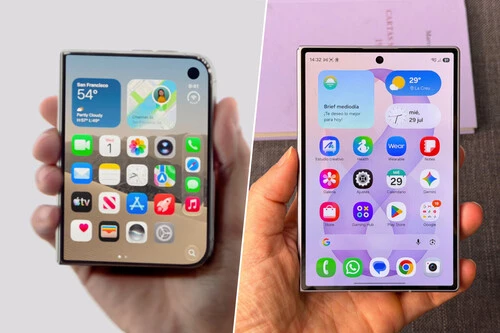
The market dynamics for tablets have shifted significantly over the past five years. The rise of foldable devices has effectively "cannibalized" the middle ground that tablets once occupied. With the emergence of the "passport" form factor—foldable phones that unfold into a tablet-like screen—many users have found that they no longer need a dedicated secondary device for content consumption, light productivity, or reading.
Industry data from late 2025 and early 2026 indicates that while the tablet market saw a post-pandemic recovery, it has since entered a period of stagnation. Consumers are increasingly opting for devices that offer greater portability. The impending release of products like the rumored iPhone Duo highlights the industry’s pivot toward these hybrid formats. When a smartphone can handle reading, multimedia consumption, and basic multitasking, the justification for purchasing an additional, non-folding tablet diminishes, unless the tablet offers a professional-grade experience that a phone simply cannot provide.
The iPad Dilemma and the Limits of iPadOS
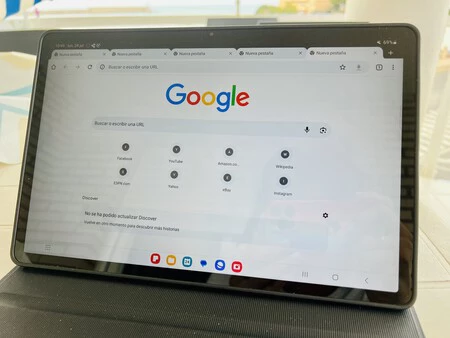
Even the market leader, Apple, faces its own challenges. The iPad Pro series has evolved into a powerhouse of hardware, often exceeding the capabilities of entry-level laptops in terms of processing power (with the inclusion of M-series chips). However, it remains trapped by the limitations of iPadOS. Critics have long argued that the iPad Pro occupies a "limbo" state; it is too expensive for casual users who only need a device for streaming, yet it remains hindered by software constraints that prevent it from replacing a true desktop OS like macOS.
This creates a paradox: Google has struggled to make Android work on tablets, while Apple has struggled to make the tablet work as a laptop replacement. For Google, the realization that even the most powerful tablet hardware in the world faces software limitations may have been the final factor in the decision to pull the plug on the Pixel Tablet line.
Future Directions: Aluminum OS and the Googlebook
If the standalone tablet is being relegated to the past, where does that leave Google’s large-screen strategy? Current industry reports suggest a pivot toward the convergence of Android and ChromeOS, often referred to in developer circles as "Aluminum OS." This project aims to create a unified ecosystem that brings the window management, file systems, and peripheral support of a desktop environment to mobile-first hardware.
The logical conclusion for Google’s hardware division is a shift toward ARM-based laptops and convertibles. By focusing on "Googlebook" style devices—convertibles with keyboards that allow for a seamless transition between a tablet-like touch experience and a traditional productivity workflow—Google can leverage its strengths in cloud computing and browser-based software. This strategy acknowledges that the market does not need another tablet; it needs a device that can truly bridge the gap between the mobility of a phone and the utility of a workstation.
Economic and Market Implications
The cancellation of the Pixel Tablet line will have immediate impacts on the Android hardware ecosystem. Third-party manufacturers like Samsung and Xiaomi, who continue to support the Android tablet market with high-end hardware, may find themselves with even less support from Google at the OS level.
From a financial perspective, Google’s withdrawal suggests a move toward fiscal discipline. By focusing its hardware resources on its core business—Pixel smartphones, wearables, and potentially new convertible laptop formats—the company is cutting the "fat" from its product portfolio. In the short term, this will likely lead to a contraction of the premium Android tablet market, as consumer confidence in the longevity of these devices is already low.
Conclusion: A Lesson in Platform Strategy
The trajectory of the Pixel Tablet serves as a case study in the importance of software-hardware synergy. Google proved that it could build competent hardware, but it could not build a lasting foundation for that hardware to thrive. For a company that excels in software, the inability to define a unique value proposition for the tablet form factor is a notable failure.
As the industry moves toward a future dominated by foldables and high-performance convertibles, the traditional tablet format faces an existential crisis. For now, Google has opted to exit this stage, leaving the market to competitors who are either more specialized or more deeply entrenched. Whether this is a temporary retreat or a permanent departure from the tablet space remains to be seen, but the message to the market is clear: the era of the Google-branded standalone tablet has come to an end, and the future of the large-screen experience, according to Mountain View, lies elsewhere.
