
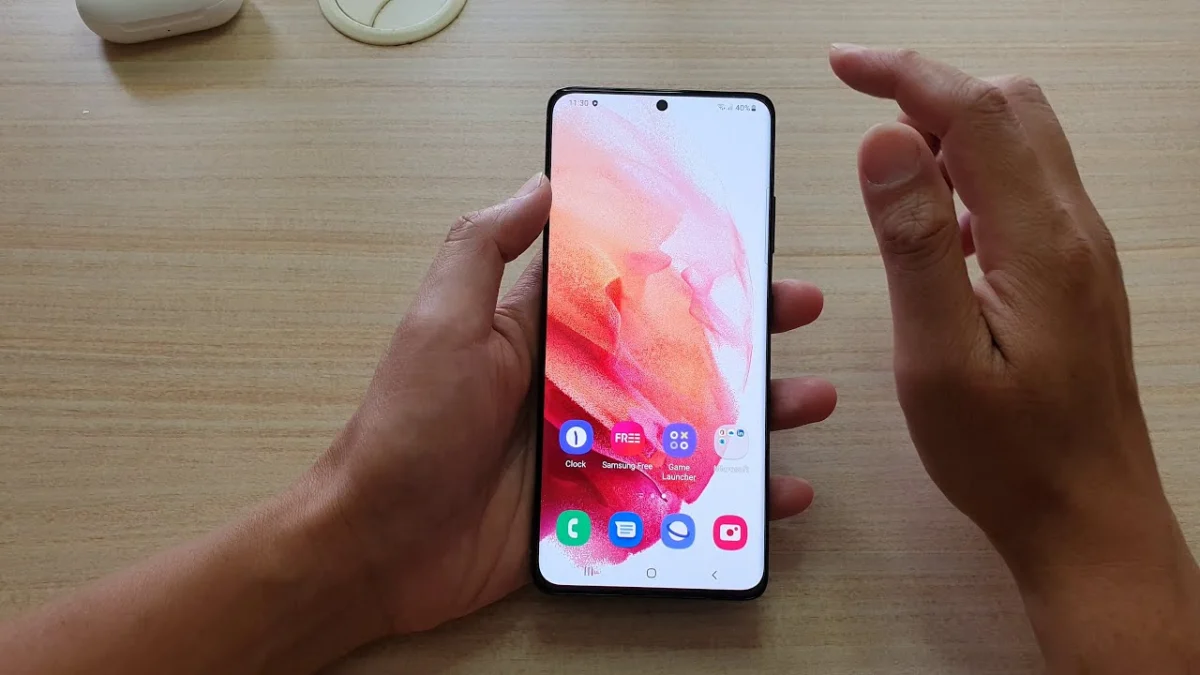

The landscape of mobile connectivity is undergoing a fundamental transformation as physical components give way to digital solutions, a shift headlined by the rapid adoption of Embedded SIM (eSIM) technology. Samsung Electronics, a global leader in mobile innovation, has been at the forefront of this transition, integrating eSIM capabilities across its flagship and mid-range portfolios. Unlike the traditional plastic Subscriber Identity Module (SIM) cards that have been a staple of mobile telephony since the 1990s, an eSIM is a small, non-removable chip soldered directly onto the device’s motherboard. This evolution is not merely a change in form factor; it represents a significant leap in how consumers manage their cellular subscriptions, how manufacturers design hardware, and how telecommunications carriers interact with their subscribers.
The Technical Foundation of eSIM Technology
To understand the impact on Samsung devices, one must first grasp the underlying architecture of the eSIM, technically known as the eUICC (Embedded Universal Integrated Circuit Card). While a traditional SIM card stores carrier-specific data on a removable piece of plastic, the eUICC is a rewritable module that can store multiple carrier profiles simultaneously. This allows users to switch between networks or activate new plans without the physical exchange of hardware.
On a Samsung Galaxy device, the eSIM works in tandem with the device’s modem and software layer to facilitate Remote SIM Provisioning (RSP). This process involves the secure downloading of a carrier’s credentials over an internet connection—typically via a QR code or an activation app. Once the profile is downloaded, the device’s operating system treats it with the same priority and security protocols as a physical SIM, enabling voice, SMS, and data services.
A Chronology of Samsung’s eSIM Adoption
Samsung’s journey with eSIM technology began earlier than many consumers realize, initially appearing in the wearable sector before migrating to smartphones.
- 2016: The Pioneer Phase: Samsung introduced the Gear S2 Classic 3G, the first device in the world to feature a GSMA-compliant eSIM. This allowed the smartwatch to maintain cellular connectivity independently of a smartphone.
- 2020: The Smartphone Breakthrough: With the launch of the Galaxy S20 series, Samsung brought eSIM functionality to its flagship smartphone lineup. This move signaled the beginning of the "Dual SIM" era for many markets, where users could utilize one physical SIM slot and one digital eSIM.
- 2021–2022: Standardization and Expansion: The Galaxy S21 and S22 series further refined the interface, making it easier for users to manage "SIM Manager" settings. During this period, Samsung also extended eSIM support to its foldable devices, the Galaxy Z Fold and Z Flip series, where internal space is at a premium.
- 2023–2024: The Mid-Range Integration: In a significant move to democratize the technology, Samsung began including eSIM support in its Galaxy A-series (such as the A54 and A55) in various regions, moving the feature beyond the high-end enthusiast market into the hands of general consumers.
Market Data and Industry Implications
The shift toward eSIM is backed by compelling industry data. According to a report by the GSMA (Global System for Mobile Communications Association), the number of eSIM-capable devices is expected to reach 3.4 billion by 2030. Samsung’s role in this growth is pivotal, as it holds approximately 20% of the global smartphone market share.
The implications for hardware design are profound. By moving toward an eSIM-dominant architecture, manufacturers like Samsung can reclaim internal space previously occupied by the SIM tray and its associated mechanical components. This "reclaimed" space, though small, is invaluable in modern smartphone engineering, potentially allowing for slightly larger batteries, improved haptic engines, or enhanced thermal management systems. Furthermore, the removal of the physical SIM slot improves the structural integrity and water resistance of the device by eliminating a common point of entry for moisture and dust.
Comparative Analysis: eSIM vs. Physical SIM
The transition to eSIM offers several distinct advantages over the legacy physical format, though it is not without its challenges.
Security and Theft Deterrence:
From a security perspective, an eSIM is inherently more secure. If a Samsung Galaxy device is stolen, a thief cannot simply remove the SIM card to prevent the phone from being tracked via "Find My Mobile" services. Because the eSIM is embedded, the device remains connected to the network until it is wiped or the profile is remotely deactivated by the owner, significantly increasing the chances of recovery.
The Travel Revolution:
For international travelers, the eSIM has disrupted the traditional roaming market. Previously, travelers had to locate a local kiosk, provide identification, and physically swap cards—a process prone to losing the original tiny SIM. Samsung users can now purchase "Travel eSIMs" from providers like Airalo or Holafly before they even board their flight, activating a local data plan the moment they land.
Multi-Carrier Flexibility:
Samsung devices with eSIM support can typically store up to five or more virtual profiles, though only one or two (depending on the model’s Dual SIM Standby capabilities) can be active at a time. This allows users to maintain a personal line, a business line, and a temporary travel line on a single device without carrying multiple handsets.
Official Responses and Carrier Dynamics
The adoption of eSIM on Samsung devices has met with varying degrees of enthusiasm from telecommunications carriers. Major North American and European carriers—such as T-Mobile, AT&T, Vodafone, and Orange—have fully embraced the technology, viewing it as a way to reduce the overhead costs associated with manufacturing and shipping millions of plastic SIM cards.
However, industry analysts note that some carriers were initially hesitant. The ease of switching carriers via eSIM lowers the "barrier to exit" for consumers, potentially increasing churn rates. In response, many carriers have implemented digital-first onboarding processes. For example, Samsung has collaborated with carriers to allow "eSIM Quick Transfer" in certain regions, enabling users to move their digital SIM from an old Galaxy device to a new one during the initial setup process, mirroring the ease of physical SIM swapping.
Step-by-Step Implementation on Samsung Galaxy Devices
For consumers looking to utilize this technology, Samsung has streamlined the activation process within its One UI software. The standard procedure involves:
- Verification: Ensuring the device is carrier-unlocked and supports eSIM (typically found under Settings > About Phone > Status Information).
- Activation: Navigating to Settings > Connections > SIM Manager.
- Profile Addition: Selecting "Add eSIM." Users can then choose to scan a QR code provided by their carrier or search for an existing plan associated with their account.
- Configuration: Once the profile is downloaded, the user can label the SIM (e.g., "Work" or "Travel") and choose which SIM to use for data, calls, and messages.
Challenges and Limitations
Despite the advantages, the transition period presents hurdles. One primary limitation is carrier support in developing markets. While flagship Samsung phones have the hardware, some regional carriers have yet to upgrade their backend infrastructure to support eSIM provisioning.
Additionally, the "transferability" of an eSIM can be more complex than a physical card. If a user’s Samsung phone suffers a catastrophic screen failure, they cannot simply "pop out" the SIM to use in a backup phone. They must contact their carrier or use a web portal to deactivate the old profile and issue a new one for the replacement device.
Future Outlook: From eSIM to iSIM
As Samsung continues to refine its mobile ecosystem, the industry is already looking toward the next iteration: the iSIM (Integrated SIM). Unlike the eSIM, which is a separate chip on the motherboard, the iSIM is integrated directly into the device’s processor (SoC). This further reduces space requirements and power consumption.
Samsung’s continued investment in eSIM technology is a clear indicator of a "digital-first" future. By eliminating the mechanical constraints of the physical SIM card, Samsung is not only simplifying the user experience but also paving the way for a more connected, flexible, and secure mobile environment. As 5G networks become the global standard, the agility provided by eSIM technology will be essential in managing the billions of connections that define the modern digital age.
In conclusion, the integration of eSIM on Samsung devices is more than a technical convenience; it is a strategic realignment of the mobile industry. It shifts power toward the consumer, offering unprecedented freedom to choose and change service providers, while simultaneously allowing manufacturers to push the boundaries of hardware design. As the technology matures and carrier support becomes universal, the plastic SIM card will likely become a relic of the past, replaced by the invisible, versatile, and secure architecture of the eSIM.
