
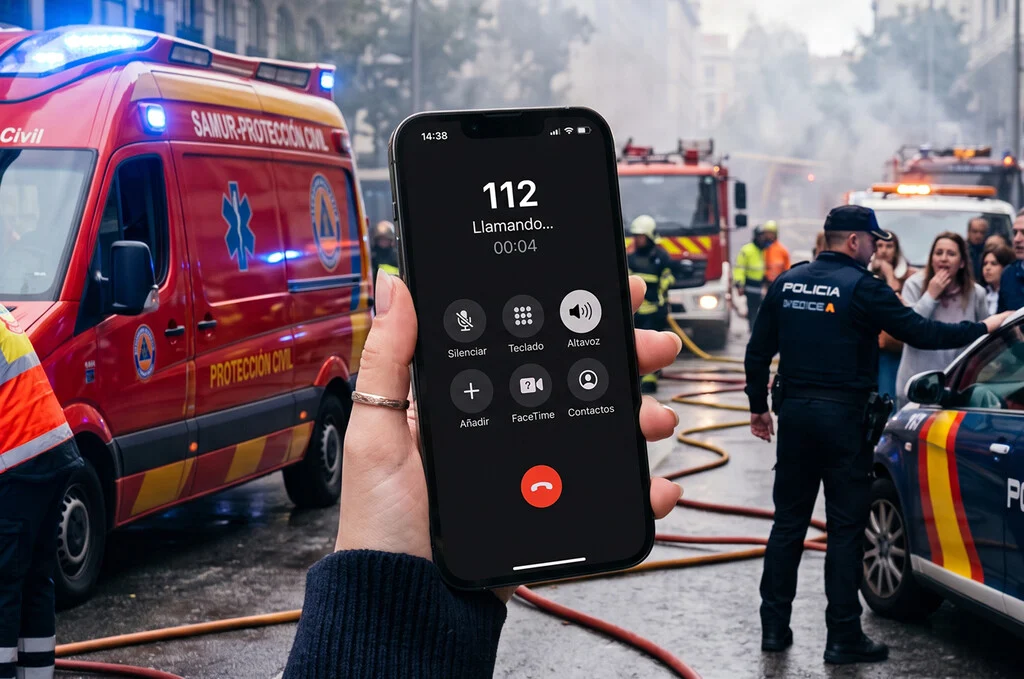

Modern smartphones have evolved from simple communication tools into sophisticated survival instruments, yet a significant portion of the global population remains unaware of the critical safety protocols embedded within their devices. While most users are familiar with the basic functions of their handsets, the emergency infrastructure—specifically the "Emergency SOS" feature—remains underutilized, often because it is disabled by default. Miguel Assal, a prominent expert in emergency response and first aid, has recently brought renewed attention to this life-saving functionality, emphasizing that a simple sequence of button presses can be the difference between life and death in a crisis.
The Mechanism of Rapid Response
At the core of mobile emergency technology is a standardized protocol that bypasses the traditional unlocking of a device. Whether utilizing an iPhone or an Android-based smartphone, the operating systems are designed to initiate contact with local emergency services, such as the 112 system in Europe or 911 in North America, through a shortcut triggered by rapid physical input.
For many, the intuition in an emergency is to unlock the phone and dial a number. However, in high-stress scenarios—such as a medical emergency, a physical assault, or an accident—manual dialing is prone to human error. Physical tremors, loss of fine motor skills, or the inability to see the screen clearly can render standard calling methods ineffective. The "Emergency SOS" feature mitigates these risks by requiring only five quick presses of the power or side button. Once activated, the phone initiates a countdown, often accompanied by an audible alarm, before automatically placing the call to the emergency dispatcher.
Chronology and Evolution of Mobile Safety
The integration of emergency features into mobile operating systems has been a multi-year effort by telecommunications regulators and technology manufacturers. In the early 2000s, the primary concern for emergency services was the "dead zone" problem—areas where standard mobile reception was nonexistent. However, even in areas without a specific carrier’s signal, phones are hard-coded to prioritize emergency calls over any other network signal.
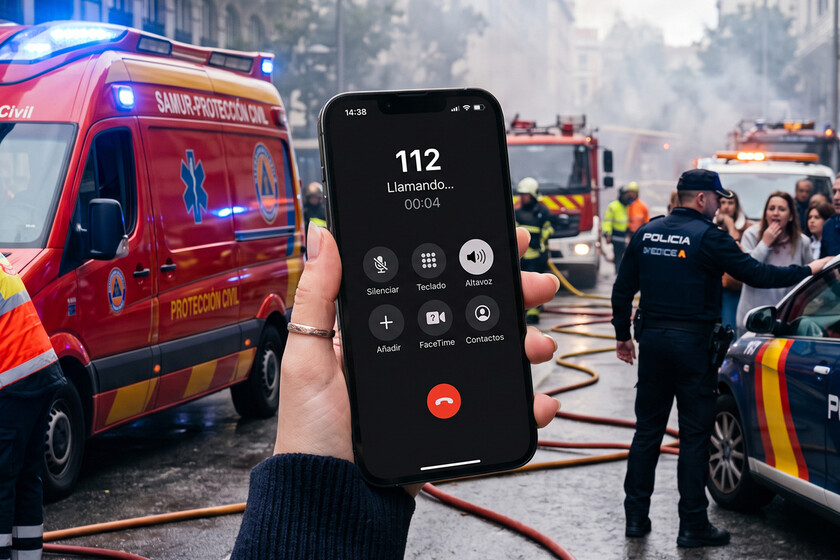
In the last decade, the focus shifted from mere connectivity to precise localization. Studies conducted by the European Emergency Number Association (EENA) have shown that location accuracy is one of the most significant challenges for emergency responders. When a user calls 112 manually, the dispatcher may receive only general cell tower data, which can cover a radius of several kilometers. Conversely, when the "Emergency SOS" shortcut is utilized, the device is programmed to transmit high-precision GPS coordinates directly to the Public Safety Answering Point (PSAP). This shift from "network-based" to "handset-based" location technology has drastically reduced response times in remote or urban environments.
Technical Implementation and Configuration
The activation of these features varies slightly between the two dominant operating systems, but the objective remains consistent across the board.
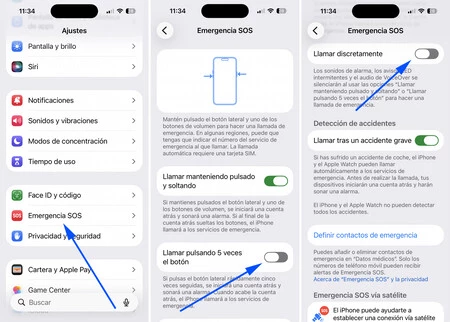
On Apple’s iOS, users navigate to ‘Settings’ and then ‘Emergency SOS.’ Here, the "Call with 5 Presses" option can be toggled on. Apple has also introduced a "Call Quietly" feature, which allows the phone to contact authorities without the audible alarm, a critical addition for scenarios involving domestic violence or kidnapping where maintaining silence is paramount.
On Android devices, the path is generally found under ‘Settings’ > ‘Safety & Emergency’ > ‘Emergency SOS.’ Android’s implementation often includes a "demo mode," which allows users to practice the sequence without actually triggering a real emergency call. This feature is particularly recommended for parents teaching their children how to use their phones in the event of an abduction attempt or a medical crisis involving a family member.
Supporting Data and Statistical Relevance
The efficacy of these digital safety measures is backed by data regarding incident resolution. According to recent reports from emergency dispatch centers, calls originated through automated emergency systems are statistically more likely to include accurate location data compared to manual calls. In many jurisdictions, the transition to Advanced Mobile Location (AML) technology has allowed emergency services to locate callers within a 5- to 50-meter radius.

Furthermore, the integration of "Medical ID" or "Emergency Information" profiles—which can be accessed from the lock screen—complements the SOS function. When paramedics arrive at a scene, having access to an individual’s blood type, allergies, and pre-existing medical conditions (such as diabetes or heart conditions) can prevent fatal errors in emergency care. Data from the American Heart Association suggests that the "golden hour"—the first sixty minutes following a trauma—is the most critical window for survival, and the speed at which medical data is shared is a primary factor in the survival rate.
Official Responses and Industry Standards
Telecom regulators globally have pushed for greater standardization in how handsets interact with emergency networks. In the European Union, the "European Electronic Communications Code" mandates that all smartphones sold in member states must support advanced location services. Similarly, in the United States, the Federal Communications Commission (FCC) has consistently updated its requirements for wireless carriers to ensure that location accuracy is not just a feature, but a baseline requirement for all mobile devices.
Public safety organizations, including the Spanish National Police and various global emergency response agencies, have issued public advisories encouraging citizens to spend five minutes configuring these settings. The consensus among these agencies is that the "passive" nature of these safety features—where they sit dormant until needed—often leads to a false sense of security. By the time an emergency occurs, it is too late to learn the interface.
Broader Impact and Implications
The digitization of emergency response represents a paradigm shift in public safety. No longer is the individual solely reliant on their immediate physical environment for assistance; they are tethered to a global network of first responders through a device they carry every day.
However, the implications go beyond just the technology. There is a significant social responsibility to educate the public. Educators, parents, and community leaders play a crucial role in ensuring that these features are not just known, but understood. The simplicity of the "five-press" system is designed to be universal, overcoming language barriers and cognitive impairment under stress.
Moreover, the ethical considerations of data privacy are being balanced against the imperative of life-saving. In the event of an emergency, the "Emergency SOS" feature temporarily overrides standard privacy settings to transmit location and medical data. This is widely accepted as a necessary trade-off, but it underscores the importance of users maintaining accurate and up-to-date information in their emergency profiles.
Concluding Recommendations
To ensure maximum preparedness, experts suggest a three-step approach:
- Configure the SOS shortcut: Enable the 5-press trigger on all personal and family devices.
- Update Emergency Data: Populate the ‘Medical ID’ or ‘Emergency Info’ fields with current, relevant data, including emergency contacts.
- Practice the sequence: Conduct a controlled test of the system (using the demo mode on Android, or familiarizing oneself with the countdown on iOS) so that the action becomes muscle memory.
While the probability of needing to initiate an emergency call is statistically low for any individual, the consequences of failing to do so when the situation arises are profound. By treating the smartphone as a piece of safety equipment rather than just a communication device, users can contribute to a more resilient and responsive emergency infrastructure. As technology continues to integrate further into the fabric of daily life, the bridge between human crisis and technical resolution will become increasingly digital, making the mastery of these simple, life-saving shortcuts an essential component of modern citizenship.
