
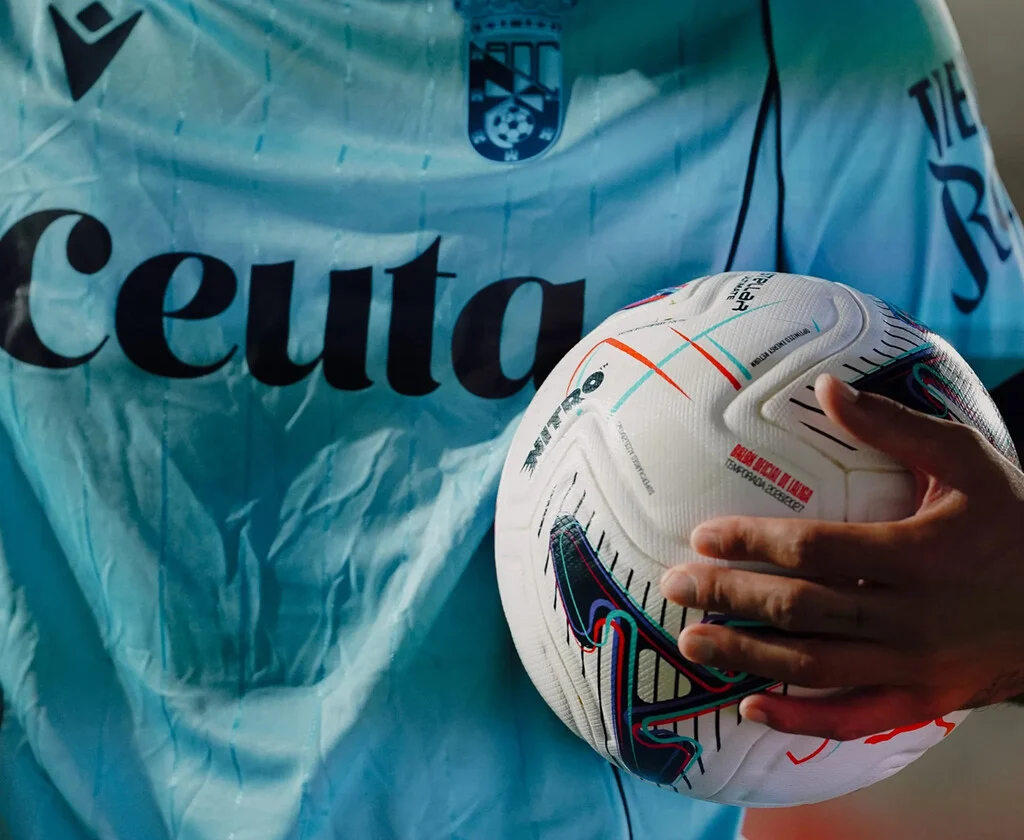

The 2025/2026 football season is now in full swing, and as in previous years, the broadcasting landscape for Spanish football remains bifurcated. While the top-tier competition, LaLiga EA Sports, and the UEFA Champions League remain confined to premium convergent packages from major telecommunications providers like Movistar and Orange, the second division, known as LaLiga Hypermotion, presents a vastly different and highly fragmented ecosystem. Unlike the exclusivity models seen in top-flight football, the "silver category" of Spanish football has adopted a decentralized distribution strategy, allowing for record-breaking audience engagement through a diverse array of platforms.
A Shift in Broadcasting Strategy: From Exclusivity to Open Access
The roots of the current broadcasting model for the second division trace back to the 2022/2023 season. Following a period where LaLiga struggled to find a single broadcaster willing to pay a premium for exclusive rights to the second division, the governing body opted for a democratization of content. By moving away from the restrictive model applied to the first division, LaLiga invited a multitude of operators and streaming platforms to bid for non-exclusive rights.
This strategic pivot was driven by the realization that exclusivity in the second division was not providing the return on investment that broadcasters sought, while simultaneously limiting fan access. By lowering the entry barrier and allowing smaller operators to offer the content as an add-on, the league effectively widened its reach. The data validates this approach: during the previous campaign, over 25 different platforms and operators carried the matches, resulting in historic viewership figures that underscored the popularity of the division. This trend has continued into the 2025/2026 season, with Movistar Plus reporting a 15% increase in average audience per match during the inaugural weekend compared to the same period in the prior year.
The Current Broadcasting Landscape: Where to Watch
The fragmentation of rights means that viewers have more autonomy than ever before to choose the service that best fits their budget and existing connectivity. The availability is categorized into major operators, low-cost telecommunications companies, and specialized streaming services.
Premium Operators and OTT Solutions
Movistar and Orange, the two dominant players in the Spanish market, continue to offer comprehensive access. Movistar Plus has positioned its "Plan Libre Deportes, Cine y Series" as a flexible option for non-subscribers, priced at 9.99 euros per month, granting full access to every fixture of LaLiga Hypermotion. Similarly, Orange TV provides an OTT service that includes a selection of matches for 7.99 euros per month, catering to those who prefer a non-binding, month-to-month arrangement.
The Role of Low-Cost Providers
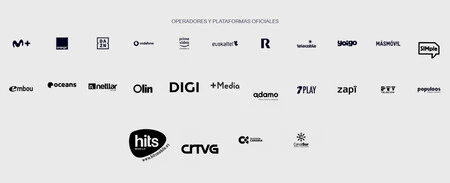
The most significant disruption to the market has come from the "low-cost" telecommunications segment. Providers such as Digi, Lowi, and Finetwork have capitalized on the non-exclusive nature of the rights to offer highly competitive add-ons.
- Digi: Through its "Pack Deportes" available on Digi TV, customers can access the full roster of LaLiga Hypermotion for a nominal fee of 3 euros per month.
- Lowi: Perhaps the most aggressive entrant in this space, Lowi offers the entire division via its "Lowi TV" platform for just 1 euro per month, a price point that has effectively changed the consumer expectation for sports content accessibility.
- Vodafone: The operator offers tiered access, allowing customers to add the "Deportes" package for 6 euros per month or integrate specialized sports plans from partners like DAZN, starting from 14.99 euros.
Regional Operators and Aggregators
The ecosystem also extends to regional entities such as Euskaltel, R, and Telecable, as well as operators utilizing the "+Media" platform, including Adamo and 7Play. These providers have bundled the second division into their "Total TV" packages, ensuring that even in regions with smaller populations, local fans have seamless access to their teams.
Free-to-Air Broadcasting and the TDT Factor
While the first division is almost entirely behind a paywall, the second division retains a vital presence on the Digital Terrestrial Television (TDT) network. This is largely managed through regional public broadcasters. Networks such as Canal Sur (Andalusia), Televisión Canaria (Canary Islands), TV3 (Catalonia), and TVG (Galicia) play a crucial role in broadcasting the matches of their respective regional representatives. This ensures that the local identity of the league—which is often deeply tied to the community—remains visible to the general public. Additionally, the online portal of Gol TV continues to offer select matches for free, serving as an important digital gateway for casual viewers who do not wish to subscribe to a paid service.

Implications of the Decentralized Model
The implications of this decentralized model are twofold. From a commercial perspective, the league has managed to sustain revenue streams by aggregating small, per-subscriber fees from a large number of platforms, rather than relying on a single, high-value contract. This has effectively "future-proofed" the second division against the volatility of the broadcasting market.
From the perspective of the fan, the current landscape represents a notable shift in the power dynamic. Consumers are no longer forced to subscribe to expensive, bundled triple-play packages to watch their local team. Instead, the market has moved toward a "à la carte" approach, where the content is decoupled from the internet or mobile service provider.
Industry analysts point out that this model has created a "virtuous cycle." Increased accessibility leads to higher viewership, which in turn increases the brand value of the clubs involved. As clubs in the second division see their matches broadcast to a wider audience, their ability to attract sponsors and maintain engagement with their local fanbases is bolstered. Furthermore, the competition between low-cost providers to offer the most affordable sports package keeps prices grounded, preventing the inflationary trends often observed in top-tier sports rights.

Chronology of the Modern Broadcasting Era
- 2022: LaLiga shifts strategy after failing to secure a single, exclusive high-value buyer for the second division rights. The "open access" model is introduced.
- 2023: Initial results show a significant uptick in viewership as over 20 platforms adopt the content.
- 2024: The model is solidified, with operators like Lowi and Digi entering the market, driving prices down to record lows.
- 2025: The 2025/2026 season begins with a 15% increase in engagement, signaling that the decentralized approach has successfully matured and integrated into the habits of the Spanish consumer.
Conclusion
The 2025/2026 season of LaLiga Hypermotion stands as a case study in market adaptation. By prioritizing reach over exclusive, high-cost acquisition, the governing bodies and telecommunications partners have fostered an environment where the second division of Spanish football is more accessible than its more prestigious, but more restrictive, counterpart. For the consumer, the takeaway is clear: the era of being forced into expensive, long-term contracts to watch lower-division football is over. With options ranging from 1 euro per month to free-to-air regional broadcasts, the "silver category" has successfully positioned itself as the most fan-friendly competition in the European football hierarchy. As the season progresses, it remains to be seen whether this model will influence future negotiations for other sports properties, but for now, the data confirms that the current strategy is not only functional but highly effective in capturing a broader, more diverse audience.
