
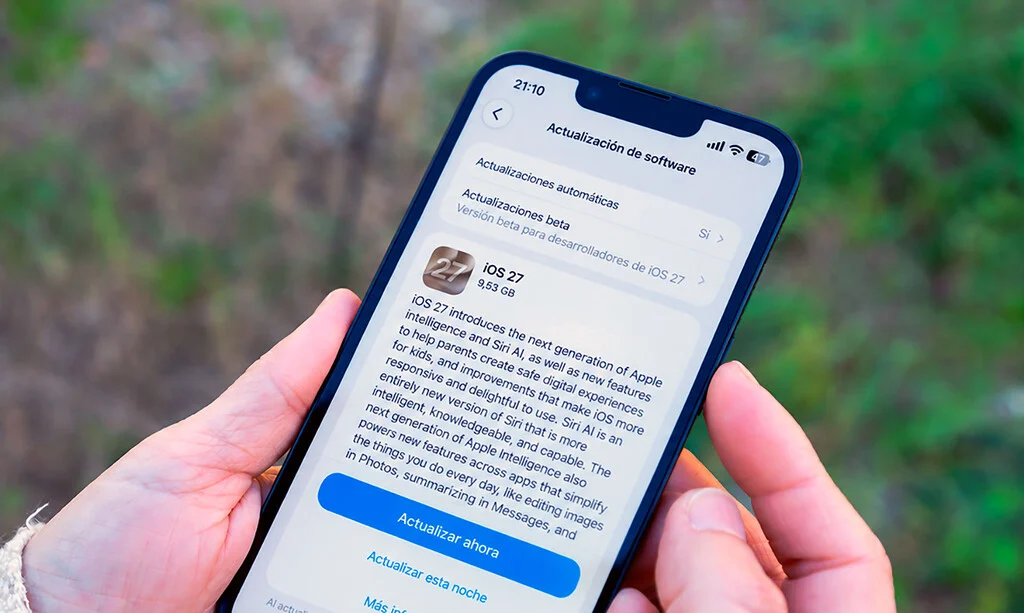

The arrival of iOS 27 marks a significant milestone in Apple’s software roadmap, transitioning from the experimental developer previews introduced during the Worldwide Developers Conference (WWDC) to a global public release. Following the recent debut of the iPhone 18 Pro series and the highly anticipated foldable iPhone Duo, the release of iOS 27 represents the software cornerstone of Apple’s current hardware ecosystem. While this iteration promises substantial performance enhancements and interface refinements, it also highlights the growing regulatory and technical divide between the United States and the European market, particularly regarding the integration of generative artificial intelligence features.
A Chronology of the iOS 27 Development Cycle
The path to today’s public launch began several months ago at WWDC, where Apple executives first teased the architectural changes inherent in iOS 27. The development cycle followed a rigorous testing phase, beginning with the Developer Beta 1, which allowed early adopters to stress-test the new kernel and UI elements. Throughout the summer, Apple issued a series of iterative updates, moving from the Developer Beta phase to the Public Beta, aimed at refining stability and addressing memory management issues that typically plague early builds.
By late August, the release candidates (RC) were distributed to testers, signaling that the software was feature-complete and entering the final stabilization phase. This timeline adheres to Apple’s traditional annual cycle, which consistently prioritizes a September launch to coincide with the widespread adoption of the latest iPhone hardware.
Hardware Compatibility and Lifecycle Support
One of the most critical aspects of any major iOS update is its reach across the existing hardware base. Apple has confirmed that iOS 27 supports a wide range of devices, stretching back to models released several years ago. This commitment to long-term software support remains a primary competitive advantage for the company.
The list of compatible devices includes the entire iPhone 18 series, the iPhone 17 lineup, the iPhone 16 generation, and the iPhone 15 series. Furthermore, the company has extended support to older hardware, ensuring that users with devices as far back as the iPhone 13 are included in this rollout. By maintaining such a broad support window, Apple minimizes the fragmentation of its user base, ensuring that the majority of active devices are running the latest security protocols and performance optimizations.
Deployment Schedule and Global Rollout
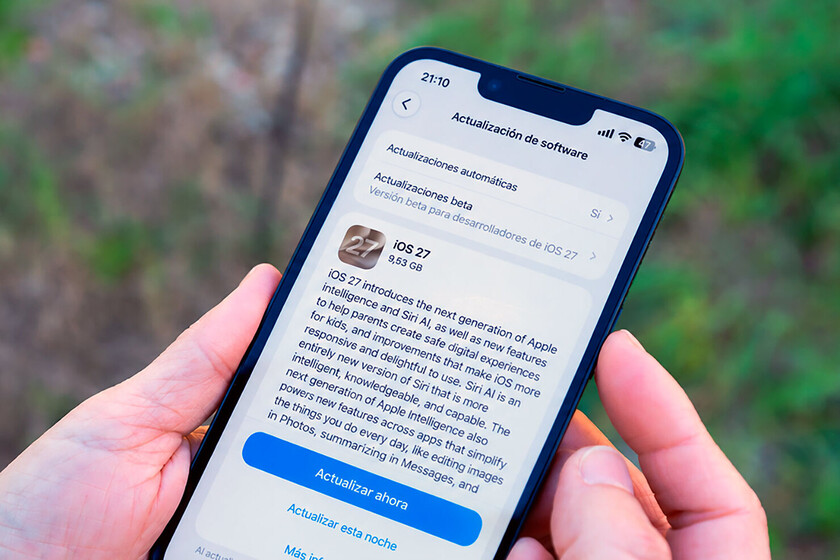
Apple employs a staggered release mechanism to manage the immense traffic generated by millions of concurrent update requests. Typically, the update becomes available at 10:00 AM Pacific Time (PT). For users in other time zones, this translates to specific local windows:
- New York (EDT): 1:00 PM
- London (BST): 6:00 PM
- Central Europe (CEST): 7:00 PM
- Tokyo (JST): 2:00 AM (the following day)
It is common for users to experience delays or server-side throttling in the first hour of the rollout. Apple’s Content Delivery Network (CDN) is robust, but the sheer volume of data requests—often involving several gigabytes per device—can result in slower download speeds. Users are advised to initiate the update during off-peak hours if possible to ensure a seamless installation process.
Pre-Installation Best Practices
Given the depth of the changes in iOS 27, users should treat this as a major system overhaul. The update is substantial, and the following precautions are recommended to prevent data loss or system corruption:
- Network Stability: Always perform the update over a stable Wi-Fi connection. Attempting to download a major OS update via cellular data can result in incomplete packets or excessive data usage charges.
- Power Management: Ensure the device is charged to at least 50% capacity, or preferably, keep the device plugged into a power source throughout the entire installation process.
- Data Redundancy: Before updating, perform a comprehensive backup via iCloud or local storage (Finder/iTunes). This should include photos, encrypted WhatsApp databases, and critical application data.
- Storage Verification: iOS 27 requires significant temporary storage to unpack its installation files. Users should ensure they have at least 10–15 GB of free space available, even if the final installation footprint is smaller.
Technical Enhancements and Interface Evolution
While the visual changes in iOS 27 might seem incremental to the casual observer, the underlying modifications are profound. Apple has focused heavily on "under-the-hood" improvements, specifically targeting memory efficiency and battery management. The system architecture has been re-engineered to better distribute tasks across the neural engine, which is increasingly responsible for background processing, predictive text, and photo organization.
The user interface, while maintaining the familiar aesthetic established in previous years, now features more fluid transitions and improved haptic feedback integration. Developers have been given new APIs that allow for deeper integration with the system’s native widgets, providing a more cohesive experience across the entire OS.
The European Regulatory Standoff: The Siri AI Discrepancy
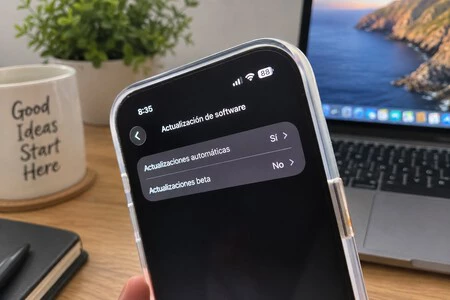
The most contentious element of the iOS 27 launch is the regional limitation of the new "Siri AI" features. While the United States will receive these capabilities via a staggered beta rollout, European users will find these specific tools absent.
This exclusion is not a technical failure but a strategic response to the European Union’s Digital Markets Act (DMA) and the rigorous requirements of the Artificial Intelligence Act. Apple has stated that the complexity of complying with these privacy and data-sharing regulations necessitates a more cautious, region-specific approach.
Siri AI, which promises advanced context-aware assistance, real-time cross-app integration, and sophisticated generative responses, relies on a combination of on-device processing and cloud-based data analysis. Because the EU regulations impose strict constraints on how data can be processed and transferred, Apple has effectively paused the implementation of these features for European users until full compliance can be verified and localized.
Broader Economic and Market Implications
The release of iOS 27 is more than just a software update; it is an economic event that influences the consumer electronics market. By tying specific AI features to its latest hardware (the iPhone 18 series) and restricting them geographically, Apple is effectively segmenting its global market.
Industry analysts suggest that this strategy serves two purposes: first, it protects Apple from significant legal liabilities in the EU; second, it creates a "prestige gap" that may influence purchasing behavior. Consumers in regions where the full suite of AI features is available may be more inclined to upgrade their hardware, while European consumers may wait for a "compliance-ready" version of the software.
Furthermore, the emphasis on on-device intelligence reflects a broader trend in the tech industry: the shift away from pure cloud-based AI. By processing as much data as possible locally, Apple is positioning itself as a privacy-centric alternative to competitors like Google or Samsung, whose AI implementations often require more frequent cloud communication.
Conclusion: A Foundation for the Future
iOS 27 serves as the primary bridge between traditional mobile computing and the next era of generative, context-aware devices. For the average user, the update provides stability, security patches, and a refined interface. For the industry, it represents a pivotal moment in the conflict between rapid technological innovation and the evolving global regulatory landscape.
As users begin the migration to iOS 27, the focus will naturally shift to the performance of these new systems in real-world scenarios. While the absence of advanced AI in certain regions remains a point of frustration for many, the core stability and the promise of future updates suggest that Apple is playing a long-term game—prioritizing regulatory compliance and system security over immediate, unrestricted feature parity.
Whether the update fulfills its promise of a more intelligent mobile experience will become clear in the coming months as the beta programs mature and the software reaches a wider, more diverse user base. For now, the global update process proceeds, marking another chapter in the ongoing evolution of the iPhone ecosystem.
