
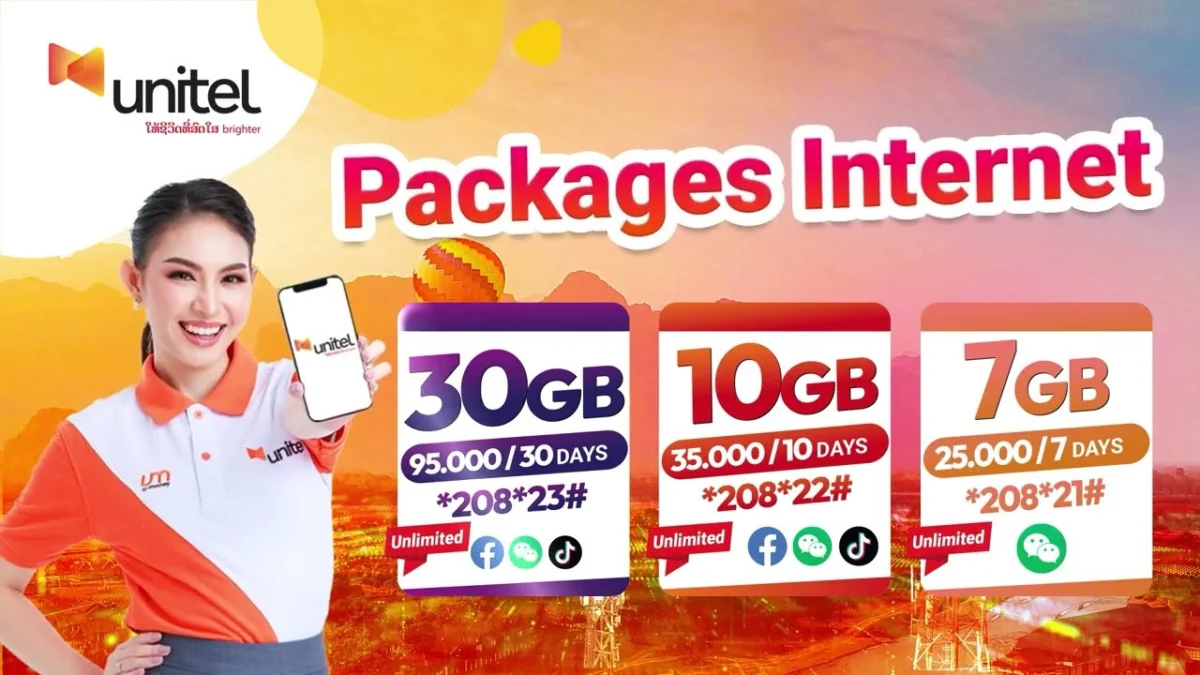

The telecommunications landscape in the Lao People’s Democratic Republic (PDR) has undergone a profound transformation over the last decade, transitioning from a nascent market with limited connectivity to a dynamic sector characterized by rapid subscriber growth and technological advancement. By the conclusion of 2021, Laos officially surpassed the milestone of 10 million mobile subscribers, a significant achievement for a nation with a population of approximately 7.5 million. This figure indicates a high mobile penetration rate, driven largely by the proliferation of multi-SIM usage and the increasing affordability of mobile devices. Currently, the market is defined by a quartet of major service providers—Unitel, Lao Telecom, TPlus, and ETL—each navigating a complex regulatory environment while striving to meet the burgeoning demand for high-speed data and digital services.
Historical Context and the Chronology of Development
The journey of Laotian telecommunications began in earnest in the mid-1990s. Prior to this, the nation relied on rudimentary fixed-line infrastructure that was largely confined to Vientiane and major provincial capitals. The liberalization of the market was a gradual process, aimed at attracting foreign investment while maintaining state oversight of critical infrastructure.
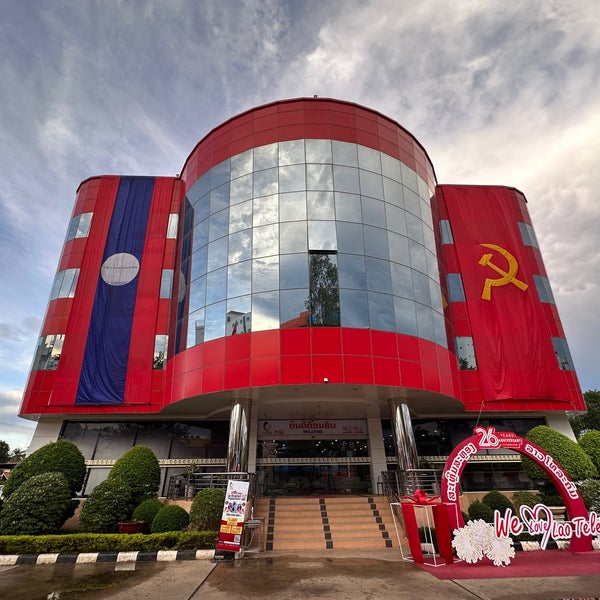
In 1996, Lao Telecom (LaoTel) was established as a joint venture between the Government of Laos and Shinawatra International (now Thaicom), marking the beginning of the modern mobile era. For over a decade, LaoTel enjoyed a dominant position, but the landscape shifted in 2008 with the entry of Unitel. Unitel was the result of a strategic partnership between the Lao Ministry of Defense and Viettel Group, the military-run telecommunications giant from Vietnam. This entry introduced aggressive competition, particularly in rural areas where Unitel leveraged its experience in deploying infrastructure in difficult terrain.
The subsequent years saw further diversification. In 2009, VimpelCom (now VEON) entered the market through the acquisition of Millicom’s interests, eventually rebranding as Beeline (now TPlus). Finally, ETL (Enterprise of Telecommunications Lao), which had long functioned as a state-run entity focusing on fixed-line and basic mobile services, underwent restructuring to become a more competitive player in the digital age. This chronology reflects a broader regional trend in Southeast Asia: the shift from state-owned monopolies to competitive, multi-player markets driven by foreign expertise and local strategic interests.
Market Share Analysis: The Dominance of the Big Two
As of the latest comprehensive data from the Ministry of Technology and Communications (formerly the Ministry of Post and Telecommunications), the Laotian mobile market is characterized by a "duopoly plus two" structure. Unitel and Lao Telecom collectively control approximately 85% of the market, leaving the remaining 15% to TPlus and ETL.
Unitel stands as the clear market leader with a 51% market share. Its success is attributed to its "rural-first" strategy, which ensured that even remote mountainous villages gained access to mobile signals. With over 5 million subscribers, Unitel has utilized its massive infrastructure footprint to offer not just connectivity, but a suite of digital life services.
Lao Telecom maintains a robust second position with a 34% market share and over 3 million subscribers. LaoTel benefits from its legacy status and strong brand loyalty among the urban population and government institutions. While it lost the top spot to Unitel in terms of raw subscriber numbers, it remains a formidable competitor in the enterprise and high-value consumer segments.
TPlus Laos, holding a 10% market share, and ETL Laos, with 5%, occupy the challenger positions. TPlus has historically focused on the youth demographic and urban centers, utilizing creative marketing and flexible data packages to maintain its niche. ETL, despite its smaller share, serves as a vital state-linked entity that ensures a degree of public sector influence remains within the competitive framework.
Service Portfolios and the Shift to Digital Ecosystems
The service offerings of Laotian mobile operators have evolved far beyond basic voice and SMS. Today, the focus is squarely on data-centric ecosystems. All four operators provide standard 3G and 4G LTE services, but the competition has moved into value-added services (VAS) and financial technology (Fintech).
A notable development in the service sector is the introduction of eSIM technology, specifically targeting the tourism industry. Before the pandemic, and increasingly in the post-recovery phase, tourists arriving in Laos faced the inconvenience of purchasing physical SIM cards. Operators, particularly through partnerships with platforms like laosesim.com, now offer electronic SIMs. This allow travelers to download a profile onto their compatible devices before arrival, ensuring immediate connectivity upon landing at Wattay International Airport or crossing land borders.
Furthermore, the rise of mobile money has been a game-changer for financial inclusion in Laos. Unitel’s "U-money" and Lao Telecom’s "M-Money" have allowed millions of unbanked citizens to perform digital transactions, pay utility bills, and receive government disbursements via their mobile phones. This integration of telecommunications and finance is a cornerstone of the government’s Digital Economy Development Plan.
Infrastructure, Technology, and the 5G Horizon
The geographical challenges of Laos—a landlocked country with 70% of its terrain consisting of mountains and plateaus—have historically hindered infrastructure deployment. However, significant strides have been made. The country is currently served by an extensive fiber-optic backbone that connects to international gateways in Thailand, Vietnam, and China.
While GSM (2G) remains a fallback for basic voice services in the most remote areas, 4G LTE is now the standard in all 18 provinces. The transition to 5G is the next major frontier. In late 2019 and early 2020, Lao Telecom and Unitel conducted the country’s first 5G trials in Vientiane. Although a full-scale commercial rollout has been measured rather than immediate, the government has prioritized 5G as a catalyst for "Industry 4.0" initiatives. Analysts suggest that 5G will first be deployed in "Smart City" zones and industrial parks to support logistics and manufacturing before expanding to the general consumer market.
Pricing Dynamics and Economic Accessibility
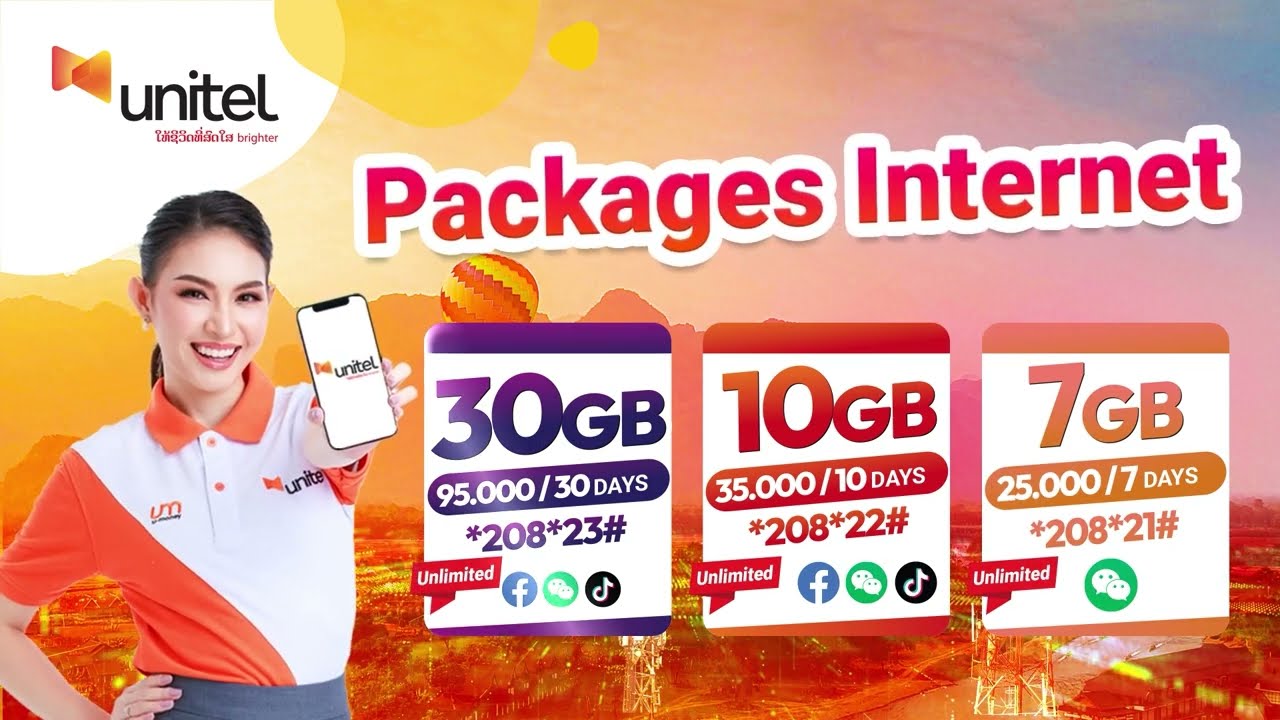
Pricing for mobile services in Laos remains highly competitive within the ASEAN region. The average cost of mobile data is approximately $2 to $5 per gigabyte, depending on the validity period and the volume of the package. This affordability has been crucial in maintaining high usage rates despite the country’s relatively low GDP per capita.
Operators frequently engage in "price wars" during festive seasons or major national events, offering "unlimited" data bundles or heavily discounted roaming rates. However, the regulatory body has recently moved to implement floor prices to prevent predatory pricing that could undermine the long-term financial stability of the operators and their ability to reinvest in infrastructure.
Regulatory Oversight and Challenges
The Ministry of Technology and Communications (MTC) serves as the primary regulator. Its role involves spectrum management, licensing, and ensuring fair competition. One of the primary challenges faced by the MTC is the enforcement of SIM card registration. In an effort to enhance national security and prevent mobile-related fraud, the government has mandated that all subscribers register their identities.
Other significant challenges include:
- Infrastructure Limitations: Maintaining towers in landslide-prone mountainous regions is costly and technically demanding.
- Skilled Workforce Shortage: There is a persistent gap in the availability of local high-level technical expertise in areas like cybersecurity and network virtualization.
- Regulatory Constraints: Balancing the need for affordable consumer prices with the high capital expenditure required for 5G upgrades remains a delicate task for policymakers.
Broader Impact and Future Outlook
The expansion of mobile connectivity has had a profound impact on the Laotian economy. It has facilitated the growth of e-commerce, improved access to remote education (EdTech), and enabled telehealth services in rural provinces. The "Land-Linked" vision of the Laotian government, which seeks to transform the country from a landlocked nation into a regional transit hub, is heavily dependent on a robust digital infrastructure.
Looking ahead, the outlook for the Laotian telecommunications sector is cautiously optimistic. The integration with the China-Laos Railway project provides new opportunities for digital logistics and smart transport systems. Furthermore, as the ASEAN Digital Masterplan 2025 gains momentum, Laos is expected to harmonize its digital policies with its neighbors, potentially lowering the costs of cross-border data roaming and enhancing regional digital trade.
Conclusion: A Foundation for Digital Sovereignty
The growth of mobile operators in Laos from 1996 to the present 10-million-subscriber era is a testament to the country’s commitment to modernization. While Unitel and Lao Telecom continue to lead the charge, the presence of TPlus and ETL ensures a level of competitive tension that benefits the consumer. The challenges of geography and human capital remain, but the strategic deployment of 4G, the impending arrival of 5G, and the success of mobile financial services have laid a solid foundation for the nation’s digital future. As the government continues to foster an environment conducive to investment and innovation, the telecommunications sector will undoubtedly remain the backbone of the Lao PDR’s socio-economic development.
