
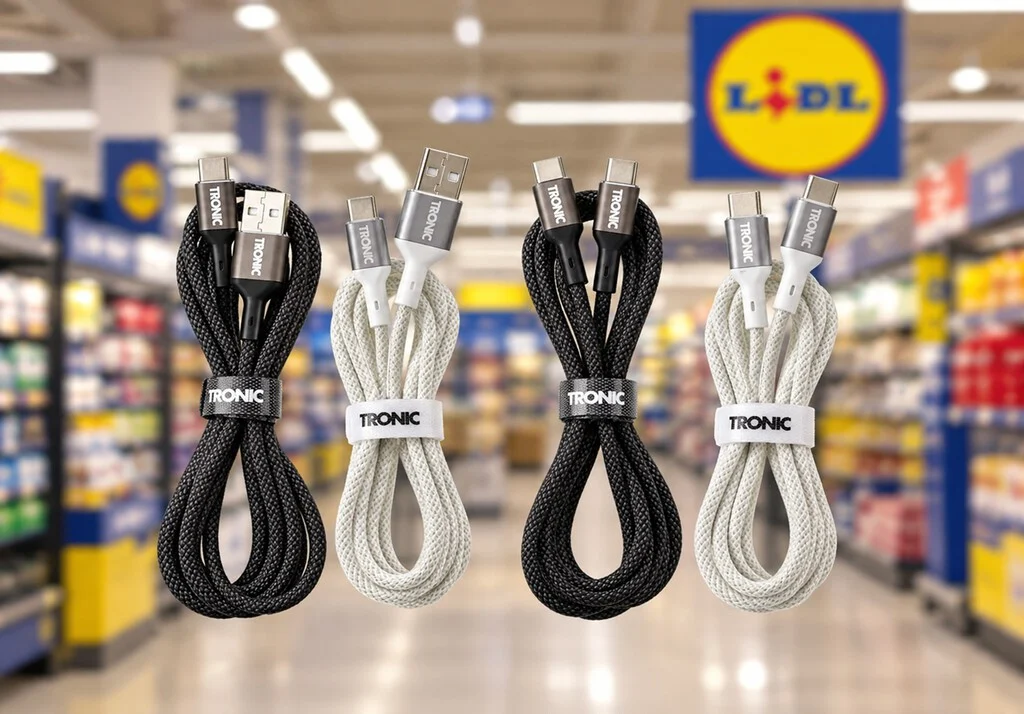

The rapid evolution of mobile technology has necessitated a parallel advancement in the peripheral infrastructure that powers and connects our devices. While consumer attention often remains fixed on the specifications of smartphones, tablets, and laptops, the humble charging cable serves as the critical link in the energy delivery chain. Recognizing the growing consumer demand for affordable yet robust accessories, retail giant Lidl has introduced its new line of Tronic nylon-braided cables, designed to bridge the gap between premium performance and budget-friendly accessibility. This strategic move highlights a broader market trend where retailers are increasingly prioritizing technical standards like Power Delivery (PD) to ensure compatibility with modern, fast-charging hardware.
The Technical Evolution of Charging Standards
To understand the significance of the new Tronic release, one must consider the transition from the legacy USB-A standards to the universal adoption of USB-C. For decades, charging cables were treated as disposable commodities. However, the introduction of the USB-C connector—capable of handling significantly higher wattages and data transfer speeds—shifted the paradigm. Modern electronics, which now utilize protocols such as USB Power Delivery, require cables that are not only structurally sound but also internally wired to negotiate safe and efficient power distribution.
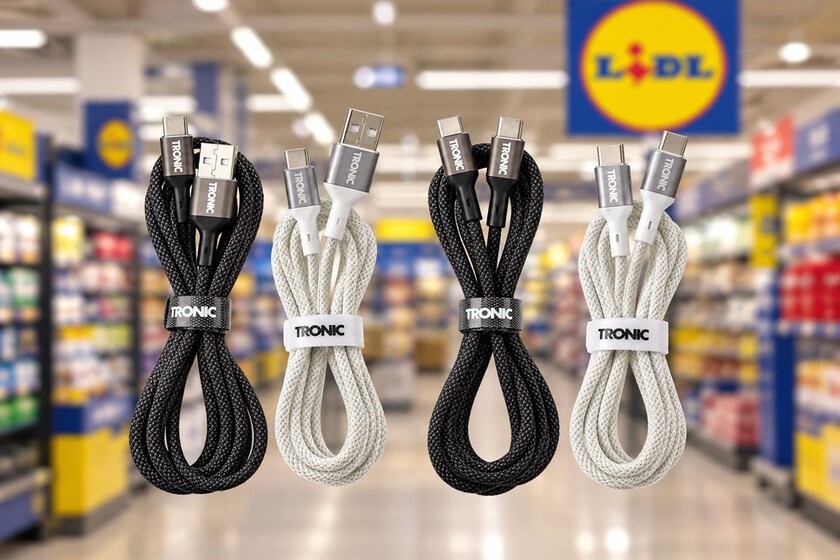
The Tronic cable series from Lidl enters a market saturated with low-quality generic alternatives that often fail to meet the safety certifications required for modern rapid-charging bricks. By integrating nylon braiding, the company addresses the most common point of failure in charging peripherals: physical degradation at the stress points near the connector heads. The inclusion of an anti-traction design, which laboratory testing indicates can withstand up to 30,000 flexions, positions these cables as a viable long-term solution for daily users.
Chronology of Connectivity: From Proprietary to Universal
The journey toward the universal cable has been marked by regulatory pressure and technological shifts. In the early 2010s, consumers were burdened by proprietary chargers for nearly every brand of smartphone. The subsequent standardization toward micro-USB, and eventually USB-C, was largely driven by consumer frustration and environmental concerns regarding electronic waste.
- 2014: The USB Implementers Forum (USB-IF) releases the USB-C specification, promising a reversible connector and higher power throughput.
- 2016-2018: Major laptop manufacturers begin phasing out dedicated power bricks in favor of USB-C Power Delivery, setting the stage for high-wattage charging through a single cable type.
- 2022-2023: The European Union formally mandates USB-C as the common charging standard for portable electronic devices, solidifying the market dominance of this technology.
- 2024: Retailers like Lidl move to standardize their in-house accessory lines, ensuring that even entry-level consumers have access to high-performance, PD-compatible cabling.
Analytical Breakdown: Why Material Quality Matters
A common misconception in the consumer electronics market is that all cables of a certain length and connector type perform identically. In reality, the internal gauge of the copper wiring—measured by American Wire Gauge (AWG) standards—determines how much energy can be safely transferred without causing significant heat dissipation or voltage drop.
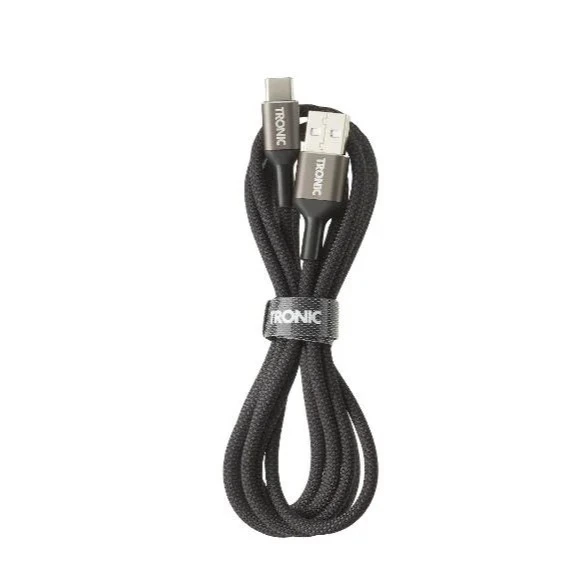
The Tronic nylon-braided cables utilize a synthetic outer layer that serves two primary purposes. First, it provides a tactile, anti-tangle benefit that improves user experience during travel or desk management. Second, the braiding adds a layer of tensile strength, protecting the internal copper strands from being crushed or frayed during standard use. With a capability of up to 60W power delivery, these cables are sufficient for charging most smartphones, tablets, and even ultrabook-class laptops, making them a versatile tool in a modern digital workspace.
Furthermore, the integration of data transfer speeds up to 480 Mbps aligns with the USB 2.0 standard. While this speed is considered baseline for modern data transfer, it is a stable and reliable threshold for moving documents, photographs, and media files between mobile devices and host computers.
Broader Implications for the Accessory Market
The entry of major supermarket chains into the specialized electronics accessory space carries significant implications for third-party peripheral manufacturers. Historically, consumers had to choose between low-cost, low-reliability "bargain bin" cables or high-cost, branded alternatives from electronics manufacturers. By offering a middle-ground product that incorporates premium features—such as reinforced strain relief and braided exteriors—Lidl is forcing a competitive recalibration.

This shift is part of a broader "democratization of quality" movement. When high-performance, durable components become accessible at a lower price point, the overall safety of the charging ecosystem improves. Fewer consumers are likely to rely on dangerously frayed or non-compliant cables when a robust, certified alternative is readily available at their local grocery store.
Supporting Infrastructure and Ecosystem Integration
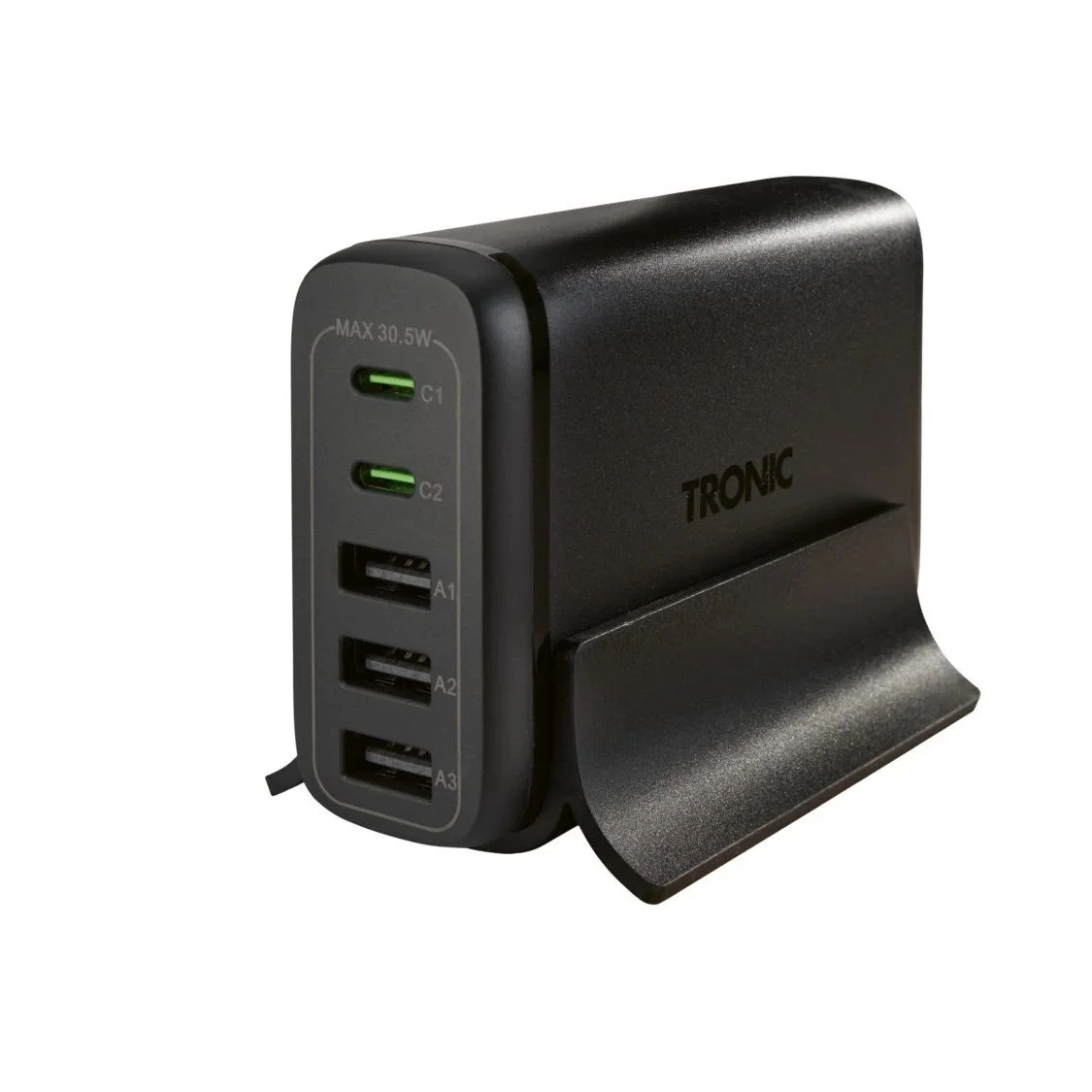
It is important to note that the efficacy of a cable is entirely dependent on the charger to which it is connected. Recognizing this, Lidl has simultaneously expanded its offerings to include various USB-C wall adapters and power blocks. This holistic approach—providing the charger, the cable, and even troubleshooting tools like tension testers—suggests that the retailer is aiming to capture the entire peripheral market share.
For the average user, the implications are clear: the focus is shifting toward "future-proofing." As devices become more energy-hungry and rely more heavily on fast-charging protocols, the demand for high-quality accessories will only increase. The decision to include accessories such as velcro cable ties is a small but significant detail that acknowledges the professional-grade requirements of the modern remote worker or tech-heavy household.
Technical Specifications and Safety Considerations
The Tronic line is manufactured with specific attention to safety, particularly regarding the risk of short-circuits. The anti-traction design is not merely a marketing feature; it is an engineering requirement for cables that may be subjected to the rigors of being stored in bags or pulled at awkward angles.
Regarding Power Delivery, the standard allows for the negotiation of power levels. The device and the charger communicate to determine the optimal voltage and amperage. A cable that is not properly shielded or that uses inferior conductors can interrupt this negotiation, leading to "trickle charging" or, in extreme cases, the overheating of the cable itself. The Tronic line, by adhering to the PD protocol, ensures that the energy flow is regulated according to the specific needs of the connected hardware, effectively preventing the risk of over-charging or power surges.
Strategic Outlook: The Future of Retail Electronics
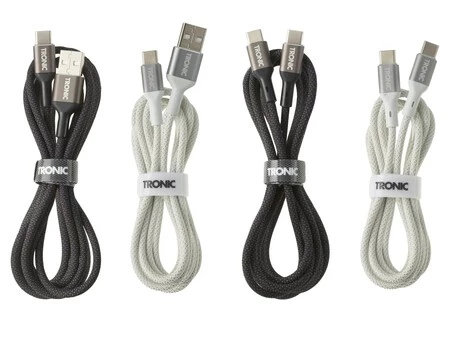
As the global market continues to move toward a more sustainable and unified charging standard, retailers that can provide high-quality, long-lasting peripherals at a competitive price will likely see increased customer loyalty. The move by Lidl to offer two-meter cables in both USB-A to USB-C and USB-C to USB-C configurations demonstrates a sophisticated understanding of current consumer needs, as many users still maintain a mix of legacy and modern hardware in their homes.
The longevity of these cables—supported by the 30,000-flexion rating—is an environmental positive. By reducing the frequency with which cables need to be replaced due to internal wire breakage, the overall volume of electronic waste is, in theory, reduced. This aligns with global efforts to promote a circular economy where durable, repairable, and long-lasting products are preferred over disposable alternatives.
In conclusion, the introduction of the Tronic braided nylon charging cables represents a convergence of affordability, durability, and modern technical standards. By prioritizing features such as Power Delivery compatibility, reinforced strain relief, and high-quality materials, Lidl has effectively set a new benchmark for what consumers should expect from their charging accessories. Whether for the casual smartphone user or the power user maintaining a complex array of hardware, these cables offer a compelling balance of performance and value that underscores the ongoing evolution of our digital infrastructure.
