

As the midpoint of 2026 passes, a comprehensive review of the smartphone market reveals a landscape marked by maturity and incremental evolution rather than revolutionary breakthroughs. A seasoned industry analyst, having meticulously evaluated over 20 new mobile devices, from flagship models to accessible mid-range contenders, highlights a prevailing sentiment of "more of the same" across many mainstream offerings. Despite this, a handful of manufacturers are carving out niches through distinctive design, specialized functionalities, and a refreshed approach to consumer value, challenging the dominance of long-established giants.
The Evolving Smartphone Landscape: A Mature Market Defined by Nuance
The smartphone industry, once characterized by rapid innovation and exponential growth, has undeniably entered a phase of maturity. Global smartphone shipments, after a period of intense expansion in the 2010s, have largely stabilized, with analysts from firms like IDC and Canalys reporting modest year-over-year growth or even slight declines in certain quarters through late 2025 and early 2026. This stabilization is attributed to several factors, including market saturation in developed economies, extended device lifecycles as consumers hold onto their phones longer, and the inherent difficulty in achieving truly groundbreaking technological advancements.
Historically, each new generation of smartphones brought significant leaps in processing power, camera capabilities, screen technology, or form factors. Today, the enhancements are often iterative: a slightly faster chip, marginal improvements in battery life, enhanced computational photography, or minor aesthetic tweaks. While these refinements contribute to a better user experience, they rarely evoke the sense of awe or necessity that drove upgrade cycles in earlier years. This trend has led to a perception among many industry observers that major players, comfortable in their market positions, are increasingly relying on brand loyalty and established ecosystems rather than disruptive innovation to drive sales.
Challenger Brands Carve Out Distinction
Amidst this backdrop of incrementalism, two devices have notably stood out for their ability to deliver compelling value and distinct user experiences: the Nothing Phone (4a) Pro and the Vivo X300 Ultra. These phones, representing different segments of the market, exemplify how strategic focus on design, specific features, or overall value can resonate deeply with consumers seeking alternatives to conventional flagship devices.
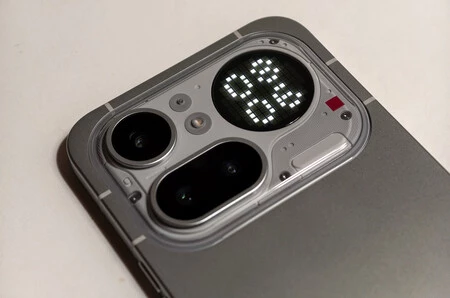
The Nothing Phone (4a) Pro, positioned within the highly competitive mid-range segment, has garnered significant praise for its balanced performance and a premium feel that belies its price point. Nothing, a relatively newer entrant to the smartphone arena, has consistently emphasized design as a core differentiator. The Phone (4a) Pro continues this tradition with its unique aesthetic, including the signature Glyph Interface – a customizable LED lighting system on the transparent rear panel. This feature, more than a mere gimmick, serves as a visual identifier and a practical notification system, creating an interactive element that captivates users and onlookers alike. The brand’s commitment to a distinctive visual language, combined with a clean Android experience and solid hardware specifications for its category, positions the Phone (4a) Pro as a refreshing departure from the uniformity often seen in the mid-range market. It offers a tangible sense of individuality without demanding a premium price, making it a highly recommended option for consumers seeking both performance and personality.
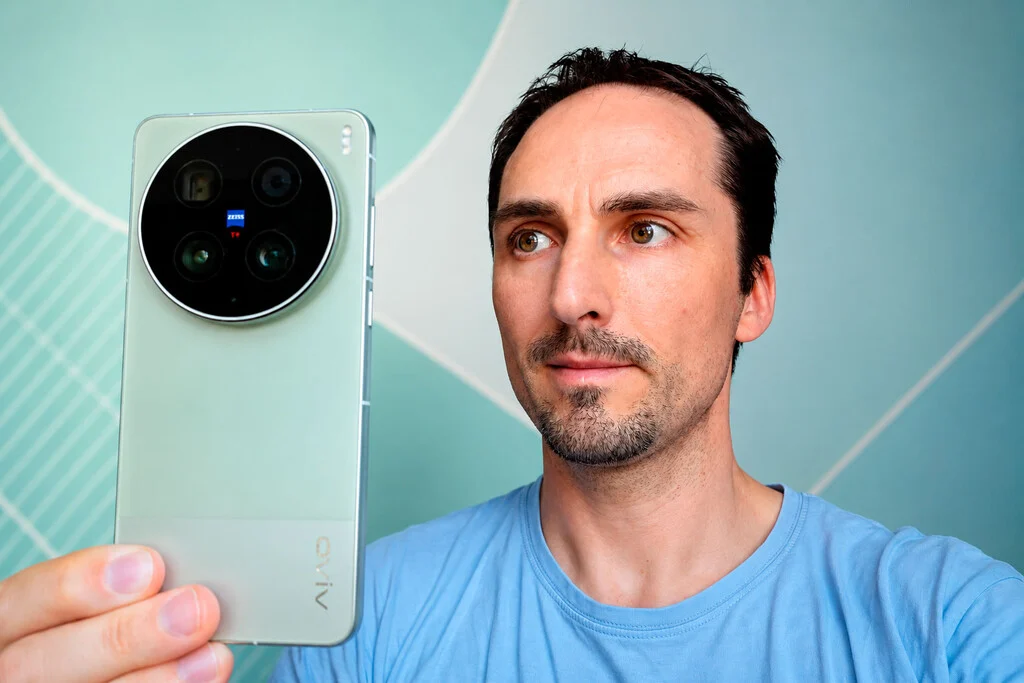
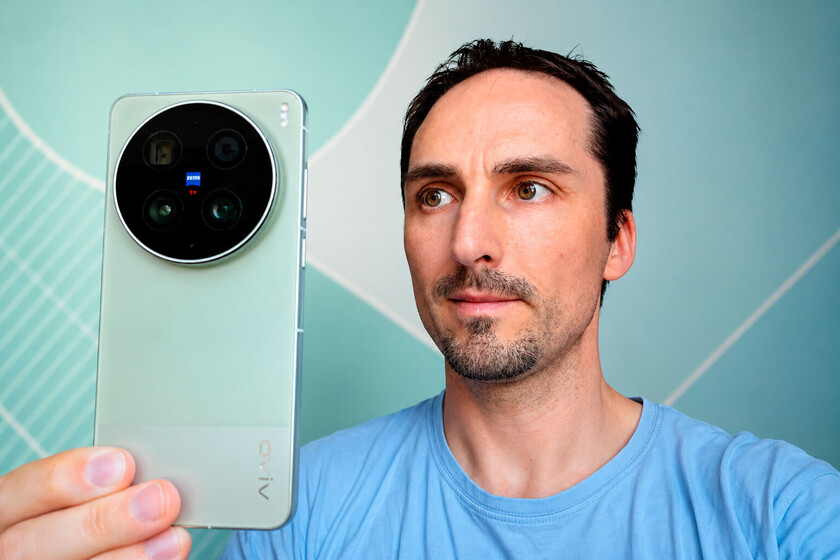
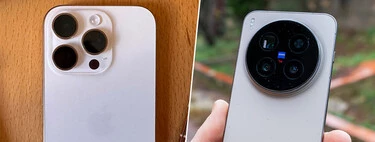
On the other end of the spectrum, the Vivo X300 Ultra has asserted itself as a powerhouse in the ultra-premium segment, primarily through its exceptional camera system. Vivo, a brand known for pushing photographic boundaries, particularly in Asian markets, has collaborated with ZEISS to integrate advanced optics and computational photography algorithms. The X300 Ultra’s camera array, featuring a sophisticated telephoto lens and an optional teleconverter, delivers unparalleled zoom capabilities and image clarity, particularly in natural settings. Its ability to capture highly detailed and vibrant images rivals, and in some aspects surpasses, dedicated digital cameras, making it a compelling choice for photography enthusiasts. While its robust hardware, including a powerful processor and a large, high-resolution display, contributes to its overall premium standing, it is the photographic prowess that truly sets the X300 Ultra apart. Despite its considerable size, weight, and premium price tag, which may make it a niche product, its photographic capabilities position it as a benchmark for mobile imaging in 2026.
Critique of Industry Leaders: A Call for Renewed Innovation
The perceived stagnation in the broader market is particularly evident when observing the strategies of long-standing industry leaders such as Samsung, Google, and Apple. While these companies continue to command significant market share and release technically competent devices, the consensus among analysts is that their latest offerings, including Samsung’s Galaxy S26 Ultra and the anticipated Google Pixel 11 Pro, often represent incremental upgrades rather than significant leaps forward.
Samsung, a titan in the Android ecosystem, consistently delivers devices that are at the forefront of hardware specifications and display technology. The Galaxy S26 Ultra, for instance, is undoubtedly a powerful and feature-rich smartphone. However, its annual refresh cycle often brings about changes that are evolutionary rather than revolutionary – a new generation processor, a slightly refined camera sensor, or minor software enhancements. While these improvements maintain Samsung’s competitive edge, they rarely introduce features that fundamentally alter the user experience or redefine smartphone capabilities. This approach, while commercially successful due to Samsung’s extensive global reach and brand loyalty, contributes to the overall perception of market maturity.
Google’s Pixel series, often lauded for its "pure Android" experience and cutting-edge computational photography, also faces scrutiny. While the Pixel 10 Pro offered a compelling package, expectations for the forthcoming Pixel 11 Pro are tempered by the likelihood of similar incremental advancements. Google’s strength lies in its software optimization and AI integration, which undoubtedly enhance usability and camera performance. However, in terms of hardware design and core functionality, the Pixel line has generally adhered to a more conservative path, leading to questions about its ability to truly differentiate itself beyond its software prowess in an increasingly competitive market.
Apple, with its dominant iPhone ecosystem, similarly navigates a landscape where its loyal customer base ensures strong sales. The company’s meticulous attention to detail, robust software integration, and powerful chipsets maintain its premium status. However, like its Android counterparts, Apple’s annual iPhone releases are often characterized by refinements to existing features, performance boosts, and subtle design changes, rather than dramatic shifts. While the ecosystem’s strength and consistent performance are undeniable assets, critics argue that Apple’s strategy increasingly relies on its established brand prestige and ecosystem lock-in, rather than groundbreaking innovation, to drive demand.
The implications of this perceived slowdown in innovation among the major players are significant. It creates a vacuum that smaller, more agile brands can exploit, offering distinct value propositions that appeal to specific consumer segments. This dynamic fosters a more diverse market, albeit one where the definition of "innovation" itself is being re-evaluated.
Emerging Trends and Specialized Devices
Beyond the mainstream and the standout performers, the mid-2026 market also showcases a burgeoning interest in specialized devices and alternative approaches to smartphone design and functionality. These emerging trends suggest a future where diversity and customization play increasingly important roles.
-
Foldable Phones: The segment of foldable smartphones continues to mature, with devices like the OPPO Find N6 and the revitalized Motorola Razr Fold demonstrating significant progress. The OPPO Find N6, in particular, has been praised for its refined hinge mechanism, minimal screen crease, and optimized software experience, offering a compelling blend of tablet-like utility and pocketability. Motorola’s Razr Fold capitalizes on nostalgia while integrating modern foldable screen technology, providing a stylish and compact clamshell form factor. As manufacturing processes improve and prices gradually become more accessible, foldables are steadily transitioning from experimental novelties to viable premium alternatives.
-
Ethical and Sustainable Devices: The Fairphone 6 stands as a testament to the growing consumer demand for ethically sourced and environmentally responsible technology. Its modular design facilitates user repairability, extending the device’s lifespan and reducing electronic waste. The Jolla Phone, another European entrant, represents a commitment to open-source software and enhanced privacy with its Sailfish OS, appealing to a niche of users who prioritize control over their data and a departure from mainstream operating systems. These devices highlight a shift in consumer values, where sustainability and ethical production are becoming increasingly important considerations alongside performance and features.
-
Modular Innovation: The Tecno modular phone emerged as one of the most surprising innovations of 2026. While details on its specific modular capabilities are still unfolding, the concept of a smartphone allowing users to swap components for enhanced functionality or repair represents a bold step beyond current industry norms. This approach could potentially redefine user interaction with hardware, offering unprecedented levels of customization and longevity, especially in emerging markets where Tecno often pioneers new technologies.
-
Enhanced AI Integration: While not a standalone device, the pervasive integration of artificial intelligence (AI) across all smartphone segments is a defining characteristic of 2026. AI is no longer confined to voice assistants but is deeply embedded in camera processing, battery management, personalized user interfaces, and on-device computational tasks. This subtle yet powerful integration often drives incremental improvements in user experience, making devices smarter and more efficient, even if the underlying hardware changes are less dramatic.
The Broader Impact and Future Outlook
The current state of the smartphone market in mid-2026, characterized by a blend of mature incrementalism and targeted innovation, has several significant implications. For consumers, it means a more diverse range of choices, allowing for specialization based on priorities like camera performance, unique design, sustainability, or pure value. The market is less about a single "best" phone and more about the "best fit" for individual needs.
For manufacturers, the pressure is mounting. Established giants are increasingly challenged to justify their premium pricing with tangible innovation, or risk losing ground to agile competitors who are willing to take bolder risks in design or feature sets. This dynamic fosters a healthier competitive environment, even if it means a slower pace of truly disruptive technological breakthroughs.
Looking ahead, the industry may see further diversification. The convergence of smartphones with augmented reality (AR) and virtual reality (VR) technologies, advancements in battery chemistry, and the exploration of entirely new form factors beyond current foldables could reignite a new era of rapid innovation. However, for now, the narrative of 2026 is one of a mature market finding its rhythm, where differentiation through specific strengths and a keen understanding of niche consumer demands are proving to be the keys to standing out.
