
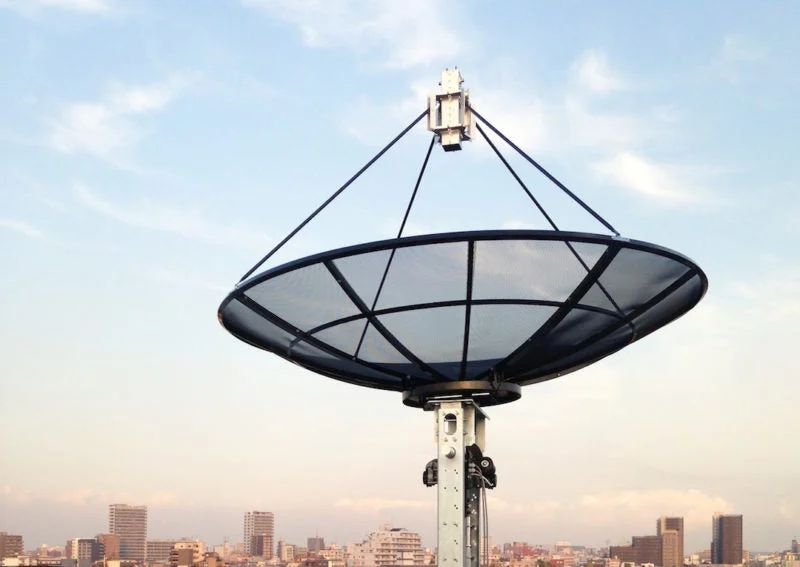

Mitsubishi Electric Corporation has officially announced the acquisition of Infostellar, a prominent Tokyo-based startup specializing in Ground Segment as a Service (GSaaS), marking a significant consolidation within the Japanese aerospace sector. The deal, finalized and announced on July 2, 2024, represents a strategic move by the industrial giant to integrate advanced cloud-based ground station management into its existing portfolio of satellite manufacturing and systems integration. By absorbing Infostellar, Mitsubishi Electric aims to bridge the gap between traditional space hardware manufacturing and the modern, agile requirements of the burgeoning small-satellite constellation market. This acquisition is poised to transform Mitsubishi Electric from a hardware-centric provider into an end-to-end space infrastructure powerhouse, capable of managing both the orbital assets and the complex ground-based communications networks required to sustain them.
The Strategic Logic of Ground Segment as a Service (GSaaS)
The acquisition centers on Infostellar’s proprietary platform, StellarStation. In the traditional satellite industry model, operators were required to build, maintain, and staff their own dedicated ground stations—a capital-intensive endeavor that often resulted in significant "dead time" when satellites were not in view of a specific antenna. Infostellar revolutionized this approach by developing a cloud-based platform that virtually networks existing ground stations around the globe. This "sharing economy" model for space communications allows satellite operators to access a global network of antennas through a single, centralized interface, paying only for the time they use.
For Mitsubishi Electric, a company with a decades-long history of manufacturing high-performance satellites and large-scale ground facilities, the integration of StellarStation provides a critical software layer that was previously missing. As the global space economy shifts toward Low Earth Orbit (LEO) constellations—which require frequent handovers between ground stations to maintain continuous data links—the ability to manage a distributed, virtualized network becomes a competitive necessity. The synergy between Mitsubishi’s robust hardware engineering and Infostellar’s agile software development is expected to reduce the operational burden for satellite operators, particularly those managing large-scale constellations that generate massive volumes of data.
Historical Context and the Rise of Infostellar
Infostellar was founded in 2016 by Naomi Kurahara, a former satellite engineer who recognized the inefficiencies inherent in ground station utilization. Since its inception, the company quickly rose to prominence within the "New Space" ecosystem, securing significant venture capital from domestic and international investors, including the Sony Innovation Fund, Airbus Ventures, and the Mitsubishi UFJ Capital fund. The startup’s mission was to solve the "downlink bottleneck," where the rapid increase in satellite launches outpaced the availability of ground-based infrastructure to receive data.
Throughout its eight-year journey, Infostellar expanded its footprint beyond Japan, establishing partnerships with ground station operators across Europe, the Americas, and Southeast Asia. The company’s growth mirrored the broader expansion of the Japanese space industry, which has seen a surge in private-sector activity supported by the Japanese government’s "Space Basic Plan." This plan encourages the development of a self-sustaining space industry that can compete globally with established giants like SpaceX and Northrop Grumman. By acquiring a homegrown success story like Infostellar, Mitsubishi Electric is not only securing vital technology but also signaling its intent to lead Japan’s charge into the international commercial space market.
Integration of Capabilities and Manufacturing Synergy
The collaboration is structured to combine Mitsubishi Electric’s comprehensive satellite and ground facility development, manufacturing, and system integration capabilities with Infostellar’s GSaaS platform. Historically, Mitsubishi Electric has been a primary contractor for the Japan Aerospace Exploration Agency (JAXA), producing advanced meteorological satellites like the Himawari series and communications satellites using their DS-2000 platform. However, these traditional projects often involve long development cycles and bespoke ground infrastructure.
The infusion of Infostellar’s agile development culture is expected to modernize Mitsubishi’s internal processes. The combined entity plans to develop space communications infrastructure tailored specifically to the needs of small-satellite constellation operators. These operators typically prioritize low latency, high data throughput, and cost-efficiency over the high-reliability, high-cost models of the past. By offering a unified service that includes satellite manufacturing, launch management, and ground station access via StellarStation, Mitsubishi Electric can now provide a "one-stop-shop" for emerging space companies.
Supporting Data: The Expanding Space Communications Market
The acquisition comes at a time of unprecedented growth in the space sector. According to industry analysts, the global ground segment market is projected to grow at a Compound Annual Growth Rate (CAGR) of over 4.5% through 2030, driven largely by the proliferation of LEO satellites. There are currently over 7,000 active satellites in orbit, a number expected to triple by the end of the decade. This surge creates an acute demand for GSaaS solutions.
Data from the Satellite Industry Association (SIA) indicates that the ground equipment sector accounts for nearly 48% of the total space industry revenue, surpassing even satellite manufacturing and launch services. By acquiring Infostellar, Mitsubishi Electric is positioning itself in the most lucrative segment of the space value chain. Furthermore, the shift toward 5G and 6G integration with satellite networks requires the kind of software-defined ground stations that Infostellar has pioneered. The ability to dynamically allocate bandwidth and switch frequencies across a global network of antennas is a prerequisite for the next generation of global telecommunications.
Official Responses and Executive Vision
The leadership of both organizations has expressed high expectations for the merger. Naomi Kurahara, CEO of Infostellar, emphasized the technological leap this acquisition represents. "We are delighted to take this new step forward by joining the Mitsubishi Electric Group, which has a long history and solid technological capabilities in the space industry," Kurahara stated. "Integrating our technological capabilities will enable us to accelerate the development of large-scale ground station networks and establish them as an integral part of space infrastructure, contributing to the further development of the space industry."
Mitsubishi Electric’s leadership echoed this sentiment, noting that the acquisition is a key component of their "Vision 2030" strategy, which focuses on sustainability and digital transformation. The company views the ground segment not just as a support function, but as a critical infrastructure layer equivalent to terrestrial fiber optics or cellular towers. The goal is to create a "seamless connection" between space and earth, facilitating real-time data processing for applications ranging from climate monitoring and disaster response to autonomous maritime navigation.
Broader Implications for the Global Space Industry
The acquisition of Infostellar by Mitsubishi Electric has several significant implications for the global space market. First, it marks a shift in how traditional aerospace "primes" view startups. Rather than viewing GSaaS providers as mere vendors, major manufacturers are increasingly seeing them as essential core technologies that must be owned in-house to maintain a competitive edge. This mirrors similar moves by U.S.-based companies, such as the integration of cloud services by Amazon Web Services (AWS) Ground Station and Microsoft Azure Orbital, which have disrupted the traditional ground station market.
Second, this move strengthens Japan’s position in the geopolitical space race. As space becomes a contested domain, the reliability and security of ground communications are paramount. A domestically owned, globally distributed ground station network under the Mitsubishi Electric umbrella provides Japan with a strategic asset that ensures data sovereignty and secure communications for both civilian and defense applications.
Third, for the "New Space" startup community, this acquisition provides a successful "exit" example, proving that innovative software solutions in the space sector can find high-value integration with traditional industrial conglomerates. This is likely to spur further investment in Japanese space startups, particularly those focused on software-defined radio, space-based edge computing, and orbital debris management.
Future Outlook: A New Standard for Space Infrastructure
Looking ahead, Mitsubishi Electric and Infostellar aim to pioneer new business models that move away from the "build-and-own" mentality toward a "subscribe-and-scale" approach. The combined expertise will likely focus on several key areas of innovation:
- Automation and AI in Ground Operations: Utilizing artificial intelligence to optimize satellite scheduling and antenna pointing, ensuring that data is downlinked at the highest possible speeds with minimal human intervention.
- Multi-Orbit Compatibility: Enhancing the StellarStation platform to support seamless switching between LEO, Medium Earth Orbit (MEO), and Geostationary Orbit (GEO) satellites.
- Cost Reduction for Constellations: By leveraging Mitsubishi’s manufacturing scale, the cost of ground station hardware could decrease, while Infostellar’s software reduces the operational cost (OPEX) for satellite fleets.
- Enhanced Reliability: Combining Mitsubishi’s rigorous quality assurance standards with Infostellar’s redundant cloud architecture to provide a ground network with "five-nines" (99.999%) availability.
As the space industry continues to evolve into a data-driven economy, the physical and digital infrastructure that connects orbital assets to the ground will be the most critical link in the chain. With the acquisition of Infostellar, Mitsubishi Electric has not only expanded its technical repertoire but has also secured a central role in the future of global space communications. The deal serves as a testament to the maturing of the Japanese space sector and its readiness to compete on the global stage through a fusion of traditional engineering excellence and modern digital innovation.
