
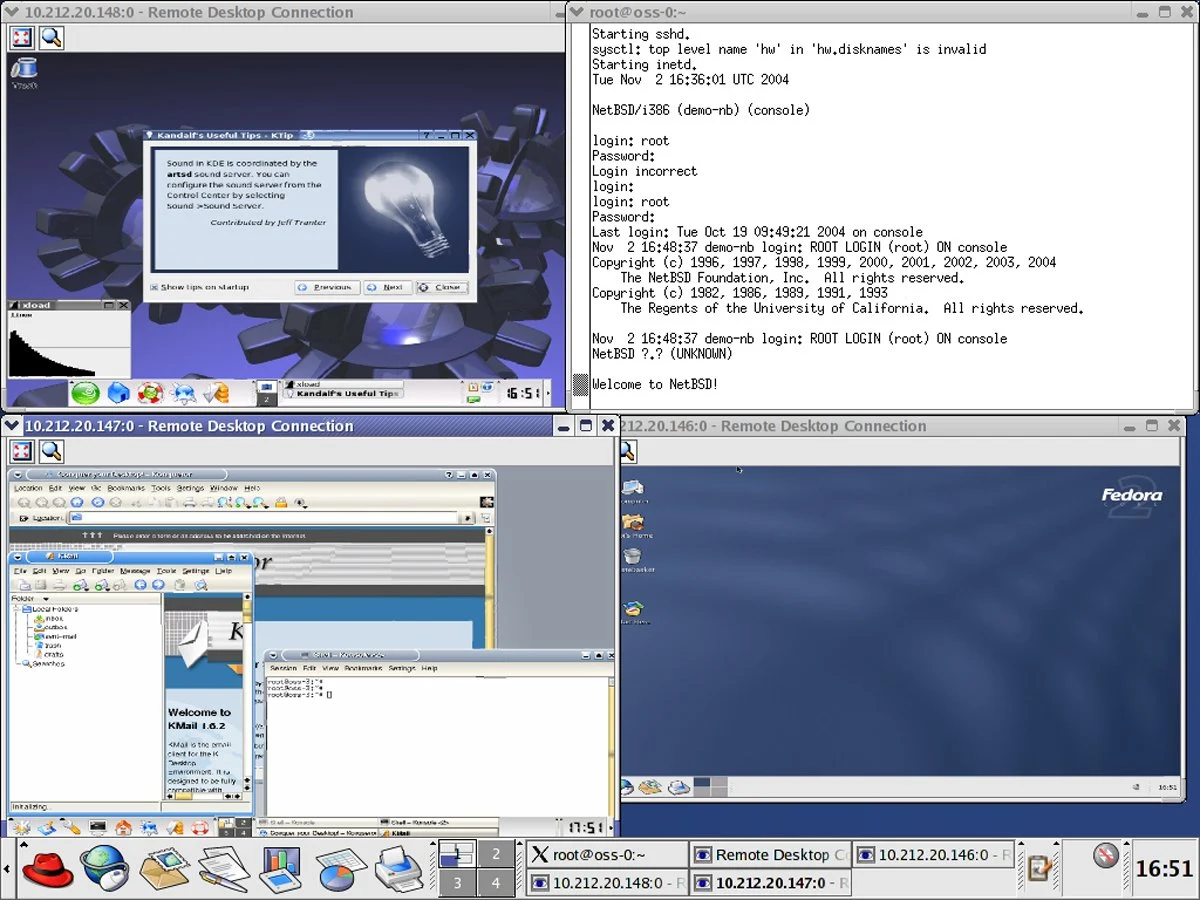

The digital transformation of modern enterprise architecture continues to rely heavily on virtualization, a technology that underpins everything from cloud-native software deployment to localized desktop testing. For systems administrators and IT engineers operating within the Linux ecosystem, selecting the appropriate virtual machine (VM) platform remains a foundational architectural decision. As organizations increasingly balance legacy workloads with modern hybrid-cloud initiatives, the market for Linux virtualization tools has evolved to offer everything from lightweight, bare-metal hypervisors to robust container-management integrations.

Market Analysis and Historical Context of Linux Virtualization
Virtualization on Linux has matured significantly over the past two decades, transitioning from niche academic experiments into the bedrock of global cloud computing. The technological landscape was permanently altered in 2007 when Kernel-based Virtual Machine (KVM) was officially merged into the mainline Linux kernel. This integration transformed the Linux operating system itself into a Type-1, bare-metal hypervisor, shifting the paradigm away from purely proprietary, third-party hypervisors.

Concurrently, solutions like the Xen Project—originating as a research initiative at the University of Cambridge—pioneered paravirtualization concepts that eventually fueled the infrastructure of the world’s largest public cloud providers. Over the subsequent years, the community-driven development of tools like QEMU and oVirt expanded the hardware emulation and data center management capabilities available to open-source users. Today, the convergence of VMs and container orchestration platforms—exemplified by technologies like Red Hat OpenShift Virtualization—marks the latest evolution in how enterprises manage disparate compute workloads.
Comparative Analysis of the Top Linux Virtualization Platforms
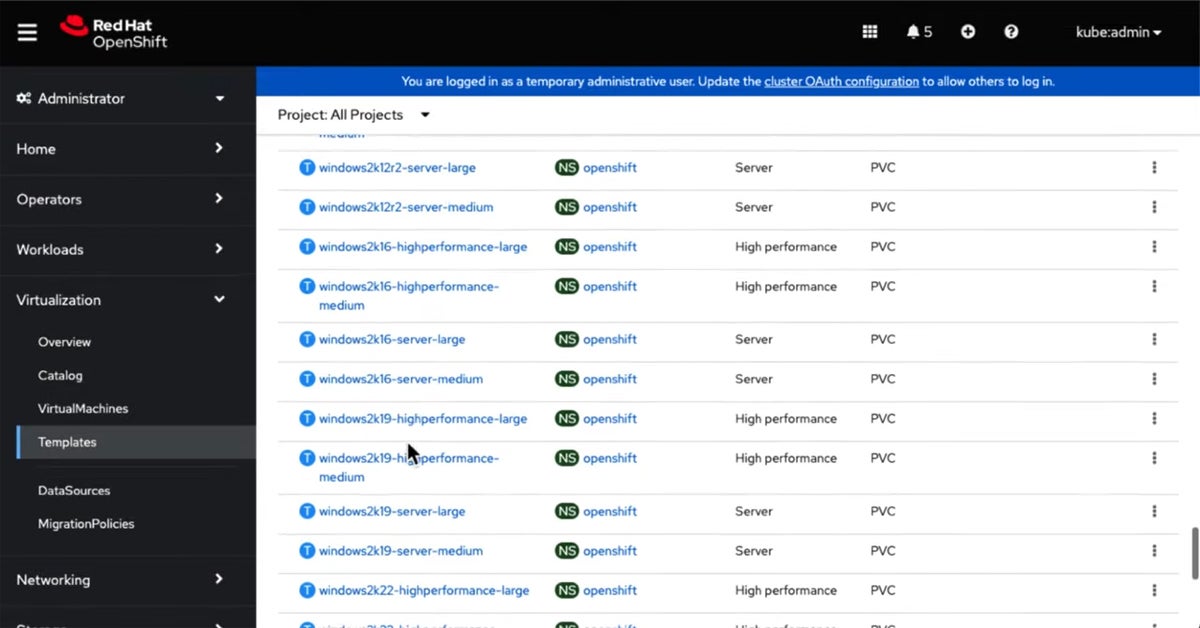
To assist IT professionals in navigating the multitude of available solutions, industry analysts evaluate hypervisors across several key performance indicators: resource management efficiency, architectural compatibility, security isolation, networking depth, and overall cost.
-
Red Hat OpenShift Virtualization
Positioned as a premier enterprise solution, Red Hat OpenShift Virtualization bridges the gap between traditional virtual machines and modern containerized environments. Built on the bedrock of KVM, it enables organizations to migrate and manage VMs alongside containers within a unified Kubernetes framework. While it demands a higher resource allocation and a steep learning curve for teams unfamiliar with container orchestration, its capacity to streamline hybrid-cloud operations makes it a favorite for digital transformation initiatives. It is notably the only commercial, paid solution highlighted in prominent enterprise comparisons, backed by Red Hat’s extensive corporate support infrastructure.
-
oVirt
Designed specifically for large-scale data center management, oVirt functions as a robust, open-source virtualization management platform. Evolving from its roots as the upstream project for Red Hat Enterprise Virtualization (RHEV), oVirt excels at orchestrating vast fleets of virtual machines across heterogeneous hardware clusters. Though it offers a feature-rich environment for administrators managing complex multi-tenant infrastructures, its setup and ongoing maintenance require dedicated IT personnel with advanced networking and storage expertise. -
Linux-KVM
As an intrinsic component of the Linux kernel, Linux-KVM provides unmatched performance and native hardware acceleration for Linux-centric environments. By utilizing modern CPU virtualization extensions (such as Intel VT-x and AMD-V), KVM allows multiple guest operating systems to run with minimal latency and overhead. Its open-source nature ensures continuous improvement via global kernel contributions, though its optimal utility is traditionally realized within dedicated Linux deployments rather than heterogeneous operating system environments.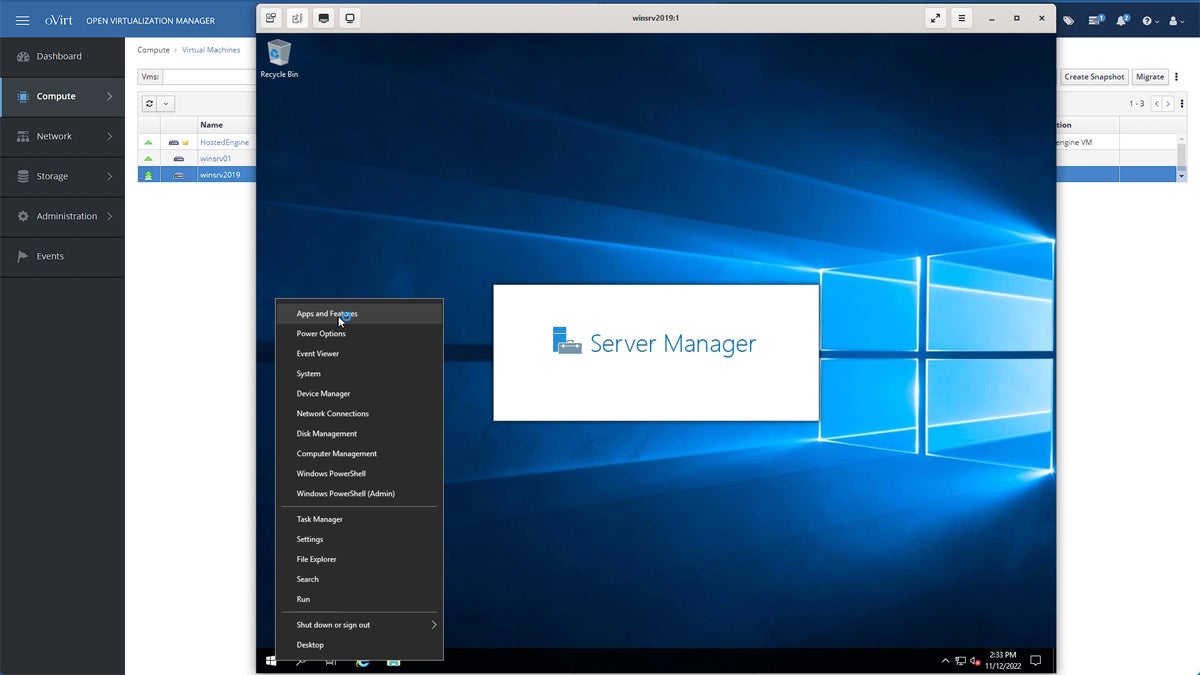
-
QEMU
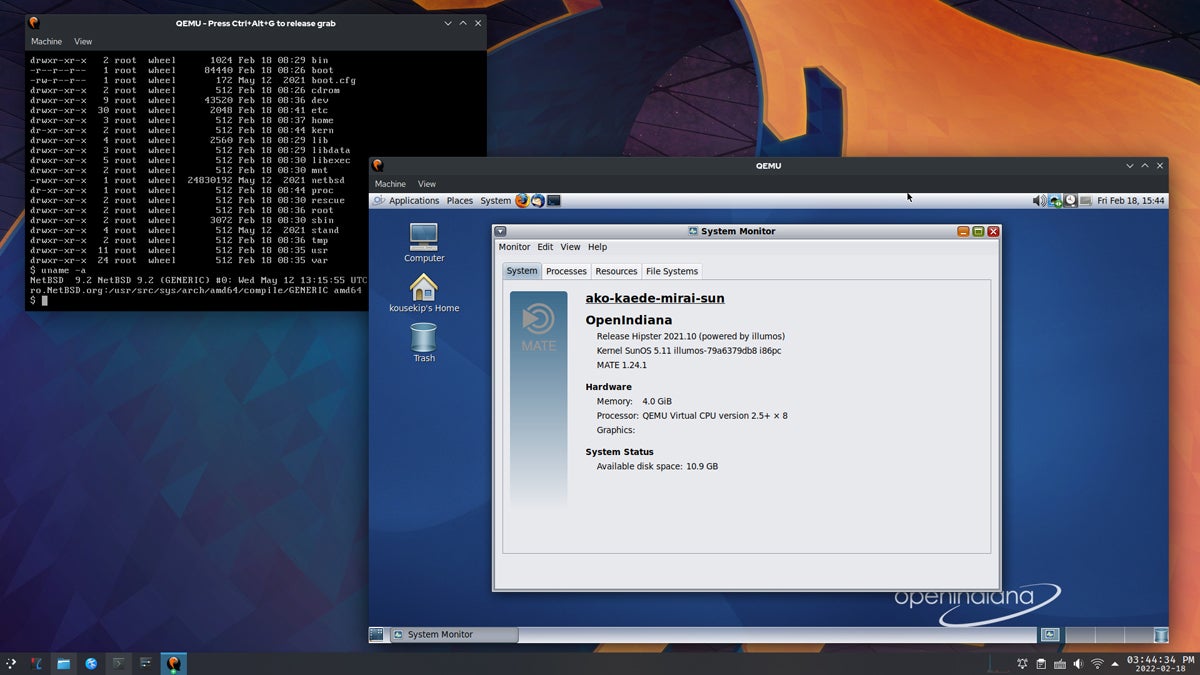
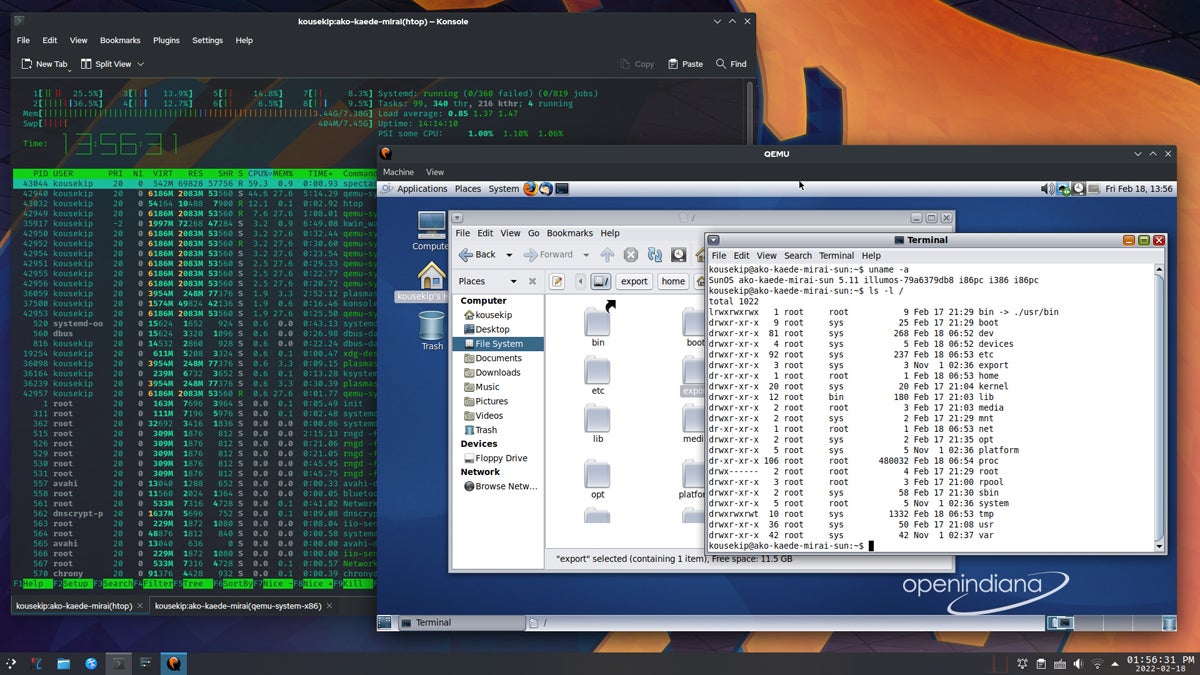
Renowned for its unparalleled versatility, QEMU (Quick Emulator) operates as both an emulator and a virtualizer. Unlike hypervisors strictly bound to native host architectures, QEMU can emulate a wide variety of CPU architectures—such as ARM, MIPS, and PowerPC—making it an indispensable tool for cross-platform software development, debugging, and legacy system testing. While its emulation mode can introduce performance overhead compared to hardware-assisted virtualization, its flexibility remains unmatched in the open-source community. -
Xen Project
The Xen Project hypervisor remains a gold standard for environments prioritizing rigorous security and isolation, such as multi-tenant cloud service providers. Utilizing efficient paravirtualization techniques, Xen minimizes performance degradation while maintaining strict boundary controls between guest domains. Although historically optimized for Unix and Linux distributions, its robust architecture is favored by advanced engineering teams requiring absolute control over hypervisor-level security.
-
VirtualBox
Developed by Oracle, VirtualBox targets users seeking straightforward, cross-platform virtualization. Supporting Windows, macOS, Linux, and Solaris hosts, VirtualBox offers an accessible graphical user interface that simplifies the creation and configuration of local virtual machines. While it lacks the advanced scalability, automated failover, and high-density performance tuning required for massive enterprise data centers, it remains a ubiquitous utility for developers and desktop users needing quick, isolated testing environments.
Evaluation Methodology and Selection Criteria
The selection of a virtualization platform involves a rigorous balancing act between technical requirements, administrative overhead, and budgetary constraints. Enterprise decision-makers typically weigh platforms against a standardized matrix:
- Feature Set and Performance (50% Weight): Resource allocation efficiency—particularly CPU, memory, and storage management under peak loads—commands the highest priority. Hypervisors integrated directly into the kernel, such as KVM and Xen, routinely score highest in latency reduction and resource optimization.
- Compatibility and Usability (30% Weight): Evaluating how seamlessly a platform integrates with existing infrastructure, supports diverse guest operating systems, and offers intuitive management interfaces (whether GUI or command-line driven).
- Security and Reliability (20% Weight): Assessing the strength of virtual machine isolation, network segmentation controls, automated failover mechanisms, and disaster recovery snapshot capabilities.
Implications for Enterprise IT Strategies

The choice of virtualization software carries long-term strategic implications for business continuity, capital expenditure, and technological scalability. Organizations adopting open-source solutions like KVM, QEMU, or Xen benefit from the elimination of prohibitive per-socket licensing fees, freeing up capital for hardware upgrades or specialized engineering talent. However, this fiscal savings is often offset by the requirement for deeper in-house technical expertise to configure, secure, and maintain the infrastructure.
Conversely, enterprise-grade packaged solutions like Red Hat OpenShift Virtualization provide comprehensive vendor support, automated lifecycle management, and seamless hybrid-cloud integration at the cost of commercial subscriptions and steeper hardware resource prerequisites.
As edge computing, containerization, and hybrid cloud architectures continue to converge, the traditional boundaries of server virtualization are blurring. IT leaders must carefully audit their current workload distributions, security posture, and internal skill sets to select a virtualization platform capable of adapting to future computational demands without compromising system reliability or data integrity.
