
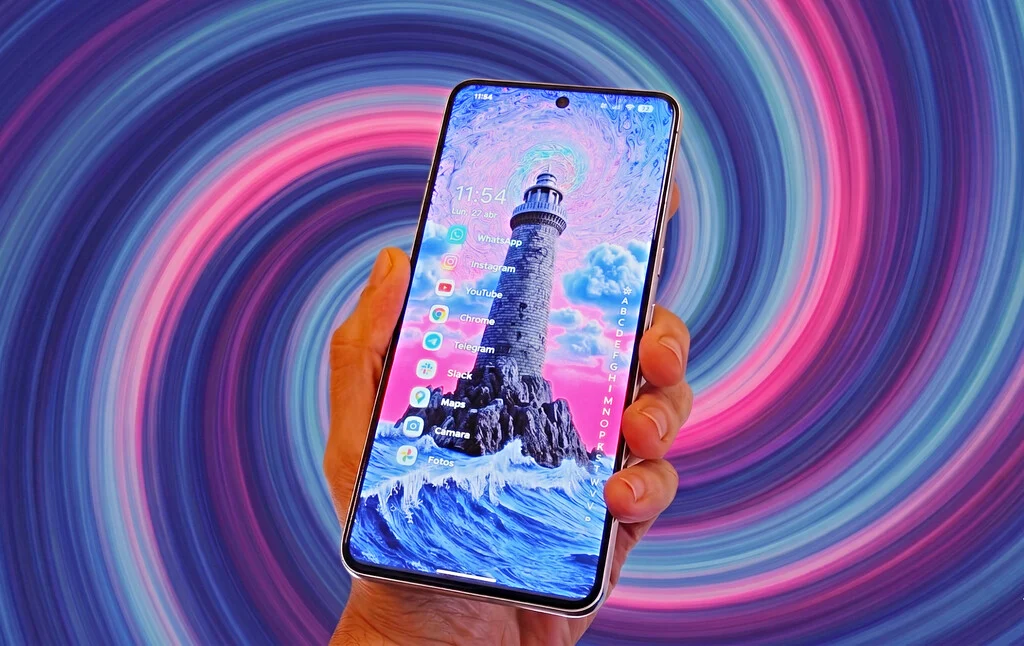

The Android operating system has long been lauded for its unparalleled versatility in customization, a distinct advantage that sets it apart in the mobile landscape. While manufacturers introduce their proprietary interface layers, a robust ecosystem of third-party launchers further empowers users to profoundly alter the aesthetics and functionality of their devices. Among these, Niagara Launcher has emerged as a significant player, particularly for those seeking a streamlined, distraction-free smartphone experience. This article examines the design philosophy, functional impact, and broader implications of Niagara Launcher, analyzing its role in fostering digital well-being and enhancing user productivity.
The Evolution of Android Customization and the Rise of Launchers
From its inception, Android distinguished itself by offering an open, flexible platform that allowed for extensive personalization, a stark contrast to the more walled-garden approach of its primary competitor. This openness fostered a vibrant community of developers and designers who created custom ROMs, icon packs, widgets, and crucially, third-party launchers. Launchers serve as the primary user interface of an Android device, dictating how the home screen, app drawer, and gestures operate. Users adopt them for a multitude of reasons, ranging from aesthetic preferences and performance enhancements to advanced organizational tools and, increasingly, for digital well-being purposes.
Historically, launchers like Nova Launcher gained immense popularity by offering granular control over every aspect of the home screen, appealing to power users who desired intricate grid layouts, custom gestures, and extensive theming options. Other launchers, such as Microsoft Launcher, focused on cross-device integration and productivity features. However, as smartphone usage intensified and concerns about digital addiction grew, a new category of minimalist launchers began to gain traction. These launchers prioritize simplicity, efficiency, and a reduction of visual clutter, aiming to help users regain control over their digital habits. Niagara Launcher stands at the forefront of this minimalist movement, offering a radical rethinking of the traditional Android home screen.
Niagara Launcher: A Paradigm Shift in Interface Design
Niagara Launcher’s core concept represents a profound departure from the conventional grid-based home screen. Unlike standard launchers that present a multitude of app icons, folders, and widgets across multiple scrollable pages, Niagara adopts an ultra-minimalist approach. The interface is reduced to a single, vertical list of manually selected "favorite" applications. This design intentionally eliminates common elements such as a traditional app drawer icon, multi-page home screens, and even individual app icons in their conventional sense, opting instead for a clean, text-centric display.
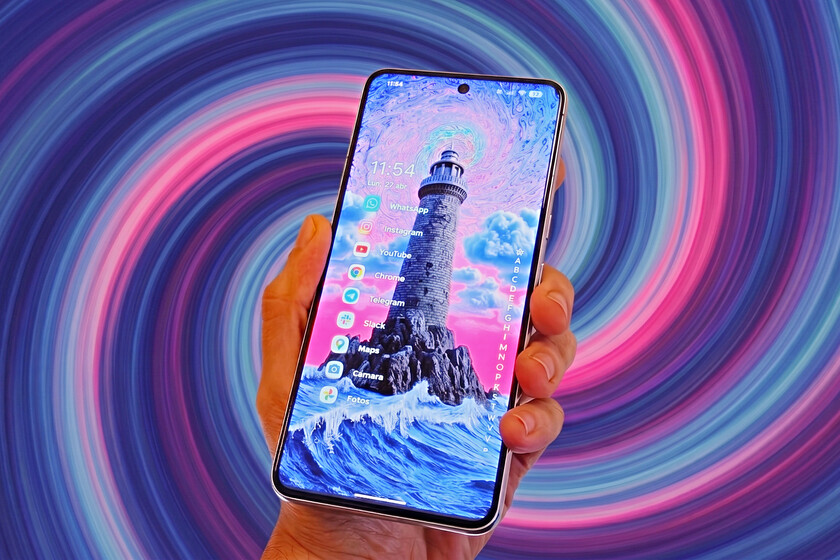
Upon initial setup, users are prompted to choose a select few essential applications that will reside on this primary list. This deliberate selection process forces users to consciously consider which apps are truly vital for immediate access. For many, this list comprises utilitarian tools: messaging apps, camera, navigation, and other core communication platforms. The result is an incredibly clean and uncluttered screen, providing instant access to critical services with a single tap, bypassing the need to navigate through app drawers or complex folder structures. This initial choice sets the stage for a more intentional interaction with the device.
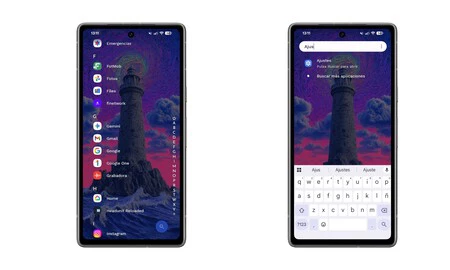
The management of less frequently used applications is handled with equal ingenuity. Rather than a hidden drawer accessed by a specific button, Niagara integrates an "app drawer" that is visually identical to the main list but accessible via an intuitive alphabetical scroll bar on the right edge of the screen or through an upward swipe gesture that reveals a search bar. This design ensures that all applications remain accessible, but critically, those not deemed "essential" for the primary list require a conscious action to locate and launch. This strategic placement and access mechanism are central to Niagara’s digital well-being strategy, as discussed below.
The Psychology of Digital Well-being and Niagara’s Impact
The proliferation of smartphones has undeniably brought unprecedented connectivity and information to our fingertips. However, it has also ushered in an era of digital distraction, compulsive checking, and notification overload, collectively contributing to a phenomenon often termed "smartphone addiction" or "problematic smartphone use." Research indicates that the average smartphone user spends several hours a day on their device, often checking it hundreds of times. A 2023 study by DataReportal, for instance, revealed that the average daily time spent using mobile phones globally was 5 hours and 2 minutes, with a significant portion dedicated to social media and entertainment apps. This constant engagement can lead to reduced attention spans, decreased productivity, and increased anxiety.
Traditional home screens, with their dense grids of brightly colored icons and notification badges, exacerbate this issue by creating a high cognitive load. Each visible icon represents a potential task, a new piece of information, or a social interaction, constantly vying for the user’s attention. This visual noise can trigger automatic, often unconscious, behaviors. For example, unlocking the phone to check the time might habitually lead to opening a social media app simply because the icon is visually prominent and muscle memory guides the thumb.
Niagara Launcher directly addresses this psychological challenge by introducing a concept known as "friction design." By removing non-essential applications from immediate, highly visible access, it creates a small, deliberate barrier – a "friction" – to accessing apps that commonly lead to procrastination or mindless scrolling. Users are no longer presented with a vibrant array of tempting icons. Instead, if they wish to open a social media app or a game, they must consciously perform an action: either swipe down the alphabetical list to find the app by its initial letter or type its name into the search bar. This brief moment of conscious effort acts as an interruptive cue, prompting the user to pause and ask: "Do I genuinely need to open this app right now?" For many, the answer is often no, leading to a significant reduction in impulsive app usage.
Observations from long-term users of Niagara Launcher consistently highlight these benefits. Reports indicate a noticeable decrease in mindless scrolling and compulsive app checking. The intentionality required to launch non-essential apps fosters a more mindful relationship with the device. This shift can lead to improved focus, reduced digital fatigue, and a perceived increase in productivity for core tasks, as users spend less time being inadvertently drawn into time-consuming applications. The minimalist interface actively supports the goals of digital well-being initiatives by nudging users towards more deliberate and purposeful smartphone interaction.
Technical Integration and User Experience Enhancements
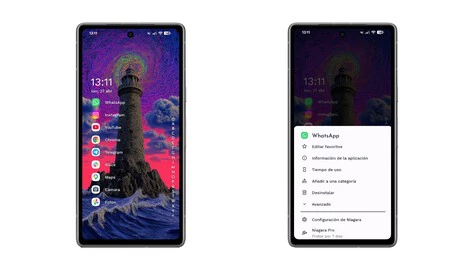
Despite its radical departure from conventional Android interfaces, Niagara Launcher maintains a high degree of technical integration and user-friendliness, ensuring a seamless transition for most users. Essential Android navigation gestures are preserved and function flawlessly. For instance, swiping down from any point on the screen reliably brings down the notification panel and quick settings, while an upward swipe gesture immediately invokes the keyboard for instant search functionality. This continuity minimizes the learning curve and allows users to retain familiar interaction patterns for core system functions.
Beyond functionality, Niagara offers a significant aesthetic advantage. Its minimalist design philosophy inherently promotes a cleaner visual experience. By reducing the number of visible icons and eliminating notification badges on the main screen, the launcher allows the user’s chosen wallpaper to truly shine. The removal of visual clutter transforms the home screen into a tranquil digital canvas, enhancing the overall aesthetic appeal of the device.
Furthermore, Niagara Launcher demonstrates impressive integration with the evolving design language of modern Android versions, such as those found on Pixel devices with Material You principles. The animations for opening applications, navigating back, or returning to the primary app list are remarkably fluid and cohesive. This seamless performance creates an experience that feels native, as if the minimalist interface were an integral part of the operating system itself, rather than a third-party overlay. This level of polish contributes significantly to its positive reception, bridging the gap between customizability and a premium user experience. Its inherent simplicity and speed also make it a compelling alternative in specific contexts, such as an in-car interface for users without Android Auto, where large, clear text and minimal interaction steps are paramount for safety and ease of use.
Business Model and Accessibility
Niagara Launcher operates on a freemium model, offering a robust and highly functional free version that meets the needs of many users. This accessibility allows a wide audience to experience its benefits without an initial financial commitment. For users who desire advanced features, additional customization options, or wish to support the developers, a premium version is available, typically offered as a one-time purchase for a "lifetime license." This payment model is particularly appealing to users who are wary of recurring monthly or annual subscription fees for software that enhances their personal device experience. The preference for a one-off payment aligns with a broader consumer sentiment that views device customization as a fixed investment rather than an ongoing service.
The launcher is widely available on the Google Play Store and supports a broad range of Android devices and versions, ensuring its accessibility to a global user base. Its lightweight nature also means it performs efficiently even on older or less powerful hardware, further broadening its appeal. This strategic blend of a feature-rich free tier and a consumer-friendly premium option has contributed to its sustained popularity and positive reviews within the Android community.
Broader Implications and the Future of Smartphone Interfaces
Niagara Launcher’s success is indicative of a broader industry trend towards minimalism and digital decluttering. As users become increasingly aware of the psychological toll of constant digital connectivity, there is a growing demand for tools that help them manage their screen time and focus. Major operating systems like Android and iOS have already introduced native "Digital Wellbeing" suites and "Focus Modes," acknowledging the need for users to set boundaries with their devices. Third-party launchers like Niagara complement these efforts by offering a more fundamental, interface-level solution to distraction.
The implications extend beyond individual productivity. A more intentional approach to smartphone use can positively impact mental health, reduce stress, and foster deeper engagement with real-world activities. By empowering users to curate their digital environment, Niagara Launcher contributes to a paradigm where technology serves human needs rather than dictating human behavior.
While minimalist launchers cater to a specific segment of users, their growing popularity suggests a potential shift in how future smartphone interfaces might be designed. Operating system developers may increasingly integrate features that allow for more streamlined, focus-oriented home screen options natively. The challenge for such interfaces will be to balance simplicity with the inherent versatility and feature richness that many users still expect from their smartphones. However, the success of Niagara Launcher demonstrates that a significant portion of the user base is actively seeking ways to simplify their digital lives, even if it means rethinking decades-old interface conventions.
In conclusion, Niagara Launcher represents more than just an aesthetic alternative; it embodies a philosophical approach to smartphone interaction. By prioritizing simplicity, efficiency, and intentionality, it provides a powerful tool for users seeking to combat digital distraction and enhance their digital well-being. Its seamless integration, intuitive design, and proven impact on user behavior position it as a significant innovator in the evolving landscape of Android customization and a harbinger of future trends in smartphone interface design. For those grappling with notification fatigue or the impulse to endlessly scroll, Niagara Launcher offers a compelling solution, transforming the smartphone from a source of constant distraction into a more focused and purposeful tool.
