
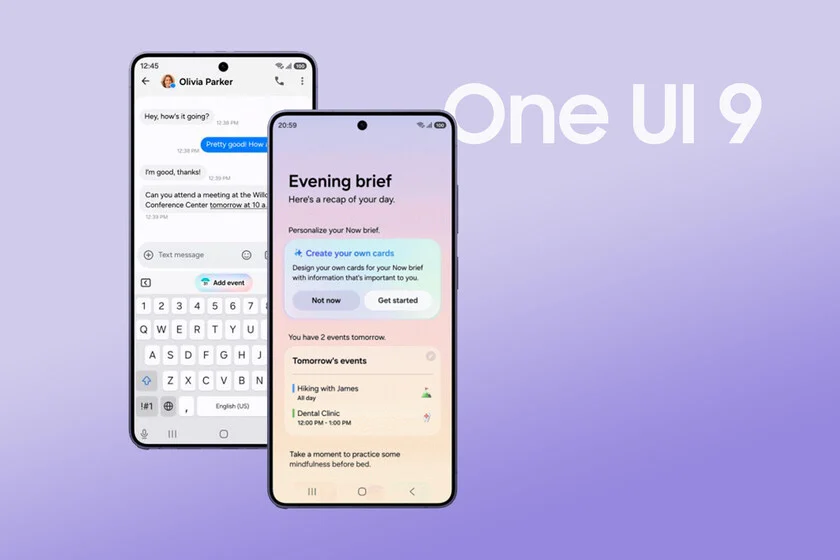

The highly anticipated rollout of One UI 9, Samsung’s latest iteration of its custom interface based on Android 17, has encountered a procedural delay. Initially expected to begin its global distribution cycle this week, the software update—which serves as the backbone for the user experience on Samsung’s flagship Galaxy devices—is currently undergoing final optimization. While the exact revised release date remains fluid, industry analysts expect the deployment to commence within the next few days. This delay, while minor in the context of global software lifecycles, highlights the increasing complexity of integrating large-scale artificial intelligence models into mobile hardware.
Contextualizing the One UI 9 Delay
Samsung’s development cycle for One UI has historically prioritized stability and feature parity across its diverse device catalog. The shift to Android 17 represents a significant structural change in how the operating system manages background processes and energy efficiency. According to internal reports from industry observers and leakers, the delay is not the result of a critical software failure, but rather a strategic decision to ensure that new AI-driven features perform reliably across various chipsets.
For users, this means that the wait for the latest security patches, interface refinements, and the core Android 17 architecture is likely to end before the conclusion of the current month. The delay serves as a reminder of the rigorous quality assurance (QA) protocols Samsung maintains for its flagship series, particularly as the company pivots toward a more "AI-first" mobile ecosystem.
The Hardware Bottleneck: AI Features and Device Compatibility
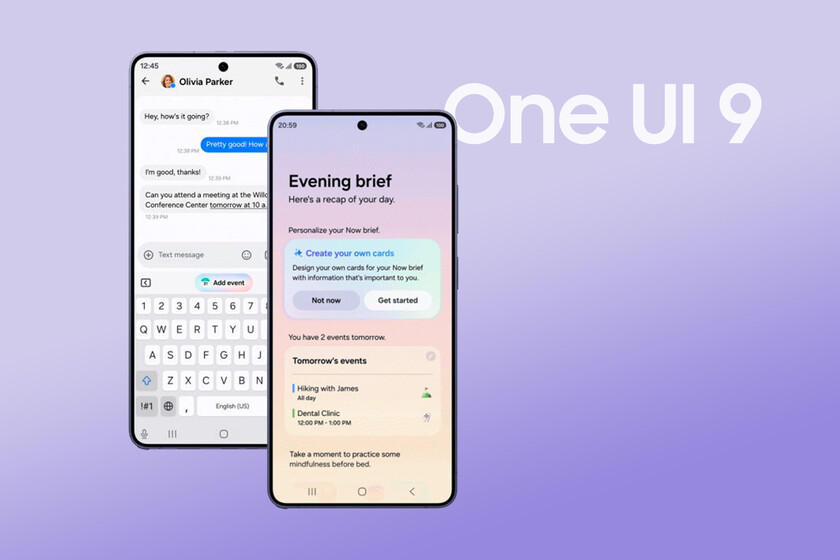
One of the central themes of the One UI 9 update is the introduction of advanced generative and predictive artificial intelligence tools. However, these innovations are not hardware-agnostic. The integration of features such as My FanCam, Call Brief, Now Nudge, and Now Brief requires significant neural processing unit (NPU) overhead. As a result, Samsung has implemented a tiered distribution system for these specific functionalities.
This tiered approach is necessitated by the physical limitations of mobile hardware. While modern flagships like the Galaxy S26 series are built with the required NPU capacity to handle these intensive processes locally, older or mid-range models lack the necessary raw computational power. Consequently, Samsung has categorized its devices based on their capability to handle these new software demands:
- Tier 1 (Full Suite): Devices featuring the latest generation processors, including the most recent Galaxy S and Z foldables, which will support My FanCam, Call Brief, Now Nudge, and Now Brief in their entirety.
- Tier 2 (Partial Suite): Models that possess sufficient processing power for most AI tasks but lack the specific hardware requirements for advanced call-processing features like Call Brief.
- Tier 3 (Interface and Security Updates Only): Older hardware that remains supported by Samsung’s software policy but is excluded from the new AI-specific feature set due to performance constraints.
Analysis of the AI Integration Strategy
The decision to limit certain software features based on hardware capability is a standard industry practice, yet it remains a point of contention for consumers who prefer to retain their devices for several years. Analysts suggest that this is a move toward long-term platform sustainability. By preventing intensive AI tasks from running on older hardware, Samsung preserves the battery life and overall responsiveness of those devices.
Furthermore, the introduction of features like "Now Brief" represents a shift in how Samsung is utilizing data to improve productivity. These features rely on large language models (LLMs) that are increasingly optimized to run on-device rather than in the cloud. This trend toward "Edge AI" is the primary driver behind the hardware-dependent nature of the One UI 9 update. By offloading these tasks to the device’s local silicon, Samsung aims to increase user privacy and reduce latency, even if it results in feature fragmentation across the Galaxy lineup.
Timeline and Expected Rollout Strategy
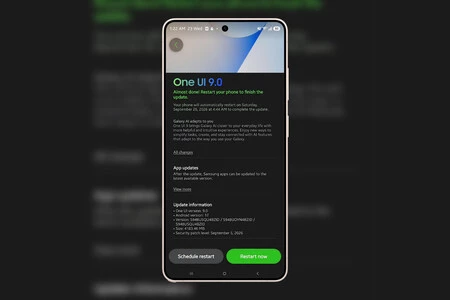
The rollout of One UI 9 is expected to follow the established Samsung update hierarchy. Typically, the newest flagship devices—specifically the Galaxy S26 series—will receive the update first. This allows the company to monitor real-world performance data before pushing the update to the broader S-series, Z-series, and subsequently, the A-series and M-series devices.
Historically, the period between the initial announcement and the final global rollout of a major Android version can span several months. Samsung’s commitment to providing up to seven years of security updates for its recent models means that even devices that do not receive the new "AI-heavy" features will continue to receive critical security patches and interface optimizations. This approach is designed to maintain the integrity of the user experience, ensuring that older phones do not become obsolete simply because they cannot support the newest high-intensity software additions.
Implications for the User Experience
For the average consumer, the update to One UI 9 will still provide significant value, regardless of whether their device supports the new AI features. The update includes a comprehensive overhaul of the system interface, enhancements to the document scanner, upgrades to the integrated voice recorder, and a refined "Creative Studio" for media editing. These improvements focus on usability, accessibility, and speed—factors that are often prioritized over niche AI tools in daily use.
Users are encouraged to monitor their device settings to ensure they are prepared for the update. By navigating to Settings > Software Update > Download and Install, users can check for the availability of the update once the deployment begins. It is highly recommended that users back up their data via Samsung Cloud or an external storage device before initiating the update process, as a transition to a new major Android version is a significant system-wide change.

The Broader Landscape of Android Updates
The current situation surrounding One UI 9 highlights the ongoing maturation of the smartphone market. With hardware innovation slowing down in terms of raw specifications, software and AI capabilities have become the primary battlegrounds for manufacturers. Samsung, as a leader in the Android space, is under immense pressure to deliver these features while maintaining the performance standards of its massive user base.
The delay of this update is a strategic maneuver that prioritizes the long-term health of the user ecosystem. By ensuring that One UI 9 is polished before it reaches the hands of millions, Samsung aims to avoid the common pitfalls of software bugs that often plague high-profile releases. As the industry moves toward more sophisticated, AI-driven operating systems, the ability to balance hardware limitations with innovative software will define the success of future flagship releases.
Ultimately, while the absence of specific AI features on older hardware may disappoint some users, the overall package delivered by One UI 9—comprising security, stability, and UI improvements—reinforces Samsung’s market position. The company remains committed to its long-term support promises, ensuring that even as the software becomes more demanding, the hardware remains functional, secure, and relevant for the duration of the device’s lifecycle. Consumers can expect a stable and refined update as the company completes its final internal verification steps in the coming days.
