
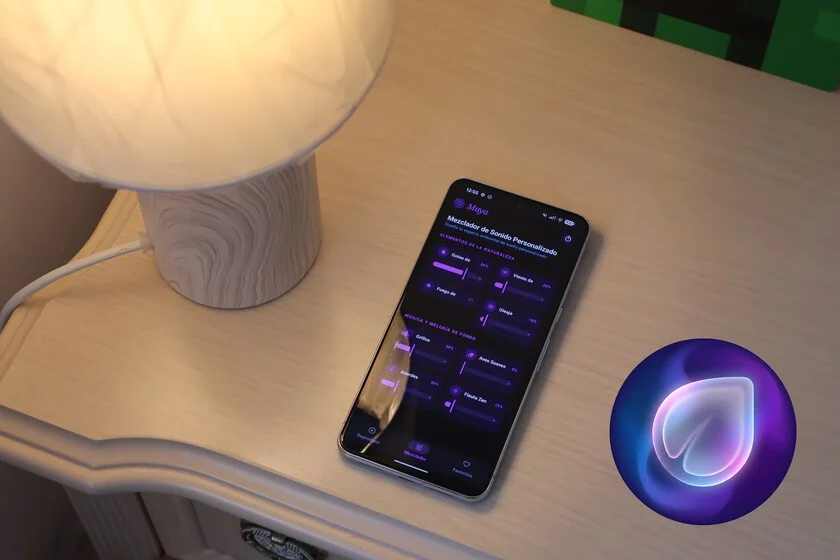

In an era increasingly defined by digital solutions, a user’s journey to conquer nightly insomnia highlights a burgeoning trend: the democratization of software development through artificial intelligence. Frustrated by the pervasive issues of advertisements and subscription models within commercially available sleep aid applications, an individual embarked on a personal quest to engineer a tailored solution. This endeavor, leveraging advanced AI tools from Google, resulted in a custom-built mobile application that offers an ad-free, subscription-free, and highly personalized pathway to restful sleep, signaling a significant shift in how personal technological needs can be addressed in the modern landscape.
The Genesis of Innovation: A Personal Quest for Rest
For years, countless individuals have relied on ambient sounds—particularly those mimicking nature, such as rain or forest soundscapes—to facilitate sleep. This reliance has fueled a robust market for mobile applications designed to provide these auditory aids. However, as the digital ecosystem matured, so too did the monetization strategies of app developers. Users frequently encounter apps that, while initially promising, quickly introduce barriers to access, primarily in the form of recurring subscription fees or intrusive advertisements that disrupt the very tranquility they are meant to foster. This particular user, having navigated these frustrations for an extended period, observed a recurring pattern: most applications either demanded a monthly payment for looped audio content or were heavily monetized through pervasive advertising, diminishing the user experience and undermining the core purpose of the tool.
The global prevalence of sleep disorders underscores the critical need for effective and accessible sleep aids. According to the World Health Organization (WHO), sleep problems affect a significant portion of the adult population worldwide, with insomnia being one of the most common complaints. The market for sleep technology, including apps, smart devices, and specialized gadgets, has consequently seen exponential growth, projected to reach billions of dollars annually. Within this burgeoning market, sleep sound apps form a significant segment, catering to a broad demographic seeking non-pharmacological interventions for sleep difficulties. However, the commercial imperative often clashes with user experience, leading to widespread dissatisfaction with the standard offerings.
The AI Revolution in App Development: From Concept to Code in Minutes
The turning point for this user came with the decision to bypass the conventional app market altogether and forge a custom solution. This pivot was made possible by the rapid advancements in AI-driven development platforms. The journey began with an exploration of Google Stitch, a tool designed for sketching application interfaces, which allowed for the conceptualization of a mobile app layout. Following this, the idea was rapidly materialized using Google AI Studio, powered by the Gemini model. Within a matter of minutes, a functional application was generated, deployable on both the user’s mobile device and PC, demonstrating a remarkable leap in the accessibility of software creation.
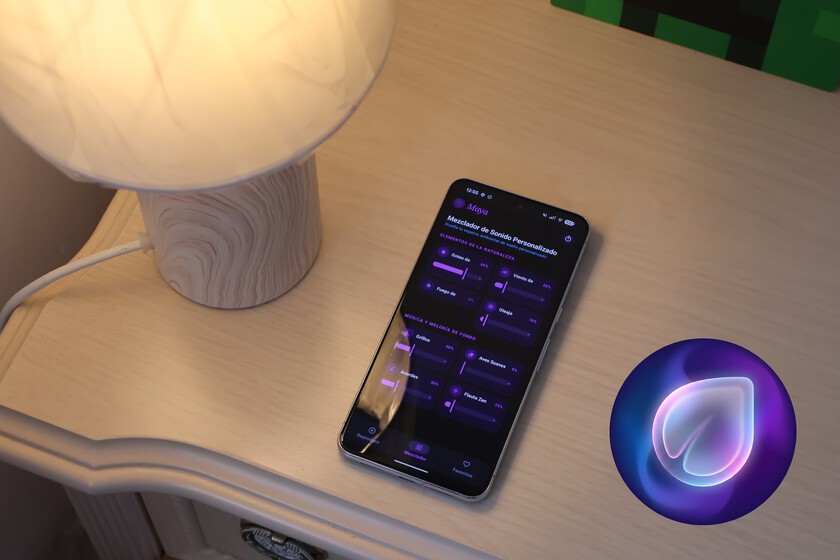
This process exemplifies a broader trend in technology: the democratization of development. Traditionally, creating a custom application required specialized programming knowledge, extensive coding, and significant time investment. The advent of no-code and low-code platforms, now significantly enhanced by generative AI, is dismantling these barriers. Tools like Google AI Studio allow users to describe their desired application in natural language, and the AI then generates the underlying code and user interface. This paradigm shift empowers individuals without formal programming backgrounds to translate their ideas into functional software, moving beyond mere consumption to active creation. The speed and efficiency demonstrated in this case—an app from idea to deployment in approximately fifteen minutes—highlight the transformative potential of these AI platforms.
A Tailored Solution: The User Experience Unpacked
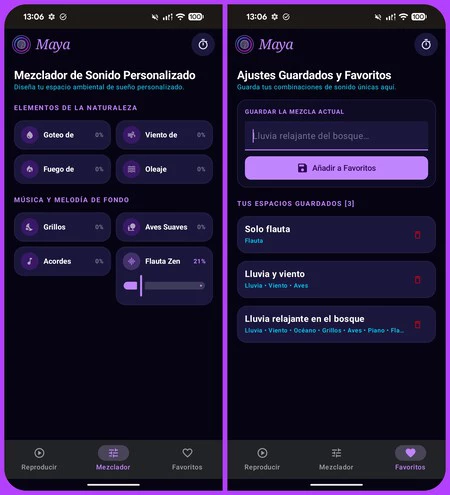
The resulting AI-generated application stands in stark contrast to its commercial counterparts, offering a highly personalized and unobtrusive experience. Designed to adhere to Google’s Material 3 Expressive design language, the app boasts an interface that feels inherently familiar and intuitive. This seamless integration with the aesthetic and functional norms of Android applications ensures that navigation is fluid, eliminating any visual or operational friction for the user.
The daily routine for the user has been significantly streamlined. Upon opening the application—which, despite the AI creating a widget, is often launched directly—the user is presented with a clear choice: either select a pre-saved combination of favorite sounds or opt for a single, specific sound for the night. This level of customization allows for a highly adaptable sleep environment, responding to varying needs and preferences on any given evening.
A key feature, explicitly included by Gemini during the development process, is an integrated sleep timer. This functionality is paramount to the user’s satisfaction. Configuring the timer allows the user to initiate the chosen soundscape, place the phone aside, and drift into sleep without further interaction. The application automatically ceases playback once the specified duration elapses, ensuring an uninterrupted transition into deep sleep without the device consuming power unnecessarily or continuing to play sounds beyond their utility.
The primary advantages of this self-developed software are its inherent fluidity and, crucially, the complete absence of advertisements. In a digital landscape increasingly saturated with interruptions, an ad-free experience is a significant luxury. Furthermore, the ability to continuously refine and improve the application through simple AI prompts offers an unparalleled sense of control and freedom. This ongoing iterative development, guided by personal desires rather than external market forces, ensures the app remains perfectly aligned with the user’s evolving needs.
Beyond the Personal: Implications for Sleep Technology and User Empowerment
This individual’s success story carries broader implications for the sleep technology market and the burgeoning field of user-driven software development. While commercial sleep apps often boast more extensive libraries of professionally recorded sounds and higher production values, their business models frequently compromise the user experience. The trade-off for these sophisticated features typically involves either a monthly subscription fee, which can be perceived as excessive for a seemingly simple utility, or a constant barrage of advertisements that negate the very purpose of a calming sleep aid. The creation of a bespoke, ad-free alternative challenges this established model, demonstrating that a personalized, functional solution can be achieved without these compromises.
The rise of AI-powered development tools like Google AI Studio, Gemini, and similar platforms from other tech giants like OpenAI and Microsoft, signals a fundamental shift in software creation. This shift democratizes technology, moving it from the exclusive domain of professional developers to the hands of everyday users. It enables individuals to address niche personal problems with custom solutions, fostering a new wave of innovation driven by direct need rather than market speculation. This paradigm could lead to a proliferation of highly specialized, user-centric applications that perfectly meet specific requirements, bypassing the "one-size-fits-all" limitations of mass-market software.
The Technical Landscape: AI’s Role and Its Current Limitations
Despite the undeniable advantages, AI-generated applications, particularly those created by non-programmers, come with certain inherent limitations. The underlying code, while functional, may not always be the most optimized or elegant from a professional development perspective. This can lead to potential inefficiencies, although for simple, personal utilities, these are often negligible. Furthermore, competing with the vast, professionally curated audio libraries of established paid applications remains a challenge. These commercial entities invest heavily in high-fidelity recordings, diverse soundscapes, and advanced audio engineering, areas where a personal AI-generated app might fall short.
The most significant hurdle identified by the user is the expansion and renewal of the sound library. Without programming knowledge, the user’s ability to directly manipulate or add complex new audio features is limited. The process relies entirely on the AI’s capacity to interpret and execute prompts, and the user’s skill in structuring these requests effectively. This highlights a current frontier in AI development: while AI can generate code, the creative direction and the quality of external assets (like sound files) still require either human input or more sophisticated AI capabilities in content generation. Future iterations of these AI tools may integrate advanced content creation features, further bridging this gap.
The Value Proposition: Time vs. Effort in the AI Era
The question of whether the "effort" (or rather, the time invested in learning and prompting the AI) is worthwhile hinges on the individual’s specific needs and the alternatives available. For small, personal projects designed to solve a very concrete problem, the answer, in this instance, is a resounding yes. The barriers to entry for creating custom software have dramatically diminished for the general public. The ability to achieve a state of deep sleep "like a baby," free from the intrusion of banners or subscription prompts, serves as a powerful testament to the efficacy and value of this new approach to software development.

This case study illustrates a profound shift: the focus moves from traditional development "effort" to strategic "prompt engineering" and clear articulation of needs. While a professional developer might spend hours or days coding, a savvy user with AI tools can achieve a functional prototype in minutes. This changes the economic equation, making custom solutions viable for highly individual problems that would never justify the cost of professional development.
Future Outlook: The Evolving Interface Between Users and AI Development
The implications of this trend extend beyond individual sleep routines. As AI development tools become more sophisticated, intuitive, and integrated, we can expect a surge in personalized applications across various domains. From custom productivity tools to niche educational aids, the ability for individuals to craft software precisely to their specifications could redefine user interaction with technology. This empowers users not just as consumers, but as active participants in shaping their digital environments.
The continuous evolution of AI agents, such as those that can operate autonomously (like the "OpenClaw" concept mentioned in related articles), suggests a future where users might delegate complex tasks or even entire development cycles to AI. Imagine an AI agent not only generating the initial app but also actively searching for and integrating high-quality sound libraries, optimizing the code for performance, and even deploying updates based on user feedback—all initiated through natural language commands. This vision points towards an era where personal AI companions act as sophisticated digital craftsmen, continuously refining and expanding an individual’s bespoke software ecosystem.
In conclusion, the journey of an individual bypassing the frustrations of commercial sleep apps by leveraging AI to create a personalized solution is more than a mere anecdote. It is a microcosm of a larger technological revolution. It demonstrates that the power to build, customize, and control one’s digital tools is increasingly within reach for everyone, irrespective of their coding expertise. This trend promises a future where software is not just consumed but intimately crafted, leading to more relevant, efficient, and ultimately, more satisfying technological experiences.
