


The landscape of wearable technology, particularly smart glasses, has long been characterized by ambitious promises often overshadowed by practical limitations and market skepticism. From the early foray of Google Glass in 2013, which ultimately receded from the consumer market by 2015 due to issues ranging from privacy concerns to a lack of a clear value proposition, to more recent iterations like the Ray-Ban Meta glasses, the category has struggled to achieve mainstream acceptance. While the latter offered a more refined design and integrated some useful features, they largely remained a niche gadget, often perceived as expensive with limited functionality and dependent on specific technological ecosystems. However, a significant paradigm shift appears to be underway following the groundbreaking announcement by Samsung and Google at the I/O 2026 conference, unveiling a collaborative smart glasses project powered by the advanced Gemini AI. This development marks a pivotal moment, presenting a cohesive vision where design, functionality, and ecosystem integration converge to offer a compelling user experience, particularly for individuals embedded within the Samsung Galaxy and Google Gemini ecosystems.
A New Dawn for Smart Glasses: Learning from the Past
The journey of smart glasses has been fraught with challenges. Google Glass, while pioneering, faced public backlash over its conspicuous design and perceived privacy intrusions, earning the moniker "Glassholes" for early adopters. Its high price point, limited battery life, and often-clunky user interface further hindered widespread adoption. Lessons from this initial failure highlighted the critical importance of discrete design, a clear and intuitive user experience, and a compelling set of functionalities that genuinely enhance daily life rather than merely adding complexity. Subsequent ventures, including those from Meta with Ray-Ban, made strides in design integration, focusing on camera and audio capabilities within a more conventional eyewear form factor. These models, while more socially acceptable, still struggled to transcend their status as novelty items for a dedicated tech-savvy demographic, largely due to a lack of deeply integrated, context-aware intelligence and robust, multi-faceted utility.
The I/O 2026 announcement, therefore, arrives at a moment ripe for re-evaluation. The collaboration between Samsung, a titan in consumer electronics with a vast hardware ecosystem, and Google, a leader in AI and software platforms, brings together formidable strengths. This strategic alliance aims to address the fundamental shortcomings of previous attempts by focusing on a seamless blend of aesthetics, advanced artificial intelligence, and deep ecosystem integration. The presented concept for these new smart glasses suggests a departure from the "technology-first" approach of the past, instead prioritizing user experience and utility, signaling a potential inflection point for the entire wearable technology sector.

Design Philosophy: Blending In, Standing Out in Functionality
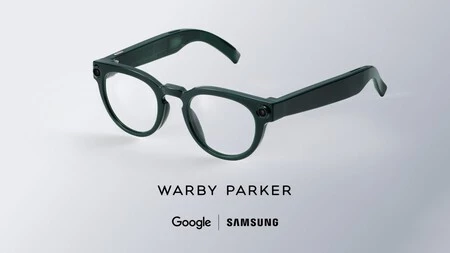
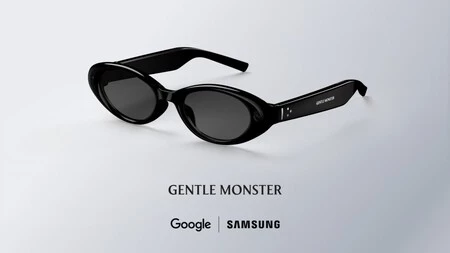
A cornerstone of the new Samsung-Google smart glasses strategy is their understated design. The initial version, slated for market release this autumn, notably omits an integrated screen in the lenses. Instead, it features integrated speakers within the temples, a microphone, and voice-activated or touch-controlled access to Gemini. This minimalist approach ensures that the glasses are visually indistinguishable from conventional, high-end eyewear. This design ethos is a direct response to the social friction experienced by earlier smart glasses, where overt technological displays often led to discomfort or self-consciousness among users.
To achieve this subtle aesthetic, Samsung and Google have strategically partnered with renowned eyewear brands Warby Parker and Gentle Monster. These collaborations are crucial; they lend credibility to the design, ensuring that the frames are not merely functional but also fashionable and comfortable for all-day wear. The emphasis on "glasses that look like glasses" is a deliberate move to overcome one of the biggest psychological barriers to smart eyewear adoption: the desire for technology to augment life without overtly announcing its presence. For many potential users, the ability to wear a device that integrates advanced capabilities while maintaining a conventional appearance is a decisive factor in considering daily use. This focus on natural form factor is paramount for mass market appeal, distinguishing them from bulkier, more visually intrusive mixed-reality headsets.
The Power of Gemini: Beyond Voice Commands to Ambient Intelligence
The true innovation of these new smart glasses lies in their deep integration with Google’s Gemini AI. Unlike rudimentary voice assistants that primarily respond to direct queries, Gemini, within this new form factor, acts as an "agent" capable of executing multi-step tasks with contextual awareness. This was vividly demonstrated at I/O 2026, showcasing a level of automation and proactive assistance previously unseen in wearable devices.
For instance, a user could verbally request food delivery while walking, and Gemini would seamlessly open the appropriate application, navigate the ordering process, and confirm the transaction without requiring the user to physically interact with their smartphone. This capability extends to a multitude of daily tasks, such as hailing a taxi, finding parking, or managing calendar appointments—all initiated and completed through voice commands or subtle gestures on the frame, freeing the user’s hands and attention. The critical differentiator here is Gemini’s ability to understand the user’s current context and situation, eliminating the need for repetitive or overly descriptive commands. This represents a significant leap from simple voice dictation to a truly intelligent, anticipatory assistant that integrates deeply into the user’s workflow. For individuals already utilizing Gemini Intelligence on their Galaxy devices for task automation, extending this capability to an always-worn device offers an immediate and intuitive enhancement to their digital lives. This move signifies Google’s ambition to extend Gemini’s reach beyond smartphones, establishing it as a pervasive ambient intelligence layer across various devices.
Real-World Applications: Enhancing Daily Life
Beyond task automation, the Samsung-Google smart glasses introduce several compelling functionalities that promise to transform everyday interactions:
-
Real-time Translation: The presentation highlighted a sophisticated real-time translation feature for conversations. What sets this apart is its ability to preserve the speaker’s original tone and vocal cadence, rather than relying on a robotic, synthetic voice. This creates a much more natural and empathetic communication experience. Furthermore, this capability extends to visual text, allowing the glasses to detect and translate signs, menus, and other written information in the user’s field of vision. While the immediate association is with international travel, the implications are far broader. In increasingly diverse urban environments or professional settings with international teams, seamless audio translation without the need to consult a phone can dramatically alter communication dynamics, fostering greater understanding and reducing barriers without interrupting the flow of conversation. It transforms a functional tool into a social enabler.
-
Navigation Without Distraction: Google Maps integration provides turn-by-turn audio directions directly to the user’s ear. This seemingly simple feature profoundly impacts urban mobility. Navigating unfamiliar streets while listening to directions, without the need to hold or constantly glance at a smartphone screen, significantly enhances safety, situational awareness, and the overall experience of exploring a new area. It allows users to remain engaged with their surroundings, observe local culture, and avoid the potential dangers of "smombie" (smartphone zombie) behavior, where individuals are engrossed in their devices rather than their environment. This hands-free, glance-free navigation is precisely the kind of practical, unobtrusive utility that justifies the daily wear of such a device.
These applications underscore a fundamental shift in design philosophy: from technology as a distraction to technology as an invisible enabler. The goal is to provide information and assistance precisely when needed, in the most unobtrusive way possible, allowing users to remain present and engaged with the physical world.
Ecosystem Integration: The Strategic Imperative
Samsung has long championed the concept of a seamlessly integrated ecosystem, where devices like smartphones, smartwatches, and wireless earbuds work in concert to deliver a superior user experience. The introduction of these smart glasses represents the next logical evolution of this strategy. The tight integration between Gemini on the glasses and the user’s Galaxy smartphone is a critical differentiator. This means Gemini can access the contextual information from the Galaxy phone, allowing for a more personalized and effective interaction. Information flows effortlessly between devices within the same ecosystem, minimizing setup complexities and maximizing utility.
This strategic alignment is not merely about convenience; it’s about creating a sticky user experience that adds significant value. When a user’s smart glasses, phone, and other wearables communicate intelligently, they collectively form a more powerful and responsive personal assistant. This deep integration is often the deciding factor between a novel gadget that eventually gathers dust and an indispensable tool that becomes an integral part of daily life. For Samsung and Google, this collaboration reinforces their respective positions in the competitive tech landscape, allowing them to offer a compelling alternative to rivals like Apple’s nascent Vision Pro or Meta’s ongoing efforts in the XR space. By leveraging existing user bases within the Galaxy and Google services ecosystems, they aim to accelerate adoption and solidify their foothold in the future of ambient computing.
Challenges and the Road Ahead

Despite the promising advancements, the path to mainstream adoption for smart glasses is not without hurdles. Key challenges include:
- Privacy Concerns: While the design is discreet, the presence of microphones and potentially cameras (even if not explicitly mentioned for the first version, it’s a future possibility) will inevitably raise privacy questions. Clear communication, robust privacy controls, and transparent data handling policies will be essential to build user trust.
- Battery Life: All-day wear demands exceptional battery longevity. The balance between powerful AI processing and energy efficiency will be critical.
- Cost: While aiming for mass appeal, the integration of advanced AI, sophisticated design, and premium partnerships will likely place these glasses at a significant price point, which could be a barrier for some consumers.
- Developer Adoption: The success of any new platform hinges on a vibrant ecosystem of third-party applications and services. Samsung and Google will need to foster developer interest to expand the utility of these glasses beyond their core features.
- Social Acceptance: Even with a discreet design, societal norms around wearing technology on one’s face evolve slowly. Sustained marketing and demonstrable benefits will be necessary to normalize their presence.
Looking forward, the evolution of these smart glasses is likely to include the integration of augmented reality (AR) displays. While the initial version focuses on audio-centric, AI-powered interactions, the underlying platform and strategic partnerships lay the groundwork for future iterations that could project contextual information directly onto the user’s field of vision. This would unlock an entirely new dimension of utility, from interactive navigation overlays to real-time data visualization.
The Samsung-Google collaboration on Gemini-powered smart glasses represents a calculated and significant step forward in the wearable tech domain. By addressing the critical failures of the past—namely, design obtrusiveness, limited utility, and a lack of seamless integration—they are positioning these glasses not as a mere gadget, but as an integral component of a future where technology is ambient, intelligent, and unobtrusive. For the first time, the vision for smart glasses appears to align with a genuine enhancement of daily life, making them a truly desirable companion for the modern individual.
