
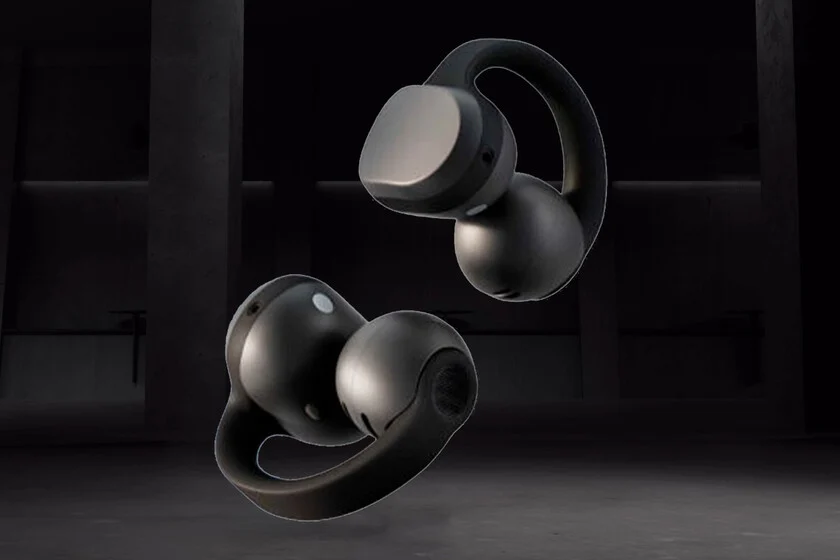

The landscape of personal audio is undergoing a significant transformation, and Samsung Electronics appears poised to lead the next iteration of this evolution with the upcoming launch of its latest wearable device, the Galaxy Buds On. While the company has long dominated the true wireless stereo (TWS) market with its traditional in-ear designs, recent leaks and industry intelligence suggest a radical departure in form factor and functionality. These new devices, previously monitored under the working title "Galaxy Buds Able," are now widely expected to carry the commercial name Galaxy Buds On and are reportedly in the final stages of production and regulatory certification.
The Evolution of Design: Embracing the Open-Ear Paradigm
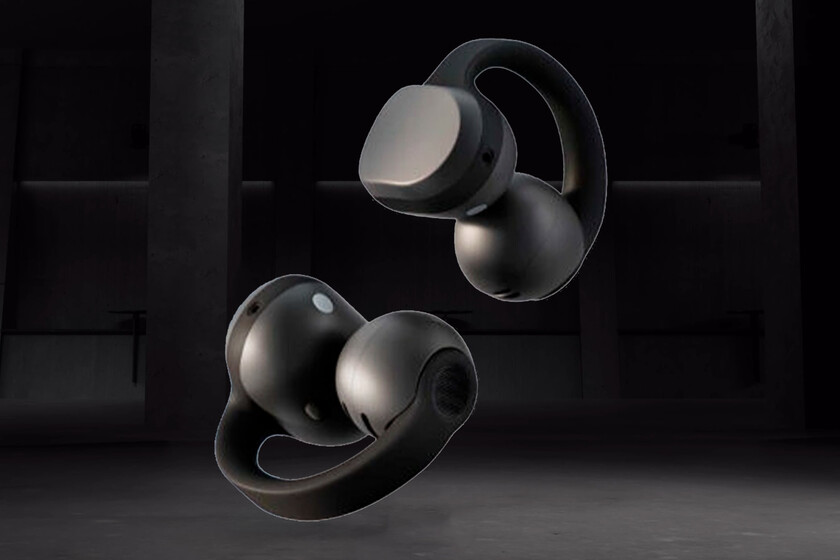
The most striking aspect of the forthcoming Galaxy Buds On is their physical architecture. Unlike the current Samsung Galaxy Buds series, which relies on silicone tips to create a physical seal within the ear canal, the new model adopts an "open-ear" design. This design philosophy is increasingly popular among consumers who prioritize situational awareness and comfort during prolonged usage.
Industry analysts have noted that the "clip-style" aesthetic—often referred to as an "ear cuff" design—bears a strong resemblance to established products such as the Bose Ultra Open Earbuds. This configuration allows the device to sit securely on the lower portion of the ear, leaving the ear canal completely unobstructed. By utilizing specialized air conduction technology, the Galaxy Buds On are expected to project sound directly into the ear without the need for the invasive fit associated with traditional earbuds. This technology is distinct from bone conduction, which relies on vibrations against the skull; instead, the Buds On will house miniaturized, precision-engineered speakers designed to direct audio waves toward the auditory canal while minimizing sound leakage to the surrounding environment.
Chronology of Development and Leaks
The trajectory toward the Galaxy Buds On has been visible through a series of tactical leaks and trademark filings throughout 2024. The first indicators of a new design path emerged in April, when industry observers identified early patents and internal codenames suggesting that Samsung was testing experimental form factors.
- April 2024: Initial reports surface regarding a project codenamed "Able," highlighting a shift away from the standard in-ear design.
- June 2024: Further trademark filings and regulatory database entries hint at a broader range of audio devices, fueling speculation about a diversified lineup.
- August 2024: High-resolution renders and technical specifications appear via reputable industry leakers, specifically through Android Headlines, confirming the "Buds On" branding and the clip-based physical structure.
- September 2024: Continued supply chain rumors indicate that the manufacturing process is nearing completion, with mass production likely already underway to meet a potential late-year or early-2025 global release.
Technical Integration and Artificial Intelligence
Beyond their physical form, the Galaxy Buds On are designed to function as a cornerstone of the broader Samsung Galaxy AI ecosystem. Preliminary data suggests that the integration of artificial intelligence will be pivotal to the user experience.
A primary feature expected in the device is "Adaptive Ambient Intelligence." Unlike traditional earbuds that use Active Noise Cancellation (ANC) to mask the world, the Buds On are designed to manipulate the soundscape to complement the user’s environment. The device will likely monitor ambient noise levels in real-time, automatically adjusting audio output volumes to ensure clarity without requiring the user to physically interact with their smartphone.
Furthermore, the integration with voice-activated assistants is expected to be more seamless than previous generations. Sources suggest deep integration with both Bixby and Google’s Gemini, allowing for complex, multi-turn voice commands that go beyond simple playback control. Perhaps most notably, the device is rumored to support head-gesture controls. This feature would allow users to accept incoming calls, decline notifications, or skip tracks by performing subtle head movements, a functionality that leverages the device’s integrated gyroscopes and accelerometers.

Market Implications and Competitive Positioning
The move to an open-ear design is a calculated strategic maneuver for Samsung. The TWS market has reached a point of saturation, with most major manufacturers offering similar in-ear, noise-canceling products. By diversifying into the open-ear category, Samsung is targeting a specific, high-growth demographic: fitness enthusiasts and professionals who require long-term comfort and the ability to remain aware of their surroundings.
For runners, cyclists, and urban commuters, the ability to listen to music or podcasts while maintaining a clear perception of traffic and environmental sounds is a significant safety advantage. This "lifestyle-first" approach is expected to carve out a new niche for the Galaxy brand, effectively positioning the Buds On as a complement to, rather than a replacement for, the existing Galaxy Buds Pro series.
From a technical standpoint, the lack of traditional noise cancellation is a deliberate trade-off. Because the ear canal is left open, physical noise isolation is inherently impossible. However, the industry is closely watching how Samsung will use software-based AI to mitigate the perceived loss of audio fidelity. If Samsung can successfully utilize its proprietary audio codecs to deliver high-resolution sound through an open-ear chassis, it could set a new benchmark for the industry.
The Role of Wearable Ecosystems
The potential release of the Galaxy Buds On also highlights the increasing importance of the "connected ecosystem" strategy. Samsung has been vocal about its desire to create a unified experience where smartphones, tablets, watches, and audio wearables function as a single, symbiotic unit. The Buds On, with their sophisticated sensor suite, will likely act as a data-gathering node, feeding information into the Samsung Health platform.

For example, the combination of motion sensing and audio monitoring could theoretically provide users with insights into their posture, activity intensity, and even auditory health. As Samsung continues to refine its Galaxy AI suite, these earbuds will serve as a key interface point, potentially enabling real-time language translation—a feature already teased in the current Galaxy S24 series—directly in the user’s ear without the need for the phone to be in hand.
Looking Toward the Official Unveil
While Samsung has maintained a standard policy of not commenting on unreleased products, the accumulation of evidence from regulatory filings and supply chain leaks makes an official announcement highly probable in the coming months. As the company moves to capture a larger share of the health and lifestyle-oriented wearable market, the Galaxy Buds On stand as a symbol of its willingness to experiment with radical design shifts.
Consumers and industry stakeholders alike are now waiting for confirmation on pricing, battery performance, and the final list of compatible devices. Given the premium nature of the technology involved—specifically the miniaturization of sensors and the integration of advanced AI chips—it is widely expected that the Galaxy Buds On will occupy a premium price bracket.
The transition from the traditional in-ear form factor to the open-ear "clip" design represents more than just a aesthetic change; it represents a fundamental rethinking of how audio devices should interact with the human body. As the global wearable market continues to grow, projected to reach unprecedented valuations by 2027, Samsung’s foray into this space suggests that the company is not merely following trends, but is actively attempting to define the next generation of how we hear the world. Whether these devices will achieve the same ubiquity as their predecessors remains to be seen, but their arrival will undoubtedly serve as a critical turning point for the competitive landscape of personal audio.
