


The landscape of personal item tracking has undergone a radical transformation over the past five years. What began as a niche category for the forgetful has matured into a multi-billion-dollar industry, essential for travelers, commuters, and those managing high-value assets. Samsung, a primary architect of this segment, has officially announced the third generation of its tracking hardware: the Galaxy SmartTag 3. This iteration represents more than just a hardware refresh; it signals a fundamental shift in the company’s strategic philosophy, moving away from closed-garden exclusivity toward an interoperable ecosystem that now includes full support for Apple’s iOS.
A Legacy of Evolution: From Galaxy-Only to Universal Compatibility
The history of the Galaxy SmartTag series is a chronicle of rapid technological advancement. The first generation, introduced to compete with the initial wave of Bluetooth trackers, relied primarily on the strength of the Samsung Galaxy network. The second generation refined this, improving battery life and integrating more sophisticated Ultra-Wideband (UWB) technology. However, both iterations remained tethered to the Samsung ecosystem, a decision that limited their appeal in households where users might utilize a mix of devices.
The arrival of the SmartTag 3 marks the end of this period of isolation. By integrating support for iOS via the SmartThings Find application, Samsung is acknowledging the reality of modern consumer behavior: households are rarely monolithic in their hardware choices. This transition allows users to pair the tracker with an iPhone, access real-time location data, and utilize the "Precision Finding" feature, which guides the user to the item’s exact location. While Samsung maintains certain proprietary advantages for its own smartphone users—such as deeper integration with the Bixby ecosystem and faster pairing protocols—the core functionality is now platform-agnostic, a move that positions Samsung to compete directly with both the Apple AirTag and the broader market of third-party trackers.
Engineering Refinements: Size, Endurance, and Precision
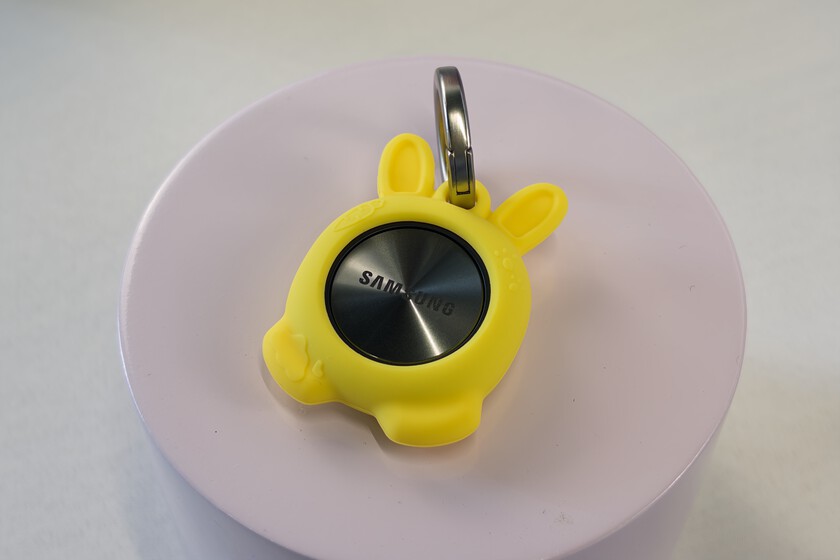
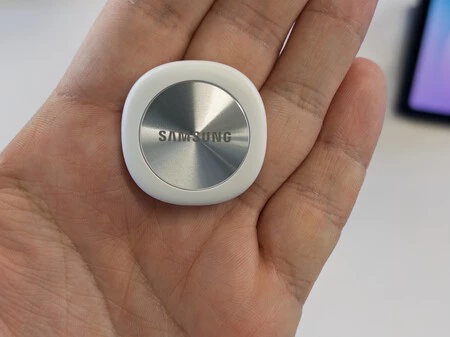
The technical specifications of the Galaxy SmartTag 3 reflect a focus on efficiency and miniaturization. The engineering team has successfully reduced the physical footprint of the device by 35% compared to its predecessor, while simultaneously shedding 33% of its weight. In a market where form factor is often the deciding factor for consumers attaching trackers to luggage, keys, or wallets, this reduction is significant.
Despite the reduction in volume, the device maintains its ruggedization credentials. The IP67 rating remains, ensuring the tracker is dust-tight and capable of surviving immersion in up to one meter of water for 30 minutes. The power management system has also been overhauled. Utilizing the standard CR2032 coin cell battery, the SmartTag 3 promises an operational lifespan of approximately 550 days under standard conditions. In its optimized "power-save" mode, this figure extends to an impressive 790 days, effectively setting a new benchmark for battery longevity in the category.
At the heart of the device’s tracking capabilities is the integration of Ultra-Wideband (UWB) technology combined with the latest Bluetooth 6.0 Channel Sounding standard. This combination allows the device to function as a highly accurate compass, providing directional and distance feedback to the user within a 60-meter radius. This represents a three-fold increase in range compared to the SmartTag 2, providing a massive advantage in complex environments like large office buildings or crowded transport hubs.
The Network Advantage: Leveraging the Galaxy Find Network
While hardware is vital, the utility of any smart tracker is ultimately determined by the density of the network backing it. The Galaxy SmartTag 3 utilizes the Galaxy Find Network, a massive, crowd-sourced infrastructure consisting of over 900 million active Samsung devices worldwide. When a tag is outside the range of the owner’s smartphone, it uses encrypted Bluetooth pings to communicate with nearby Galaxy devices, which then securely relay the location to the cloud.
This peer-to-peer relay system is a cornerstone of the modern tracking industry. Industry analysts note that as these networks grow, the "time-to-find" for lost items drops exponentially. Samsung’s decision to maintain this network while opening the interface to iOS users is a calculated move to maximize the effectiveness of the ecosystem. Furthermore, the device includes geofencing capabilities, allowing users to define specific zones and receive instant notifications if the tracker enters or exits these parameters—a feature of increasing importance for pet tracking and asset security.
Market Dynamics: A Fierce Competitive Landscape
The release of the SmartTag 3 coincides with a period of intense competition. In early 2026, Apple updated its own AirTag line, focusing on increased speaker volume and improved UWB security. Simultaneously, Motorola introduced the Moto Tag 2 during the summer months, which was one of the first devices to market with Bluetooth 6.0 capabilities, forcing manufacturers to accelerate their development cycles.
Furthermore, the entry of budget-friendly, high-performance trackers from brands like Xiaomi, combined with the growth of independent accessory manufacturers using the Google Find My Device network, has commoditized the category. This price pressure is forcing the "premium" players—Samsung and Apple—to justify their price points through superior hardware quality, better app experiences, and increased privacy protections.
Industry experts suggest that this "race to the top" is driving innovation in two key areas: security and utility. Manufacturers are under increasing regulatory pressure to prevent the misuse of tracking devices for unauthorized stalking. Consequently, the SmartTag 3 includes enhanced anti-stalking measures, including randomized identifiers and more aggressive alert notifications for users who may be moving with an unknown tracker.

Implications and Future Outlook
The broader impact of the Galaxy SmartTag 3 launch is clear: the era of proprietary tracking is effectively over. By embracing interoperability, Samsung is not only expanding its total addressable market but is also setting a standard for how connected accessories should behave in a multi-platform world.
For the consumer, this creates a more competitive market where choices are defined by quality and network coverage rather than the brand of phone in their pocket. As the device prepares for its European debut in early 2027, the primary question for potential buyers will be how the device’s pricing strategy holds up against the influx of cheaper, equally capable alternatives.
The successful deployment of this technology will likely push other manufacturers to follow suit, potentially leading to a more unified standard for smart tracking globally. As we look toward the 2027 launch, the industry will be closely monitoring the integration of Bluetooth 6.0, as this standard is expected to eventually allow for more precise indoor positioning without the need for traditional UWB chips, which would further lower costs and increase the ubiquity of these devices.
In conclusion, the Galaxy SmartTag 3 is more than a simple iterative update. It is a strategic response to a changing market, combining high-end hardware performance with a newfound openness that reflects the diverse needs of modern tech users. Whether it will successfully capture the market share currently held by its rivals will depend on the final price point and the user experience of the updated SmartThings Find application when it reaches the hands of the public in 2027. For now, it serves as a definitive statement that the future of the smart tracker is one of connectivity, longevity, and platform independence.
