

With the advent of warmer temperatures, marking the transition from spring to summer, a familiar and often unwelcome phenomenon returns: the proliferation of mosquitoes. This seasonal shift not only heralds vacation planning and a move to lighter attire but also the inevitable reappearance of these pervasive insects, particularly the invasive Aedes albopictus, commonly known as the tiger mosquito. Across many urban centers, including Barcelona, the expansion of these resilient pests has intensified, leading to increased public discomfort and prompting a search for effective countermeasures against their irritating, and potentially disease-carrying, bites. The onset of the season is often punctuated by the first sting, a stark reminder of the long months ahead.
Despite diligent application of repellents, complete avoidance of mosquito bites often proves challenging for many individuals. While repellents can significantly reduce exposure, eliminating all contact remains an elusive goal. Consequently, the focus often shifts from prevention to mitigation, specifically alleviating the intense itching and discomfort that follow a bite. In this context, technological innovations are emerging as viable alternatives or complements to traditional topical creams and lotions, offering novel approaches to post-bite care. One such device, the "Heat It" accessory for smartphones, has garnered attention for its chemical-free, heat-based approach to alleviating itch and swelling, becoming a staple for many during the warmer months.
The Enduring Challenge of Mosquito-Borne Irritation
Mosquitoes, particularly species like the tiger mosquito, represent a significant public health nuisance and, in many regions, a vector for serious diseases. The Aedes albopictus, identifiable by its distinctive black and white striped legs, has demonstrated remarkable adaptability, spreading rapidly across Europe, including Spain, since its first detection in the early 2000s. Its presence in urban environments, thriving in small collections of stagnant water, makes it a particularly difficult pest to control. Beyond the immediate discomfort of an itchy welt, these mosquitoes are known to transmit pathogens such as dengue, chikungunya, and Zika virus, although local transmission in areas like Barcelona remains a less frequent occurrence compared to endemic regions. The sheer volume of bites, however, significantly impacts quality of life, disrupting sleep, outdoor activities, and general well-being for affected populations.
The human body’s reaction to a mosquito bite is an immunological response to proteins and anticoagulants injected by the mosquito’s saliva. This triggers the release of histamine, leading to localized inflammation, redness, swelling, and the characteristic intense itching. For individuals with heightened sensitivity, these reactions can be more severe, sometimes resulting in larger welts or secondary skin infections due to scratching. The search for effective relief is therefore not merely about comfort but also about preventing further complications.
Scientific Rationale: Heat Therapy for Bite Relief
While cold compresses are often the intuitive first response to insect bites to reduce swelling, scientific evidence increasingly supports the efficacy of localized heat application for alleviating itch and pain. The principle behind devices like Heat It lies in thermotherapy. When exposed to precisely controlled temperatures, typically around 50°C (122°F), the proteins and enzymes introduced by mosquito saliva that are responsible for the itching sensation are denatured. This process effectively neutralizes the irritants, thereby interrupting the body’s inflammatory response and providing rapid relief from discomfort.
A study published in the Journal of Allergy and Clinical Immunology and other dermatological research has explored the mechanisms by which heat therapy can mitigate the symptoms of insect bites. The localized application of heat causes a temporary increase in blood flow to the affected area, which can help disperse inflammatory mediators. More critically, the thermal energy can disrupt the chemical structure of allergenic proteins, rendering them inactive. This method offers a non-pharmacological, chemical-free alternative to antihistamine creams or corticosteroid ointments, appealing to users seeking natural or minimalist remedies. The challenge for device manufacturers is to deliver this heat safely and effectively, providing sufficient thermal energy to denature proteins without causing skin burns.
The "Heat It" Device: A Technical Overview and User Experience
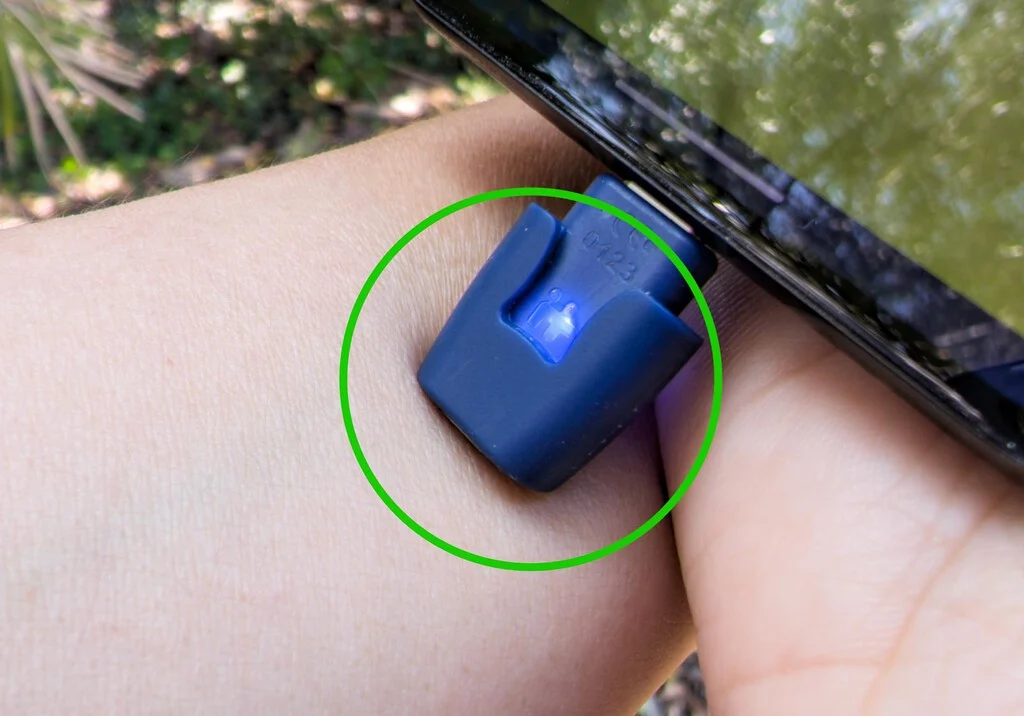
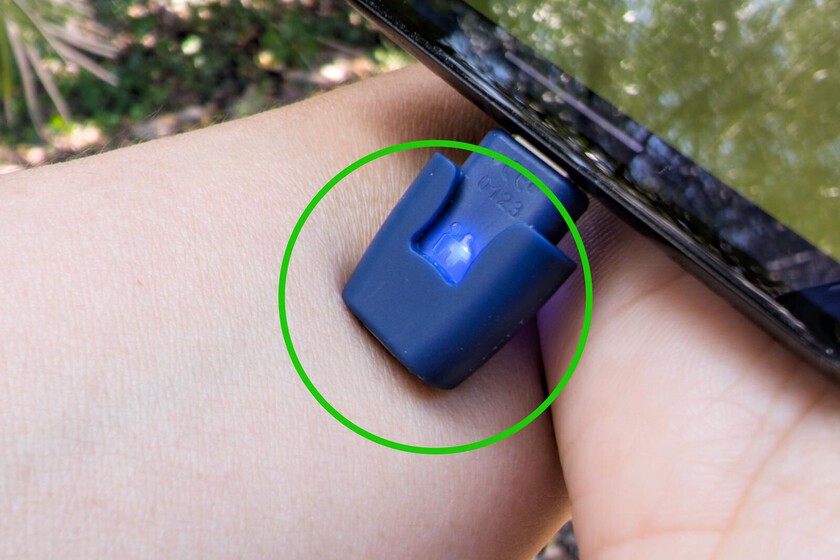
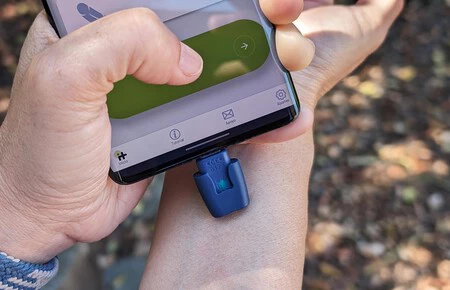
The "Heat It" device exemplifies a new generation of portable, smartphone-integrated solutions for insect bite relief. Functionally, it is a compact accessory designed to connect directly to a smartphone’s USB-C port, drawing minimal power from the device to heat a small ceramic plate or resistance element. This ingenious design eliminates the need for internal batteries, reducing its size and weight, and ensuring it is always ready for use as long as a compatible smartphone is available.
Operation is managed through a dedicated mobile application, which allows users to customize settings such as temperature and duration of heat application. The app typically includes safety features, such as pre-set modes for children with lower temperature limits, demonstrating an understanding of diverse user needs. Once activated, the user presses the heated tip against the bite for a few seconds. The experience is often described as an initial, intense heat sensation, which quickly subsides, giving way to significant and lasting relief from itching. This "good burn" is the critical moment where the device’s therapeutic action takes place, desensitizing nerve endings and deactivating irritant proteins.
Design, Durability, and Accessibility
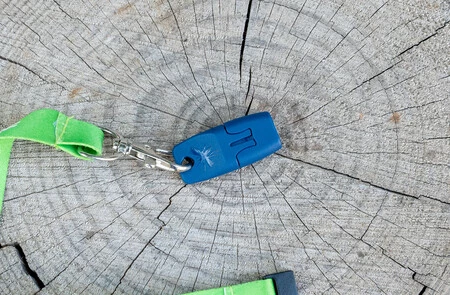
One of the device’s key attributes is its minimalist design and robust construction. Its small form factor means it occupies negligible space, often attached to a keychain or kept within easy reach, such as on a piece of furniture. This high degree of portability ensures that relief is readily available whenever and wherever a bite occurs. Reports from long-term users indicate that the device maintains its efficacy over several years, with some citing continuous use for three or more seasons without degradation in performance. This longevity underscores its value proposition, particularly when compared to disposable or consumable topical treatments.
The device’s reliance on a smartphone for power and control also contributes to its accessibility and user-friendliness. The ubiquitous nature of smartphones means that the Heat It integrates seamlessly into daily life for most users. Its affordability, often retailing for around thirty euros (and sometimes available at lower promotional prices), positions it as a cost-effective alternative to repeatedly purchasing creams and balms, which can accumulate significant expenses over time, especially for individuals highly susceptible to mosquito bites. This combination of durability, low maintenance, and initial low cost makes it an attractive investment for those seeking persistent relief.
Broader Market Landscape and Competitive Analysis
The market for insect bite relief is diverse, encompassing a wide array of products, from traditional home remedies like ice packs and vinegar applications to over-the-counter pharmaceuticals containing antihistamines, corticosteroids, or local anesthetics. Chemical repellents, while primarily preventative, are also part of this ecosystem, aiming to reduce the incidence of bites in the first place.
In recent years, however, there has been a growing interest in electronic and non-chemical solutions. Devices employing vibration, mild electrical pulses, or focused heat have emerged, each promising rapid relief without the need for topical applications. The Heat It device stands out in this segment due to its direct smartphone integration, which streamlines its functionality and power source, distinguishing it from battery-operated competitors. Its scientific backing for heat-induced protein denaturation also provides a compelling advantage over devices that rely on less understood or purely symptomatic relief mechanisms.

While other electronic bite relief pens exist, the Heat It’s specific focus on drawing power from and being controlled by a smartphone via USB-C (compatible with both Android and newer iPhones) provides a modern, convenient interface that resonates with tech-savvy consumers. This approach aligns with a broader trend of leveraging existing personal technology to enhance everyday comfort and health management.
Implications for Public Health and Personal Well-being
The proliferation of effective, accessible, and chemical-free solutions for insect bite relief has significant implications. From a public health perspective, reducing the discomfort associated with bites can indirectly contribute to better overall community well-being, especially in areas heavily affected by mosquito populations. While these devices do not prevent disease transmission, they address a primary symptom that impacts quality of life.
For individuals, the availability of a reliable and portable solution means greater freedom to enjoy outdoor activities without the lingering fear of intense itching. The reduced reliance on chemical treatments also aligns with growing consumer preferences for natural or less invasive health solutions, minimizing exposure to active pharmaceutical ingredients for minor ailments. The long-term durability of devices like Heat It also speaks to a sustainable approach to consumer products, moving away from single-use items or those requiring frequent replenishment.
The continued innovation in this space reflects a societal need for practical responses to environmental challenges, such as the increasing prevalence of invasive insect species. As climate change potentially expands the geographical reach and breeding seasons of mosquitoes, effective and user-friendly bite relief solutions will become even more crucial.
Looking Ahead: The Future of Tech-Enabled Comfort
The success of devices like Heat It underscores a broader trend in consumer technology: the development of smart, integrated solutions for everyday problems that were once addressed solely by traditional means. These devices, often characterized by their simplicity, efficiency, and integration with existing personal technology, offer tangible benefits that resonate deeply with users. They challenge the notion that effective tech must always be complex, feature-rich, or expensive. Instead, the most impactful innovations are often those that seamlessly resolve real-world inconveniences with elegant engineering.
The consistent performance of such devices over multiple seasons, coupled with their minimal environmental footprint (no batteries to dispose of, no creams to wash off), positions them as models for future product development. As technology continues to evolve, further advancements in material science, energy efficiency, and miniaturization could lead to even more sophisticated and integrated solutions for personal comfort and health. The enduring demand for effective mosquito bite relief ensures that this sector will remain a fertile ground for innovation, continuing to blend scientific understanding with practical application to enhance daily life.
