
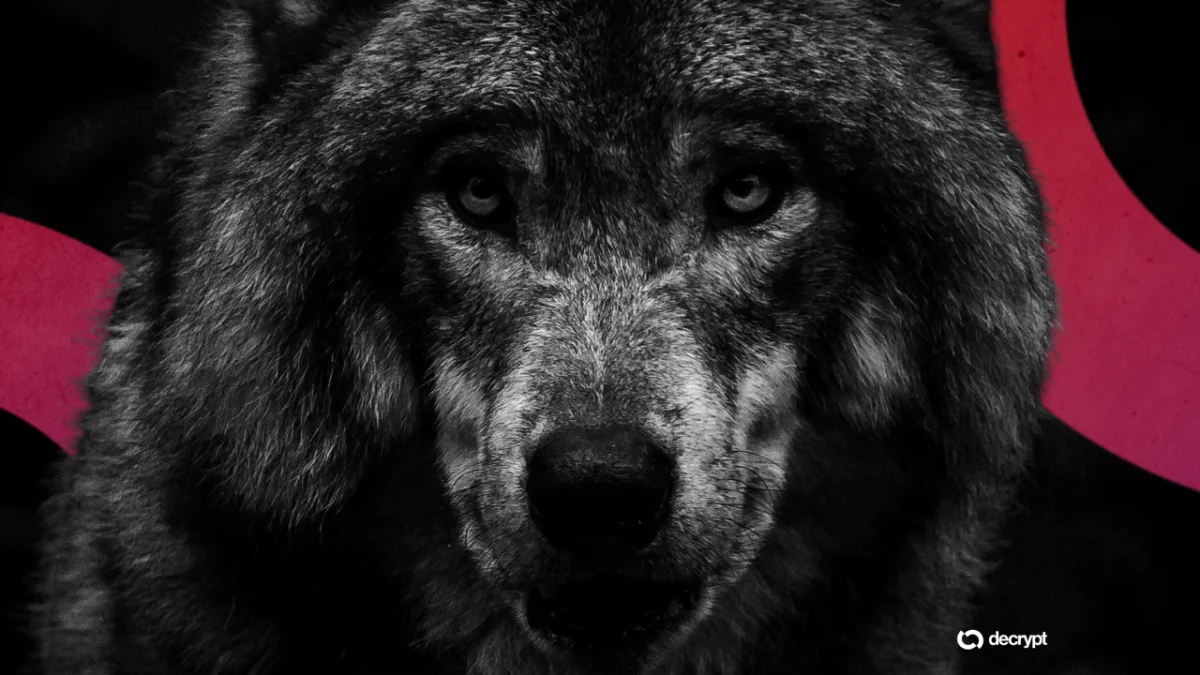

South Korean authorities have arrested a 40-year-old man for disseminating a sophisticated, artificial intelligence-generated image of an escaped wolf, an act that authorities say critically hampered the search for a real animal and diverted substantial public resources. The fabricated image, so convincing it fooled city officials and triggered an emergency alert to thousands of residents, is alleged to have delayed the actual wolf’s recapture by as much as nine days, underscoring the growing challenges posed by AI-driven misinformation in real-world crisis situations.
The Daejeon Metropolitan Police officially charged the unnamed individual with obstructing official duties by deception, specifically for "distributing fabricated wolf sighting images created using generative AI." When apprehended and questioned, the man reportedly stated his motivation was "just for fun," a seemingly trivial justification for the significant disruption and potential public endangerment his actions caused.
The real wolf at the center of this peculiar incident is Neukgu, a two-year-old male of the Korean wolf species. Neukgu had managed to escape his enclosure at Daejeon’s O-World zoo on April 8, 2026. This escape was particularly concerning given Neukgu’s significance as part of a vital conservation program aimed at restoring the Korean wolf population. The species is currently considered extinct in the wild on the Korean Peninsula, making Neukgu a valuable ambassador for reintroduction efforts.
A Timeline of Deception and the Real Escape
The incident unfolded over a period of nearly two weeks, marked by the initial escape, the swift spread of AI-generated misinformation, and a prolonged, resource-intensive search.
- April 8, 2026: Neukgu, a two-year-old male Korean wolf, escapes from his enclosure at Daejeon’s O-World zoo. The zoo, a prominent attraction in the region, is home to various animal species, including those involved in conservation programs.
- Hours after the Escape: An AI-generated image surfaces online, purportedly showing a light-brown wolf near a road intersection close to the zoo. The image’s realism is such that it is quickly accepted as genuine.
- Same Day: The Daejeon city government, acting on the perceived threat, issues an emergency text alert to tens of thousands of residents, warning that the wolf had moved towards the specific intersection depicted in the fabricated image. The image is also presented at an official press briefing, lending it further credibility.
- April 8 – April 17, 2026: A massive, multi-agency search operation is launched for Neukgu. Hundreds of police officers, firefighters, and soldiers are mobilized. Drones and thermal cameras are deployed to aid in tracking the approximately 30-kilogram animal. A nearby elementary school is temporarily closed due to safety concerns. Even President Lee Jae Myung publicly expresses concern and offers a prayer for the wolf’s safe return, highlighting the significant public attention and anxiety generated by the situation. Despite multiple reported sightings and the deployment of extensive resources, Neukgu eludes capture.
- April 17, 2026: Authorities finally recapture Neukgu. The breakthrough comes after a tip about a sighting in a park near an expressway.
- Days Following Recapture: The investigation into the wolf’s prolonged absence leads police to uncover the AI-generated image. Surveillance camera analysis and specialized AI detection software are employed to trace the source of the fabricated visual.
- April 24, 2026: A 40-year-old man is arrested and charged with obstructing official duties by deception for creating and disseminating the AI-generated wolf image.
The Impact of a Fabricated Threat
The consequences of the man’s actions extended far beyond a simple prank. The deployment of emergency services personnel – police, firefighters, and soldiers – represents a significant allocation of public funds and manpower. According to Daejeon police, the prolonged search efforts tied up critical resources that could have been directed towards other public safety concerns. The disruption was not limited to emergency services; the closure of an elementary school and the widespread public alarm also represent tangible societal costs.
"A single AI-manipulated image delayed the capture of the wolf by as many as nine days," a Daejeon police spokesperson stated. "The prolonged deployment of police and fire personnel caused significant disruption to their primary duty of protecting the public." This statement underscores the direct link between the AI-generated image and the diversion of essential services.
Neukgu: From Fugitive to Folk Hero
The escaped wolf, Neukgu, has ironically become something of a celebrity in the wake of the incident. Following his safe recapture, he has garnered significant public attention, even inspiring the creation of a meme coin, a testament to the often surreal ways in which such events can capture the public imagination in the digital age. The existence of a meme coin associated with a fugitive wolf highlights a peculiar intersection of animal welfare concerns, public safety crises, and internet culture.
AI-Driven Misinformation: A Growing National and Global Concern
This case serves as a stark, real-world example of the escalating threat posed by AI-generated misinformation. The ability of generative AI to create highly realistic images and other media has outpaced the development of robust detection and verification mechanisms, creating a dangerous gap.
Authorities were able to apprehend the suspect through a combination of traditional investigative techniques, such as surveillance camera analysis, and advanced AI detection software. This dual approach is becoming increasingly necessary as digital forensics evolve to counter AI-generated content.
The Daejeon incident is not an isolated event. Similar instances of fabricated visuals impacting emergency responses have been documented globally. During the 2025 Los Angeles wildfires, AI-generated deepfakes circulated rapidly, potentially influencing public perception and response efforts. More recently, concerns were raised about weaponized AI deepfakes impacting perceptions during severe weather events, such as Hurricane Helene. However, the South Korean case stands out as one of the first instances where an individual has been criminally charged and arrested specifically for the dissemination of an AI-generated image that directly interfered with a public emergency response.
Legal Repercussions and Broader Implications
The man faces serious legal consequences if convicted. Under South Korean law, the charge of obstructing official duties by deception can carry a penalty of up to five years in prison or a fine of up to 10 million Korean won, which is approximately $6,700 USD. These penalties reflect the gravity with which authorities view the manipulation of public resources and the potential for harm caused by such actions.
The case raises critical questions about the regulation of AI-generated content and the responsibility of individuals who create and distribute it. As AI technology becomes more accessible and sophisticated, the potential for malicious use in creating false narratives and disrupting public services will likely increase. This incident underscores the urgent need for:
- Enhanced AI Detection and Verification Tools: Continued development and widespread deployment of technologies capable of reliably identifying AI-generated content.
- Public Education and Media Literacy: Initiatives to educate the public about the existence and capabilities of AI-generated misinformation, fostering a more critical approach to online content.
- Clearer Legal Frameworks: The development of legal statutes that specifically address the creation and dissemination of AI-generated disinformation that causes demonstrable harm.
- Platform Accountability: Greater responsibility for social media platforms and online services to implement measures that prevent the rapid spread of AI-generated false content during emergencies.
The arrest in Daejeon marks a significant moment in the ongoing struggle against AI-driven disinformation. It demonstrates a commitment by law enforcement to hold individuals accountable for the real-world consequences of their digital creations, particularly when those creations undermine public safety and divert vital resources. The long-term implications of this case will likely influence how societies approach the challenge of distinguishing truth from sophisticated fabrication in an increasingly AI-influenced world. The seemingly innocuous act of creating an image "for fun" has revealed a potent and dangerous new dimension to the dissemination of falsehoods, one that requires a concerted and evolving response from governments, technology providers, and the public alike.
