
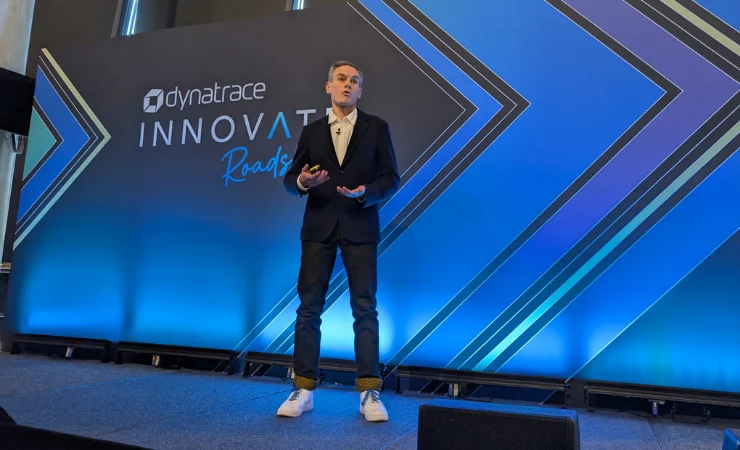

In an era where digital reliability is synonymous with brand loyalty, Storio, the personalized-photo-products group formerly known as albelli-Photobox, has successfully integrated advanced observability and artificial intelligence to safeguard its operations during peak trading periods. By transitioning from a log-centric monitoring approach to a unified observability platform powered by Dynatrace, the organization prevented a potential €4.5 million revenue loss during its busiest sales window. This transformation, led by Senior Director of Engineering Alex Hibbitt, highlights the critical intersection of technical resilience, customer experience, and cultural evolution within large-scale e-commerce enterprises.
The High Stakes of Emotional E-commerce
For Storio, which operates brands including Photobox UK, Bonusprint, and albelli, the technical infrastructure is more than a sales engine; it is a custodian of personal history. The company specializes in personalized products such as wedding albums, baby books, and anniversary gifts—items that often require hours of customer labor to design. When a technical failure occurs at the point of checkout, the loss is not merely a missed transaction but a significant emotional setback for the consumer.
Alex Hibbitt, speaking at the Dynatrace Innovate event in London, emphasized that a customer might spend upwards of 16 to 17 hours meticulously arranging photos for a milestone event, such as a parent’s 70th birthday. If the platform fails during the final stages of the journey, the customer is unlikely to return. In the competitive landscape of personalized printing, where deadlines are often tied to specific calendar events, a single point of failure can lead to permanent churn. This realization prompted a fundamental shift in how Storio views platform uptime and reliability, moving beyond simple availability metrics to a more nuanced understanding of the customer journey.
From Log-Centricity to Unified Observability
The technical journey toward this new standard of reliability began with an honest assessment of the group’s existing habits. Storio manages hundreds of microservices across an "organic" estate—a complex environment that grew through various acquisitions and iterative developments rather than a single, unified design. Historically, the engineering teams relied heavily on log analysis to diagnose issues.
Hibbitt described logs as the organization’s "natural gateway drug." While logs provide a detailed record of events, relying on them exclusively created a "hyper-focus" on a single tool that often led engineers down unproductive "rabbit holes." The time-intensive nature of manual log analysis meant that by the time a root cause was identified, the customer impact had already escalated. To gain true engineering leverage, Storio recognized the need for a platform capable of synthesizing multiple data streams—including metrics, traces, and logs—into actionable intelligence.
The transition to Dynatrace allowed the team to move away from being "too right" about edge cases and toward being "right enough" to maintain system health at scale. By consolidating onto a single platform, Storio achieved a measurable 65-70% improvement in engineering efficiency. This figure was derived from a comprehensive analysis of engineering time previously spent on manual remediation versus the current costs of the observability platform and the gains realized from faster incident resolution.
The €4.5 Million Save: A Case Study in AI-Driven Resilience
The true value of this shift was demonstrated during Black Friday, the most critical trading period for the group. During this high-pressure window, Dynatrace’s AI engine, Davis, identified three burgeoning failures at the container level. Crucially, these failures were caused by network saturation—a bottleneck that would have been invisible to traditional auto-scaling policies, which typically monitor CPU and memory limits.
Without the predictive capabilities of the AI engine, these issues would likely have cascaded, leading to a platform-wide outage during peak traffic. Hibbitt noted that the potential loss was calculated at €4.5 million in revenue. Beyond the immediate financial impact, the failure would have alienated a significant portion of the customer base during a high-intent shopping period. The ability of the AI to spot non-traditional performance indicators allowed Storio to intervene before the failures reached the end-user, ensuring a seamless checkout experience for thousands of customers.
Integrating AI into the Development Lifecycle
Following the success of its observability initiatives, Storio has expanded its use of artificial intelligence into the broader development and customer experience spheres. Hibbitt categorizes the company’s AI strategy into two distinct lenses: engineering velocity and the customer journey.
On the engineering side, AI is being used to alter the "maths" of resource allocation. With thousands of ideas for improving the customer journey but limited engineering hours, Storio utilizes AI to compress development cycles. Tasks that previously required weeks or months of manual coding and testing are now being delivered in days or hours. This efficiency is supported by a mixed ecosystem that includes native Dynatrace instrumentation, OpenTelemetry, and integrations with Amazon Bedrock AgentCore.
Storio is also exploring the use of AI to enhance the product creation process. Current implementations include AI-driven photo selection—where the system identifies the "strongest" image from a user’s set—and upscaling low-resolution images to ensure print quality. As consumer AI literacy grows, Hibbitt anticipates a demand for "generative journeys," where the 16-hour process of building a photo book can be significantly compressed while still allowing the user to maintain creative control.
Managing the "Human Element" and Cultural Resistance
Despite the technical advancements, Hibbitt maintains that the most challenging aspect of the transformation was cultural rather than technological. Engineers, often proud of their manual problem-solving skills, can perceive AI and automated platforms as a threat to their professional autonomy and value.
To address this, Storio avoided top-down mandates. Instead, the leadership focused on creating a "maturity model" and providing a safe environment for experimentation. By partnering with vendors like Dynatrace and AWS to host educational sessions, the company allowed engineers to discover the benefits of AI for themselves.
A pivotal moment occurred when a prominent AI skeptic within the engineering team began documenting how the role of an engineer would evolve for the better under this new model. This individual’s shift from skeptic to advocate created a "multiplier effect" across the organization. Today, every engineer at Storio shares a singular goal: to reduce cycle times through the strategic use of AI. Hibbitt argues that while humans are the "slow part of the loop" in routine tasks, they remain essential for handling "unhappy-path" scenarios and complex problem-solving.
Future Implications and Industry Context
The strategy employed by Storio reflects a broader trend in the e-commerce and technology sectors toward "inference observability." As organizations increasingly rely on AI-generated code and automated agents, the ability to monitor these non-deterministic systems becomes paramount. Storio’s approach—building a robust observability foundation before letting AI agents loose in production—serves as a blueprint for other enterprises looking to scale their AI initiatives safely.
Industry analysts note that the observability market is evolving from a reactive monitoring phase to a proactive, AI-integrated phase. According to recent Gartner reports, enterprises that implement advanced observability are 30% more likely to achieve their digital transformation goals compared to those relying on legacy tools. Storio’s experience validates this trend, suggesting that the primary value of observability lies in its ability to provide the confidence necessary to automate complex workflows.
As Storio continues to refine its "happy-path" automation, the focus remains on ensuring that AI moves at "AI speed" while human oversight ensures quality and brand integrity. The organization’s journey from manual log-reading to AI-driven resilience demonstrates that in the modern digital economy, the ability to watch a system is just as important as the ability to build it.
Conclusion and Strategic Outlook
Storio’s digital transformation underscores a fundamental shift in engineering leadership. By prioritizing observability as a prerequisite for AI adoption, the company has created a repeatable and scalable pattern for shipping changes safely. The successful navigation of Black Friday and the subsequent 65-70% improvement in engineering efficiency provide a clear business case for the platform-centric approach.
Moving forward, Storio remains committed to its "AI-first" engineering culture, with a focus on further reducing cycle times and enhancing the personalization of its products. As Alex Hibbitt noted, the goal is not to replace human talent but to empower engineers to become the best versions of themselves by removing the burden of repetitive, low-impact tasks. In doing so, Storio is not only protecting its revenue but also ensuring that the "precious memories" of its customers are handled with the highest level of technical care.
