
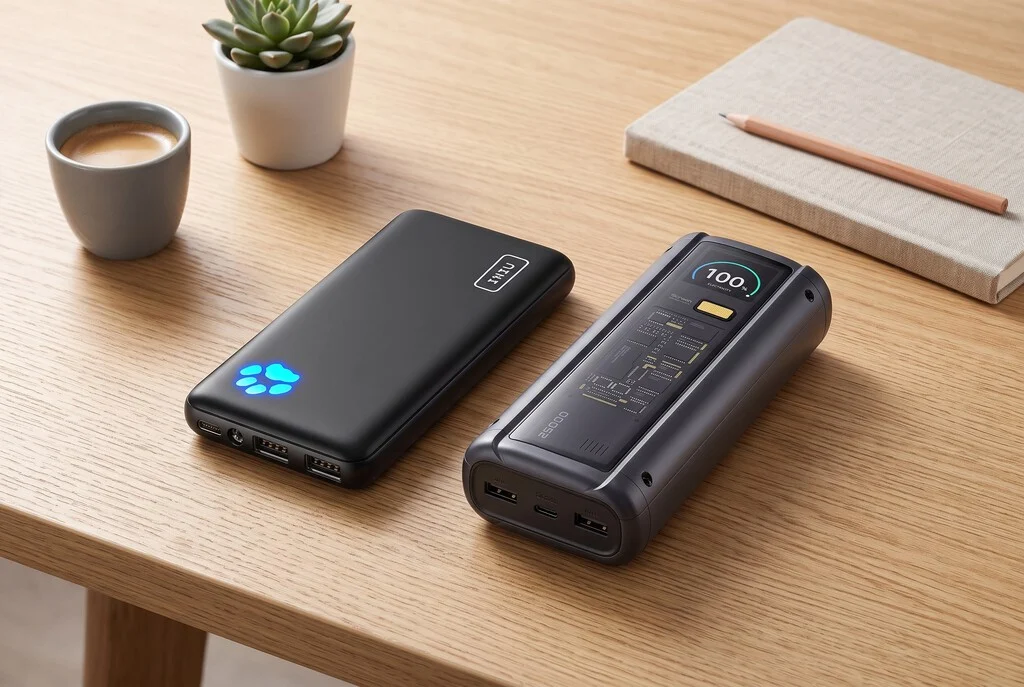

The persistent challenge of battery depletion remains one of the most significant pain points for modern smartphone users, despite a decade of advancements in energy efficiency and battery chemistry. While contemporary mobile hardware has become increasingly adept at managing power consumption through sophisticated software optimization and high-density lithium-ion cells, the reality of modern usage—characterized by constant 5G connectivity, high-resolution photography, continuous GPS tracking, and background synchronization—often exhausts a device’s reserves well before the end of the day. Consequently, the portable power bank has transitioned from a niche accessory to an essential component of the daily carry, serving as a critical buffer against the logistical inconvenience of searching for public charging infrastructure.
The Evolution of Portable Energy Storage
The market for external power banks has shifted fundamentally in recent years. Manufacturers are no longer prioritizing simple milliampere-hour (mAh) capacity as the primary metric of success. Instead, the focus has pivoted toward power delivery (PD) standards, port-specific wattage, heat dissipation efficiency, and international regulatory compliance. This transition is largely driven by the increasing power requirements of modern devices, including tablets and laptops that now utilize the same USB-C power delivery protocols as smartphones.
Historical data indicates that the global portable battery market experienced a rapid expansion between 2015 and 2020, as smartphone displays grew larger and processors became more demanding. Since 2022, the industry has seen a move toward smaller, denser, and faster-charging units, driven by advancements in Gallium Nitride (GaN) technology. These components allow for significantly higher energy conversion rates and smaller physical footprints, fundamentally changing the expectations of the average consumer.

Regulatory Landscapes and International Travel
For frequent travelers, the choice of a power bank is no longer merely a matter of technical specification but one of regulatory adherence. International aviation authorities, including the International Air Transport Association (IATA), have established strict guidelines for lithium-ion batteries carried on aircraft. Generally, batteries exceeding 100Wh require airline approval, and those exceeding 160Wh are strictly prohibited in both carry-on and checked luggage.
Furthermore, specific regions have implemented their own certification standards. For instance, travelers visiting China must navigate the China Compulsory Certification (CCC) requirements. Devices lacking this certification are often subject to confiscation at security checkpoints. This creates a complex landscape where technical performance must be balanced with global safety compliance, necessitating that consumers verify both the capacity and the certification stamps before investing in high-end portable charging solutions.
Analytical Framework: Criteria for Selection
To navigate the current market effectively, users should evaluate potential purchases based on four distinct technical pillars:
- Power Delivery and Charging Speed: It is essential to match the power bank’s output with the device’s maximum intake wattage. A 45W power bank provides little benefit to a phone that limits charging to 20W, yet it is vital for a user who intends to charge a laptop or tablet simultaneously.
- Capacity vs. Portability: A 20,000mAh unit is ideal for multi-day trips but often proves cumbersome for daily commuting. Conversely, 10,000mAh units offer the best balance between weight, size, and utility for a single day’s usage.
- Physical Integration and Durability: Modern designs increasingly favor integrated cables, which mitigate the risk of lost peripherals. Additionally, the quality of the chassis—whether high-grade ABS plastic or aircraft-grade aluminum—determines the device’s lifespan under the stresses of daily transport.
- Conversion Efficiency: A crucial but often overlooked metric is the actual usable capacity. While a battery may be rated at 20,000mAh, the conversion process to 5V output typically results in a loss of 15% to 25% of that energy due to heat and circuit resistance.
Comparative Analysis of Leading Market Models
The current market landscape offers a wide spectrum of devices tailored to different user profiles. Below is an evaluation of eight prominent models based on performance, design, and market positioning.
| Model | Primary Advantage | Primary Drawback | Recommended For |
|---|---|---|---|
| Xiaomi 212W Hypercharge | Extreme power output | High mass (628g) | Professional users |
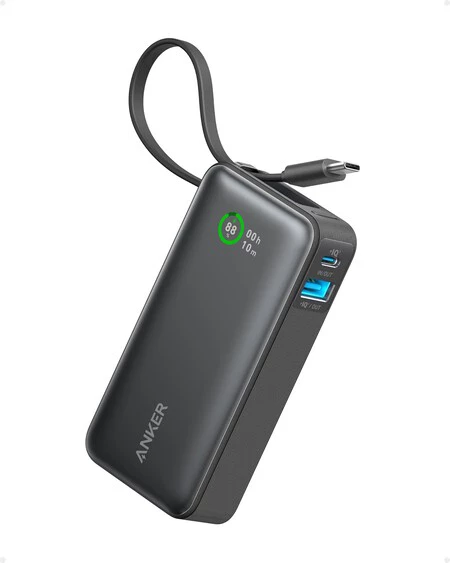
| Anker Nano 10K | Portability/Integrated cable | Lower total capacity | Daily commuters |
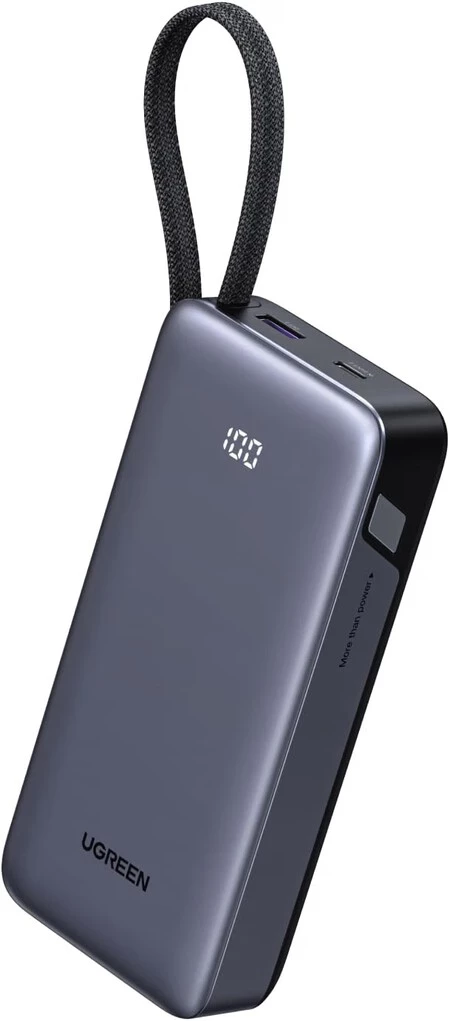
| UGREEN Nexode 45W | Versatile 45W output | Weight (460g+) | Backpack users |
| Baseus FC11 | Dual-cable design/CCC cert | Plastic chassis durability | Frequent travelers |
| Belkin Boostcharge 10K | Slim profile/Reliability | Slow 15W charging | Budget-conscious |
| Xiaomi 22.5W 20000mAh | High capacity-price ratio | Moderate charge speed | Extended travel |
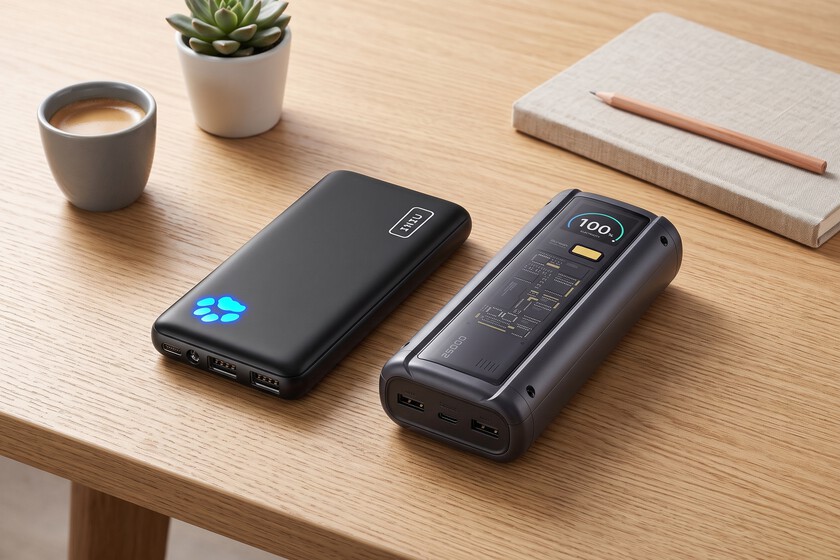
| INIU 10,000 mAh | Lightweight/Slim | Slow recharge time | Light users |
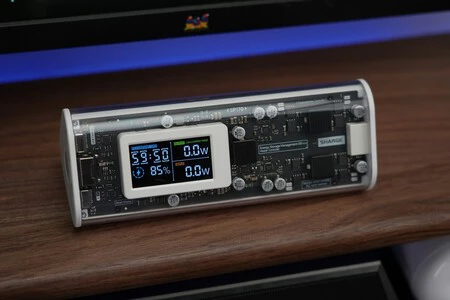
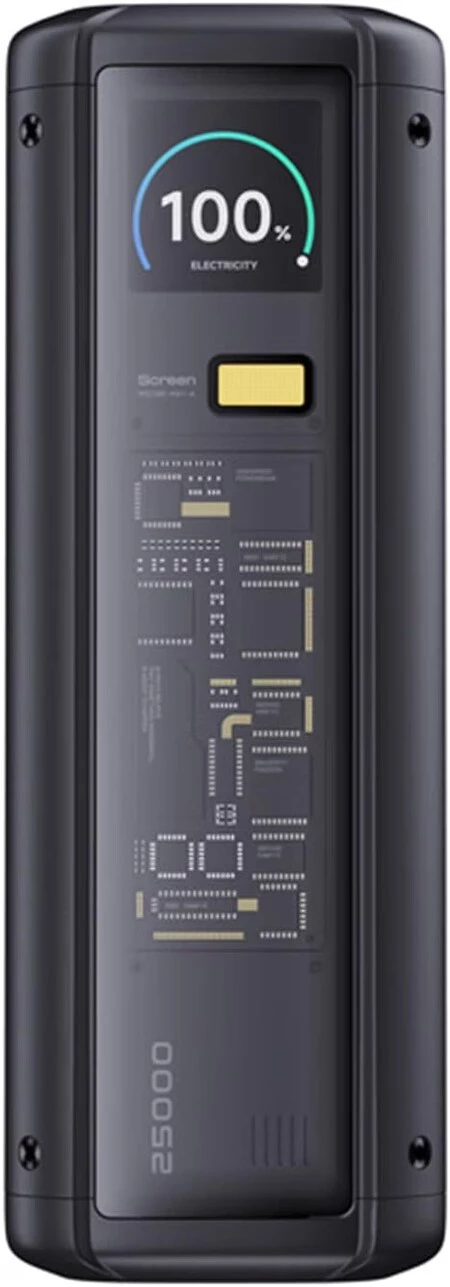
| Shargeek 170 | 140W PD 3.1/Durability | Premium price point | Tech enthusiasts |
Broader Implications and Industry Trends
The proliferation of high-speed charging protocols has led to a noticeable change in consumer behavior. With the advent of technologies like PD 3.1, which allows for up to 240W of power delivery, the barrier between mobile chargers and workstation power supplies is dissolving. Industry analysts observe that this trend is forcing manufacturers to improve thermal management systems. Overheating is the primary catalyst for battery degradation, and recent engineering efforts have focused on implementing intelligent temperature control circuits that throttle power output if the internal temperature exceeds safe thresholds.
Furthermore, the environmental impact of these devices is becoming a focal point of corporate sustainability reports. The shift toward modularity—allowing users to replace cables or even internal cells—is an area of ongoing innovation. However, as of 2026, the industry remains largely dominated by sealed units, which creates a significant e-waste challenge. Industry leaders are currently exploring the use of recycled plastics and more easily recyclable battery chemistry to address these mounting environmental concerns.
Expert Guidance for the Consumer
For the average user, the priority should remain the balance between safety and utility. A power bank is not merely a battery; it is a complex electronic system that must manage voltage conversion, short-circuit protection, and heat dissipation. Investing in established brands that provide transparent safety certifications (such as CE, FCC, and RoHS) is paramount.
When traveling, users are advised to verify the label on the bottom of their unit. The "Wh" (Watt-hour) rating is the most critical metric for airport security. If the label is faded or missing, it is advisable to replace the unit, as security personnel are increasingly authorized to remove non-compliant items from passenger luggage.
Ultimately, the goal of the portable battery industry in the coming years will be to increase energy density while reducing the physical weight. With current research into solid-state batteries, it is projected that by 2030, we may see units that offer double the capacity at half the weight of today’s leading models. Until then, the current generation of power banks, particularly those utilizing GaN technology, represents the current pinnacle of mobile energy solutions, offering a reliable, albeit temporary, tether to the digital world.
