
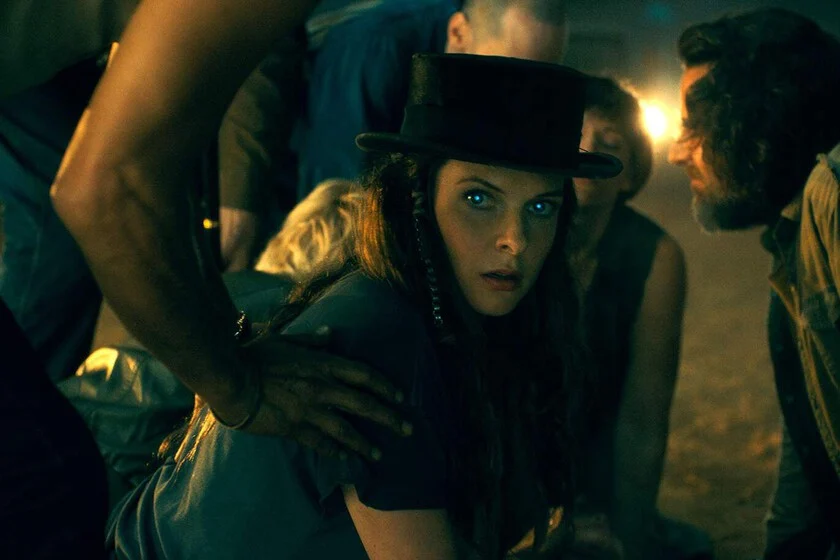

In a significant development for cinephiles and horror enthusiasts, Amazon Prime Video has made available the extended Director’s Cut of "Doctor Sleep," Mike Flanagan’s ambitious sequel to Stanley Kubrick’s iconic 1980 film "The Shining." This release marks a pivotal moment for a film that grappled with the monumental legacy of its predecessor, offering audiences the opportunity to experience the filmmaker’s complete vision, significantly longer and more nuanced than the version that premiered in cinemas. The availability of this definitive cut underscores a growing trend in the streaming era, where platforms often provide creators with the space to present their uncompromised artistic statements, particularly for films that underwent significant edits for their theatrical runs.
The Enduring Legacy of ‘The Shining’ and Its Contentious Genesis
To fully appreciate the scope and ambition of "Doctor Sleep," one must first acknowledge the colossal shadow cast by "The Shining." Stephen King’s 1977 novel, a harrowing tale of addiction, isolation, and supernatural malevolence at the remote Overlook Hotel, quickly became a bestseller. However, it was Stanley Kubrick’s 1980 cinematic adaptation that etched the story into the collective consciousness, albeit with significant departures from King’s source material. Kubrick’s film, starring Jack Nicholson as the tormented writer Jack Torrance and Shelley Duvall as his terrified wife Wendy, became a masterpiece of psychological horror, celebrated for its unsettling atmosphere, groundbreaking cinematography, and iconic imagery. Yet, King himself famously disliked Kubrick’s adaptation, feeling it strayed too far from his novel’s core themes, particularly its portrayal of Jack Torrance’s descent into madness as driven by the hotel rather than an inherent flaw exacerbated by it. This tension between authorial intent and cinematic interpretation set a unique precedent for any future continuation of the narrative.
Despite King’s reservations, "The Shining" achieved legendary status, profoundly influencing generations of filmmakers and solidifying its place as one of the most important horror films ever made. Its cultural impact is undeniable, from the chilling "Here’s Johnny!" line to the unsettling imagery of the Grady twins and the blood-filled elevator. Any sequel, whether literary or cinematic, would face the daunting task of navigating both King’s original vision and Kubrick’s indelible screen interpretation.
Stephen King’s Return to the Overlook: The Novel ‘Doctor Sleep’
Decades after "The Shining," Stephen King revisited the tormented life of Danny Torrance, the psychic child protagonist, in his 2013 novel "Doctor Sleep." The book picks up with an adult Dan Torrance, still scarred by the traumatic events at the Overlook Hotel, struggling with alcoholism and using his "shining" ability to help hospice patients transition peacefully, earning him the moniker "Doctor Sleep." His life takes an unexpected turn when he encounters Abra Stone, a powerful young girl with an even stronger "shining" ability, who becomes the target of the True Knot, a cult of vampiric quasi-immortals who feed on the "steam" — the psychic essence — of children with the shining. King’s novel was a deliberate attempt to reconcile with his past work, offering a story of recovery, redemption, and the enduring power of good against evil, while also subtly nodding to Kubrick’s film in certain passages.
The novel was met with generally positive reviews, with critics praising King’s return to form and his exploration of mature themes. The question of a cinematic adaptation, however, immediately arose, posing an almost insurmountable challenge: how to adapt a direct sequel to King’s novel while simultaneously acknowledging, or even integrating, Kubrick’s film, which King himself had famously rejected?
Mike Flanagan’s Herculean Task: Bridging Two Worlds
When Warner Bros. confirmed the adaptation of "Doctor Sleep," with Mike Flanagan attached as writer and director, expectations were sky-high, yet fraught with apprehension. Flanagan, a filmmaker renowned for his intelligent, character-driven horror films such as "Oculus," "Hush," "Gerald’s Game" (another successful King adaptation), and the critically acclaimed Netflix series "The Haunting of Hill House," seemed uniquely positioned for the task. His deep understanding of horror as a genre that explores trauma, grief, and the human psyche, combined with his proven ability to adapt King’s complex narratives, made him a compelling choice.
Flanagan approached the project with immense respect for both King’s source material and Kubrick’s film. His audacious goal was to craft a sequel that would satisfy King’s literary vision while also serving as a direct continuation of Kubrick’s cinematic universe. This meant meticulously recreating elements of the Overlook Hotel from "The Shining," utilizing visual cues and even sound design to bridge the gap between the two distinct artistic interpretations. He even secured Stephen King’s blessing for his script, a crucial endorsement given King’s historical stance on Kubrick’s film. King reportedly told Flanagan, "Everything that I ever disliked about the Kubrick film was redeemed for me in this movie." This statement alone speaks volumes about Flanagan’s success in navigating the treacherous waters of adaptation.
The Theatrical Release and Its Initial Reception
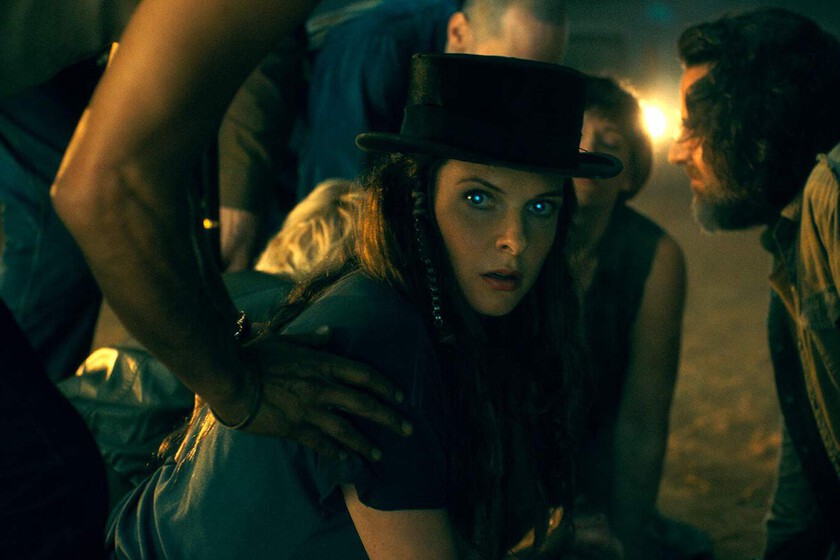
"Doctor Sleep" premiered in cinemas in November 2019, starring Ewan McGregor as the adult Dan Torrance, Rebecca Ferguson as the chilling villain Rose the Hat, and newcomer Kyliegh Curran as Abra Stone. The film was largely praised by critics for its ambitious storytelling, strong performances, and Flanagan’s skillful blend of psychological depth with supernatural horror. Many applauded its ability to stand on its own as a compelling narrative while respectfully engaging with its iconic predecessor. It was hailed as one of the best horror sequels in years, and Flanagan was further cemented as one of the most interesting voices in contemporary horror cinema.
However, despite critical acclaim, "Doctor Sleep" struggled at the box office, earning approximately $72.3 million worldwide against a production budget of $45 million. While not a complete financial disaster, it fell short of Warner Bros.’s expectations. This underperformance was attributed to various factors, including the film’s lengthy runtime (2 hours and 32 minutes), its R-rating, and perhaps the inherent difficulty in marketing a sequel to a 40-year-old film that, while iconic, wasn’t necessarily universally beloved by all audiences in the same way modern blockbusters are.
Unveiling the True Vision: The Director’s Cut
Shortly after its theatrical run, news emerged that a significantly longer Director’s Cut of "Doctor Sleep" existed. Mike Flanagan had publicly stated that his preferred version of the film was substantially longer than what audiences saw in theaters, a common occurrence where studios often request trims to achieve a more commercially viable runtime. This Director’s Cut, originally released on home media (Blu-ray and 4K UHD) and select digital platforms in early 2020, extends the film to a formidable 3 hours and 4 minutes, adding a substantial 32 minutes of new and extended footage. Now, almost seven years after its initial theatrical debut, this definitive version has found a new home on Prime Video, making it more accessible to a wider audience.
The Director’s Cut is not merely an assemblage of deleted scenes; it is a meticulously re-edited version that enhances the narrative flow, deepens character motivations, and strengthens thematic connections. Flanagan himself oversaw the re-integration of this footage, ensuring it felt organic to the story. He clarified that this was the version he originally submitted to the studio and always intended for release.
A Deeper Dive into the Narrative: What the Director’s Cut Adds
The additional 32 minutes in the Director’s Cut are strategically dispersed throughout the film, enriching several key aspects:
- Expanded Character Arcs: The theatrical cut, while effective, sometimes felt rushed in developing Dan Torrance’s journey from an alcoholic wanderer to a mentor figure. The Director’s Cut provides more extensive scenes depicting Dan’s early struggles, his initial attempts at sobriety, and his work at the hospice. These additions allow for a more profound understanding of his trauma and his path to redemption, making his eventual confrontation with his past even more impactful. Abra Stone’s character also benefits from more screen time, further establishing her unique abilities and her bond with Dan.
- Enhanced Connections to ‘The Shining’: Flanagan’s challenge was to honor both King’s novel and Kubrick’s film. The Director’s Cut delves deeper into the legacy of the Overlook Hotel, offering additional visual and narrative callbacks that resonate more powerfully with fans of "The Shining." There are expanded sequences within the reconstructed Overlook, providing more haunting glimpses into its malevolent history and further integrating it into Dan’s psyche. These additions serve to bridge the two cinematic worlds more seamlessly, making the film feel like a more complete and coherent sequel to Kubrick’s vision, while staying true to King’s themes.
- Richer World-Building for the True Knot: The cult of the True Knot, led by the charismatic and terrifying Rose the Hat, is given more dimension. Extended scenes explore their internal dynamics, their hunting rituals, and the chilling extent of their powers. This extra context makes them a more formidable and believable threat, raising the stakes for Dan and Abra.
- Pacing and Atmosphere: While the theatrical cut was lauded for its pacing, the Director’s Cut embraces a more deliberate, atmospheric rhythm. The added minutes allow the tension to build more slowly and organically, letting the dread seep in rather than rushing through plot points. This extended runtime also affords more moments of quiet contemplation, which are crucial for a film that deals with profound themes of addiction, trauma, and psychic abilities. Many critics and fans agree that the longer cut allows the film to breathe, enhancing its emotional resonance and psychological depth.
- Adherence to Stephen King’s Novel: The Director’s Cut includes more explicit nods and direct adaptations of scenes from King’s "Doctor Sleep" novel that were trimmed from the theatrical release. This closer adherence to the source material further solidifies Flanagan’s commitment to King’s vision, even while synthesizing it with Kubrick’s film.
Critical Re-evaluation and Fan Engagement
Upon its initial home video release, the Director’s Cut of "Doctor Sleep" was met with widespread critical acclaim, with many reviewers declaring it the definitive version. Critics who had enjoyed the theatrical cut found the extended version even more satisfying, while some who had been lukewarm to the theatrical release found their opinions shifting dramatically. The consensus was that the added footage significantly improved the film, transforming it into a richer, more cohesive, and ultimately more powerful experience.
Fans, particularly those deeply invested in both King’s literary universe and Kubrick’s filmography, embraced the Director’s Cut as a triumph. Its availability on Prime Video now introduces this superior version to a much broader audience, potentially sparking a renewed appreciation and critical reassessment of "Doctor Sleep" as a whole. This extended edition is often cited as a prime example of how director’s cuts can genuinely enhance a film, rather than merely padding it with superfluous content.
The Economics of Extended Cuts in the Streaming Era
The release of "Doctor Sleep" Director’s Cut on Prime Video is indicative of a broader industry trend. In the traditional home video market, extended cuts were often used as a selling point for Blu-ray and DVD releases. However, streaming platforms have amplified this phenomenon. Services like Prime Video, Netflix, and HBO Max increasingly offer director’s cuts, miniseries adaptations of films, or even entirely re-edited versions of projects.
There are several reasons for this strategy:
- Subscriber Retention: Offering exclusive, longer cuts provides added value to subscribers, encouraging them to stay with the platform.
- Creative Freedom: Streaming platforms can sometimes afford directors more creative leeway than traditional theatrical releases, which are often beholden to strict runtimes for exhibition purposes.
- Niche Appeal: Director’s cuts often cater to dedicated fanbases who are eager to delve deeper into a film’s narrative and behind-the-scenes insights. This niche appeal can be a significant draw for certain demographics.
- Reputation Building: By hosting definitive versions of critically acclaimed films, streaming services enhance their reputation as curators of quality content and supporters of artistic vision.
For "Doctor Sleep," Prime Video’s decision to feature the Director’s Cut highlights the platform’s understanding of its audience’s desires for comprehensive and uncompromised cinematic experiences. It allows a film that struggled in theaters to find its true audience and legacy.
Mike Flanagan’s Ascendant Career and the Broader Impact
"Doctor Sleep" solidified Mike Flanagan’s position as a master of modern horror. His ability to craft compelling narratives, develop complex characters, and evoke genuine dread, often through psychological tension rather than cheap jump scares, has earned him a dedicated following. Following "Doctor Sleep," Flanagan continued his success with "The Haunting of Bly Manor" and the critically acclaimed "Midnight Mass," further establishing his distinctive voice in the genre. His work on "Doctor Sleep," particularly the Director’s Cut, stands as a testament to his directorial prowess and his skill in navigating challenging adaptations.
The film’s success in bridging the gap between King’s literary world and Kubrick’s cinematic masterpiece also has broader implications for future adaptations of Stephen King’s work. It demonstrates that with respect for the source material and a clear artistic vision, even the most daunting adaptations can yield powerful and satisfying results. Furthermore, the positive reception of its extended cut reinforces the value of allowing filmmakers to present their complete work, particularly in a landscape where streaming services can offer a less restrictive exhibition environment than traditional cinemas.
Conclusion: A Definitive Chapter in Horror Cinema
The arrival of the "Doctor Sleep" Director’s Cut on Prime Video is more than just another streaming release; it is an invitation to experience a definitive version of a film that dared to follow two giants. At over three hours in length, this extended cut offers a profound and immersive journey into the continued saga of Dan Torrance, enriching the narrative, deepening character relationships, and strengthening the thematic resonance that Mike Flanagan meticulously crafted. For those who appreciated the theatrical cut, this version promises an even more rewarding experience. For those who missed it or were hesitant, now is the opportune moment to discover why "Doctor Sleep" is considered one of the most intelligent and respectful horror sequels of the modern era, finally presented as its director always intended. Its availability serves as a powerful reminder of the artistic vision that can be realized when creators are given the space to tell their stories fully, allowing audiences to truly connect with the enduring power of King’s universe and Flanagan’s masterful interpretation.
