


Every interaction with the internet, in any form, leaves a discernible digital trace—a breadcrumb trail for advertisers, data brokers, and potentially malicious entities to follow. This persistent data trail underpins the pervasive surveillance economy and raises significant concerns about individual privacy and data security. In response to this growing challenge, tools designed to shield users from tracking have gained prominence, with the Virtual Private Network (VPN) emerging as a leading defender of digital anonymity. Platforms such as NordVPN widely promote their services as a gateway to private browsing, effectively thwarting tracking mechanisms. However, the rapidly evolving technological landscape indicates that VPNs, while highly effective, are no longer the sole avenue for bolstering mobile privacy. A nuanced understanding of the available tools is essential for any user seeking to reclaim control over their online presence.
The Core Defender: Understanding Virtual Private Networks (VPNs)
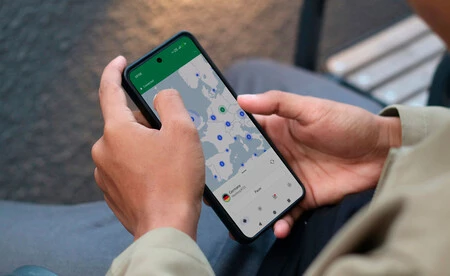
At its essence, a VPN functions as a sophisticated application that, upon activation, establishes an encrypted tunnel between a user’s mobile device and a remote server, often located in a different geographical region. This technological architecture is fundamental to how VPNs operate, creating a secure, private conduit for all internet traffic. When a user connects to a VPN server, their device’s internet requests are routed through this server before reaching their ultimate destination on the web. This process effectively masks the user’s actual IP address, replacing it with the IP address of the VPN server. From the perspective of websites and online services, the connection appears to originate from the VPN server’s location, rather than the user’s true geographical point.
How VPNs Work: A Technical Overview
The "tunnel" created by a VPN is not merely a conceptual pathway; it is a meticulously engineered encrypted connection. Modern VPNs leverage robust encryption protocols such as IPSec (Internet Protocol Security), OpenVPN, and the newer, faster WireGuard. These protocols employ advanced cryptographic algorithms to scramble data packets, rendering them unreadable to anyone who might intercept them without the correct decryption key. This end-to-end encryption ensures that all data transmitted—from browsing history and email content to banking transactions—remains confidential and impervious to eavesdropping.
Furthermore, a critical component of VPN functionality is the concept of a "no-logs" policy. Reputable VPN providers commit to not recording or storing user activity logs, including browsing history, connection timestamps, or bandwidth usage. This commitment is often independently audited by third-party security firms to provide an extra layer of assurance to users, affirming that their activities cannot be traced back to them even if the VPN provider were compelled to surrender data. This foundational principle underscores the promise of anonymity that VPNs offer.
Beyond Anonymity: Comprehensive Benefits of VPNs

The advantages of enabling a VPN service on a smartphone extend far beyond mere IP masking and encrypted traffic. A comprehensive VPN solution like NordVPN typically offers a multi-faceted approach to digital security and privacy:
- Enhanced Security on Public Wi-Fi: Public Wi-Fi networks, often found in cafes, airports, and hotels, are notorious for their security vulnerabilities. Without encryption, data transmitted over these networks can be easily intercepted by malicious actors. A VPN encrypts all data, making public Wi-Fi safe for sensitive activities.
- Bypassing Geo-Restrictions: By routing traffic through servers in different countries, VPNs allow users to access geo-restricted content and services. This includes streaming platforms, news websites, and online services that are otherwise unavailable in their physical location.
- Ad and Malware Blocking: Many premium VPN services integrate features that block intrusive advertisements, pop-ups, and known malicious websites. This not only improves the browsing experience but also offers a layer of defense against phishing attempts and malware infections.
- ISP Throttling Prevention: Internet Service Providers (ISPs) sometimes throttle bandwidth for certain types of traffic (e.g., streaming, gaming) to manage network congestion. By encrypting traffic, a VPN makes it difficult for ISPs to identify and discriminate against specific data types, potentially preventing throttling.
- Complete Device Protection: Unlike browser-specific privacy tools, a VPN application, once activated, protects all internet traffic originating from the device. This includes data from web browsers, messaging apps, streaming services, and any other application that connects to the internet, ensuring a holistic shield against tracking and surveillance.
The Evolution of VPNs: From Niche to Mainstream
The concept of VPNs originated in the corporate world, designed to provide secure remote access for employees to internal company networks. However, the proliferation of personal devices, the increasing awareness of online tracking, and a series of high-profile data breaches and surveillance revelations transformed VPNs from a niche enterprise tool into a mainstream consumer product. Market research indicates a substantial growth in VPN adoption globally. For instance, reports by Statista suggest that the global VPN market size, valued at approximately $44.6 billion in 2022, is projected to reach over $170 billion by 2030, driven by escalating concerns over digital privacy and cybersecurity threats. This exponential growth reflects a widespread public recognition of the need for robust personal privacy tools in an interconnected world.
Navigating the Broader Mobile Privacy Landscape: Beyond the VPN
While VPNs have become a de facto standard for comprehensive online privacy and security, they are not the sole arbiters of digital anonymity. The trend in mobile privacy is evolving toward a multi-faceted approach, with several parallel fronts offering specialized protections. Some of these tools are even integrated directly into mobile operating systems or browsers, reflecting a growing industry commitment to user privacy.
Enhanced DNS: DoH, DoT, and Custom DNS
The Domain Name System (DNS) is often referred to as the "phonebook of the internet," translating human-readable website names (like google.com) into machine-readable IP addresses. Traditionally, DNS queries are sent unencrypted, making them vulnerable to snooping and manipulation by ISPs, governments, and other entities.
- DNS-over-HTTPS (DoH) and DNS-over-TLS (DoT): These protocols address the vulnerability of traditional DNS by encrypting DNS queries.
- DoH wraps DNS queries within HTTPS traffic, making them indistinguishable from regular web traffic. This makes it harder for third parties to block or monitor DNS requests.
- DoT encrypts DNS queries using the TLS (Transport Layer Security) protocol, the same encryption used for secure websites. Both DoH and DoT prevent passive observation of DNS queries, thereby enhancing privacy by preventing third parties from knowing which websites a user is trying to access. Services like Cloudflare’s 1.1.1.1 and Google Public DNS offer public DoH/DoT resolvers that users can configure on their devices.
- Custom DNS: Beyond encryption, configuring a custom DNS server allows users to route all their DNS queries through a specific provider. Many custom DNS services, such as NextDNS or AdGuard DNS, offer ad-blocking and tracker-blocking features at the network level. By filtering malicious domains and ad servers, these services can significantly reduce the amount of tracking data collected and block unwanted content across all apps on the device, without requiring a full VPN connection.
Fortifying TLS: The Role of Encrypted Client Hello (ECH)
While DoH and DoT protect DNS queries, another critical piece of information that can leak user activity is the Server Name Indication (SNI) during the TLS handshake. When a browser connects to a website, it sends the website’s hostname in clear text as part of the SNI, even if the connection itself is encrypted. This allows intermediate network observers (like ISPs) to know which websites a user is visiting, even if they can’t see the content.
- Encrypted Client Hello (ECH): ECH is a proposed extension to the TLS protocol designed to encrypt the entire Client Hello message, including the SNI. By encrypting this crucial metadata, ECH makes it significantly harder for passive network observers to determine which specific website a user is accessing. This technology works at a fundamental level of internet communication, providing a layer of privacy that complements encrypted DNS and VPNs, particularly for browser-based activities.
Apple’s Approach: iCloud Private Relay Explained
Apple has integrated its own privacy-enhancing service, iCloud Private Relay, as part of its iCloud+ subscription offering. This feature is designed to obscure a user’s IP address and browsing activity in Safari.
- Two-Hop Architecture: Private Relay operates on a two-hop architecture. When a user browses with Safari, their internet traffic is first encrypted and sent through an Apple-managed relay, which knows their IP address but not their browsing destination. It then sends the traffic to a second relay, operated by a third-party content provider, which knows the destination but not the user’s original IP address. This separation of knowledge ensures that neither Apple nor the third-party relay can identify both the user and the websites they visit.
- Limitations: While effective, iCloud Private Relay has specific limitations. It primarily protects traffic originating from Safari and certain app traffic, but it does not cover all internet traffic from the device like a full VPN. It also doesn’t allow users to select specific server locations to bypass geo-restrictions, focusing instead on general location obfuscation. It is also exclusive to Apple devices and requires an iCloud+ subscription.
Cloudflare WARP: A Performance-Oriented Privacy Solution
Cloudflare’s WARP is another notable privacy tool that often gets compared to VPNs, though it operates with a distinct philosophy. WARP is built on Cloudflare’s global network, focusing on optimizing internet traffic and enhancing security and privacy without the full feature set of a traditional VPN.
- Privacy-First DNS and Traffic Optimization: WARP encrypts DNS queries and much of the user’s outgoing internet traffic, routing it through Cloudflare’s network. This helps to hide the user’s IP address from the destination websites. Cloudflare emphasizes that WARP is designed to improve internet performance by using optimized routing and caching.
- "VPN-Lite" Concept: While WARP encrypts traffic and offers some IP masking, it doesn’t function as a traditional VPN for all purposes. For instance, while it hides the user’s IP from destination sites, Cloudflare itself can see the user’s IP. Furthermore, its ability to change the apparent geographical location is limited compared to commercial VPNs, which offer a wide array of server locations for geo-restriction bypassing. WARP is available in both free and paid (WARP+) versions, with the paid version offering additional performance benefits.
A Comparative Analysis: When and Why to Choose Each Tool
The landscape of privacy tools is diverse, and each technology serves a particular set of needs and offers varying degrees of protection. Understanding their specific functionalities and limitations is crucial for making informed choices.
| Technology | Hides IP | Changes Country | Encrypts All Traffic | Protects All Apps | Ad Blocking | Requires Installation | Cost |
|---|---|---|---|---|---|---|---|
| DoH / DoT | No | No | No | No | No | No | Free |
| ECH | No | No | No | Browser Only | No | No | Free |
| Custom DNS | No | No | No | Yes | Yes (server-dependent) | No | Free / Paid |
| iCloud Private Relay | Yes | No | No | Safari Only | No | No (requires iCloud+) | iCloud+ |
| Cloudflare WARP | Yes (to destination, not CF) | Limited | Yes | Yes | No | Yes | Free / Paid |
| VPN App | Yes | Yes | Yes | Yes | Yes | Yes | Paid |
- DoH/DoT and ECH: These are foundational enhancements for network privacy, primarily focused on securing DNS queries and the TLS handshake. They are "set and forget" features, often integrated into browsers or operating systems, offering crucial but limited protection against passive observation. They do not hide your IP from destination servers or allow geo-spoofing.
- Custom DNS: For users primarily concerned with ad blocking and basic tracker prevention across their entire device, a custom DNS configured with filtering capabilities is an excellent, often free, and non-intrusive option. It doesn’t hide your IP or change your virtual location, but it effectively cleans up your internet experience.
- iCloud Private Relay: Apple users with an iCloud+ subscription gain a significant privacy boost for their Safari browsing. It effectively masks the user’s IP and activity within Safari, offering a layer of privacy similar to a partial VPN without the full geographic flexibility or device-wide coverage. It’s an integrated, user-friendly solution for those already in the Apple ecosystem.
- Cloudflare WARP: If the primary goals are to improve internet speed, encrypt traffic for basic security, and obscure your IP from destination websites without the need for specific country selection, WARP is a compelling option. It’s often faster than traditional VPNs for everyday browsing but isn’t designed for bypassing strict geo-blocks.
- Commercial VPN App: For comprehensive, device-wide protection, including full IP masking, the ability to select servers in numerous countries, robust encryption of all traffic, ad blocking, and malware protection across all applications, a commercial VPN app remains the most complete solution. It requires installation and typically comes with a subscription fee, but it offers unparalleled versatility and security.
The Imperative of Digital Privacy: Context and Driving Forces

The escalating interest in privacy tools is not merely a technical trend; it is a reflection of profound societal shifts and heightened awareness of digital vulnerabilities.
- The Expanding Threat Landscape: The internet has become an indispensable part of daily life, but it also presents an ever-growing array of threats. Targeted advertising, fueled by sophisticated data collection and profiling, is often perceived as intrusive and manipulative. Data breaches expose sensitive personal information, leading to identity theft and financial fraud. Furthermore, government surveillance programs in various jurisdictions and state-sponsored censorship in others underscore the urgent need for tools that empower individuals to communicate and access information freely and securely.
- Regulatory Efforts and Their Limitations: In response to public outcry, regulatory bodies worldwide have enacted legislation such as the General Data Protection Regulation (GDPR) in Europe and the California Consumer Privacy Act (CCPA) in the United States. While these laws aim to provide individuals with greater control over their personal data, their enforcement can be complex, and their scope is often limited, leaving gaps that technical solutions like VPNs and enhanced DNS can fill. The "privacy arms race" between data collection technologies and privacy-enhancing tools is a continuous cycle, with innovation on both sides pushing the boundaries of digital interaction.
The Future of Personal Online Security: A Multi-Layered Approach
The trajectory of personal online security points towards a multi-layered defense strategy. No single tool offers a silver bullet for all privacy and security concerns. Instead, the most effective approach involves combining several technologies to create a robust digital shield.
Operating system developers like Apple and Google are increasingly integrating privacy features directly into their mobile platforms, offering users more granular control over app permissions, location data, and tracking. This trend, coupled with ongoing innovation in network protocols (like ECH) and specialized privacy services, suggests a future where users have a broader and more integrated toolkit at their disposal.
Ultimately, the responsibility for digital privacy is shared. Users must become more informed about the tools available and the risks they face. Providers, whether of operating systems, browsers, or dedicated privacy services, must continue to innovate and uphold stringent privacy standards, including transparent "no-logs" policies and independent security audits. The global market for privacy tools is a testament to the enduring demand for solutions that empower individuals to navigate the digital world with confidence and control.
Conclusion: The Enduring Relevance of Comprehensive Privacy Solutions
While the array of privacy-enhancing technologies continues to expand, offering specialized solutions for various aspects of online tracking, it is critical to recognize that no single alternative fully replicates the comprehensive coverage provided by a high-quality commercial VPN. Each emerging technology addresses a specific component of the privacy challenge, be it DNS encryption, browser-level IP obfuscation, or ad blocking.
For users seeking an all-encompassing shield that secures all device traffic, masks their IP address, allows virtual location changes, and provides additional security features like ad and malware blocking, a commercial VPN remains the most robust and versatile option. In this competitive landscape, established platforms like NordVPN stand out as highly complete solutions for mobile device protection, offering a powerful combination of features that address the multifaceted demands of modern digital privacy. As the digital footprint becomes increasingly indelible, investing in such comprehensive tools is not merely a convenience but a fundamental step towards securing one’s online identity and freedom.
