
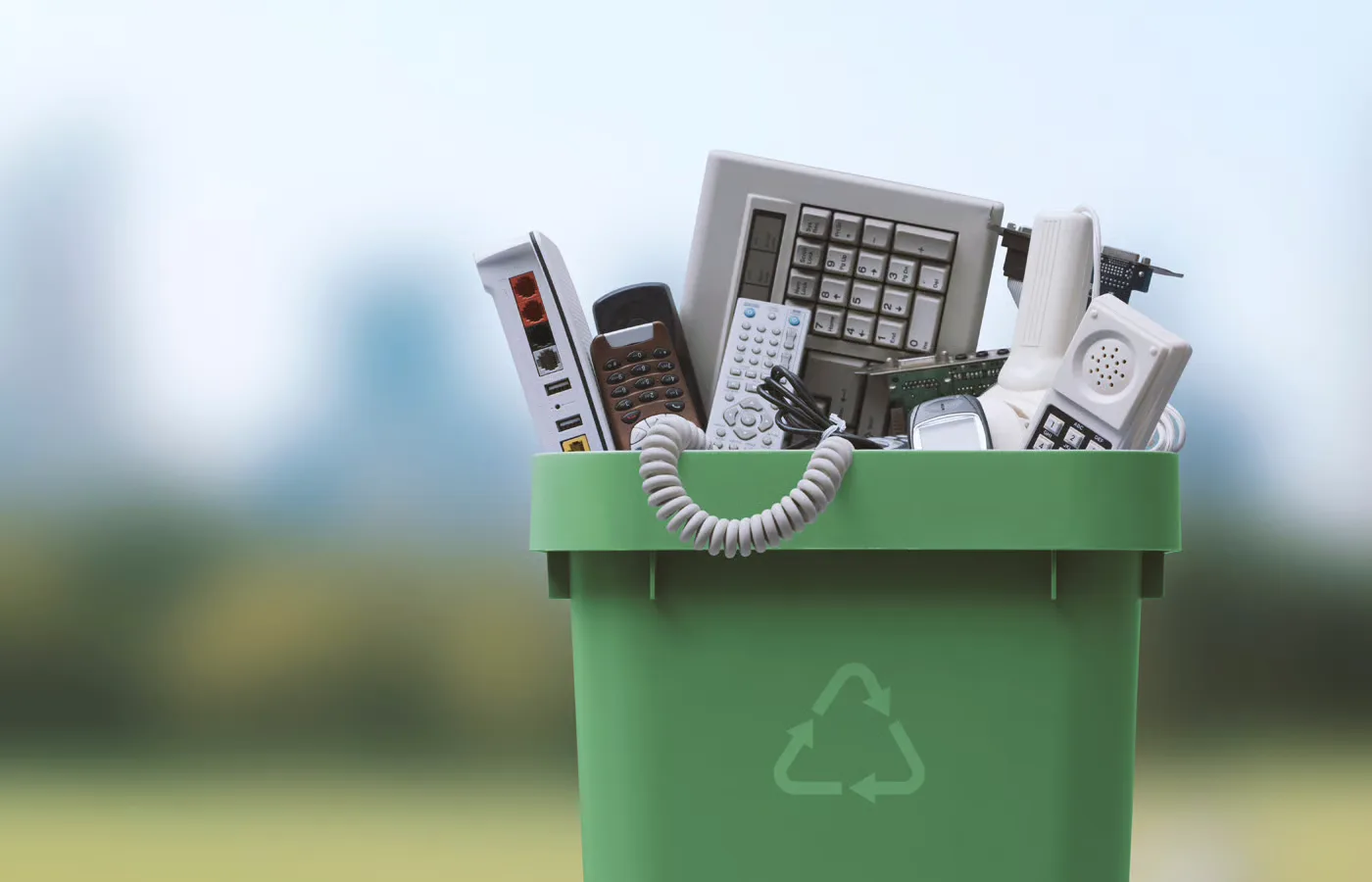

Electronic waste, commonly referred to as e-waste, has emerged as one of the most pressing environmental and logistical challenges of the 21st century. Encompassing everything from discarded handheld smartphones and portable MP3 players to decommissioned enterprise servers, commercial mainframes, and large household appliances such as refrigerators, air conditioners, and television sets, e-waste represents a complex and rapidly accelerating waste stream.
When processed through authorized and technologically advanced recycling facilities, the valuable materials embedded within these devices—including copper, gold, silver, palladium, and critical rare-earth metals—can be safely recovered and reintroduced into the global manufacturing supply chain. This closed-loop approach offers a vital pathway toward sustainable resource utilization. Conversely, when discarded electronic goods are handled incorrectly or processed in informal, unregulated settings, the hazardous substances contained within them, such as lead, mercury, cadmium, and brominated flame retardants, pose severe and long-lasting threats to local ecosystems and human health.
Understanding the Genesis and Escalation of the E-Waste Epidemic
The proliferation of electronic waste is intrinsically linked to the rapid evolution of digital technology and the subsequent, intentional obsolescence of consumer and enterprise hardware. Within Green IT initiatives, managing this category of waste has transformed from a secondary operational consideration into a primary global priority.
The core driver of the global e-waste crisis lies in the dual nature of device composition. Modern electronics are an intricate composite of high-value resources juxtaposed with dangerous toxins. At the same time, shifting consumer behaviors, aggressive marketing cycles, and a pervasive "throwaway culture" that consistently undervalues repairability, modularity, and reuse have drastically shortened product life cycles. Consumers and enterprises alike discard functional or easily repairable equipment in favor of newer, more powerful iterations at unprecedented rates.
Historical Context and Chronological Growth of E-Waste
To comprehend the scale of the current electronic waste challenge, it is necessary to examine its historical trajectory over the past two decades.
During the early 2000s, the mass adoption of personal computers, the rapid expansion of mobile telephony, and the digitization of corporate infrastructure initiated the modern consumer electronics boom. As manufacturing costs plummeted and processing power escalated, electronic devices transitioned from long-term capital investments to short-term consumable goods.
By the early 2010s, international regulatory bodies and environmental organizations began registering alarming spikes in discarded hardware. The transition to flat-screen displays, the introduction of smartphones, and the exponential growth of cloud computing infrastructure necessitated the continuous replacement of server racks and data center hardware.
A watershed moment in global e-waste quantification occurred in 2019, when comprehensive international assessments estimated that a staggering 53.6 million metric tonnes (approximately 59 million U.S. tons) of e-waste were generated worldwide in a single year. Crucially, empirical data revealed that a mere 17.4 percent of this enormous volume was officially documented as having been collected and recycled through formal, environmentally sound channels. This stark disparity underscored a systemic global failure in logistics, infrastructure, and policy enforcement, highlighting an urgent need for structural reform in how electronic hardware is managed from production to disposal.
Categorization of Electronic Waste Streams
To effectively manage and legislate electronic waste, regulatory bodies and recycling facilities categorize discarded items into distinct operational streams. Understanding these classifications is essential for developing targeted recovery protocols:
- Temperature Exchange Equipment: Commonly known as cooling and freezing equipment, this category includes refrigerators, freezers, air conditioners, and heat pumps, which often contain ozone-depleting substances or potent greenhouse gases in their cooling circuits.
- Screens and Monitors: Televisions, computer monitors, laptops, notebooks, and tablets that utilize liquid crystal displays (LCD), light-emitting diodes (LED), or cathode-ray tubes (CRT), the latter of which present significant lead-poisoning hazards.
- Lamps: Fluorescent lamps, high-intensity discharge lamps, and LED light sources that frequently incorporate toxic elements like mercury.
- Large Equipment: Household appliances and commercial machinery exceeding external dimensions of 50 centimeters, including washing machines, dryers, dishwashers, large printing presses, and industrial automation controllers.
- Small Equipment: Microwaves, ventilation equipment, toasters, electric kettles, electric shavers, scales, calculators, radio sets, video cameras, and electronic toys.
- Small IT and Telecommunication Equipment: Handheld smartphones, global positioning systems (GPS) devices, pocket calculators, routers, personal computers, printers, and enterprise networking hardware.
Environmental and Public Health Impacts of Improper Disposal
The improper disposal, unregulated dismantling, and substandard recycling of electronic waste trigger cascading environmental degradation and public health crises, particularly in developing nations where a substantial portion of global e-waste is historically exported.
When e-waste is subjected to open-air burning or crude acid bath extraction—common practices in informal recycling economies designed to harvest copper and gold—toxic heavy metals and persistent organic pollutants are released directly into the atmosphere, soil, and local water tables.
Lead exposure, frequently originating from the solder and glass components of cathode-ray tubes and circuit boards, can cause irreversible neurological damage, particularly in children, as well as renal impairment and cardiovascular complications. Mercury, often found in switches, flat-screen backlights, and relays, bioaccumulates in aquatic food chains, threatening both marine ecosystems and human populations reliant on fish consumption. Cadmium, utilized in rechargeable batteries and older semiconductor coatings, is a known human carcinogen that accumulates in the human kidneys and bones, leading to osteomalacia and organ failure. Furthermore, brominated flame retardants, incorporated into plastic casings to reduce flammability, degrade slowly in the environment, acting as endocrine disruptors and persistent bioaccumulative toxins.
The Industrial Lifecycle and Technical Processes of E-Waste Recycling
Mitigating the environmental and health consequences of electronic waste requires sophisticated, industrialized recycling pipelines. While exact methodologies vary depending on the feedstock—ranging from consumer tablets to enterprise-grade server blades—formal e-waste processing generally adheres to a standardized sequence of technological stages:
- Collection and Transportation: Secure logistics networks gather decommissioned electronics from municipal drop-off sites, corporate trade-in programs, and enterprise IT asset disposition (ITAD) contracts, transporting them to licensed processing facilities while maintaining data destruction security.
- Manual Sorting and Pre-Treatment: Technicians manually strip hazardous components—such as batteries, capacitors containing polychlorinated biphenyls (PCBs), and mercury-containing lamps—to prevent contamination during mechanical processing. High-value reusable subassemblies may be refurbished at this stage.
- Shredding and Mechanical Separation: The remaining material is fed into heavy-duty industrial shredders, reducing the electronics into smaller fragments. Advanced magnetic separators then extract ferrous metals, while eddy-current separators isolate non-ferrous metals such as aluminum and copper.
- Optical and Density Separation: Utilizing high-resolution optical sensors, X-ray fluorescence, and air classification techniques, facilities separate shredded plastics from glass and precious metal concentrates.
- Refining and Smelting: The separated metal fractions are sent to specialized metallurgical refineries, where pyrometallurgical and hydrometallurgical processes extract high-purity gold, silver, palladium, platinum, and copper for re-entry into manufacturing supply chains.
Persistent Challenges in Global E-Waste Management
Despite the establishment of standardized recycling protocols, the global e-waste management apparatus faces severe, persistent structural obstacles that impede optimal resource recovery:
The Informal Sector and Transboundary Movement: A significant volume of electronic waste continues to be illegally trafficked from developed nations to developing regions. In these destinations, informal workers process hazardous materials without personal protective equipment or environmental controls, bypassing international treaties such as the Basel Convention.
Economic Disincentives and Planned Obsolescence: The cost of virgin raw material extraction is often artificially lower than the cost of collecting, transporting, and processing complex e-waste. Coupled with manufacturer designs that discourage non-destructive disassembly, recycling operations frequently operate on razor-thin profit margins or rely entirely on municipal subsidies.
Data Security and Corporate Hesitation: Enterprises often delay the retirement and recycling of old IT hardware due to valid concerns regarding corporate data leakage. Without guaranteed, certified data destruction services, companies tend to warehouse obsolete servers and workstations indefinitely, removing them from the active recycling stream.
Sectors Impacting E-Waste Management and Corporate Responsibility
E-waste management is deeply influenced by a diverse array of industrial sectors, each dictating how electronic devices are manufactured, utilized, and eventually discarded.
The corporate sector bears profound responsibility for the lifecycle management of electronic products. In response to mounting regulatory pressure and stakeholder scrutiny, enterprises and technology manufacturers have instituted various proactive frameworks:
Extended Producer Responsibility (EPR): Many jurisdictions now mandate that original equipment manufacturers (OEMs) finance the collection, treatment, and disposal of their products at the end of their operational lifecycles. This financial obligation incentivizes companies to design cleaner, more durable, and easily recyclable hardware.
IT Asset Disposition (ITAD) Partnerships: Enterprises increasingly partner with certified ITAD vendors to ensure that decommissioned corporate assets—ranging from desktop computers to enterprise data center servers—are audited, data-wiped to military standards, and responsibly recycled or remarketed.
Consumer Education and Take-Back Initiatives: Leading technology brands have established retail drop-off kiosks and trade-in programs, encouraging end-users to return obsolete smartphones, tablets, and peripherals for credit or proper disposal.
The Role of Consumers in Waste Reduction
While systemic reforms driven by governments and multinational corporations are paramount, the effective handling of electronic waste ultimately relies on the behavioral choices of individual consumers.
Consumers drive demand dynamics through purchasing decisions. Opting for durable, high-repairability devices, resisting the psychological pressure of annual upgrade cycles, and actively utilizing local municipal e-waste collection drives are vital individual contributions. Furthermore, supporting "Right to Repair" legislation empowers consumers to mend broken appliances and electronics rather than discarding them prematurely, directly curbing the growth of the global e-waste stream.
Policies, Legislation, and International Frameworks
The governance of electronic waste relies on a multi-tiered legal framework spanning municipal, regional, national, and international jurisdictions. These legal instruments are critical for enforcing environmental standards and curbing illicit trade.
International Frameworks and Agreements
International treaties provide the foundational rules governing the transboundary movement of hazardous waste:
The Basel Convention on the Control of Transboundary Movements of Hazardous Wastes and Their Disposal: Adopted in 1989 and subsequently amended—including the recent entry into force of the Ban Amendment and the E-Waste Partnership initiatives—the Basel Convention restricts the export of hazardous electronic waste from developed countries to developing nations, establishing rigorous prior informed consent procedures.
Strategic Approach to International Chemicals Management (SAICM): Promoted by the United Nations Environment Programme (UNEP), SAICM addresses chemical safety issues throughout the lifecycle of electrical and electronic products, mitigating occupational and environmental hazards.
Regional and National Legislation
National and regional directives have transformed theoretical environmental goals into legally binding mandates:
The European Union Waste Electrical and Electronic Equipment (WEEE) Directive: First enacted in 2003 and rigorously updated since, the WEEE Directive sets collection, recycling, and recovery targets for all types of electrical goods sold within the EU member states, enforcing strict producer responsibility.
Restriction of Hazardous Substances (RoHS) Directive: Operating in tandem with WEEE, the RoHS Directive restricts the use of specific hazardous materials—such as lead, mercury, cadmium, and hexavalent chromium—in the manufacture of various types of electronic and electrical equipment sold within the European market.
National Laws in North America and Asia: While the United States federal government lacks a comprehensive federal e-waste recycling law, numerous individual states—including California, New York, and Washington—have enacted mandatory producer-funded recycling programs. Similarly, nations such as Japan ( melalui the Home Appliance Recycling Law) and China (implementing strict circular economy promotion laws and EPR systems) have established robust domestic frameworks to manage their massive domestic electronics output.
Future Innovations in E-Waste Handling
As the volume of global electronic waste continues its upward trajectory, the future of e-waste management depends heavily on technological innovation and paradigm shifts in industrial design.
Advanced Recycling Technologies
Emerging technological solutions are revolutionizing material recovery efficiency. Artificial intelligence (AI)-driven robotic sorting systems, coupled with advanced hyperspectral imaging and spectrometry, are being deployed in state-of-the-art recycling facilities. These systems can instantly identify polymer types, printed circuit board grades, and precious metal concentrations, drastically reducing reliance on manual labor and increasing recovery purity.
Concurrently, innovations in chemical and biological processing—such as bioleaching, which utilizes specific strains of bacteria and fungi to selectively dissolve and extract precious metals from crushed circuit boards—offer low-energy, eco-friendly alternatives to traditional smelting.
Design for Environment (DfE) and Modular Engineering
Manufacturers are increasingly adopting Design for Environment principles, conceptualizing products with their eventual retirement in mind. This design philosophy minimizes the inclusion of hazardous elements, utilizes mono-materials to simplify plastics recycling, and engineers structural joints for effortless, non-destructive disassembly.
Architectural concepts such as modular smartphones, upgradeable laptops, and server architectures with swappable components are gaining traction in both consumer and enterprise markets. By allowing users to replace a single failing component or upgrade a processor without discarding the entire chassis, these designs fundamentally disrupt the traditional linear consumption model.
Circular Economy Models and Product-as-a-Service
The industrial transition toward a circular economy model emphasizes the systematic elimination of waste through continuous product reuse, remanufacturing, and recycling.
Within this paradigm, Product-as-a-Service (PaaS) business models are expanding rapidly. Rather than purchasing physical hardware outright, enterprise clients and consumers subscribe to the functionality of a device. Because the manufacturer retains ownership of the physical asset throughout its lifecycle, they maintain a direct financial incentive to design exceptionally durable, easily upgradeable, and fully recyclable electronics, aligning corporate profitability with environmental sustainability.
Strategic Implications and Operational Efficiency for Enterprises
Effective e-waste management is a collective endeavor requiring synchronized action across governmental bodies, industrial manufacturers, and individual consumers. The integration of advanced robotic sorting technologies, the widespread adoption of sustainable product designs, and the rigorous enforcement of international trade and environmental policies are fundamental steps toward mitigating the ecological and health impacts of our digital society.
For commercial and industrial organizations, optimizing environmental stewardship extends beyond the physical recycling of obsolete desktop hardware and networking gear. In addition to responsible IT asset disposal, organizations can simultaneously slash their carbon footprint and reduce substantial operational overhead costs by aggressively improving data center and server room power consumption efficiency. Transitioning to high-efficiency power distribution units, implementing intelligent cooling architectures, and consolidating underutilized server loads through advanced virtualization directly complement corporate e-waste reduction strategies, forging a viable pathway toward a cleaner, more sustainable technological future.
