
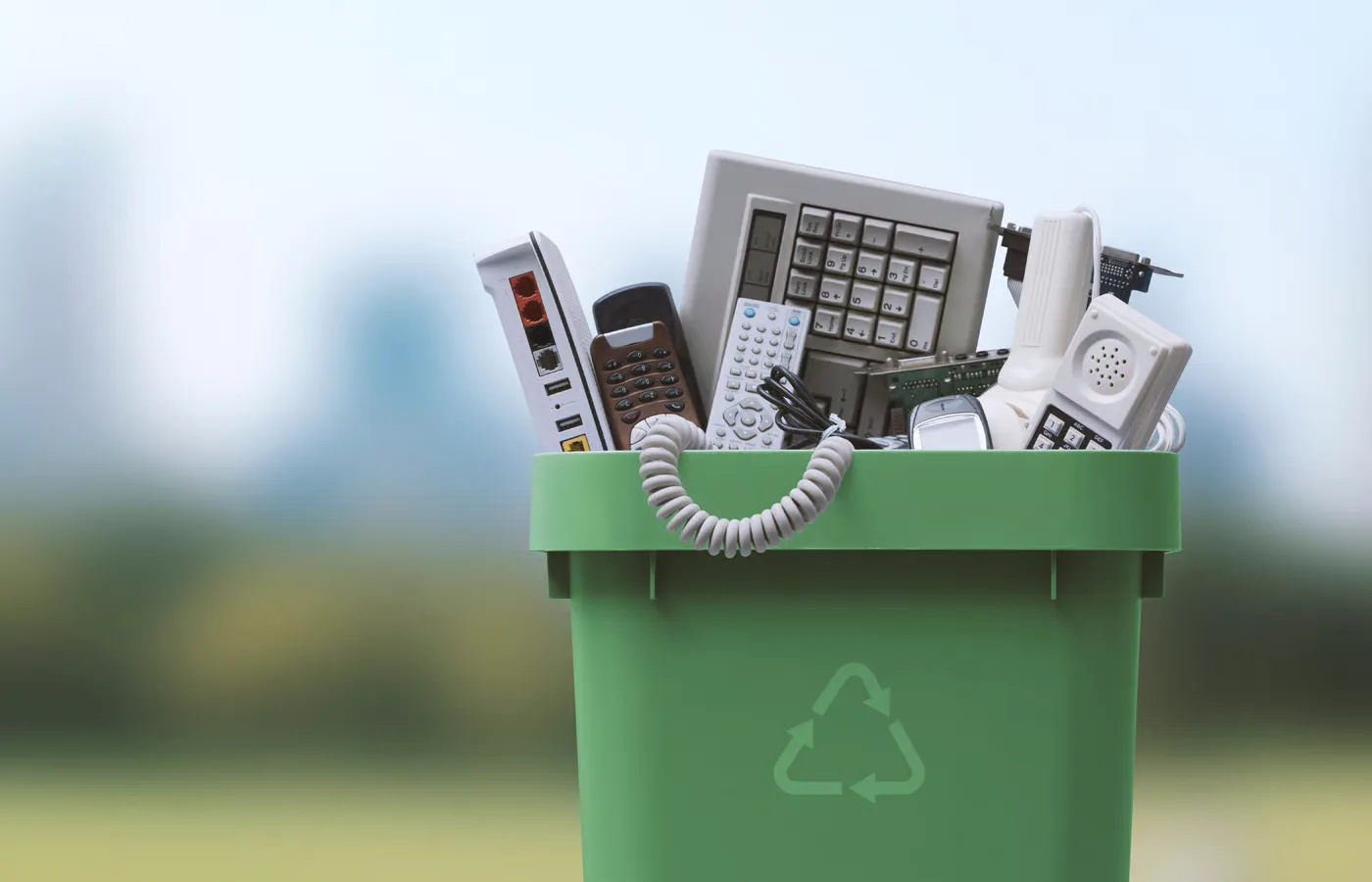

Electronic waste, commonly referred to as e-waste, has emerged as one of the most pressing environmental and operational challenges of the twenty-first century. Encompassing everything from discarded smartphones and wearable devices to obsolete data center servers, industrial mainframes, and domestic appliances, e-waste represents a complex and rapidly expanding fraction of the global municipal and industrial waste stream. As modern societies grow increasingly dependent on digital infrastructure, consumer electronics, and automated machinery, the rate of technological obsolescence has accelerated dramatically, precipitating an urgent need for comprehensive management strategies, regulatory intervention, and technological innovation.
At its core, e-waste is characterized by a paradoxical composition. On one hand, these discarded devices are urban mines, containing rich concentrations of high-value resources, including copper, gold, silver, palladium, and critical rare-earth metals essential for high-tech manufacturing. On the other hand, they harbor severe environmental hazards, housing toxic substances such as lead, mercury, cadmium, beryllium, and brominated flame retardants. When these items are subjected to improper disposal methods—such as open-air burning, uncontrolled landfilling, or crude acid-bath extraction in informal recycling sectors—they release persistent bioaccumulative toxins into the soil, water tables, and atmosphere. This dynamic triggers severe occupational health hazards for workers in developing regions and inflicts long-term damage on global ecosystems.
To comprehend the sheer magnitude of the modern e-waste crisis, it is instructive to examine the historical trajectory and statistical realities that have defined its growth over the past two decades. The proliferation of affordable computing, the advent of the smartphone era in the late 2000s, and the continuous push toward miniaturization and smart integration have fundamentally transformed consumer and enterprise procurement habits. Devices that were once expected to function for a decade or more are now systematically retired after two to three years, driven by software updates, planned obsolescence, and aggressive marketing cycles.
Historical Context and Chronological Evolution of the Crisis
The regulatory and public awareness timeline regarding e-waste began to take shape in the late 1980s and 1990s, catalyzed by the globalization of electronic manufacturing and the subsequent export of hazardous waste from developed nations to the Global South.
In 1989, the international community attempted to address the transboundary movement of hazardous waste by adopting the Basel Convention under the auspices of the United Nations Environment Programme. While the convention entered into force in 1992, its initial provisions did not adequately capture the nuances of electronic waste trade, allowing millions of tons of functional and non-functional electronics to be shipped across borders under the guise of "second-hand goods" for reuse.
Throughout the 2000s, as personal computing penetrated households worldwide and corporate data centers expanded exponentially to support the early phases of cloud computing, the volume of discarded hardware surged. Recognizing the impending environmental fallout, the European Union enacted pioneering legislative frameworks. The Waste Electrical and Electronic Equipment (WEEE) Directive, introduced in 2003, established the legal framework for producer responsibility, compelling manufacturers to finance the collection, treatment, and recovery of electrical equipment. This marked a watershed moment, shifting the financial burden of waste management away from municipalities and onto the corporations that profit from the sale of electronics.
Despite these early regional interventions, global e-waste generation continued to outpace regulatory enforcement. By the late 2010s, international monitoring bodies began sounding alarms regarding the systemic under-reporting and illicit trafficking of electronic scrap. A landmark global assessment published by the United Nations in 2020 revealed that the world generated an unprecedented 53.6 million metric tons of e-waste in 2019 alone. This figure represented a staggering 21 percent increase over just five years. More alarmingly, the report documented that only 17.4 percent of that massive tonnage was officially documented as collected and properly recycled, leaving more than 44 million metric tons of hazardous electronic debris unaccounted for, improperly treated, or dumped in informal unregulated settings.
Types and Categorization of Electronic Waste
To design effective recycling infrastructure, policymakers and industrial engineers categorize e-waste into distinct operational streams. Understanding these classifications is vital for optimizing recovery processes, as each category demands specialized handling procedures.
Temperature exchange equipment, commonly referred to as cooling and freezing equipment, encompasses refrigerators, freezers, air conditioners, and heat pumps. These appliances contain synthetic greenhouse gases and ozone-depleting substances, such as chlorofluorocarboxylic compounds and hydrofluorocarboxylic agents, which require closed-loop extraction before mechanical shredding can take place.
Screens, monitors, and devices containing displays represent another high-volume category. This includes televisions, computer monitors, laptops, tablets, and modern smartphones. Older cathode-ray tube (CRT) displays are particularly problematic due to their heavy leaded glass construction, while modern liquid-crystal display and organic light-emitting diode panels often contain hazardous phosphors and mercury backlighting components.
Large equipment, spanning household washing machines, clothes dryers, dishwashers, electric stoves, large printing machinery, and photovoltaic panels, forms a substantial portion of the physical weight of industrial and municipal waste streams. These devices are characterized by heavy steel structures, powerful electric motors, and extensive copper wiring harnesses.
Small equipment, including microwaves, ventilation devices, vacuum cleaners, toasters, electric shavers, scales, and calculators, represents a rapidly multiplying consumer category. Because these items are frequently discarded in ordinary household refuse rather than dedicated municipal collection points, their precious metal content is disproportionately lost to landfills.
Small information technology and telecommunications equipment, such as personal computers, printers, cellular phones, global positioning system devices, pocket calculators, routers, and enterprise networking switches, constitutes the fastest-growing sector by value. The rapid iteration cycles of smartphones and laptops mean that billions of microprocessors, printed circuit boards, and lithium-ion batteries enter the waste stream annually.
Lamp equipment, including fluorescent tubes, compact fluorescent lamps, and high-intensity discharge lighting systems, requires specialized mechanical handling to neutralize mercury vapor prior to glass and metal sorting.
Environmental, Health, and Economic Implications
The unchecked accumulation of electronic waste carries profound ramifications for global public health, environmental stability, and macroeconomic resource security. When electronic components are incinerated or exposed to acidic chemical baths in informal recycling hubs—often located in regions with lax labor and environmental standards—toxic chemical compounds are unleashed. Lead exposure among children in these communities can cause irreversible neurological damage, impaired cognitive development, and behavioral disorders. Mercury bioaccumulates in aquatic food webs, posing severe risks to renal and cardiovascular health. Furthermore, brominated flame retardants released from burning plastics mimic endocrine disruptors, interfering with thyroid function and reproductive health.
From an environmental perspective, improper e-waste management exacerbates greenhouse gas emissions and depletes finite natural reserves. Mining primary ores for copper, gold, aluminum, and rare-earth elements like neodymium and dysprosium requires vast inputs of fossil fuels, consumes millions of gallons of water, and generates massive quantities of toxic tailings. Conversely, recovering these same metals from secondary electronic scrap requires significantly less energy and mitigates the ecological degradation associated with primary extraction.
From an economic standpoint, the failure to capture and recycle e-waste represents a monumental loss of capital. Estimates from international trade bodies suggest that the raw material value of global e-waste generated in a single year exceeds tens of billions of dollars. For technology-dependent economies reliant on imported critical minerals, domestic e-waste streams represent a strategic resource buffer that can insulate supply chains from geopolitical volatility and price shocks.
Processes, Innovations, and Challenges in E-Waste Recycling
The operational lifecycle of electronic waste recycling is a sophisticated, multi-stage engineering endeavor designed to safely separate hazardous fractions while maximizing the recovery of marketable commodities.
The process typically begins with manual dismantling and hazardous component removal. Skilled technicians or automated systems strip away batteries, capacitors, mercury-containing switches, and external plastic casings. Lithium-ion batteries, in particular, must be removed early in the chain to prevent catastrophic thermal runaway events and facility fires during subsequent mechanical processing.
Following preliminary depollution, the remaining hardware enters industrial-scale shredding and mechanical separation facilities. Heavy hammer mills and rotary shears pulverize the equipment into manageable fragments. Advanced sensor-based sorting technologies, including eddy current separators, magnetic pulleys, X-ray transmission systems, and optical spectrometry, are then deployed to segregate ferrous metals, non-ferrous metals, and mixed plastic fractions with high precision.
For the recovery of precious metals from printed circuit boards, hydrometallurgical and pyrometallurgical refining processes are employed. Smelting furnaces melt metallic fractions to separate copper and precious metal alloys from slag. More recently, bioleaching—a technique utilizing microorganisms to selectively oxidize and dissolve metals from electronic ore—has emerged as an environmentally benign alternative to traditional acid leaching, significantly reducing the chemical footprint of refinement facilities.
Despite these technological advancements, persistent structural challenges continue to hinder the widespread optimization of e-waste management systems. Consumer apathy, lack of convenient drop-off infrastructure, and the deliberate manufacturing of products that resist non-destructive disassembly remain major obstacles. Additionally, the proliferation of proprietary screws, glued-in batteries, and software-locked replacement components makes repair and refurbishment economically unviable for independent service providers and municipal recyclers alike.
Corporate Responsibility, Consumer Participation, and Policy Frameworks
Addressing the e-waste crisis requires a coordinated tripartite approach involving regulatory authorities, multinational manufacturing corporations, and end-users.
In the corporate sphere, the concept of Extended Producer Responsibility has gained regulatory traction globally. Under EPR mandates, electronics manufacturers are legally and financially accountable for the entire lifecycle of their products, from initial material sourcing to post-consumer recovery. Leading technology firms are increasingly adopting Design for Environment principles, intentionally engineering products with modular architectures, standardized fasteners, consumer-replaceable batteries, and easily separable material layers. Furthermore, the commercial adoption of circular economy business models, such as product-as-a-service arrangements, aligns manufacturer incentives with product longevity and durability rather than planned obsolescence.
Consumers also hold a pivotal role in shifting the paradigm. Conscious purchasing decisions, prioritizing device repair over replacement, participating in manufacturer-backed trade-in programs, and utilizing certified municipal e-waste collection sites are essential behavioral adjustments. Educational campaigns aimed at demystifying data security—assuring consumers that personal data can be permanently and safely wiped prior to recycling—are crucial in overcoming the hoarding behavior that leaves millions of functional and semi-functional devices languishing in household drawers.
At the legislative level, national and international frameworks continue to evolve. Beyond the foundational Basel Convention, regional initiatives such as the European Union’s Right to Repair regulations and Common Charger directives have set aggressive precedents. These policies compel manufacturers to make spare parts and technical documentation available to independent repairers and consumers while standardizing charging interfaces to reduce redundant cable and accessory accumulation. In the United States, a growing patchwork of state-level Right to Repair legislation is challenging traditional corporate restrictions on device maintenance, signaling a broader legislative shift toward consumer empowerment and waste reduction.
Future Outlook: Toward a Sustainable Digital Economy
As artificial intelligence, the Internet of Things, and high-performance computing infrastructures continue to scale globally, the volume of electronic devices in circulation will only escalate. The future of sustainable electronics management hinges on the seamless integration of advanced recycling technologies, proactive regulatory enforcement, and unyielding corporate commitment to sustainable engineering.
Ultimately, mitigating the global e-waste crisis requires a fundamental reimagining of our relationship with technology. By transforming linear take-make-dispose consumption patterns into closed-loop circular systems, industry and society can capture immense economic value, protect vulnerable ecosystems, and safeguard public health. In parallel, organizations seeking to optimize their environmental posture must recognize that true sustainability extends far beyond recycling office hardware. By simultaneously upgrading data center power efficiency, rationalizing server room energy consumption, and adopting rigorous electronic asset disposition protocols, enterprises can successfully reconcile digital expansion with ecological responsibility.
