
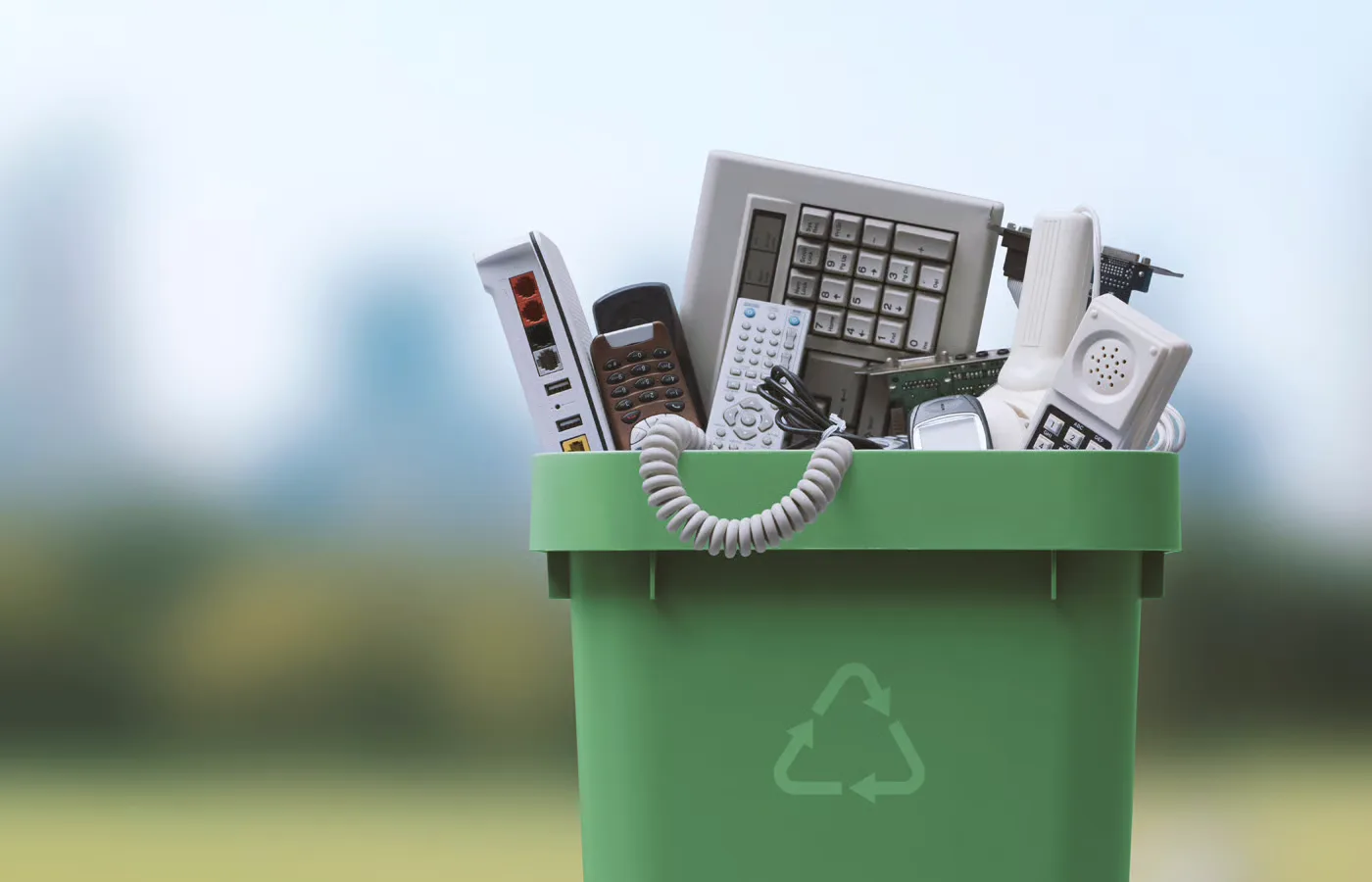

Electronic waste, or e-waste, a rapidly expanding category of discarded electrical and electronic devices, represents one of the most pressing environmental and health challenges of the 21st century. From the ubiquitous smartphone to the indispensable refrigerator, the sheer volume of these obsolete gadgets is overwhelming global waste management systems. While containing valuable recoverable materials, e-waste also harbors hazardous substances, posing significant risks if not managed responsibly. This growing concern has placed e-waste squarely at the forefront of Green IT initiatives worldwide, underscoring the urgent need for comprehensive solutions.
The Escalating E-Waste Problem: Scale and Composition
The unique and accelerating nature of e-waste stems from the relentless pace of technological advancement. Consumer electronics are designed with increasingly shorter life cycles, driven by consumer demand for the latest innovations and a pervasive "throwaway culture" that often undervalues repair and refurbishment. This dynamic has transformed e-waste into one of the fastest-growing waste streams on the planet.
The composition of discarded electronics is a complex and concerning dichotomy. On one hand, these devices are rich in valuable resources such as copper, gold, silver, palladium, and other critical metals, which, if recovered, can significantly reduce the need for virgin resource extraction. On the other hand, they contain a cocktail of hazardous materials, including lead, mercury, cadmium, and brominated flame retardants. When these hazardous components leach into the environment through improper disposal, they can contaminate soil and water, with profound implications for ecosystems and human health.
The sheer scale of the problem is staggering. In 2019, the United Nations’ Global E-waste Statistics Partnership estimated that a colossal 53.6 million metric tons of e-waste were generated globally. This figure is projected to increase significantly in the coming years, driven by rising global consumption of electronics. alarmingly, only a fraction of this waste, a mere 17.4%, was officially documented as collected and recycled through formal channels. This stark statistic highlights a massive global deficit in e-waste management infrastructure and practices, leaving the vast majority of discarded electronics vulnerable to informal and often environmentally damaging disposal methods.
Understanding the Scope: Diverse Categories of E-Waste
E-waste encompasses an extensive array of discarded electronic and electrical equipment, which can be broadly categorized into several key types, each with its own set of management and recycling challenges:
- Large Household Appliances: This category includes items such as refrigerators, washing machines, dishwashers, and ovens. While containing significant amounts of metal, they also pose challenges due to their size and the refrigerants they may contain.
- Small Household Appliances: This group comprises toasters, vacuum cleaners, microwaves, and electric kettles. They are generally smaller and easier to handle but contribute to volume.
- IT and Telecommunications Equipment: This is a rapidly growing segment and includes desktop computers, laptops, monitors, printers, mobile phones, tablets, and networking equipment. These devices often contain valuable precious metals but also specialized components and data storage that require secure handling.
- Consumer Electronics: This broad category covers televisions, DVD players, audio equipment, cameras, and gaming consoles. The rapid obsolescence of these items makes them a significant contributor to e-waste.
- Electrical and Electronic Tools: This includes items like drills, saws, and soldering irons. While durable, their eventual disposal still adds to the e-waste stream.
- Toys, Leisure, and Sports Equipment: Electronic toys, treadmills, and other sports equipment with electronic components fall into this category.
- Medical Devices: While often highly specialized and requiring specific disposal protocols due to potential biohazards, discarded medical equipment like X-ray machines and diagnostic tools also constitute e-waste.
- Monitoring and Control Instruments: Thermostats, smoke detectors, and other sensing devices are part of this classification.
The Pervasive Impact: Environmental Degradation and Health Risks
The improper disposal and treatment of e-waste unleash a cascade of detrimental environmental and health consequences. Without appropriate management, hazardous substances within these discarded devices can have devastating effects:
- Environmental Contamination: Heavy metals like lead and mercury, if released into landfills or incinerated without proper controls, can contaminate soil and groundwater. Lead, a neurotoxin, can impair cognitive development in children, while mercury can accumulate in food chains, posing risks to both wildlife and humans. Cadmium, found in batteries and circuit boards, is also highly toxic and can cause kidney damage and bone disease.
- Air Pollution: Incineration of e-waste in uncontrolled environments releases toxic fumes, including dioxins and furans, which are potent carcinogens and endocrine disruptors. These pollutants can travel long distances, affecting air quality far from the source.
- Water Pollution: Leaching of chemicals from e-waste can contaminate surface and groundwater sources, impacting aquatic life and making water unsafe for consumption and agriculture.
- Health Hazards for Workers: In many parts of the world, informal e-waste recycling operations involve manual dismantling without protective gear. Workers are exposed to hazardous materials through direct contact and inhalation, leading to a range of chronic health problems, including respiratory illnesses, skin diseases, reproductive issues, and neurological damage. Children are particularly vulnerable to the toxic effects of lead exposure.
- Resource Depletion: The failure to recover valuable materials from e-waste represents a significant loss of finite resources. This necessitates increased mining and processing of virgin materials, which are often energy-intensive and environmentally destructive activities, further exacerbating the overall ecological footprint.
Navigating the Recycling Landscape: Processes and Persistent Hurdles
Effective e-waste management and recycling are paramount to mitigating these widespread impacts. While established processes exist, their widespread and efficient implementation is hampered by a complex web of challenges.
The Multi-Stage Journey of E-Waste Recycling
Although processes can vary depending on the specific type of e-waste, most recycling and processing operations generally follow these fundamental stages:
- Collection and Sorting: This initial phase involves gathering discarded electronics from various sources, including households, businesses, and designated collection points. The collected material is then sorted based on device type and material composition. Manual sorting is common, but automated systems are increasingly being deployed.
- Dismantling: Devices are manually or mechanically disassembled into their component parts. This stage is critical for separating hazardous materials (like batteries and circuit boards) from more valuable components.
- Shredding and Mechanical Separation: Larger components are often shredded into smaller pieces to facilitate further processing. Magnetic separators, eddy current separators, and density separation techniques are then used to segregate different materials, such as ferrous metals, non-ferrous metals (aluminum, copper), plastics, and glass.
- Material Recovery: This stage focuses on extracting specific valuable materials. This can involve various techniques:
- Smelting and Refining: Used for recovering precious metals like gold, silver, and copper from circuit boards and other components. This often involves high temperatures and chemical processes.
- Chemical Extraction: Techniques like hydrometallurgy and bioleaching are employed to extract metals using chemical solutions, often with a lower environmental impact than traditional smelting.
- Plastic Granulation and Reprocessing: Plastics are often ground into pellets and then reprocessed into new plastic products.
- Hazardous Waste Treatment: Components containing hazardous substances, such as batteries and certain types of circuit boards, require specialized treatment to neutralize or safely contain their toxic elements. This might involve stabilization, encapsulation, or controlled incineration.
- Final Disposal or Reuse: Recovered materials are sent to manufacturers for incorporation into new products. Non-recoverable residual waste is disposed of in accordance with environmental regulations, typically in specialized hazardous waste landfills.
The Obstacles to Effective E-Waste Management
Despite the existence of these processes, several persistent challenges hinder the global effort to effectively manage and recycle e-waste:
- Low Collection Rates: A significant portion of e-waste never reaches formal recycling facilities. This is due to a lack of awareness, insufficient collection infrastructure, and the prevalence of informal recycling channels.
- Informal Sector Dominance: In many developing countries, informal sector workers engage in e-waste dismantling using rudimentary and unsafe methods, exposing themselves and the environment to significant risks.
- Technological Complexity: The increasing complexity and miniaturization of electronic devices make them more challenging to dismantle and sort effectively.
- Economic Viability: The cost of collecting, transporting, and processing e-waste can be high, and the market value of recovered materials may not always cover these expenses, especially for low-value components.
- Lack of Standardization: Variations in e-waste composition and the absence of universal recycling standards can complicate cross-border management and processing.
- Data Security Concerns: The presence of sensitive personal and corporate data on discarded devices creates reluctance among some entities to donate or recycle them through official channels, fearing data breaches.
- Consumer Behavior: The persistent demand for new devices and a lack of consumer awareness about responsible disposal contribute to the continuous generation of e-waste.
A Multifaceted Challenge: Sectors Influencing E-Waste Management
The complex issue of e-waste management is influenced by a diverse array of sectors, each playing a critical role in its lifecycle and handling.
The Critical Role of Corporate Responsibility
The corporate world, as the primary designer, manufacturer, and seller of electronic products, bears a significant responsibility in addressing e-waste management. Proactive initiatives are essential:
- Extended Producer Responsibility (EPR) Schemes: Many regions are implementing EPR policies, which hold producers financially and/or physically responsible for the end-of-life management of their products. This incentivizes manufacturers to design products that are easier to repair, reuse, and recycle.
- Product Design for Sustainability: Companies are increasingly exploring "Design for Environment" (DfE) principles, focusing on using fewer hazardous materials, designing for disassembly, and enhancing the longevity and repairability of their products.
- Take-Back Programs: Manufacturers and retailers are establishing take-back programs, allowing consumers to return old electronics for proper recycling.
- Supply Chain Transparency: Greater transparency in supply chains can help identify and mitigate the environmental and social impacts associated with the sourcing of raw materials and the manufacturing processes.
- Investment in Recycling Technologies: Corporations can invest in and support the development of advanced recycling technologies to improve the efficiency and sustainability of material recovery.
Empowering Consumers: The Key to Responsible Disposal
The effectiveness of e-waste management hinges significantly on the actions and choices of consumers:
- Conscious Purchasing Decisions: Consumers can opt for durable, repairable, and energy-efficient products. Considering the environmental footprint of a device before purchase is becoming increasingly important.
- Repair and Reuse: Prioritizing repair over immediate replacement and exploring options for refurbishing or donating functional devices can significantly extend their lifespan and reduce waste.
- Responsible Disposal: Consumers must actively seek out and utilize designated e-waste collection points and recycling programs rather than discarding electronics in general waste bins.
- Awareness and Advocacy: Educating oneself and others about the impacts of e-waste and advocating for stronger policies and corporate accountability can drive systemic change.
The Framework for Action: Policies and Legislation
The management of e-waste is increasingly governed by a growing body of policies and legislation at international, regional, and national levels. These regulations are crucial for establishing standards, ensuring accountability, and promoting environmentally sound practices.
Global Cooperation: International Frameworks and Agreements
International frameworks and agreements are pivotal in establishing standardized guidelines and fostering cooperation on a global scale, particularly given the transboundary nature of e-waste trade:
- The Basel Convention on the Control of Transboundary Movements of Hazardous Wastes and Their Disposal: This convention, adopted in 1989, aims to protect human health and the environment from the adverse effects of hazardous wastes by minimizing their generation and regulating their transboundary movement and disposal. It is particularly relevant to the issue of e-waste being shipped from developed to developing countries for informal processing.
- The UN Environment Programme (UNEP): UNEP plays a significant role in raising awareness about e-waste and promoting sustainable waste management practices through various initiatives and partnerships.
- The International Telecommunication Union (ITU): The ITU has been involved in developing standards and guidelines related to ICT equipment and its environmental impact, including e-waste.
Regional and National Legislative Efforts
Numerous regional and national legislative frameworks have been implemented to address the complex challenge of e-waste management:
- The European Union’s Waste Electrical and Electronic Equipment (WEEE) Directive: This directive, first enacted in 2003 and revised multiple times, sets ambitious collection and recycling targets for member states and places significant responsibility on producers for the end-of-life management of their products. It has been instrumental in driving e-waste recycling rates across Europe.
- United States Legislation: In the absence of a comprehensive federal e-waste law, many U.S. states have enacted their own legislation. These laws vary widely, with some focusing on producer-funded recycling programs (e.g., California, New York) and others establishing e-waste collection programs.
- China’s Regulations on the Management of Waste Electrical and Electronic Products: China has implemented regulations aimed at improving the collection and recycling of e-waste, including requirements for producers and recyclers to obtain licenses and adhere to specific standards.
- India’s E-waste (Management) Rules: These rules, periodically updated, mandate producer responsibility, establish collection mechanisms, and set recycling targets, reflecting India’s commitment to tackling its growing e-waste problem.
- Other National Initiatives: Many other countries, including Japan, South Korea, and Australia, have implemented specific legislation and programs to manage e-waste, often tailored to their unique economic and social contexts.
These legislative efforts aim to create a more controlled and environmentally responsible system for handling discarded electronics, moving away from ad-hoc disposal towards structured collection, dismantling, and material recovery.
Charting the Future: Innovations in E-Waste Handling
As the global volume of electronic waste continues its relentless ascent, the future of e-waste handling is increasingly defined by innovative solutions and forward-thinking strategies. These advancements promise to enhance efficiency, improve environmental outcomes, and unlock greater value from discarded electronics.
Embracing Advanced Recycling Technologies
The frontier of e-waste recycling is being pushed by technological breakthroughs designed to overcome the limitations of traditional methods:
- Artificial Intelligence (AI) and Robotics: AI-driven sorting robots equipped with advanced sensors and machine learning algorithms are being developed to rapidly and accurately identify and separate different materials within e-waste streams. This not only increases efficiency but also reduces the need for hazardous manual labor.
- Spectrometry and Sensor Technologies: Advanced spectrometry techniques, such as X-ray fluorescence (XRF) and near-infrared (NIR) spectroscopy, allow for precise identification and quantification of materials, enabling more targeted and effective recovery processes.
- Bioleaching and Bioremediation: These environmentally friendly biological processes utilize microorganisms to extract valuable metals from e-waste. Bioleaching, in particular, offers a low-energy and less toxic alternative to traditional chemical extraction methods for recovering precious metals like gold and copper.
- Enhanced Pyrolysis and Gasification: Advanced thermal treatment technologies are being refined to break down complex materials in e-waste into valuable gases and oils, which can then be used as fuel or chemical feedstock, while also facilitating the recovery of metals.
Prioritizing Design for Environment (DfE)
A fundamental shift in product development is crucial for stemming the tide of e-waste at its source. Design for Environment (DfE) principles are gaining traction:
- Modular Design: Concepts like modular smartphones and upgradeable computers, where individual components (e.g., batteries, cameras, processors) can be easily replaced or upgraded, significantly extend product lifespans and reduce the need to discard entire devices.
- Material Substitution: Manufacturers are increasingly exploring the use of less hazardous and more easily recyclable materials, reducing the presence of toxic substances like lead and cadmium.
- Design for Disassembly: Products are being engineered with ease of disassembly in mind, allowing for quicker and more efficient separation of components and materials during the recycling process.
- Repairability and Durability: A renewed focus on creating products that are robust, durable, and straightforward to repair is essential. This includes making spare parts readily available and providing accessible repair information.
Embracing Circular Economy Models
The transition from a linear "take-make-dispose" model to a circular economy is paramount for a sustainable future in electronics:
- Product-as-a-Service (PaaS): In this model, consumers pay for the use of a product rather than outright ownership. This incentivizes manufacturers to design durable, repairable, and recyclable products, as they retain ownership and responsibility for their entire lifecycle. Examples include leasing agreements for IT equipment or subscription services for consumer electronics.
- Refurbishment and Remanufacturing: Extending the life of electronics through professional refurbishment and remanufacturing processes diverts significant amounts of waste from landfills and conserves valuable resources.
- Closed-Loop Recycling Systems: Developing systems where materials recovered from e-waste are directly fed back into the manufacturing of new electronic products creates a truly circular flow of resources.
The Bottom Line: A Cleaner Future Demands Proactive E-Waste Management
The growing challenge of electronic waste is not an isolated environmental issue; it is a complex problem with far-reaching implications for resource security, public health, and economic sustainability. Effective e-waste management is not a responsibility that can be shouldered by a single entity; it demands a concerted, collective endeavor involving governments, industries, and consumers.
The integration of advanced recycling technologies, the widespread adoption of sustainable product designs, and the robust implementation of comprehensive policies are fundamental pillars in mitigating the environmental and health impacts of e-waste. As we navigate the complexities of the digital age, our ability to adapt and evolve our e-waste handling methods will be critical. Embracing new technologies, actively participating in responsible recycling practices, and fostering a deeper understanding of the environmental footprint of our electronic consumption are vital actions for all stakeholders.
Businesses, in particular, hold a powerful position. Their manufacturing choices, commitment to product longevity, and diligent recycling habits can significantly influence the trajectory of e-waste generation and management. By investing in sustainable practices and championing circular economy principles, corporations can not only contribute to a cleaner planet but also drive innovation and long-term economic resilience.
Beyond the direct management of discarded electronics, organizations can also achieve significant environmental and economic benefits by optimizing their internal operations. Improving data center and server room power consumption efficiency, for instance, not only reduces a company’s carbon footprint but also leads to substantial reductions in operational costs. These integrated approaches to sustainability are essential for building a truly cleaner and more resilient future.
