
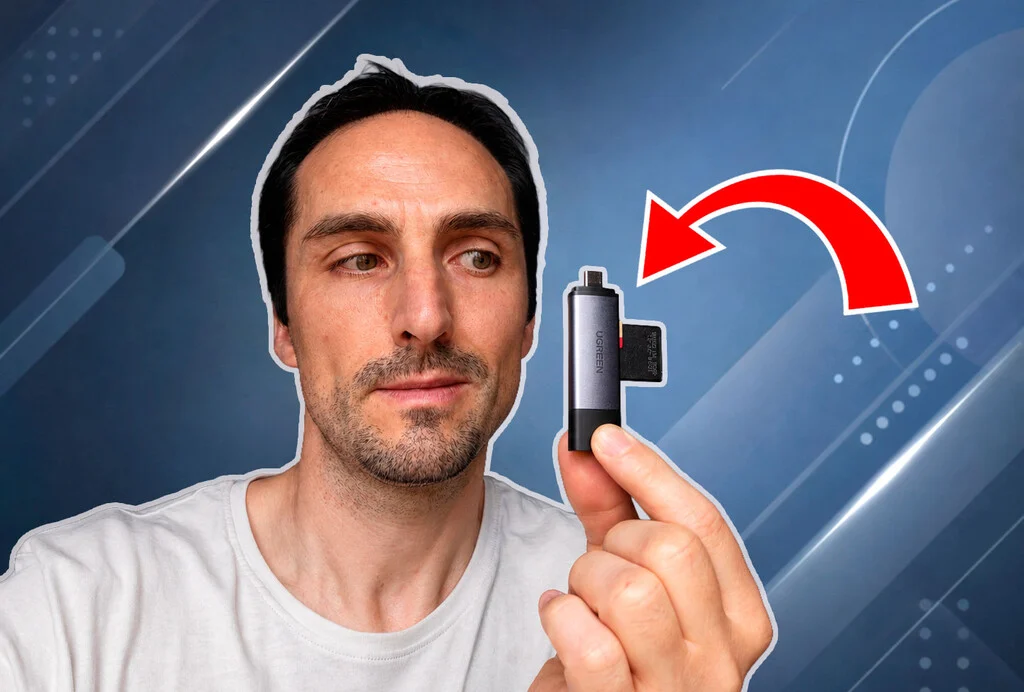

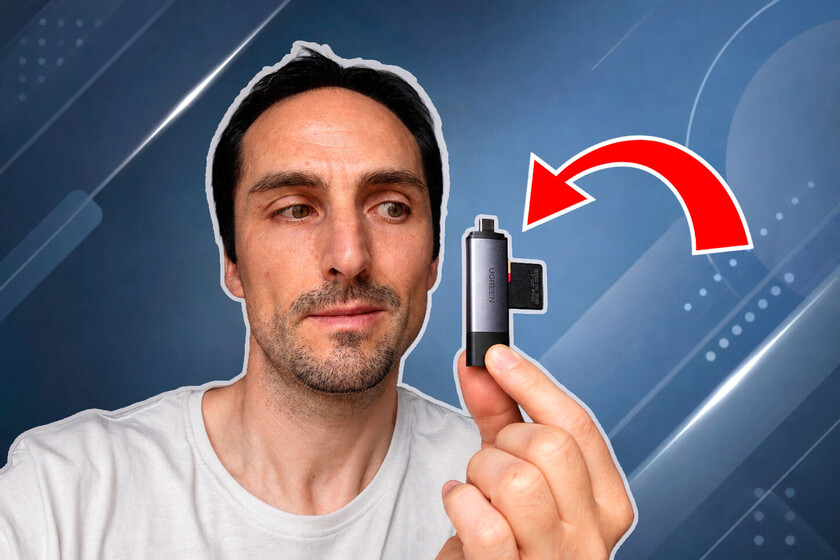
In an increasingly digitized world where content creation and instantaneous sharing are paramount, the efficient transfer of digital assets remains a critical, albeit often overlooked, aspect of workflow management for photographers and multimedia professionals. While high-end cameras and powerful editing software often take center stage, the humble and remarkably affordable dual USB card reader has emerged as an indispensable tool, significantly streamlining the process of moving images and data between various devices. This compact accessory, typically costing less than ten euros, bridges the gap between digital cameras, smartphones, tablets, and computers, offering unparalleled versatility and convenience that far outweighs its modest price point. Its utility extends beyond mere photo transfer, transforming into a versatile portable storage device, thereby enhancing productivity and mitigating common logistical challenges faced by content creators on the go.
The Evolving Landscape of Digital Photography and Data Management
The journey of digital photography, from its nascent stages to its current ubiquitous presence, has been characterized by continuous innovation in imaging sensors, lens technology, and, crucially, data storage and transfer. Early digital cameras often relied on proprietary connections and slower interfaces, making the process of offloading photographs cumbersome and time-consuming. The advent of standardized memory cards, primarily the Secure Digital (SD) format and its miniature counterpart, microSD, revolutionized this aspect, offering universal compatibility and increasingly larger capacities. These advancements, coupled with the exponential growth of mobile computing, have created a complex ecosystem where images captured on a professional DSLR or mirrorless camera might need to be quickly reviewed on a tablet, edited on a smartphone, or transferred to a laptop for detailed post-production.
The proliferation of smartphones equipped with sophisticated cameras has further blurred the lines between amateur and professional photography. Many photographers now utilize their mobile devices for quick shots, social media content, or even as secondary cameras for specific projects. This convergence necessitates seamless interoperability between dedicated cameras and mobile platforms. Traditional methods, such as connecting the camera directly to a computer via USB cable, often prove less efficient, especially when dealing with large volumes of high-resolution images or when working remotely without access to a computer. Furthermore, many modern cameras still rely on older USB standards for their direct connection, which can bottleneck transfer speeds compared to dedicated card readers utilizing more advanced USB interfaces.
Technical Specifications and Universal Compatibility
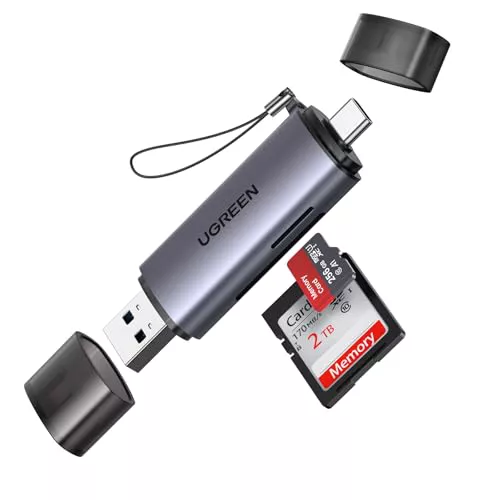
At the heart of the dual USB card reader’s efficacy lies its robust technical design, incorporating both USB-A and USB-C connectors. This dual-interface capability is a cornerstone of its universal compatibility, ensuring that it can connect to virtually any device manufactured in the last two decades.
USB-A and USB-C: Bridging Generations of Devices
- USB-A (Type-A): The rectangular connector, a stalwart of computing for decades, remains prevalent on older laptops, desktop PCs, and many peripheral devices. Its inclusion ensures backward compatibility, allowing the card reader to function with a vast installed base of hardware. Most modern versions support USB 3.0 or higher, providing data transfer rates significantly faster than older USB 2.0 ports.
- USB-C (Type-C): Representing the modern standard, USB-C is characterized by its reversible design and smaller footprint. It is rapidly becoming the dominant port on new smartphones, tablets, ultrabooks, and even professional cameras. Beyond its physical convenience, USB-C inherently supports faster data transfer protocols, such as USB 3.1 Gen 1 (5 Gbps), USB 3.1 Gen 2 (10 Gbps), and increasingly USB 3.2 and Thunderbolt, enabling rapid movement of large files. Its ability to carry power and video signals in addition to data further solidifies its position as a truly universal connector.
The integration of both USB-A and USB-C ports on a single adapter eliminates the need for multiple cables or separate adapters, simplifying a photographer’s gear bag and reducing potential points of failure. This design foresight caters to a transitional period where both older and newer USB standards coexist, ensuring that users are never left without a means to transfer their data.
SD and MicroSD Support: Catering to Diverse Storage Needs
The adapter’s capacity to read both full-size SD cards and microSD cards directly without requiring additional physical adapters is another critical feature.
- SD (Secure Digital) Cards: These are the standard storage medium for most DSLR and mirrorless cameras, offering robust performance and capacities ranging from a few gigabytes to several terabytes. Modern SD cards, especially those conforming to UHS-I or UHS-II speed classes, are capable of extremely high read and write speeds, crucial for capturing 4K video and high-resolution RAW photo bursts.
- MicroSD Cards: Significantly smaller, these cards are the primary storage for smartphones, action cameras (like GoPros), drones, and some compact digital cameras. Despite their diminutive size, microSD cards also come in various speed classes, matching their larger counterparts in performance.
By supporting both formats, the adapter serves a broad spectrum of photographic and videographic equipment. This dual-slot design allows photographers to manage content from their primary camera, action camera footage, or even drone recordings using a single device, streamlining their workflow considerably. When considering the data transfer speeds, a high-quality adapter leveraging USB 3.0 or higher can achieve read speeds of up to 100-200 MB/s or even faster, depending on the card’s capabilities and the host device’s USB port. This translates to transferring several gigabytes of photos or video in mere seconds, a significant improvement over slower interfaces.
Optimizing the Photographer’s Workflow: A Case for Efficiency
The practical implications of such a versatile tool for a photographer’s workflow are profound, touching upon various stages from capture to delivery.
On-Location Data Management
For photographers working in the field—be it a remote landscape, a bustling event, or an international assignment—access to a full computer setup is often impractical or impossible. In these scenarios, a compact card reader becomes invaluable. It allows for:
- Quick Review and Culling: Transferring a selection of images to a tablet or smartphone enables immediate review on a larger screen than the camera’s LCD, facilitating quicker culling of unusable shots or identifying hero images. This is particularly useful for client previews or for making critical adjustments to the shooting plan based on initial results.
- Instant Backup: In hazardous environments or during long shoots, the risk of data loss from a damaged card is real. The adapter facilitates immediate backup of captured images to a secondary storage device connected to a mobile phone or directly to cloud storage via the phone’s internet connection. This redundancy is a crucial safety net for professional work.
- Rapid Sharing: For photojournalists, event photographers, or social media managers, the ability to quickly transfer select images to a smartphone for immediate editing and sharing to social platforms can be a game-changer. It enables real-time content delivery, essential in today’s fast-paced news and marketing cycles.
Bridging Camera and Mobile Ecosystems
The increasing power of mobile devices means that many photographers perform basic edits, color corrections, and even complex manipulations directly on their smartphones or tablets using apps like Adobe Lightroom Mobile, Snapseed, or VSCO. The USB card reader creates a direct, high-speed conduit between the camera’s raw output and these mobile editing suites, bypassing the often slower and less reliable wireless transfer options offered by some cameras. This direct connection ensures file integrity and preserves image quality, which can sometimes be compromised by certain wireless transfer protocols.
Enhancing Post-Production Efficiency
Even when a desktop or laptop is available, using a dedicated card reader can be more efficient than connecting the camera directly. Cameras often present themselves as mass storage devices, which can sometimes be slower or require specific drivers. A card reader, on the other hand, typically mounts the memory card directly as a removable drive, allowing for quicker access and transfer speeds, especially when dealing with large volumes of high-resolution RAW files or 4K/8K video footage. Industry studies on digital asset management consistently highlight that reducing transfer times, even by a few seconds per session, accumulates into significant time savings over a professional career, translating directly into increased productivity and reduced operational costs.
Beyond Photography: The Multi-functional Utility
The versatility of the dual USB card reader extends far beyond its primary photographic applications, offering secondary functions that solidify its position as a must-have accessory for any tech-savvy individual.
Portable Storage Solution: The "Pendrive" Aspect
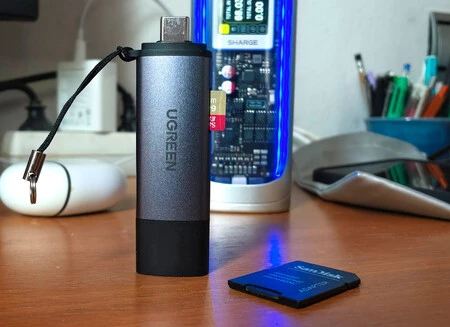
One of the most ingenious secondary uses of this adapter is its transformation into a customizable, high-capacity flash drive. By permanently inserting a microSD card into one of its slots, the adapter effectively becomes a USB drive of the user’s chosen capacity (e.g., 64GB, 128GB, 256GB). This is particularly useful for:
- Media Consumption: Storing a vast library of movies, music, or e-books that can be accessed instantly on any compatible device (smartphone, tablet, smart TV with USB input) without relying on internet connectivity. This is a lifesaver during long flights, commutes, or in areas with limited network access.
- Emergency Data and Software: Keeping essential documents, emergency contacts, bootable operating system images, or portable software applications readily available. In a pinch, this can be critical for troubleshooting, data recovery, or accessing vital information.
- Cross-Platform File Sharing: Easily transferring large files between different operating systems (Windows, macOS, Linux, Android) without the complexities of network shares or cloud services.
This "extra" functionality adds immense value, leveraging existing memory cards that might otherwise sit idle, effectively consolidating multiple gadgets into one compact device.
Market Dynamics and Consumer Trends
The market for photography accessories, particularly those enhancing workflow and portability, continues to exhibit robust growth. Driven by the increasing number of content creators—from professional photographers and videographers to social media influencers and hobbyists—there is a consistent demand for affordable, reliable, and versatile tools.
Market analysis firms report a steady rise in the sales of external storage devices and card readers, underscoring the ongoing need for efficient data management solutions. The proliferation of devices with USB-C ports has further propelled the demand for adapters that can bridge the gap between legacy USB-A devices and the newer standard. Brands like UGREEN, Anker, and various OEM manufacturers have capitalized on this demand, offering a range of compact, high-speed card readers at competitive price points. The availability of these products through e-commerce platforms has made them easily accessible to a global audience, contributing to their widespread adoption.
Consumer trends indicate a preference for multi-functional gadgets that offer maximum utility with minimal bulk. The dual USB card reader perfectly aligns with this trend, providing multiple solutions in a single, pocketable device. Its low cost, typically under eight euros, makes it an impulse purchase that delivers disproportionately high value, echoing the "small purchase, big impact" sentiment.
The Economic Imperative: Cost-Effectiveness and Value Proposition
In an industry where high-end cameras and lenses can cost thousands, and professional software subscriptions can add up, the minimal investment in a high-quality card reader stands out. For an item that costs less than a casual meal, the return on investment in terms of time saved, enhanced workflow efficiency, and added utility is extraordinary.
Consider the potential costs of data loss due to inefficient backups, or the missed opportunities from slow content delivery. The ability to quickly offload, review, and share images securely and efficiently can prevent these scenarios, directly contributing to a photographer’s professional reputation and financial success. Furthermore, by consolidating the functions of a card reader and a flash drive into one device, users save money on purchasing separate peripherals, further underscoring its economic appeal.
Future Outlook and Continued Relevance
As technology continues to evolve, with new USB standards like USB4 and Thunderbolt 4 pushing data transfer speeds even higher, and memory card technologies like CFexpress gaining traction in high-end professional cameras, the fundamental need for efficient data transfer tools will persist. While wireless technologies are improving, wired connections still offer unparalleled speed, reliability, and security for large file transfers.
The dual USB card reader, with its adaptable design and compatibility with prevailing USB standards, is well-positioned to remain a relevant and essential accessory for the foreseeable future. Its simplicity, combined with its profound impact on workflow, ensures its continued presence in the gear bags of photographers, videographers, and content creators globally.
In conclusion, the unassuming dual USB card reader transcends its simple design to become an indispensable tool in the modern digital ecosystem. Its blend of universal compatibility, rapid data transfer capabilities, and multi-functional utility—serving as both a card reader and a portable flash drive—offers immense value for a minimal investment. For anyone engaged in digital photography or content creation, this compact accessory is not merely a convenience but a critical component for optimizing workflow, ensuring data integrity, and enhancing overall productivity. Its ability to effortlessly bridge the gap between diverse devices underscores its pivotal role in empowering creatives to manage their digital assets with unprecedented efficiency and ease.
