
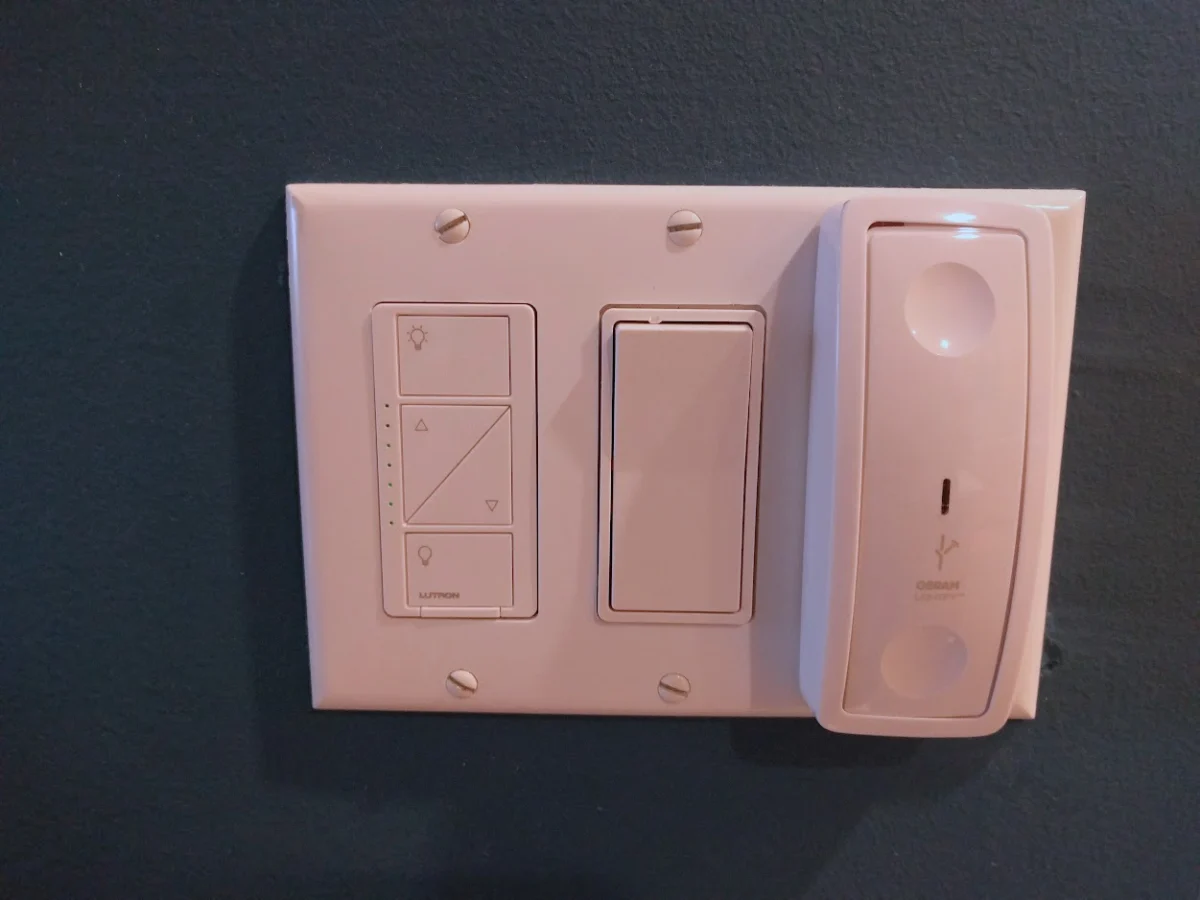

The eighth and final episode of The Internet of Things Podcast has aired, marking the end of a significant era for the publication dedicated to exploring the intricacies of the connected world. Rather than focusing on the day’s prominent industry news, such as Arm’s highly anticipated initial public offering (IPO), the introduction of new display options from Brilliant, or the latest hardware releases from Leviton, the concluding broadcast delved into the hosts’ personal journeys and future endeavors. This decision reflects a deliberate shift towards introspection and guidance for their audience as they transition away from the show.
A Fond Farewell and Future Directions
The hosts used this final episode to articulate their reasons for stepping back from The Internet of Things Podcast after an impactful eight-year run. This period saw the podcast evolve alongside the burgeoning Internet of Things (IoT) landscape, from its nascent stages to its current, more integrated presence in consumers’ lives and industrial operations. The hosts offered insights into their forthcoming projects and aspirations, providing listeners with a roadmap of their continued engagement with technology and innovation, albeit in different capacities. This personal reflection underscored the deep connection they have cultivated with their audience over the years, fostering a sense of shared experience and anticipation for what lies ahead.
Curated Resources for the Evolving IoT Ecosystem
Recognizing the enduring interest in new podcasts and reliable sources of IoT news, the podcast hosts shared a curated list of their preferred resources. This segment serves as a valuable guide for listeners seeking to stay informed about the rapidly evolving IoT sector. Among the recommended podcasts, the Mr. Beacon Show and The IoT Podcast itself were highlighted for their consistent delivery of insightful content and analysis.
In the realm of online publications, The Verge, TechHive, The Ambient, and The Journal of Innovation published by the Industrial IoT Consortium were cited as essential reads for comprehensive coverage of smart home technology, consumer electronics, and industrial applications of IoT. These platforms are recognized for their in-depth reporting, product reviews, and forward-looking analyses that shape industry discourse.
For community-driven insights and real-time discussions, the hosts pointed listeners towards the popular Reddit communities of r/smarthome and r/homeautomation. These forums provide a platform for users to share experiences, troubleshoot issues, and discuss emerging trends in smart home technology and automation, offering a grassroots perspective on the practical adoption of IoT.
For those interested in the industrial IoT sector, the work of James Blackman at RCR Wireless was specifically recommended for his insightful reporting. Furthermore, the Axios Pro Rata newsletter from Dan Primack was identified as a crucial resource for tracking venture capital funding, mergers, and acquisitions within the tech industry, offering a glimpse into the financial underpinnings of innovation. Iskander Smit’s "Target is New" newsletter was also lauded for its thoughtful perspectives on the convergence of IoT, Artificial Intelligence, and design, providing a more strategic outlook on the future of connected technologies.
The decision to share these resources reflects the hosts’ commitment to empowering their audience to navigate the complexities of the IoT landscape independently, ensuring that the spirit of knowledge sharing continues.
Reflections on the Smart Home and Future Innovation
In a fitting conclusion to their tenure, the hosts addressed a listener question regarding the definition of a "complete smart home." This segment allowed them to synthesize their years of experience and analysis into a cohesive vision of what constitutes a truly integrated and beneficial connected living environment. Their discussion likely touched upon key elements such as interoperability, user-friendliness, security, and the seamless integration of devices to enhance convenience, efficiency, and overall quality of life.
Furthermore, the episode explored their perspectives on the future of innovation within the IoT industry. This forward-looking discussion aimed to inspire continued development and adoption, highlighting the potential for new technologies and business models to propel the industry forward. Their insights likely encompassed areas such as the increasing role of AI in smart home functionality, advancements in connectivity standards, the growing importance of data privacy and security, and the potential for IoT to address broader societal challenges.
A Look at Key Industry Developments
While the final episode intentionally eschewed a detailed news roundup, the mentioned industry developments provide context for the landscape the podcast has navigated. Arm’s planned IPO, a significant event in the semiconductor industry, underscores the critical role of chip design in powering the Internet of Things. Arm’s technology is foundational to a vast array of connected devices, from smartphones to smart home appliances and industrial sensors. The success of its IPO could have ripple effects across the tech sector, influencing investment in IoT-related hardware and innovation. The valuation of Arm, reportedly seeking upwards of $64 billion, indicates a robust market appetite for companies at the core of technological advancement.
Brilliant’s introduction of new display options signifies the ongoing evolution of smart home control interfaces. As the smart home market matures, manufacturers are increasingly focusing on user experience and aesthetics, aiming to make smart home technology more accessible and integrated into home décor. These new options likely aim to offer greater customization, enhanced functionality, or more intuitive control mechanisms for smart home ecosystems.
Leviton’s release of second-generation smart circuit breakers with ON/OFF technology and a whole-home energy monitor highlights the growing emphasis on energy management and granular control within connected homes. This development points to a trend where smart home technology is moving beyond mere convenience to offer tangible benefits in terms of energy efficiency and cost savings. Such innovations are crucial for driving broader adoption, particularly as consumers become more conscious of their environmental footprint and utility bills. The integration of circuit breaker-level control and whole-home monitoring represents a significant step towards a more intelligent and responsive electrical infrastructure within residences.
The Evolving Smart Home Landscape: A Broader Perspective
The final episode also featured Jennifer Pattison Tuohy from The Verge, a seasoned journalist with nearly a decade of experience covering the smart home sector. Her presence underscored the podcast’s commitment to bringing expert perspectives to its audience. Tuohy’s expertise in testing and analyzing smart home products, coupled with her ability to discern larger trends, made her an ideal guest for this concluding broadcast.
Her discussion on the current state of the smart home likely touched upon the ongoing challenges and opportunities within the market. The fragmentation of ecosystems, the complexities of interoperability, and the persistent concerns around data privacy and security remain significant hurdles. However, the growth of standards like Matter, aimed at simplifying device compatibility, and the increasing sophistication of AI-powered features, offer promising pathways for future development.
Tuohy’s insights into the state of Matter are particularly relevant. As a collaborative effort by major tech companies, Matter promises to unify smart home devices, allowing them to communicate seamlessly across different brands and platforms. Its adoption rate and the continued development of its ecosystem will be critical factors in determining the future of interoperability in the smart home. Early data suggests a gradual but steady increase in Matter-compatible devices entering the market, indicating a growing commitment from manufacturers.
Her analysis of business models for connected home devices is also crucial. As the market matures, manufacturers are exploring various strategies, including hardware sales, subscription services for enhanced features or data analytics, and leveraging data for targeted advertising or service provision. Understanding which models are sustainable and consumer-friendly will be key to the long-term success of the IoT industry.
Tuohy’s discussion on smart home infrastructure versus devices is another pertinent point. The debate centers on whether the future lies in robust, centralized home networks and hubs that manage all connected devices, or in a more distributed, device-centric approach where individual devices possess greater intelligence and autonomy. This distinction has significant implications for network design, security protocols, and the overall user experience.
Finally, her sharing of her personal smart home setup offers a tangible example of how these technologies are being implemented in real-world scenarios, providing practical context for the broader discussions. This detailed account likely illustrated the benefits and challenges of integrating various smart devices and platforms into a cohesive living environment.
The conclusion of The Internet of Things Podcast marks the end of an era, but the insights and resources shared in its final episode ensure that its legacy of illuminating the connected world will continue to guide listeners through the ever-evolving landscape of the Internet of Things. The industry itself, buoyed by continued innovation and the increasing integration of connected technologies into daily life, shows no signs of slowing down.
