

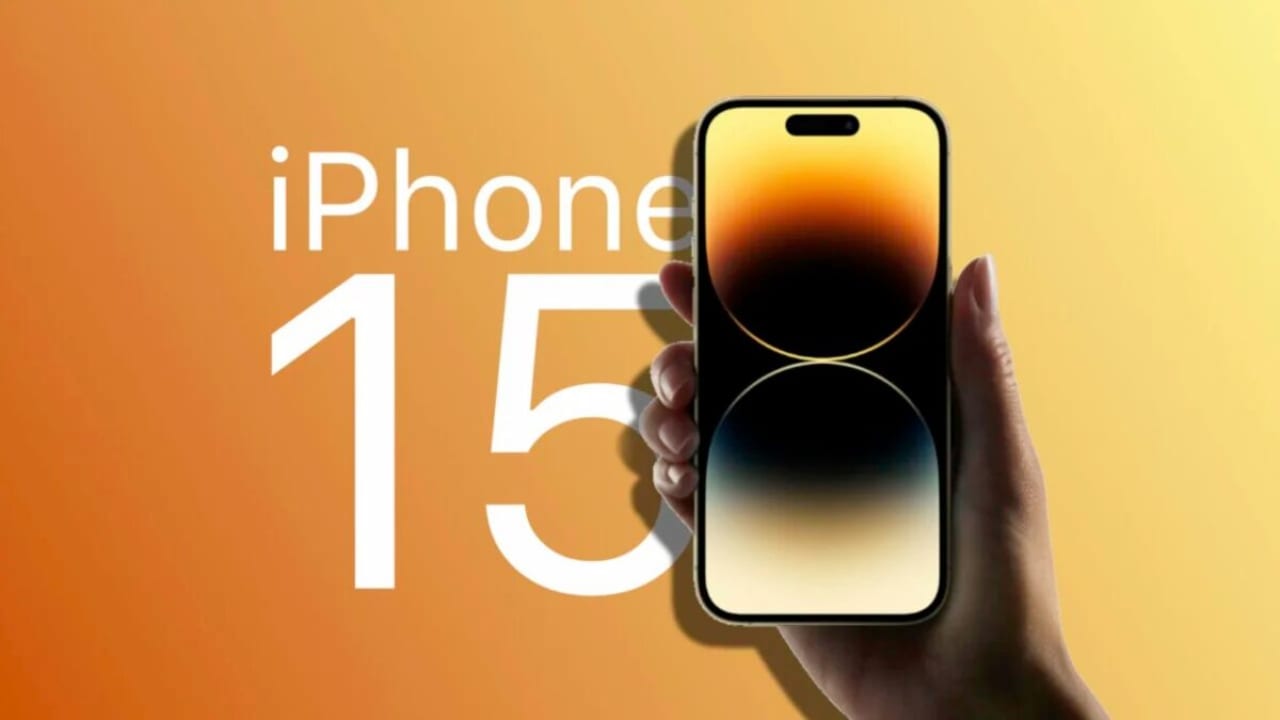
The global smartphone industry is currently standing at a technological crossroads as rumors intensify regarding Apple’s intention to transition the iPhone 15 lineup toward an eSIM-only architecture. This shift, which follows the precedent set by the United States version of the iPhone 14, represents one of the most significant changes to mobile hardware since the removal of the headphone jack. As Apple prepares to launch its next generation of flagship devices, the debate surrounding the elimination of the physical SIM card slot has moved to the forefront of technical discourse. This transition is not merely a hardware change; it is a fundamental shift in how consumers interact with cellular networks and how mobile carriers manage their subscriber bases.
Understanding the Evolution of eSIM Technology
An eSIM, or embedded SIM, is a specialized chip—specifically an MFF2 (Machine-to-Machine Form Factor)—soldered directly onto a device’s logic board. Unlike the traditional plastic nano-SIM card, which has been the industry standard for over a decade, the eSIM is a programmable, non-removable component. It functions as a secure element capable of storing multiple carrier profiles simultaneously. This technology allows users to switch providers or activate new lines of service through software interfaces rather than physical hardware swaps.
The technology is governed by standards set by the GSMA (Global System for Mobile Communications Association), ensuring interoperability across different manufacturers and carriers. While eSIMs have been present in iPhones since the 2018 release of the iPhone XS and XR, they previously served as a secondary option alongside a physical slot. The rumored move to an eSIM-only design for the iPhone 15 Pro models signifies Apple’s belief that the infrastructure is finally robust enough to support a digital-only ecosystem.
The Chronology of Apple’s SIM Evolution
To understand the current trajectory, one must look at Apple’s history of driving SIM card miniaturization. Apple was the primary catalyst behind the industry’s shift from the standard SIM to the Micro-SIM with the iPhone 4 in 2010, and subsequently to the Nano-SIM with the iPhone 5 in 2012. Each iteration was met with initial resistance from carriers and consumers, yet each eventually became the universal standard.
In 2021, the iPhone 13 introduced the capability to support dual eSIMs, allowing two cellular plans to be active without any physical card. The definitive turning point occurred in September 2022, when Apple removed the SIM tray from all iPhone 14 models sold in the United States. This "pilot program" in the U.S. market served as a real-world test for carrier readiness. Market analysts, including Ming-Chi Kuo of TF International Securities, suggest that the success of this rollout has emboldened Apple to expand the eSIM-only design to the iPhone 15 Pro and Pro Max in several international markets, likely including parts of Europe and Asia, where carrier infrastructure has matured.
Technical and Industrial Design Advantages
The removal of the physical SIM tray is not an arbitrary decision; it offers tangible engineering benefits that allow Apple’s hardware teams to push the boundaries of smartphone design.
Optimization of Internal Real Estate
In the world of smartphone engineering, every square millimeter of internal space is high-value real estate. A physical SIM tray assembly, including the slot, the ejector mechanism, and the internal reader, occupies a significant volume. By removing these components, engineers can reclaim space that can be redirected toward more critical hardware. Potential uses for this extra room include larger battery capacities, more advanced haptic engines, or the integration of sophisticated camera sensors, such as the rumored periscope zoom lens for the iPhone 15 Pro Max.
Structural Integrity and Environmental Sealing
Every port or opening in a smartphone’s chassis represents a potential point of ingress for liquid and dust. While the SIM tray is typically protected by a rubber gasket, it remains a mechanical vulnerability. An eSIM-only iPhone 15 would feature a more unified, seamless frame, theoretically allowing for higher IP (Ingress Protection) ratings. This move toward a "portless" future enhances the long-term durability of the device, reducing the likelihood of internal corrosion or debris-related hardware failure.
Enhanced Security Protocols
From a cybersecurity perspective, eSIMs offer a distinct advantage over physical media. "SIM swapping" has become a prevalent form of identity theft, where a bad actor steals a physical SIM card or tricks a carrier into porting a number to a new card to bypass two-factor authentication. Because an eSIM is embedded in the hardware and protected by the device’s secure enclave and biometric locks (FaceID or TouchID), it is significantly harder for unauthorized parties to "steal" the cellular identity of the phone. Furthermore, if a device is stolen, the thief cannot simply remove the SIM card to prevent the phone from being tracked via the "Find My" network; the device remains connected to the cellular network as long as it has power.
Assessing the Challenges and Consumer Drawbacks
Despite the technical merits, the transition to a digital-only SIM environment is not without friction. For many users, particularly those in developing markets or frequent international travelers, the physical SIM card remains a symbol of reliability and control.
Carrier Fragmentation and Regional Disparity
The primary hurdle for an eSIM-only iPhone 15 is the uneven global adoption of the technology. While major Tier-1 carriers in the U.S., UK, and Western Europe have embraced eSIM, many regional providers and Mobile Virtual Network Operators (MVNOs) are still lagging. In markets where carriers do not yet support eSIM, an iPhone 15 without a SIM slot would be effectively unusable. This reality suggests that Apple may continue to produce "hybrid" models with physical slots for specific regions, such as China, for the foreseeable future.
Impact on International Roaming
For decades, the standard procedure for international travelers has been to purchase a local "burn" SIM card upon arrival at an airport to avoid exorbitant roaming fees. While digital eSIM marketplaces like Airalo and Holafly have emerged to solve this, they often require a stable Wi-Fi connection to set up and may not offer the same competitive pricing as a local physical SIM. For travelers visiting regions with limited digital infrastructure, the inability to slide in a local plastic SIM could be a significant deterrent.
Transfer Complexity and Troubleshooting
A physical SIM card allows for "plug-and-play" simplicity. If a user’s phone breaks or the battery dies, they can simply move the card to a backup device to stay connected. With eSIM, the process involves software-based transfers that often require carrier verification. While Apple has introduced an "eSIM Quick Transfer" feature in iOS to move profiles between iPhones via Bluetooth, the process is not yet universal across different operating systems, complicating the experience for those switching between Android and iOS.
Broader Industry Implications and Environmental Impact
The shift toward eSIM-only devices is expected to have a ripple effect across the entire mobile ecosystem. Industry observers anticipate that Samsung and Google will likely follow Apple’s lead in the coming hardware cycles, as the removal of the SIM tray becomes a benchmark for "modern" flagship design.
From an environmental standpoint, the move is a net positive. Billions of plastic SIM cards are produced and discarded every year. These cards are composed of plastic, silicon, and gold, and they are typically shipped in oversized plastic "credit card" holders. By digitizing the SIM, the industry can significantly reduce its plastic waste and the carbon footprint associated with the manufacturing and logistics of physical cards.
Expert Analysis: The Path Forward
Market analysts suggest that Apple’s strategy with the iPhone 15 is one of "aggressive transition." By likely limiting the eSIM-only design to the Pro models initially, Apple can cater to early adopters and tech-savvy users who are more likely to be on major carriers that support the technology. This allows the standard iPhone 15 and 15 Plus to remain accessible to a broader, more conservative global audience.
However, the long-term vision is clear. Much like the transition from the 30-pin connector to Lightning, or the removal of the headphone jack, Apple is willing to endure short-term consumer frustration to force an industry-wide modernization. Once the iPhone 15 establishes eSIM as the premium standard, carrier laggards will be forced to upgrade their systems or risk losing the most profitable segment of the smartphone market.
Frequently Asked Questions
Which iPhone 15 models will be eSIM-only?
Current industry reports indicate that Apple may restrict the eSIM-only design to the iPhone 15 Pro and iPhone 15 Pro Max in specific regions, while the standard iPhone 15 and 15 Plus may retain the physical slot for at least one more generation.
Will my current phone number work with an eSIM?
Yes. Major carriers allow you to convert your existing physical SIM profile into an eSIM. This can usually be done through the carrier’s mobile app or the iOS Settings menu under "Cellular."
What happens if I travel to a country that doesn’t support eSIM?
In countries without eSIM support, you would need to rely on your home carrier’s international roaming plan. However, most major tourist destinations now have at least one carrier offering eSIM data packages for travelers.
Can I have more than one number on an eSIM?
Yes, iPhones can store eight or more eSIMs, and you can use two phone numbers at the same time (Dual SIM) for calls, texts, and data.
Conclusion
The rumored transition of the iPhone 15 to an eSIM-only design marks the beginning of the end for physical SIM cards. While the move offers clear advantages in terms of device security, water resistance, and internal hardware optimization, it also introduces new complexities for international travelers and those on smaller carrier networks. As Apple has demonstrated in the past, its influence is often enough to reshape the entire telecommunications landscape. Whether consumers are ready or not, the era of the physical SIM card is drawing to a close, replaced by a more secure, flexible, and digital future.
