
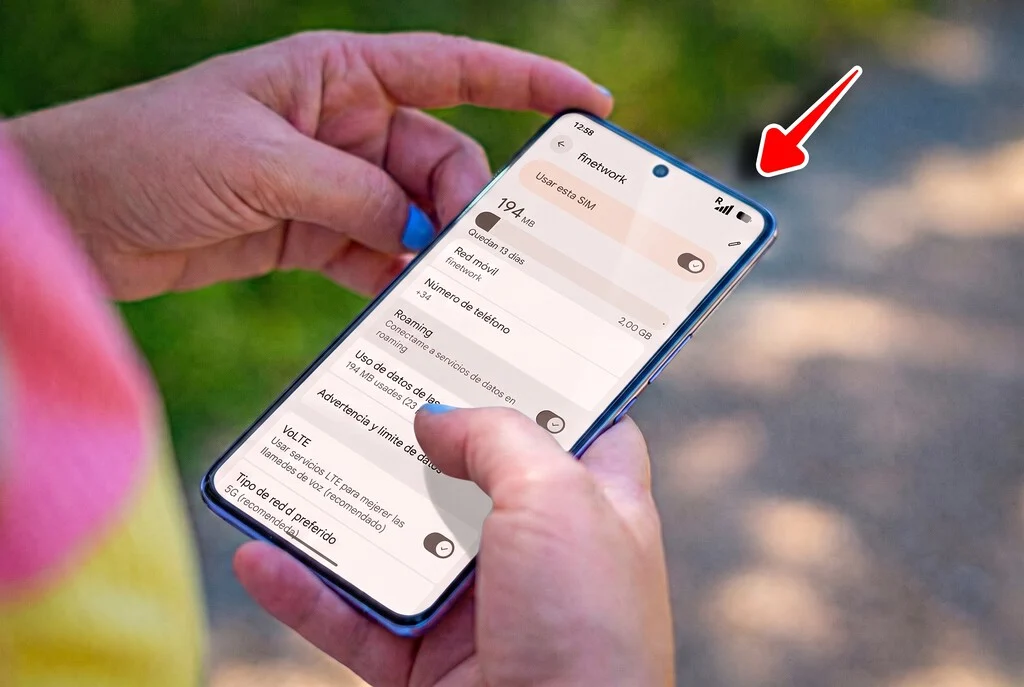

The discreet ‘R’ symbol appearing on the top bar of a mobile phone screen, often replacing or accompanying the familiar 4G or 5G network indicator, serves as a crucial, standardized alert to users worldwide. Far from being a mere technical glitch or an error with the SIM card, this small graphic signifies that the device has initiated data roaming, a process colloquially known as roaming, which becomes active when a mobile terminal connects to a network outside its home country. Understanding the intricate internal mechanisms that trigger this network change is paramount for international travelers, as overlooking its implications in certain geographical zones can lead to significant financial surprises upon receiving a monthly bill. This comprehensive guide delves into the meaning, implications, and practical advice surrounding this vital mobile indicator.
The Mechanics of Roaming: Bridging National Borders
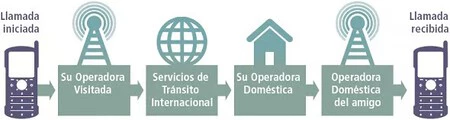
At its core, roaming is the ability for a mobile subscriber to make and receive voice calls, send and receive text messages, and access data services while outside the geographical coverage area of their home network, by utilizing the network of a foreign mobile network operator (MNO). This functionality is made possible through bilateral agreements between telecommunications providers in different countries, allowing them to "borrow" each other’s network infrastructure to maintain seamless connectivity for their respective customers. When a user crosses an international border, their device’s modem actively searches for the strongest available signal. If the home network is unavailable, and roaming is enabled, the device will connect to a partner network in the foreign country. It is precisely at this moment that the ‘R’ symbol, universally recognized as the abbreviation for "roaming" or "itinerancia" in Spanish, appears on the status bar, irrespective of whether the device is an Android smartphone or an iPhone. This visual cue acts as an immediate notification that the user is no longer operating under the terms and conditions of their domestic mobile plan but is now relying on a "borrowed" network.
The process of network handover involves several technical steps. When a mobile device detects that it has left its home network’s coverage, it attempts to register with a foreign network. This registration is facilitated by the Home Location Register (HLR) and Visitor Location Register (VLR) databases. The HLR, maintained by the home operator, contains all subscriber information. When roaming, the foreign network’s VLR temporarily stores a copy of the subscriber’s information, allowing calls and data to be routed correctly. This intricate system ensures that users remain connected, a fundamental requirement for modern international travel and commerce.
The European Roaming Revolution: A Paradigm Shift for Consumers
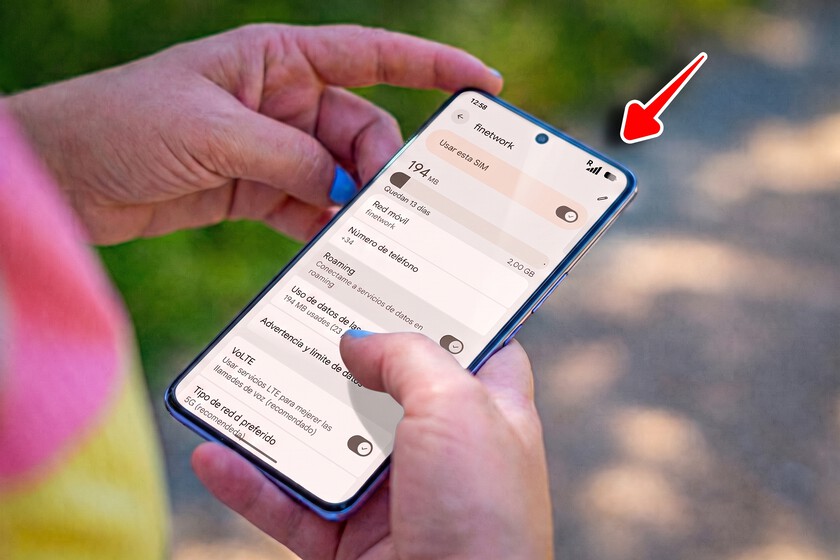
The significance of the ‘R’ symbol, and more importantly, the cost implications associated with it, underwent a revolutionary transformation within the European Union. Prior to 2017, using a mobile phone in another EU country often resulted in exorbitant "bill shock," with charges for calls, texts, and particularly data, far exceeding domestic rates. This created a significant barrier to the free movement of people and services, hindering the digital single market.
Timeline of EU Roaming Regulation:
- 2007: The European Commission introduced the first "Eurotariff," capping the price of voice calls when roaming within the EU. This was a crucial first step in consumer protection.
- 2008-2012: Further regulations were introduced, gradually lowering caps on SMS and data roaming charges, and introducing measures like automatic cut-off limits to prevent excessive data bills.
- June 15, 2017: The landmark "Roam Like At Home" (RLAH) initiative officially came into effect. This regulation mandated that mobile operators within the European Economic Area (EEA), which includes all EU member states plus Iceland, Liechtenstein, and Norway, could no longer charge extra fees for calls, texts, or data used by their customers when traveling periodically to another country within the EEA. Users could effectively use their domestic bundle abroad at no additional cost.
- July 1, 2022: The RLAH regulation was extended for another ten years, until 2032, reinforcing its long-term commitment to affordable roaming. This extension also introduced improvements, such as ensuring that consumers have access to the same quality of service abroad as they do at home, where technically feasible, and enhancing information transparency.
The implementation of RLAH dramatically altered the perception and usage of mobile phones for millions of European travelers. Data from the European Commission indicates a massive increase in data consumption while roaming, soaring by several hundred percent since 2017, underscoring the pent-up demand for affordable connectivity. Consumer groups widely hailed the regulation as a monumental success, saving EU citizens billions of euros annually. However, it’s important to note that RLAH is subject to "fair use policies" designed to prevent abuse, such as permanent roaming (e.g., purchasing a SIM in one country to use predominantly in another with lower domestic rates). Operators are allowed to apply a surcharge if a customer’s usage abroad consistently outweighs their domestic usage over a four-month period. Users are typically notified before any surcharges are applied.
Global Roaming: A Different Landscape of Costs
While the ‘R’ symbol within the EEA now largely signifies a cost-free experience, its appearance outside this region carries vastly different, and often significant, financial implications. The "Roam Like At Home" rules do not extend beyond the EEA. For travelers venturing to countries like the United States, Canada, Switzerland (despite being in Europe, it’s not in the EEA), the UK post-Brexit (though many operators maintain similar arrangements), or any other non-EEA destination, the ‘R’ symbol acts as a critical warning.
In these "Rest of World" zones, mobile operators revert to traditional roaming charges, which can be prohibitively expensive. Charges are typically levied per minute for calls made and received, per SMS sent, and most notably, per megabyte (MB) or gigabyte (GB) of data consumed. These rates vary wildly depending on the operator and the specific country. For instance, data roaming in some parts of Africa, Asia, or the Americas can cost several euros or dollars per MB, meaning even light internet usage – checking emails, browsing social media, or using navigation apps – can quickly accumulate into hundreds or even thousands of euros on a single bill.
To mitigate the risk of "bill shock," many mobile operators have implemented automatic spending caps for data roaming, often set at €50 (excluding VAT), in line with EU regulations that predate RLAH and apply globally. Users typically receive SMS notifications when they approach or reach these limits, with options to extend the cap if desired. Despite these safeguards, the onus remains on the traveler to understand their operator’s specific roaming tariffs for their destination country before departure. Failing to do so can lead to a rude awakening upon returning home.
The Peril of Border Zones: Accidental Roaming
One of the most insidious dangers associated with the ‘R’ symbol doesn’t even require crossing an international border. This phenomenon, known as "accidental roaming" or "border roaming," occurs when a mobile device, located near the geographical limits of its home country, inadvertently connects to a stronger signal emitted by an antenna from a neighboring foreign network. This can happen without the user physically crossing the border, purely due to the proximity and signal propagation.
Consider the example of residents or tourists in coastal areas of Spain adjacent to Portugal, or those near the Pyrenees bordering France and Andorra. A mobile phone, optimized to connect to the strongest available signal, might prioritize an antenna from a Portuguese, French, or Andorran operator over a weaker domestic signal, even if the user is still firmly within Spanish territory. When this occurs, the ‘R’ symbol will appear, and if the destination is outside the EEA (like Andorra or Morocco, which is also a risk for Southern Spain), traditional, high roaming charges will immediately apply. This scenario is particularly problematic because users may be completely unaware that their device has switched networks, assuming they are still on their domestic plan. News reports frequently highlight cases of residents near borders receiving unexpectedly high bills due to this phenomenon. For instance, operators like O2 in Spain have actively warned customers traveling to areas like Cádiz to be mindful of potential roaming connections to Moroccan networks.
To prevent accidental roaming, particularly in border regions, experts strongly recommend a simple yet effective measure: manually selecting the network operator through the phone’s settings. By choosing their home operator (e.g., Vodafone ES, Movistar ES, Orange ES), users can ensure their device only connects to that specific network, even if a foreign signal is stronger. Alternatively, and perhaps more drastically, disabling data roaming altogether in the phone’s settings while at home or in border areas where it’s not explicitly needed can completely eliminate this risk. This ensures that the ‘R’ symbol will not appear, and no charges will be incurred from foreign networks.
Navigating Roaming Costs: Practical Advice and Alternatives

Given the varied landscape of roaming charges, informed decision-making is crucial for international travelers. Here are practical steps and alternatives to traditional roaming:
- Check Tariffs Before You Go: Always consult your mobile operator’s website or contact customer service to understand the specific roaming rates for your destination. Pay particular attention to data costs, which are typically the highest.
- Activate Roaming Bundles/Add-ons: Many operators offer special roaming bundles or passes for non-EEA countries, providing a fixed amount of data, calls, and texts for a set price, which is usually far more economical than pay-as-you-go rates.
- Utilize eSIMs for Data: For data connectivity outside the EEA, eSIMs (embedded SIMs) have emerged as a highly convenient and cost-effective alternative. Services like Airalo, Holafly, or GigSky allow users to purchase data plans for specific countries or regions digitally, without needing a physical SIM card. These plans often offer significantly cheaper per-GB rates compared to traditional operator roaming, and the eSIM can be activated instantly upon arrival. This allows travelers to keep their primary SIM active for calls and texts (if desired) while using the eSIM for data.
- Local SIM Cards: Purchasing a local SIM card upon arrival in your destination country is another excellent strategy, especially for longer trips. This provides local rates for calls, texts, and data, often at a fraction of the cost of international roaming.
- Leverage Wi-Fi: Wherever possible, use free public or hotel Wi-Fi networks for internet access. Many apps now support Wi-Fi calling (VoWiFi), allowing users to make and receive calls over a Wi-Fi connection using their own number, thus bypassing traditional roaming charges for voice.
- Disable Data Roaming: If you only need connectivity for emergencies or calls/texts, disabling data roaming in your phone’s settings (Settings > Mobile data > Data Roaming) will prevent any accidental data charges. You can still use Wi-Fi.
- Monitor Usage: Regularly check your data usage through your phone’s settings or your operator’s app. Set data limits on your device to avoid exceeding your budget.
Official Responses and Consumer Rights
Mobile network operators are legally obligated to provide clear and transparent information regarding roaming charges. This includes sending SMS notifications upon entering a foreign country, detailing the applicable rates for calls, texts, and data, as well as information on any spending caps. In the event of an unexpected bill or dispute, consumers have rights to challenge charges they believe are erroneous or were not adequately communicated. Regulatory bodies in various countries, such as the European Regulators Group for Postal Services (ERGP) or national telecommunications agencies, oversee compliance and handle consumer complaints.
Broader Impact and Future Implications
The ‘R’ symbol, despite its seemingly simple appearance, encapsulates a complex global ecosystem of telecommunications, regulation, and consumer behavior. The EU’s "Roam Like At Home" policy stands as a testament to the power of legislative action in democratizing connectivity and fostering cross-border integration. However, the global disparity in roaming costs highlights the ongoing challenge for consumers outside this regulated zone.
Looking ahead, the evolution of technologies like eSIMs, coupled with increasing global demand for seamless connectivity, suggests a future where traditional roaming charges may continue to diminish in relevance, at least for data. As more devices become eSIM-compatible and more providers offer competitive international data plans, the financial sting of the ‘R’ symbol could become less pervasive. Nonetheless, for the foreseeable future, understanding what the ‘R’ means, especially when traveling beyond the well-defined boundaries of the EEA, remains an indispensable piece of knowledge for any mobile phone user venturing abroad. It is a small but powerful indicator, urging vigilance and informed decision-making in an increasingly interconnected world.
