
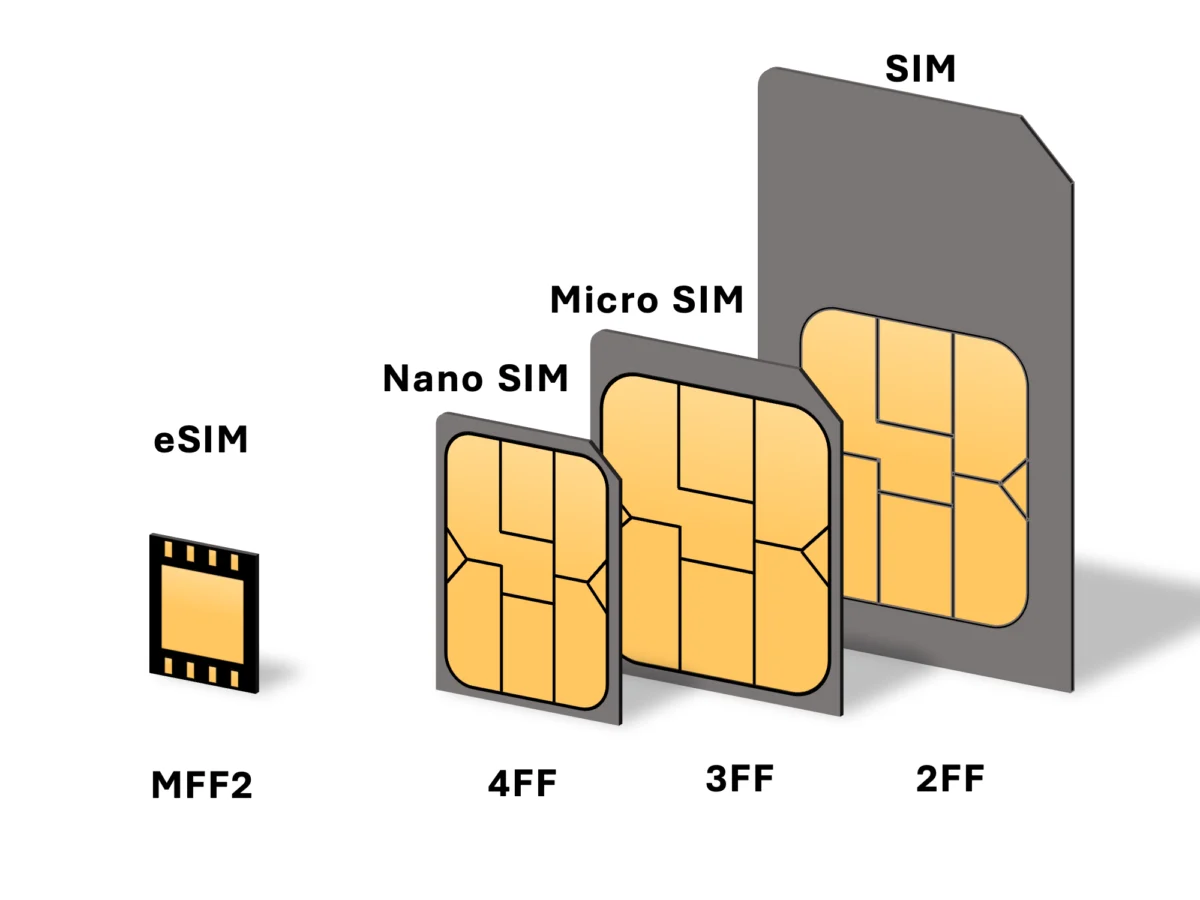

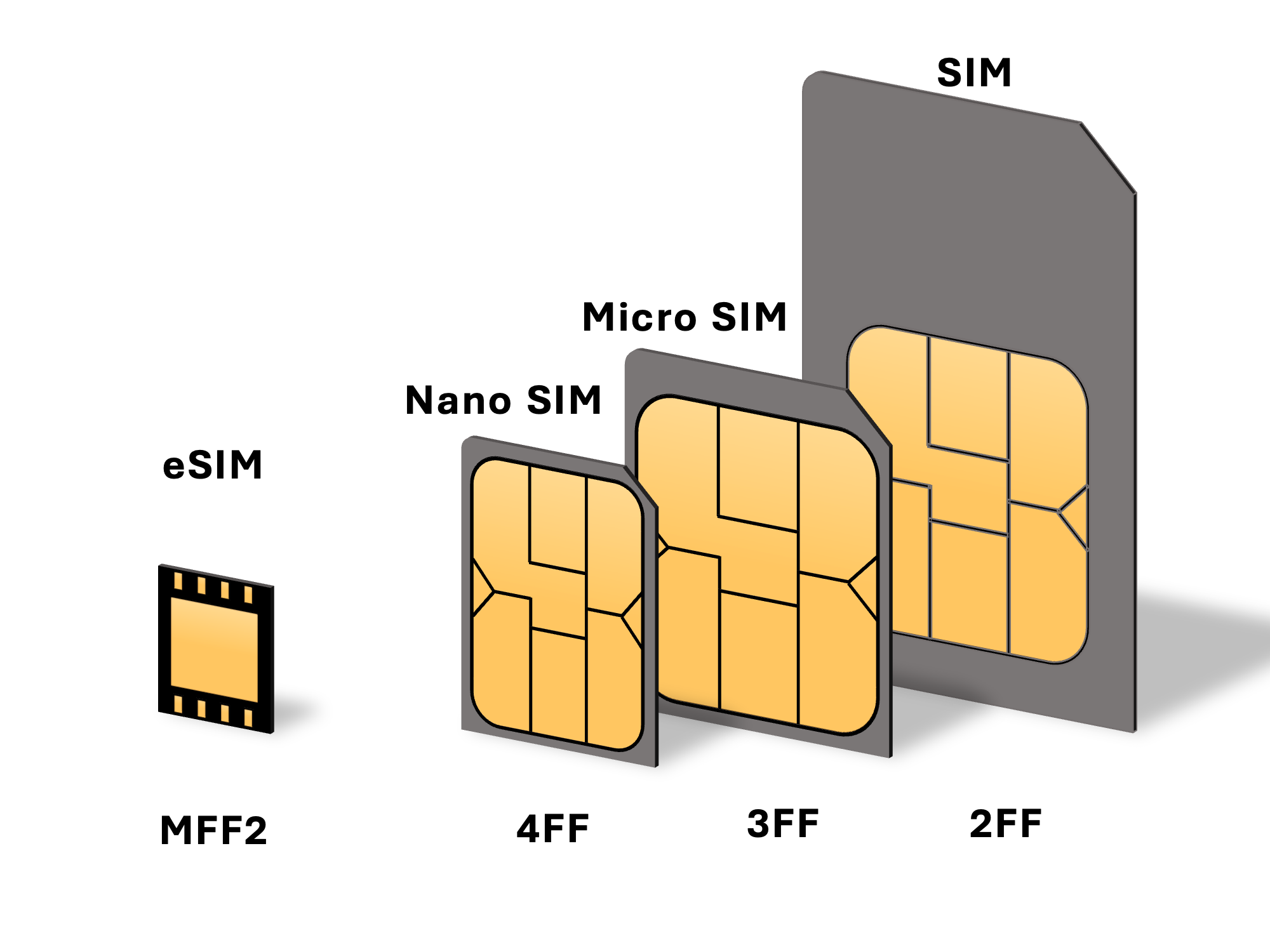
The telecommunications landscape in South Korea, long regarded as one of the most advanced in the world, has undergone a significant shift with the mainstream adoption of eSIM technology. As a nation that consistently ranks at the top of global indices for internet speed and smartphone penetration, South Korea’s transition from physical SIM cards to embedded SIM (eSIM) solutions represents a natural evolution in its digital infrastructure. For the millions of international tourists and hundreds of thousands of long-term expatriates who enter the country annually, understanding the nuances of the local eSIM market is no longer a luxury but a necessity for seamless connectivity. This technology, which integrates a programmable SIM chip directly into a device’s hardware, allows users to activate cellular plans remotely, bypassing the logistical hurdles of physical card distribution and providing a more secure, tamper-proof alternative to traditional mobile networking.
The Evolution of Connectivity in South Korea
South Korea’s journey toward becoming a global 5G leader provided the foundation for the rapid rollout of eSIM services. Historically, the Korean mobile market was dominated by three major telecommunications giants: SK Telecom, KT (formerly Korea Telecom), and LG U+. While these "Big Three" initially focused on physical SIM cards, the Ministry of Science and ICT (MSIT) pushed for the standardization of eSIM services in late 2022 to foster competition and consumer convenience. This policy shift allowed for a surge in both primary carrier offerings and Mobile Virtual Network Operator (MVNO) solutions, specifically tailored for short-term visitors.
The chronology of this shift is marked by the increasing demand for "contactless" services during the post-pandemic recovery. In 2023, the influx of international tourists reached pre-pandemic levels, leading to a bottleneck at airport SIM kiosks. The eSIM emerged as the primary solution to this challenge, allowing travelers to purchase and install a Korean data profile before even boarding their flight. This digital-first approach aligns with South Korea’s broader "Smart City" initiatives, where mobile connectivity is essential for everything from navigating the intricate Seoul subway system to utilizing local delivery and ride-hailing apps like KakaoT.
Comparative Analysis of Primary eSIM Providers
For consumers navigating the Korean market, the choice of provider often depends on the duration of stay and the specific need for voice services versus data-only access. The following data outlines the current market offerings from the primary carriers and specialized tourist providers.
1. SK Telecom (SKT)
As the largest mobile operator in South Korea, SK Telecom controls approximately 45% of the market share. Their eSIM infrastructure is renowned for having the most robust coverage in mountainous regions and rural provinces.
- Target Demographic: Tourists seeking reliability and residents requiring premium service.
- Tourist Offering: Approximately $35.00 USD for 1GB of data with a 30-day validity period.
- Resident Offering: Long-term plans starting at roughly $29.00 USD per month, often including 2GB of high-speed data followed by throttled unlimited usage, alongside unlimited domestic calls and texts.
- Value Proposition: Access to the nation’s fastest 5G network and a vast network of T-World service centers for in-person support.
2. KT Olleh
KT Olleh is the second-largest carrier and is often the preferred choice for tech-savvy travelers due to its extensive public Wi-Fi network.
- Target Demographic: Users who frequent urban centers and cafes.
- Tourist Offering: Priced at $36.50 USD for 1GB over 30 days.
- Resident Offering: Monthly plans starting at $30.00 USD, which include 2GB of data and access to over 100,000 "KT WiFi" hotspots nationwide.
- Value Proposition: The complimentary Wi-Fi access allows users to preserve their cellular data, making it an economically efficient choice for heavy data users.
3. LG U+ (LG Uplus)
LG U+ has carved out a significant niche by offering competitive pricing and aggressive marketing toward the younger demographic and international students.
- Target Demographic: Price-conscious residents and short-term visitors.
- Tourist Offering: $39.00 USD for 1GB with 30 days of validity.
- Resident Offering: Plans starting at $35.00 USD per month for 2GB of data.
- Value Proposition: LG U+ frequently bundles their eSIM services with international roaming credits or entertainment subscriptions, providing a lifestyle-oriented telecommunications package.
4. Korea SIM Card (MVNO)
Specializing exclusively in the needs of international visitors, Korea SIM Card acts as a bridge between the major networks and the tourist market.
- Target Demographic: Short-term tourists and business travelers.
- Offerings: Competitive entry-level pricing at $25.00 USD for 1GB with 30-day validity.
- Value Proposition: Multilingual customer support (English, Chinese, Japanese) and a streamlined online purchase process that bypasses the complexities of the major carriers’ Korean-language portals.
Strategic Factors for Selection: Beyond the Price Tag
When selecting an eSIM provider in South Korea, industry analysts suggest that price should not be the sole determining factor. The "value" of a plan is intrinsically linked to the user’s specific movement patterns and device compatibility.
Network Coverage and Speed
While South Korea boasts near-universal LTE and 5G coverage, subtle differences exist. SK Telecom’s infrastructure is optimized for broad geographic reach, making it the superior choice for those visiting Jeju Island or the Gangwon-do hiking trails. In contrast, KT and LG U+ have optimized their networks for high-density urban environments like the Gangnam and Hongdae districts in Seoul, where "micro-cell" technology ensures stable speeds even in crowded underground malls.
The Role of Real-Name Verification
A critical distinction in the Korean market is the requirement for real-name verification. Under the Telecommunications Business Act, all long-term mobile users must link their SIM or eSIM to their Alien Registration Card (ARC) or Residence Card. Tourists using short-term eSIMs are generally exempt from this for data-only plans, but if a visitor requires a local phone number to receive SMS verifications (essential for apps like Coupang or Baemin), they must provide passport details during the digital activation process.
Additional Services and Integration
The integration of T-Money—South Korea’s ubiquitous transportation card—is a factor often overlooked. While many physical SIM cards for tourists come with a built-in T-Money chip, most eSIMs do not currently support NFC-based T-Money functionality for international devices. Travelers must weigh the convenience of an eSIM against the need to carry a separate physical card for transit.
Technical Implementation: Activation and Maintenance
The shift to eSIM has simplified the "Day One" experience for arrivals at Incheon International Airport. The activation process typically follows a standardized digital workflow:
- Compatibility Check: Users must ensure their device (e.g., iPhone 11 or later, Samsung Galaxy S20 or later) is carrier-unlocked and supports eSIM technology.
- Purchase and QR Delivery: Upon purchasing a plan online, the provider generates a unique QR code sent via email.
- Digital Installation: By scanning the QR code through the device’s cellular settings, the "Electronic Profile" is downloaded and installed.
- Network Attachment: Once the user lands in Korea, the device automatically attaches to the local towers, often requiring a simple restart to finalize the handshake between the device and the network.
Topping up data is equally streamlined. Most providers offer a web-based portal or a dedicated app where users can monitor their usage in real-time and purchase additional data blocks using international credit cards or digital wallets like PayPal.
Socio-Economic Impact and Future Implications
The widespread adoption of eSIM in South Korea has broader implications for the telecommunications industry and the environment. From a sustainability perspective, the elimination of physical SIM cards—composed of plastic and gold-plated silicon—reduces electronic waste and the carbon footprint associated with global shipping and packaging.
Furthermore, the eSIM facilitates a more competitive market. Because switching providers no longer requires a physical swap, consumers have more leverage, forcing carriers to improve service quality and transparency. Market analysts predict that within the next five years, physical SIM slots will disappear entirely from flagship devices sold in the Korean market, leading to a total "virtualization" of mobile identity.
For the South Korean government, the eSIM is a tool for digital inclusion. By making it easier for foreigners to access local data, the government enhances the "tourist experience," directly contributing to the soft power of the "Korean Wave" (Hallyu). When visitors can easily share their experiences on social media or navigate unfamiliar streets without friction, the national brand is strengthened.
Conclusion
The transition to eSIM technology in South Korea represents a significant milestone in the country’s digital journey. For the traveler, it offers the freedom of instant connectivity; for the resident, it provides a flexible and secure way to manage mobile identity. While the "Big Three" carriers—SK Telecom, KT, and LG U+—continue to provide the backbone of the nation’s connectivity, the rise of specialized providers like Korea SIM Card ensures that there is a solution for every budget and duration of stay. As 5G-Advanced and 6G technologies loom on the horizon, the eSIM will remain the critical link connecting the physical world of the Korean peninsula to the boundless digital landscape. Consumers are advised to assess their needs for data volume, voice access, and regional coverage before committing to a plan, ensuring that their stay in the world’s most connected nation is as productive and seamless as possible.
