
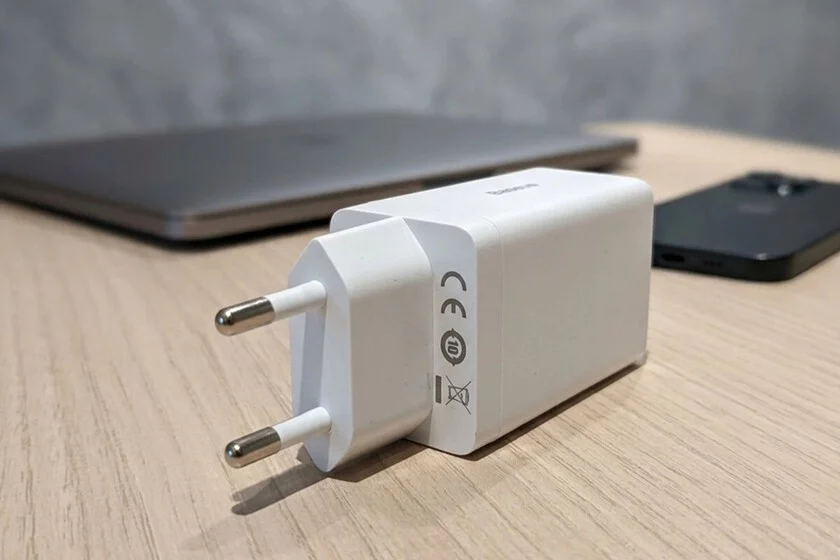

The standardization of the USB-C charging interface represents one of the most significant shifts in consumer electronics regulation in the last decade. While the adoption of a universal charging port—driven by European Union directives—promises to reduce electronic waste and simplify the user experience, it has also introduced a common misconception: that any cable or adapter bearing a USB-C connector will perform identically across all devices. In reality, the physical interface is merely the gateway to a complex ecosystem of power management protocols, thermal regulation standards, and data transmission capabilities that determine whether a device charges efficiently or struggles to maintain power.
The Legislative Context: A Path Toward Standardization
The move toward a universal charger was not an overnight development but the culmination of over a decade of regulatory pressure. In 2009, the European Commission initiated voluntary agreements with major manufacturers to reduce the proliferation of proprietary charging standards. Despite these efforts, fragmentation persisted, leading to millions of tons of redundant e-waste annually.
The definitive shift occurred in October 2022, when the European Parliament officially adopted the Radio Equipment Directive, mandating that by late 2024, all small and medium-sized electronic devices—including mobile phones, tablets, e-readers, and digital cameras—must utilize a USB-C charging port. The legislation was designed to empower consumers by decoupling the purchase of a new device from the purchase of a new charger, thereby lowering costs and environmental impact. However, the legislation governs the physical port, not the underlying electrical performance, leaving the responsibility of technical compatibility largely in the hands of the consumer.
Decoding Power Delivery: The Intelligence Behind the Cable
The transition to a universal standard relies heavily on the USB Power Delivery (USB-PD) protocol. Unlike traditional charging methods that delivered a static flow of electricity, USB-PD functions as a sophisticated communication handshake. When a device is plugged into a power source, an integrated microchip within the charger and the receiving hardware engage in a rapid exchange of data.
This negotiation process determines the optimal voltage and amperage required for the device. For instance, a pair of wireless earbuds may request a low-wattage trickle charge, while a modern laptop might signal a requirement for 65W, 100W, or even higher to facilitate simultaneous operation and battery charging. Without this "intelligent" communication, charging would either be dangerously slow or potentially damaging to the internal components of the device. Consequently, USB-PD acts as the critical bridge that allows a single, high-output power brick to safely service a wide variety of hardware.
The Hardware Hierarchy: Cables and the E-Marker Chip
A common pitfall for consumers is the assumption that the cable is a passive medium. In the world of high-speed, high-wattage charging, the cable is a critical component of the electrical circuit. Standard USB-C cables are not all built to withstand the same thermal and electrical loads.
To manage power delivery exceeding 60W, cables must incorporate an E-Marker chip. This internal component serves as a digital identity card, informing both the charger and the device of the cable’s specific capabilities. An E-Marker chip signals whether a cable can safely handle 3A of current—the industry threshold for 60W charging—or if it is rated for 5A, which is the requisite specification for delivering 100W to 240W of power. Using a standard, non-marked cable to draw high power can result in the charger automatically throttling the output for safety reasons, leading to the frustratingly slow "trickle charge" experience reported by many users.
The Role of Gallium Nitride (GaN) in Power Efficiency
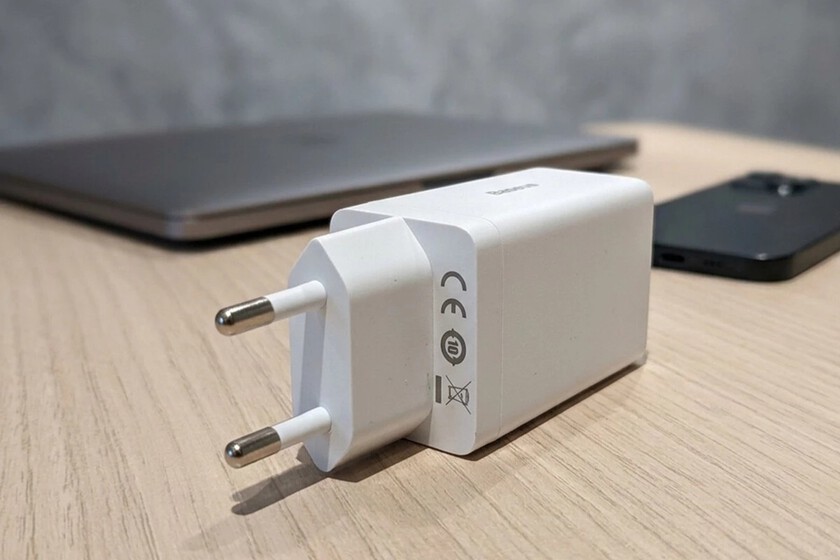
As power requirements for modern laptops and mobile devices have increased, the physical size of traditional silicon-based chargers has historically ballooned. The introduction of Gallium Nitride (GaN) technology has effectively disrupted this trajectory. GaN is a semiconductor material that allows for a higher breakdown voltage and lower resistance compared to traditional silicon, resulting in significantly higher energy efficiency.
From a thermal perspective, GaN components generate less heat during the conversion of AC power to DC power. This thermal efficiency enables manufacturers to design chargers that are significantly more compact, portable, and capable of sustained high-wattage output without the risk of overheating. For the modern professional or traveler, a GaN-based charger is the gold standard, as it provides the necessary power headroom to charge a laptop, a tablet, and a smartphone simultaneously using a single, portable unit.
Implications for Consumer Safety and Device Longevity
The shift to a universal standard has also highlighted the risks associated with "budget" or non-certified peripherals. Experts in the technology sector, including independent engineers and testing laboratories, have consistently warned against the use of cheap, uncertified USB-C accessories. These products often lack the necessary safety circuitry, such as surge protection and proper E-Marker integration, which can lead to permanent damage to the charging ports of expensive devices or, in extreme cases, electrical hazards.
The economic and environmental implications of this market shift are profound. By moving toward a standardized ecosystem, the industry is effectively forcing a higher baseline for quality. Consumers are increasingly encouraged to invest in high-quality, branded, or certified third-party chargers that explicitly support USB-PD and possess the relevant safety certifications (such as CE, UL, or FCC).
Future Outlook and Technological Evolution
While the European mandate is currently focused on mobile devices, the broader trend is toward a unified charging ecosystem for nearly all portable consumer hardware. The USB Implementers Forum (USB-IF) continues to update the USB-C standard, with recent iterations capable of handling up to 240W, a development that will eventually allow for the consolidation of power supplies for even the most demanding high-performance workstations.
However, the burden of education remains a significant hurdle. A universal port provides a consistent physical experience, but the underlying "language" of power delivery remains a technical domain that requires consumer awareness. As the market moves forward, manufacturers will likely continue to face pressure to simplify the labeling of these products, ensuring that packaging clearly displays not just the connector type, but the supported wattage, the presence of GaN technology, and the compatibility with specific power delivery protocols.
In summary, the universal charger is a triumph of regulatory coordination, but its success in practice depends on the consumer’s ability to pair the right hardware. By selecting chargers that utilize GaN technology and USB-PD, and ensuring that cables are equipped with appropriate E-Marker chips for the intended power load, users can fully realize the benefits of a simplified, more sustainable, and highly efficient charging experience. The "one charger for all" vision is achievable, provided the hardware choices are made with an understanding of the sophisticated electrical engineering working behind the scenes.
