
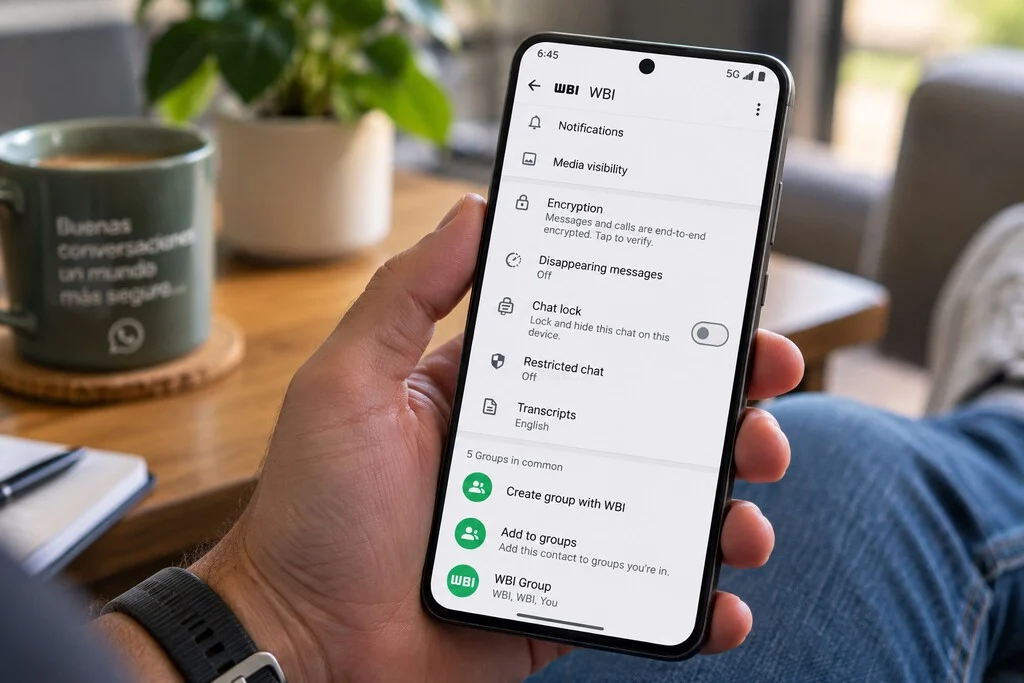

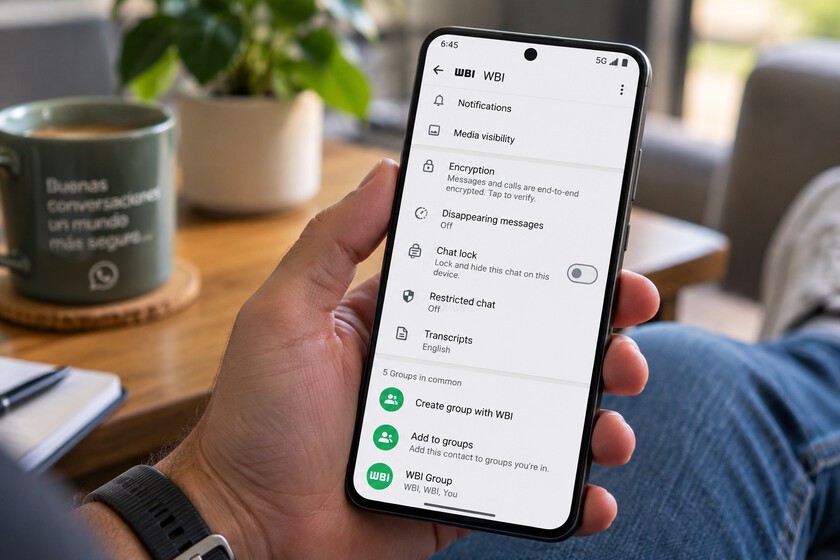
The digital landscape of instant messaging is undergoing a significant paradigm shift as Meta-owned WhatsApp moves to address one of the most persistent vulnerabilities in its multi-device architecture: data synchronization across secondary platforms. According to recent findings in the Android beta version 2.26.36.5, the engineering team is currently testing an opt-in feature known as "Restricted Chat." This development represents a departure from the company’s recent efforts to make messaging seamless across desktops, tablets, and supplementary smartphones, signaling a newfound priority on granular privacy control.
The Technical Evolution of WhatsApp Synchronization
For years, WhatsApp relied on a "companion" model that required the primary smartphone to remain online to relay messages to the web interface. In 2021, the company fundamentally altered this framework, introducing a multi-device architecture that allowed users to link up to four additional devices that function independently of the phone’s connection. While this increased user convenience, it simultaneously expanded the surface area for unauthorized access. If a user leaves their session open on a public computer or a shared tablet, their entire chat history becomes accessible to anyone with physical access to those secondary devices.
The "Restricted Chat" feature acts as a firewall for specific threads. By activating this setting on a per-chat basis, the user instructs the WhatsApp server to cease synchronization of that particular conversation with any linked devices. Even if the account remains active on a desktop client or a tablet, the restricted conversation will exist solely within the encrypted local storage of the primary handset. This ensures that even if a secondary device is compromised, the sensitive contents of the restricted thread remain isolated and protected.
A Chronology of Privacy Enhancements
This development is part of a broader trajectory in Meta’s product roadmap, which has increasingly focused on privacy-centric tools. The timeline of these updates underscores the company’s reactive and proactive stance on security:
- 2021: Multi-device rollout. WhatsApp introduced end-to-end encrypted multi-device support, moving away from the phone-as-a-bridge model.
- 2023: Chat Lock. The introduction of "Locked Chats" allowed users to hide specific conversations behind a biometric authentication layer or a secret PIN, preventing casual snooping on the primary device.
- 2024: Privacy-First Initiatives. Meta began consolidating its "Advanced Chat Privacy" tools, which include restrictions on screenshotting, media saving, and AI interaction within specific, high-security threads.
- Current Development (2025): The discovery of "Restricted Chat" in beta code marks the next step in this evolution, moving from access control to physical data containment.
Understanding the Mechanism of Restricted Chat
The feature is currently in its nascent stages within the beta environment. It is critical to note that the feature is not yet available to the general public, nor have representatives from Meta provided a definitive release schedule. Based on current code analysis, the implementation will function as a toggle within individual chat settings.
The primary security implication here is the mitigation of risks posed by unauthorized third-party clients and "scraping" tools. Security researchers have long noted that while WhatsApp’s official applications are secure, the existence of modified web clients—which sometimes use the multi-device protocol to extract and analyze data for AI-driven insights—poses a risk to user data. By preventing the synchronization of a chat to the web layer, the "Restricted Chat" function renders these third-party tools ineffective, as the data never leaves the primary mobile ecosystem.
Distinguishing Between Locking and Restricting
There is a common misconception that "Chat Lock" and "Restricted Chat" perform the same function. In reality, they address different threat vectors. Chat Lock is a defensive measure against "shoulder surfing" or unauthorized access to an unlocked phone. It keeps the data on the device but hides it from the main UI.
In contrast, Restricted Chat is a defensive measure against the distributed nature of the multi-device ecosystem. It is designed for scenarios where a user might trust their primary device but has concerns about the security posture of their secondary devices—such as a work laptop shared with colleagues or a tablet used by multiple family members. The two features, if used in tandem, could theoretically provide a dual-layer defense: biometric protection on the primary phone, and geographic exclusion for all other devices.
Industry Context and Potential Limitations
The move toward more restrictive privacy settings comes as WhatsApp faces increased scrutiny regarding its data-sharing policies and its integration of artificial intelligence. Meta has been aggressively deploying its Meta AI assistant across its platforms, raising questions about data usage for model training. While Meta maintains that personal messages remain end-to-end encrypted and are not used for training its AI models, features like Restricted Chat serve as a visual and functional confirmation to users that their data is not being shared across environments where they lack control.
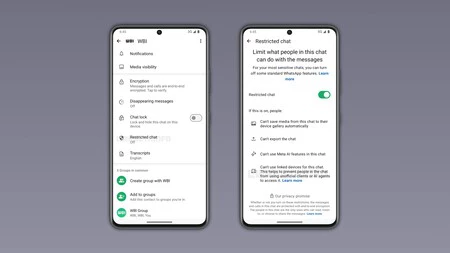
However, users should maintain realistic expectations. Restricting a chat to a single device is not a panacea for all security concerns. It does not prevent the person on the other end of the conversation from taking a screenshot, recording the screen, or copying the text. Furthermore, it does not address the security of the primary device itself; if that device is lost or compromised via malware, the restricted chats are just as vulnerable as any other data.
Future Outlook and User Impact
As WhatsApp continues to iterate on this feature, several questions remain regarding the user experience. It is currently unclear how "Restricted Chat" will interact with cloud-based backups, such as iCloud or Google Drive. Will these restricted chats be excluded from cloud backups to ensure they remain truly localized, or will they be encrypted and stored separately? Additionally, the impact on notification systems remains a point of speculation. If a chat is restricted, will notifications still appear on linked devices, or will they be silenced to prevent metadata leakage?
The introduction of this feature underscores a maturing understanding of privacy in the modern age. Users are no longer satisfied with a "one-size-fits-all" security model. They demand the ability to curate their digital footprint, deciding not only who sees their information but also where that information physically resides.
While the feature remains in internal development, its discovery via WABetaInfo serves as a clear indicator of Meta’s strategic direction. By allowing users to compartmentalize their digital communication, WhatsApp is positioning itself as a platform that recognizes the complexities of modern, multi-device professional and personal lives. For the average user, the takeaway is clear: the era of ubiquitous synchronization is being tempered by a growing demand for control. As this feature moves toward public release, it will likely become an essential tool for those managing highly sensitive communications, further cementing WhatsApp’s role as a platform that balances accessibility with a robust, customizable security framework. Whether or not it will be released as a "Pro" feature or a standard update remains to be seen, but the intent is evident: to ensure that the user, not the architecture, determines the boundaries of their digital conversations.
