
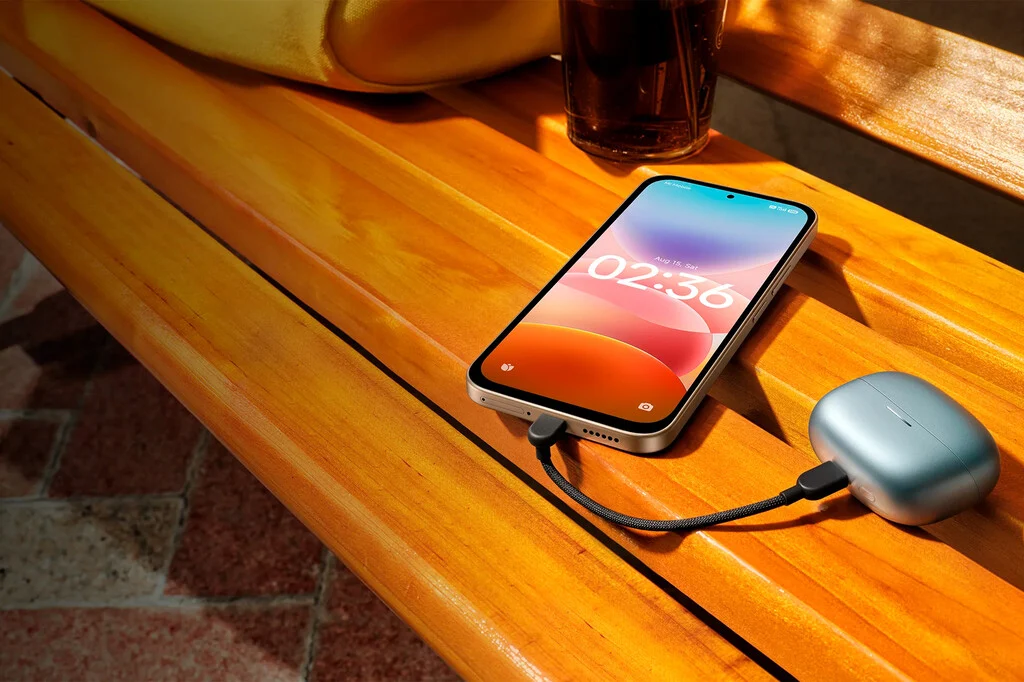

The landscape of the global smartphone market has undergone a significant transformation over the past three years. As flagship devices continue to breach the psychological and financial barrier of 1,000 euros, a distinct segment of consumers has emerged, prioritizing functional utility, battery longevity, and price-to-performance ratios over cutting-edge processing power. Xiaomi’s latest entry, the Redmi 17, serves as a focal point for this shift, offering a compelling proposition for users whose primary interaction with technology involves messaging, media consumption, and daily communication. Currently available on Amazon for 199.90 euros for the 4G model and 247.90 euros for the 5G variant, the device represents a strategic effort by the Chinese manufacturer to capture the budget-conscious demographic while integrating modern software standards.
Contextual Background and Strategic Positioning
The release of the Redmi 17 follows a period of market volatility for the mid-to-entry-level sector. Following the global semiconductor shortages of 2021 and 2022, manufacturers were forced to increase the retail prices of even their most affordable lines. This created a "value gap" where consumers were often forced to choose between obsolete technology or significantly more expensive hardware. Xiaomi, through its Redmi subsidiary, has historically bridged this gap by leveraging massive supply chains and shared components.
The Redmi 17 arrives at a time when the industry is moving toward longer support cycles. With the inclusion of HyperOS 3, which is built upon the foundation of Android 16, Xiaomi is signaling a commitment to longevity. This is a departure from previous entry-level standards where software updates were often non-existent or limited to a single iteration. By aligning the Redmi 17 with its newer, more modular operating system, Xiaomi aims to extend the functional lifespan of the hardware, effectively reducing the total cost of ownership for the end-user.
Technical Specifications and Hardware Analysis
The device is built around a 6.90-inch IPS panel, a size that reflects the current consumer preference for larger, more immersive displays, even in the budget segment. While the resolution remains at HD+, the inclusion of a 120 Hz refresh rate is a notable technical inclusion for a sub-200 euro handset, providing a smoother visual experience than the industry-standard 60 Hz or 90 Hz displays typically found in this price bracket. The brightness output of 675 nits, while sufficient for indoor and overcast conditions, remains a limitation for direct sunlight visibility, a necessary trade-off to maintain the current price point.
Internally, the hardware architecture is split between the 4G and 5G variants. The 4G model utilizes the MediaTek Helio G91, a mature, power-efficient octa-core processor, while the 5G iteration features the Qualcomm Snapdragon 4 Gen 5. Both chips are supported by 4 GB of RAM and, critically, 256 GB of internal storage. In the current market, 256 GB is often reserved for mid-range or premium devices, making the Redmi 17 a standout option for users who store large volumes of photos or local media without relying heavily on cloud services.
The Battery Paradigm: 7,500 mAh as a Differentiator
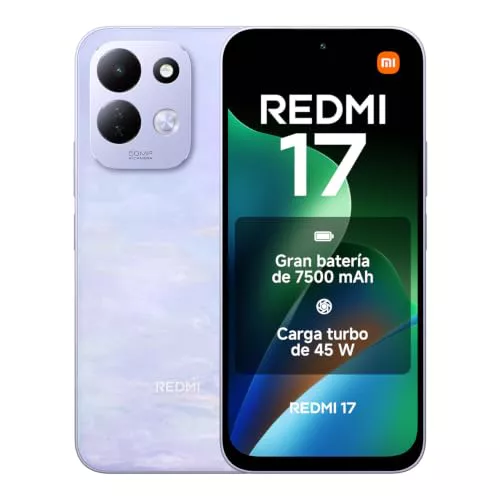
Perhaps the most distinctive feature of the Redmi 17 is its 7,500 mAh battery capacity. Standard modern smartphones typically house batteries between 4,500 mAh and 5,000 mAh. By increasing this density by over 50%, Xiaomi has effectively addressed one of the primary "pain points" for smartphone users: the necessity of daily charging.
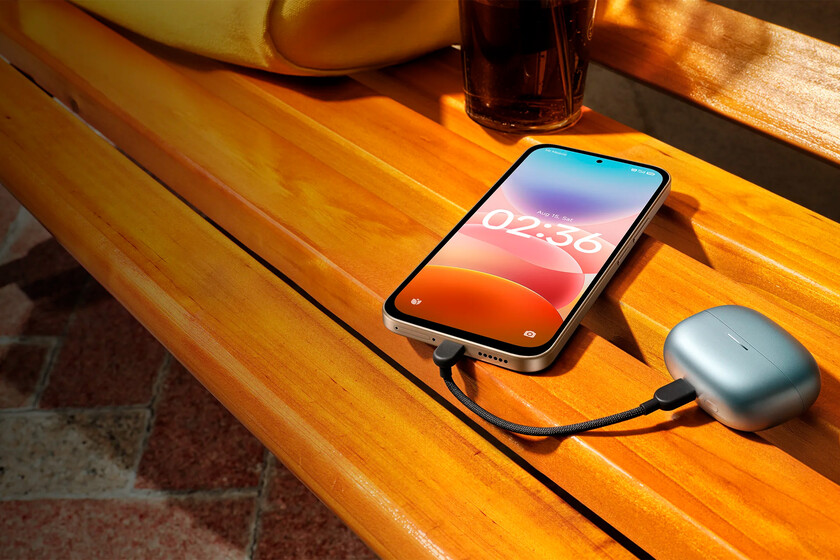
According to preliminary technical reviews, this capacity allows for approximately three days of standard usage, covering voice calls, instant messaging, and web browsing. The inclusion of 45W wired charging is a necessary technical complement to this capacity; without such wattage, the charging time for a 7,500 mAh cell would be prohibitive. Furthermore, the 22.5W reverse charging capability allows the device to function as a power bank for smaller wearables or accessories, a utility feature that is gaining traction among commuters and travelers.
Chronology of the Entry-Level Shift
- Early 2023: Market analysts observe a plateau in smartphone sales growth, driven by the saturation of the premium market and the rising costs of entry-level components.
- Late 2023: Xiaomi announces the official sunset of the MIUI interface, signaling a transition toward the more optimized and lightweight HyperOS.
- Q1 2024: The industry sees a trend toward "battery-first" engineering as consumers prioritize device uptime over marginal gains in raw processing power.
- Current Period: The launch of the Redmi 17 series in Europe via major e-commerce platforms represents the normalization of 256 GB storage and long-life batteries as core expectations for the budget segment.
Broader Market Implications
The pricing strategy adopted for the Redmi 17—dropping from 249/309 euros to 199/247 euros—suggests that the device is being positioned as a volume-driver. In the current macroeconomic climate, where inflation has affected household disposable income, the ability of a manufacturer to offer a "future-proofed" device under 200 euros is a significant competitive advantage.
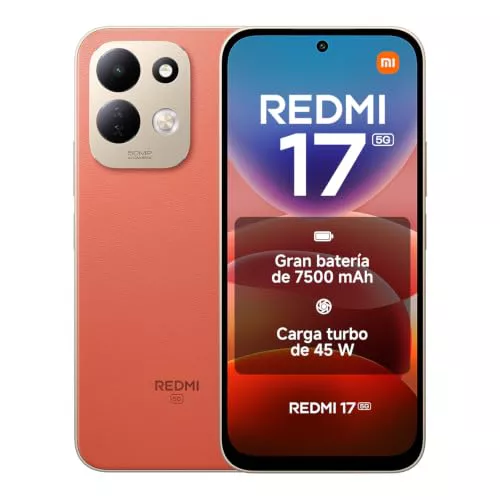
Furthermore, the integration of features like NFC for mobile payments, Bluetooth 5.4, and IP64 dust and water resistance demonstrates that "budget" no longer implies a total lack of modern utility. By including these specifications, Xiaomi is effectively moving the goalposts for its competitors. If other manufacturers fail to match this combination of storage, battery capacity, and current software, they risk losing market share to the Redmi ecosystem.
Official Stance and Consumer Feedback
While Xiaomi has not issued a formal press statement regarding the specific sales volume of the Redmi 17, company spokespeople have previously noted that the "Redmi series remains the backbone of our global user base." Independent consumer reports and early feedback on retail platforms suggest that the primary appeal of the device is the balance between the display size and the battery performance. The inclusion of the FM radio—a feature often discarded in modern smartphones—has also been noted as a significant point of praise among users in emerging markets and rural areas where reliable data connections may not be guaranteed.
Fact-Based Analysis: Who is the Redmi 17 For?
A critical analysis of the device’s performance metrics suggests that it is not designed for the "power user." The 4 GB of RAM, while adequate for daily tasks and multitasking within the HyperOS environment, will encounter limitations if tasked with high-end mobile gaming or complex video editing. Consequently, the ideal user is not the tech enthusiast, but rather the utilitarian consumer: students, retirees, or workers who require a reliable tool for professional or personal communication.
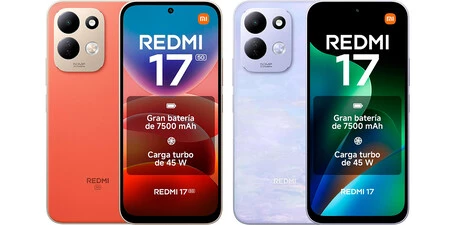
The decision to offer two variants—4G and 5G—is a calculated move to capture different regional markets. While the 4G model is sufficient for many European regions with stable connectivity, the 5G version provides a level of future-proofing for users who intend to keep the device for more than three years, as 5G infrastructure continues to expand globally.
Conclusion and Future Outlook
The Redmi 17 series acts as a mirror to the current state of the smartphone industry. It reflects a reality where hardware saturation has made it difficult to innovate in terms of raw power, leading manufacturers to differentiate through battery technology and software optimization. By providing a 7,500 mAh battery, 256 GB of storage, and support for the latest Android-based OS, Xiaomi has created a benchmark for what a budget device should look like in the mid-2020s.
As the industry continues to evolve, the pressure on other manufacturers to match these specifications will likely increase. For the consumer, this competitive environment is beneficial, forcing higher value into lower price points. The Redmi 17 may not be the fastest device on the market, but its combination of endurance and capacity makes it a highly relevant piece of hardware in an era where the primary function of the smartphone has returned to its roots: connection, accessibility, and utility. Whether this model will set a permanent standard for the sub-200 euro tier remains to be seen, but for now, it represents the most significant push toward utility-driven design in recent memory.
