
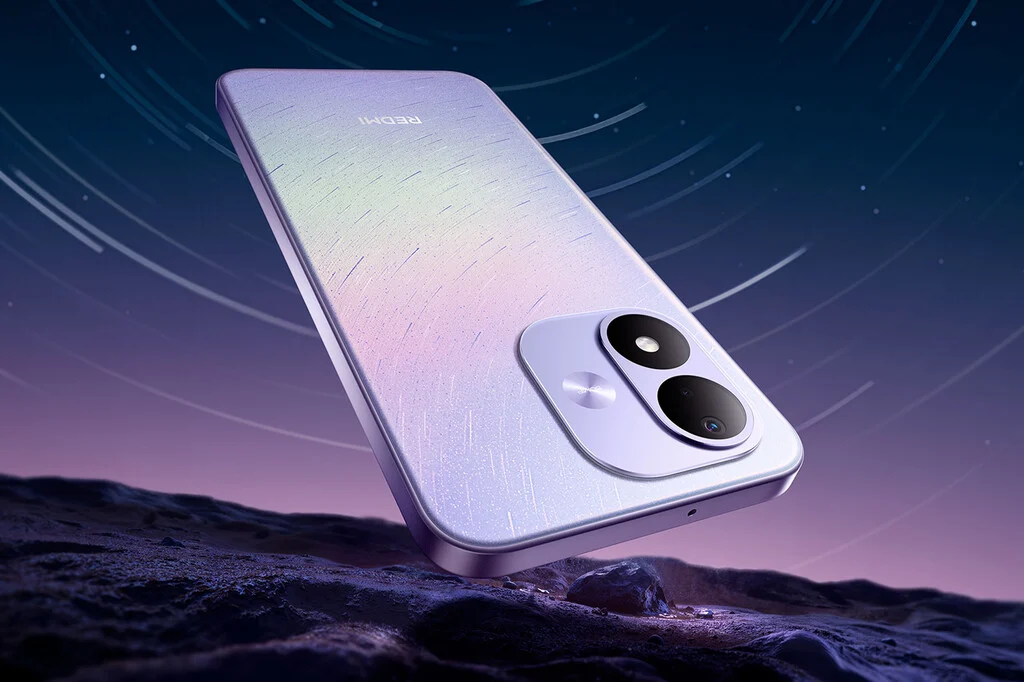

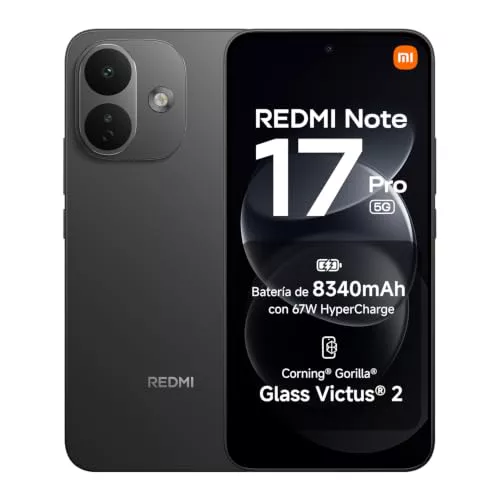
The Xiaomi Redmi Note 17 5G has entered the global smartphone market with a strategic pricing adjustment, currently retailing for 289 euros at major digital retailers like PcComponentes. Originally introduced at an official list price of 379 euros, this significant 90-euro discount arrives barely two weeks after the device’s commercial debut. This rapid depreciation in retail price—or, more accurately, an aggressive promotional push—highlights the intensifying competition within the mid-range smartphone segment, where Xiaomi continues to leverage its volume-based strategy to maintain market share against rivals such as Samsung’s A-series and Motorola’s Moto G line.
Chronology of the Redmi Note Series Evolution
The Redmi Note series has long served as the cornerstone of Xiaomi’s global expansion strategy. Since its inception, the line has been defined by the "value-for-money" proposition, focusing on high-specification components at accessible price points. The transition from the Note 16 to the Note 17 represents a pivotal moment in the series’ history. While previous iterations focused primarily on iterative camera upgrades and processor boosts, the Note 17 series marks a fundamental shift toward power management as its primary differentiator.
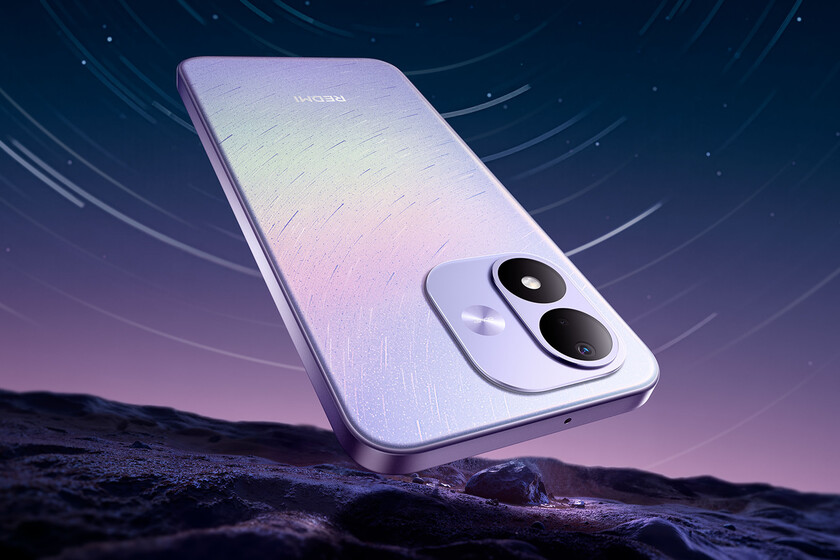
The official launch event for the Redmi Note 17 took place late last month, signaling the company’s commitment to the 5G transition for budget-conscious consumers. Shortly after the release, the supply chain dynamics within major European distributors prompted the current price adjustment. Market analysts observe that such rapid discounting is consistent with Xiaomi’s historical patterns, where the company often front-loads marketing spend to establish immediate user-base adoption before settling into a more stable pricing tier.
Technical Specifications and Performance Analysis
At the heart of the Redmi Note 17 5G lies the Qualcomm Snapdragon 4 Gen 4 chipset. While this processor is highly efficient, it is important to contextualize its performance capabilities. It is designed to handle daily productivity tasks, media consumption, and social media navigation with ease. However, when measured against the competitive landscape, the 6GB RAM configuration provided in the base model suggests that the device is not intended for power users, high-fidelity mobile gaming, or heavy multitasking workflows.
The standout feature of this device is undeniably its battery architecture. By incorporating a 7,700 mAh capacity battery, Xiaomi is directly addressing "battery anxiety," a persistent pain point for modern smartphone users. By industry standards, a 7,700 mAh cell is significantly larger than the 5,000 mAh standard found in most flagship and mid-range devices. This capacity, paired with 45W fast charging and 22.5W reverse charging, offers a utility profile that prioritizes longevity over raw processing speed.
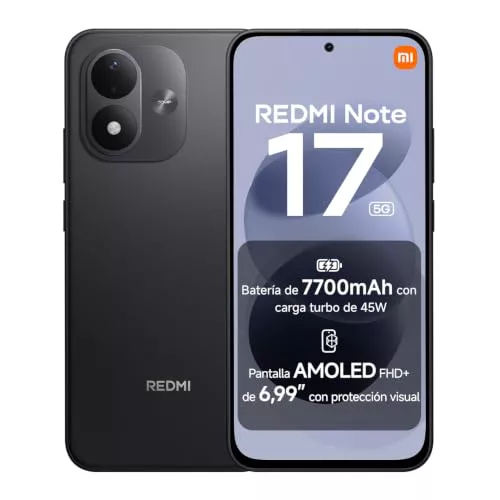
The device features a 6.99-inch AMOLED display with a 120Hz refresh rate. This combination provides a fluid visual experience, which is increasingly becoming the industry baseline even for entry-to-mid-level devices. The inclusion of a 50MP main sensor with an f/1.8 aperture ensures that in well-lit conditions, the photographic output remains competitive.
Strategic Implications of HyperOS Integration
The release of the Note 17 5G is also notable for its inclusion of HyperOS 3, which is built upon the Android 16 framework. This signifies the continued maturation of Xiaomi’s proprietary ecosystem. The shift from the legacy MIUI interface to HyperOS represents a massive overhaul in how Xiaomi manages system resources and cross-device connectivity.
The integration of HyperOS 3 suggests that Xiaomi is attempting to create a "walled garden" effect similar to those seen in more premium ecosystems. By streamlining the operating system, the company aims to reduce the "bloatware" perception that historically hindered the user experience on older Redmi devices. Furthermore, the commitment to providing a consistent software experience on mid-range hardware serves as a strategic maneuver to retain customers who might otherwise transition to competing brands as they seek more stable, long-term software support.
Market Context and Competitive Positioning
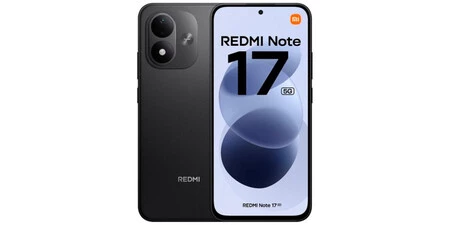
The current price of 289 euros—or even the sub-265 euro marketplace pricing—places the Redmi Note 17 5G in direct contention with devices that offer higher raw performance but significantly inferior battery life. The consumer profile for this device is clearly defined: individuals who prioritize extended screen-on time, media playback, and reliability over top-tier gaming benchmarks.
Industry analysts note that the current market environment is characterized by a "premium fatigue," where consumers are increasingly wary of the 1,000-euro-plus price tags associated with flagship devices. As a result, the mid-range segment has become the primary battleground for manufacturers. Xiaomi’s ability to offer a 256GB storage capacity as a baseline, combined with IP65 water and dust resistance, provides a compelling package that justifies its price point, even before factoring in the recent discounts.
Security and Connectivity Standards
In terms of security, the Note 17 5G employs a dual-authentication approach: an in-display fingerprint sensor and biometric facial recognition. While the in-display sensor is a welcome addition, the speed and reliability of these sensors often vary compared to dedicated physical scanners. The inclusion of NFC for mobile payments remains a critical feature for the European market, where contactless payment penetration is among the highest globally.
Connectivity is handled by a standard dual-band Wi-Fi module and Bluetooth 5.1. While not the latest version of the Bluetooth standard, it remains robust enough for modern wireless peripherals and audio equipment. The IP65 certification provides a layer of durability against accidental spills and environmental dust, though it falls short of the IP68 "submersion-proof" rating seen in premium devices.
Summary of the User Value Proposition
The Redmi Note 17 5G occupies a specific niche. For the user who considers the smartphone an essential tool for communication and content consumption, the device offers significant value. The 256GB of internal storage ensures that the majority of users will not need to manage cloud storage or expand memory for several years.
However, potential buyers must weigh these benefits against the limitations of the hardware. For those who prioritize mobile photography, video editing, or high-performance gaming, the 6GB of RAM will likely present a bottleneck. The device is a "workhorse" rather than a "racer."
Broader Impact on the Smartphone Industry
The aggressive pricing of the Redmi Note 17 5G serves as a signal to the broader industry that the battle for the middle-class consumer is intensifying. As manufacturers face slowing replacement cycles, they are forced to innovate through battery life, display quality, and software optimization. Xiaomi’s strategy of releasing highly specialized hardware—such as a device defined primarily by its massive battery—allows it to segment the market effectively.
As the industry moves toward the next phase of the 5G rollout, the standard of what constitutes a "basic" smartphone is rising. Features that were considered premium two years ago—such as 120Hz AMOLED displays and 256GB of storage—are now the entry fee for the mid-range category. Xiaomi’s ability to drive these costs down through massive supply chain integration continues to exert downward pressure on the entire market, forcing competitors to either lower their margins or offer more value-added services.
Ultimately, the Redmi Note 17 5G is a testament to the maturation of the smartphone market. It is a device built for the average user, optimized for the realities of modern usage patterns: high-bandwidth media consumption and the need for all-day reliability. Whether the current 289-euro price point will hold or decrease further remains to be seen, but for consumers currently in the market for a dependable, long-lasting device, the Note 17 5G stands as a significant contender.
