
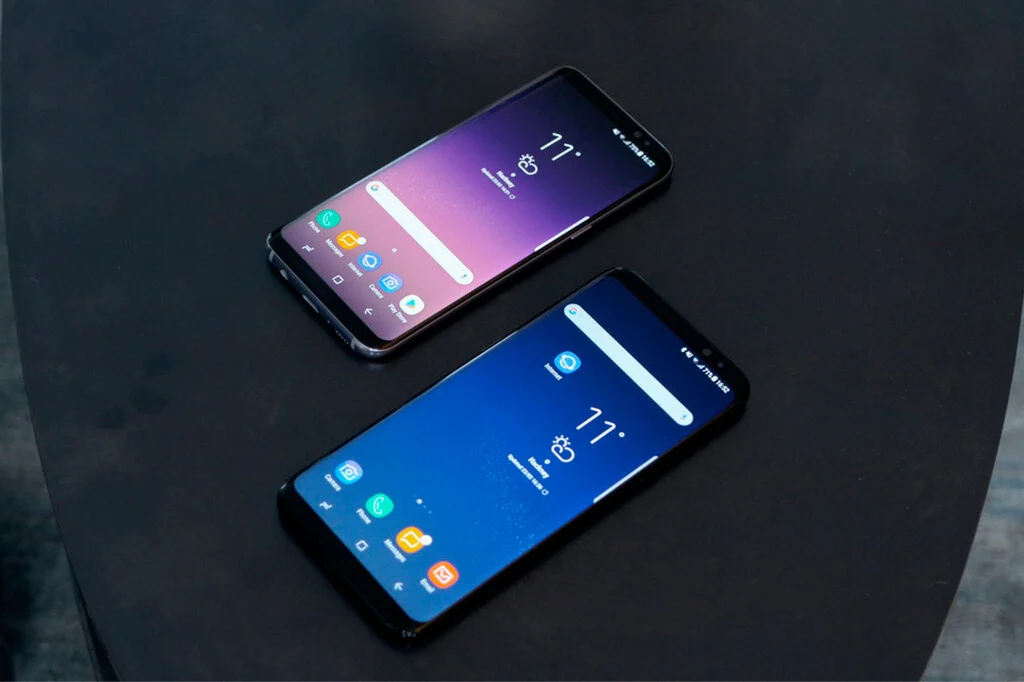

In an unexpected move that has surprised technology enthusiasts and underscored a potential shift in long-term device support, Samsung has commenced rolling out a critical security update for its venerable Galaxy S8, S8+, and Note 8 smartphones, devices originally launched in 2017. This unprecedented development comes at a time when industry discussions are heavily focused on the typical obsolescence cycles of mobile technology, with many manufacturers phasing out support for devices far younger than these seven-year-old flagships. The update, identified by firmware codes DZE1 and DZE2 in its initial rollout in South Korea, is not a standard monthly security patch nor an operating system upgrade, but rather a targeted fix for specific, critical security vulnerabilities. This decision by Samsung stands in stark contrast to recent reports concerning the cessation of updates for much newer models, such as the Galaxy S22 series, highlighting a unique commitment to safeguarding even its most enduring user base.
An Unforeseen Revival: The 2017 Flagships Return to the Update Cycle
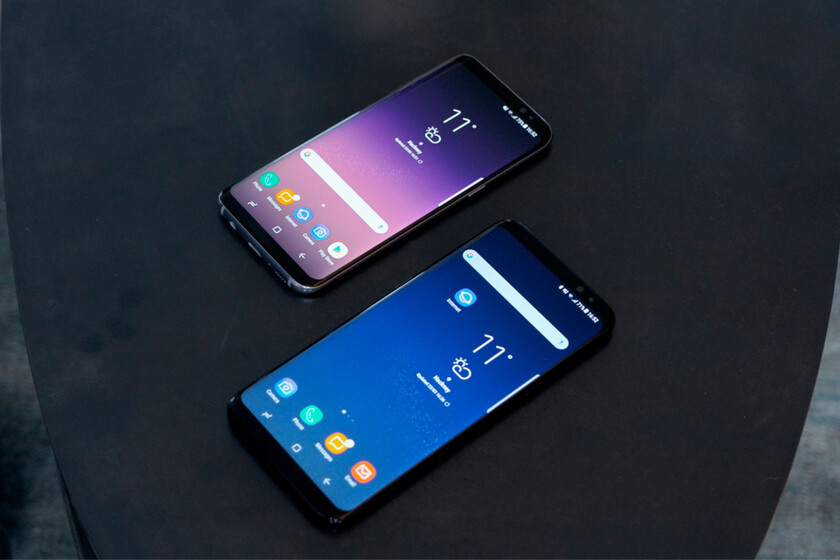
The Galaxy S8 and S8+, unveiled in March 2017, and the Galaxy Note 8, released in August of the same year, represented a pinnacle of smartphone innovation at their launch. They introduced groundbreaking features like the "Infinity Display," a nearly bezel-less design that set new industry standards, and the sophisticated S Pen functionality for the Note series. These devices typically concluded their official security patch support in April and October 2021, respectively, after receiving their last major Android OS update with Android 9 Pie. Following this, an unexpected minor update surfaced in August 2022, primarily addressing GPS stability issues, which was considered an anomaly at the time but still fell within a relatively proximate timeframe to their official end-of-life.
What makes the current update truly remarkable is its timing. Arriving four years after the cessation of regular security patches and nearly five years since their official support lifecycle concluded, this new firmware package is a significant departure from industry norms. It suggests a proactive approach by Samsung to address potential exploits that could impact a small, yet loyal, segment of users who might still be operating these devices. The update specifically targets "critical security flaws" that, if left unaddressed, could pose significant risks, although Samsung has refrained from detailing the exact nature of these vulnerabilities for obvious security reasons.
The Enduring Legacy of the Galaxy S8 and Note 8
To fully appreciate the significance of this update, it is crucial to revisit the context of the Galaxy S8 and Note 8. These devices were not merely incremental upgrades; they were transformative. The Galaxy S8 series, with its stunning 5.8-inch and 6.2-inch Super AMOLED displays, powerful Exynos 8895 or Snapdragon 835 chipsets, and refined design language, captivated consumers globally. It marked Samsung’s confident return to form after the challenging Galaxy Note 7 recall, re-establishing its reputation for innovation and quality. The Note 8, following shortly after, further cemented this, introducing a dual-camera setup to the Galaxy lineup and refining the S Pen experience.
These phones were built with premium materials and cutting-edge technology for their era. Their robust hardware and initial software optimization ensured a smooth user experience for years. Many users, even after upgrading to newer models, often retained their S8 or Note 8 as secondary devices, media players, or simply out of sentimental value. The fact that Samsung is now dedicating resources to patch these older devices speaks volumes about their perceived longevity and the company’s broadened commitment to long-term product integrity.
Evolving Software Support: A Paradigm Shift in the Industry
The mobile industry has long grappled with the challenge of software support longevity. Historically, Android devices typically received two to three major OS updates and three to four years of security patches. Apple, with its integrated hardware and software ecosystem, has consistently offered longer support, often extending to five or even six years for major iOS updates.
In recent years, however, there has been a significant push, often driven by consumer demand and regulatory pressure, for Android manufacturers to extend their update commitments. Samsung has been at the forefront of this change, particularly with its newer flagships and even some mid-range devices. The company now promises up to seven years of major OS updates and security patches for its latest Galaxy S24 series, matching Google’s commitment for its Pixel phones. This policy represents a dramatic improvement from the two-year OS update and four-year security patch policy that governed the S8 and Note 8 generation.
This historical context makes the current update for the 2017 models even more astounding. It is not part of any pre-announced extended support policy; rather, it appears to be an ad-hoc, targeted intervention for critical vulnerabilities. This differentiates it from the structured, long-term support roadmaps for newer devices.
A Detailed Chronology of Galaxy S8/Note 8 Software Support:
- March 2017: Samsung Galaxy S8 and S8+ launched with Android 7.0 Nougat.
- August 2017: Samsung Galaxy Note 8 launched with Android 7.1.1 Nougat.
- Early 2018: Android 8.0 Oreo rolled out to the S8/S8+ and Note 8.
- Early 2019: Android 9 Pie (with One UI 1.0) rolled out, marking the last major OS upgrade for these models.
- April 2021 (S8/S8+): Received their final official monthly security patch.
- October 2021 (Note 8): Received its final official monthly security patch.
- August 2022: An unexpected minor update rolled out, primarily addressing GPS stability issues and some general optimizations, about a year after official support ended.
- June 2024: Current unexpected update begins rolling out, specifically addressing critical security vulnerabilities, nearly four years after official security patch support concluded.
This timeline clearly illustrates the unprecedented nature of the June 2024 update. It goes significantly beyond any previously communicated support window, creating a new precedent for legacy device maintenance.
The Nature of the Current Update: A Critical Security Intervention
Unlike a typical monthly security patch, which addresses a bundle of vulnerabilities and often includes minor bug fixes, this update appears to be a focused intervention. Samsung has stated it resolves "critical security flaws" without providing specific details. This discretion is standard practice in cybersecurity to prevent malicious actors from exploiting the vulnerabilities before users have had a chance to update their devices.
The fact that it’s not a standard patch means it likely targets specific, high-severity issues that could pose a direct threat to user data or device integrity. This could involve vulnerabilities discovered through internal audits, third-party security research, or even reports of active exploits in the wild. Regardless of the trigger, Samsung’s decision to act on devices so far removed from their official support period signals the gravity of the issues being addressed.
Samsung’s Motivation: A Commitment to Security and Brand Reputation
Several factors could be driving Samsung’s decision to issue this update:
- User Security: The primary motivation is almost certainly user safety. If critical vulnerabilities exist that could compromise personal data, financial information, or device control, Samsung has a strong ethical and potentially legal imperative to address them, even on older hardware.
- Brand Reputation: Samsung has invested heavily in building a reputation for reliable, secure, and well-supported devices. Allowing critical flaws to persist on widely used (even if older) devices could tarnish this image. Proactive patching demonstrates a deep commitment to its customer base, regardless of device age.
- Extended Device Lifespan: While not a stated goal for these specific devices, this action aligns with Samsung’s broader strategy of encouraging longer device usage through extended software support. Even if the S8/Note 8 are edge cases, it reinforces the message that Samsung cares about the longevity of its products.
- Regulatory Scrutiny: Governments and regulatory bodies worldwide are increasingly focused on cybersecurity and product longevity. Proactive security measures, even for older devices, could be seen as a positive response to this evolving landscape.
- Cost-Benefit Analysis: The cost of developing and deploying such a targeted patch, while not insignificant, is likely outweighed by the potential reputational damage or liability risks associated with leaving critical vulnerabilities unaddressed on millions of potentially still-active devices.
Implications for Users and the Broader Industry
This unexpected update carries several significant implications:
- For Galaxy S8/Note 8 Owners: It’s a clear signal to dust off these devices. While many may have been relegated to drawers, the update makes them safer to use for basic functions, media consumption, or as secondary devices. It provides peace of mind that critical security holes are being plugged, potentially extending their practical usability.
- For Samsung’s Reputation: This move will undoubtedly enhance Samsung’s standing among consumers and within the industry. It portrays the company as a responsible and customer-centric entity, willing to go the extra mile for its legacy users. This could translate into increased customer loyalty for future purchases.
- For the Android Ecosystem: This could set a precedent, potentially encouraging other Android manufacturers to reconsider their approach to legacy device security. While it’s unlikely to trigger a wave of major OS updates for old phones, it might prompt a review of critical vulnerability patching policies for devices beyond their official support windows.
- For Device Longevity and E-waste: By making older devices safer, Samsung subtly contributes to the broader conversation around electronic waste. If users can safely use their older phones for longer, even for limited purposes, it reduces the pressure to constantly upgrade, aligning with environmental sustainability goals.
- Future Expectations: While this update is a welcome surprise, it’s crucial for users to manage expectations. This is a targeted security fix, not an indication that major OS upgrades or regular security patches will resume. It should be seen as an exceptional measure rather than a new standard for these specific models.
Retrieving the Update: A Call to Action for Legacy Owners
For those who still possess a Samsung Galaxy S8, S8+, or Note 8, now is the opportune moment to retrieve it from storage. The initial rollout has commenced in South Korea with firmware versions DZE1 and DZE2, indicating that a global deployment is imminent and likely to occur within days or weeks.
To check for the update:
- Power on your device.
- Ensure it is connected to a stable Wi-Fi network.
- Navigate to "Settings."
- Scroll down and tap on "Software update" or "System updates."
- Tap "Download and install."
It is highly recommended to perform this update, especially given its focus on critical security vulnerabilities. While the practical utility of a seven-year-old smartphone in today’s demanding digital landscape might be limited, ensuring its security is paramount if it’s still in use or holds any personal data.
In conclusion, Samsung’s decision to issue a critical security update for its 2017 flagships—the Galaxy S8, S8+, and Note 8—is an extraordinary event in the mobile industry. It goes beyond standard support policies and underscores a profound commitment to user security and brand integrity. This move not only benefits the dedicated owners of these classic devices but also sends a powerful message across the tech landscape about the evolving responsibilities of manufacturers in a world increasingly reliant on connected technologies. It’s a testament to the enduring quality of these phones and a surprising, yet welcome, chapter in their long operational lives.
