
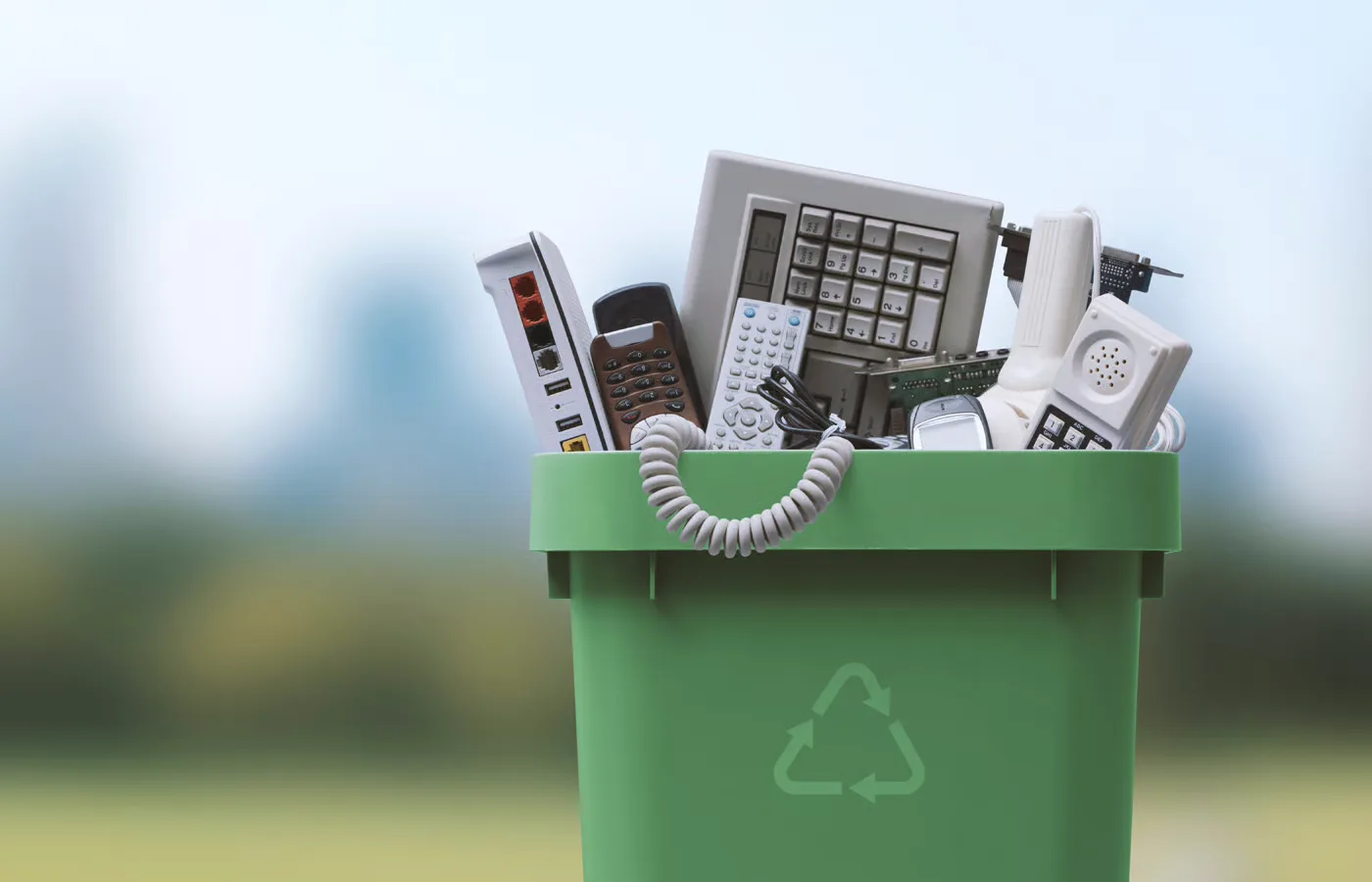

Electronic waste, more commonly known as e-waste, represents discarded electrical or electronic devices. This diverse category encompasses everything from compact personal gadgets like smartphones and MP3 players to larger household appliances such as refrigerators, air conditioners, and televisions. When e-waste is responsibly recycled, the valuable materials contained within can be salvaged and reintegrated into the manufacturing cycle, promoting sustainable resource utilization. Conversely, improper handling of e-waste can release hazardous substances, posing significant risks to both the environment and human health.
Understanding the E-Waste Phenomenon
E-waste is a unique and rapidly expanding waste stream, driven by the relentless pace of technological advancement and the consequent obsolescence of electronic devices. This surge in discarded electronics has positioned e-waste as a primary concern for Green IT initiatives worldwide. The fundamental reason behind this growing global concern is the complex composition of these discarded devices. They are a mixture of valuable resources, including precious metals like gold and copper, alongside hazardous materials such as lead, mercury, and cadmium.
The proliferation of consumer electronics, fueled by increased demand for new and advanced technology, shorter product lifecycles, and a prevalent "throwaway culture" that often overlooks repair and reuse, has led to an accelerated accumulation of e-waste. This makes it one of the fastest-growing waste streams on the planet. A stark indicator of this challenge emerged in 2019, when it was estimated that a staggering 53.6 million metric tons (approximately 59 million U.S. tons) of e-waste were generated globally. Alarmingly, only about 17.4% of this vast amount was officially collected and recycled. This statistic underscores the immense scale of the problem and the urgent need for more effective and sustainable global e-waste management strategies.
Categorizing the Spectrum of E-Waste
E-waste encompasses a broad spectrum of discarded electronic and electrical devices. These can be broadly categorized into several key types:
- Large Household Appliances: This category includes items like refrigerators, washing machines, dishwashers, and ovens. These are typically bulky and contain significant amounts of metal and plastic.
- Small Household Appliances: This group comprises smaller devices such as toasters, blenders, vacuum cleaners, and electric kettles.
- IT and Telecommunications Equipment: This is a rapidly growing segment and includes desktop computers, laptops, monitors, printers, keyboards, mice, mobile phones, and network equipment. The rapid pace of innovation in this sector leads to frequent upgrades and disposals.
- Consumer Electronics: This category covers devices like televisions, DVD players, video cameras, audio equipment, and gaming consoles.
- Electrical and Electronic Tools: This includes items such as drills, saws, and other power tools.
- Toys, Leisure, and Sports Equipment: Modern electronic toys, treadmills, and other recreational devices also contribute to e-waste.
- Medical Devices: While often requiring specialized handling due to potential biohazards, discarded medical equipment like diagnostic imaging devices and patient monitoring systems also fall under the e-waste umbrella.
- Monitoring and Control Instruments: This category includes thermostats, smoke detectors, and other sensors used for environmental monitoring and control.
Environmental and Health Ramifications of E-Waste
The improper disposal and inadequate treatment of e-waste present substantial environmental and health risks. When e-waste is sent to landfills or incinerated without proper controls, the toxic components can leach into the soil and water systems, contaminating ecosystems and potentially entering the food chain.
- Environmental Contamination: Heavy metals like lead, mercury, and cadmium, commonly found in electronics, are persistent pollutants. Lead, for instance, can damage the nervous system, while mercury can harm the brain and kidneys. Cadmium is a known carcinogen. These substances can accumulate in the environment, affecting soil fertility, water quality, and biodiversity.
- Air Pollution: The incineration of e-waste, particularly in informal recycling settings, can release harmful dioxins and furans into the atmosphere, contributing to air pollution and posing respiratory health risks.
- Health Impacts: Exposure to these hazardous substances can lead to a range of health problems in humans. For workers involved in informal e-waste processing, particularly in developing countries where rudimentary methods are often employed, the risks are significantly higher. These can include neurological damage, developmental issues in children, respiratory illnesses, skin diseases, and increased risk of certain cancers. The World Health Organization (WHO) has highlighted that informal e-waste recycling can expose workers and communities to dangerous chemicals, leading to severe health consequences.
Navigating E-Waste Management and Recycling
Effective management and recycling of e-waste are paramount to mitigating its detrimental environmental and health impacts. While established processes for e-waste management and recycling exist, their widespread and efficient implementation faces persistent challenges.
The Recycling Process: A Multi-Stage Endeavor
While recycling processes can vary depending on the specific types of e-waste being processed, they generally involve several key stages to ensure the safe recovery of materials and the proper disposal of hazardous components:
- Collection and Transportation: E-waste is collected from various sources, including households, businesses, and public collection points. This collected material is then transported to specialized recycling facilities.
- Sorting and Dismantling: At the recycling facility, e-waste is sorted based on its type. Trained technicians then manually or mechanically dismantle the devices to separate different components, such as circuit boards, batteries, plastics, and metals. This step is crucial for isolating hazardous materials.
- Shredding and Size Reduction: Larger components and the remaining bulk of the devices are often shredded into smaller pieces to facilitate further processing and material separation.
- Material Separation: Advanced technologies are employed to separate the shredded materials into distinct streams. This can include magnetic separation to recover ferrous metals, eddy current separation for non-ferrous metals like aluminum, and optical sorting to identify and separate different types of plastics.
- Precious Metal Recovery: Circuit boards and other components rich in precious metals are processed using various methods, including smelting and chemical treatments, to extract valuable materials like gold, silver, platinum, and palladium.
- Hazardous Material Management: Components containing hazardous substances, such as mercury switches, leaded glass from older CRT monitors, and batteries, are handled with extreme care. These are often sent to specialized facilities for safe disposal or further treatment to neutralize their hazardous properties.
- Material Refining and Repurposing: The separated and recovered materials, including various metals and plastics, are then sent to smelters or manufacturers to be refined into raw materials for new products.
Persistent Challenges in E-Waste Management
Despite the existence of robust recycling processes, several challenges hinder the effective global management of e-waste:
- Low Collection and Recycling Rates: As evidenced by the 2019 statistics, a significant portion of e-waste is not collected through official channels, leading to improper disposal.
- Informal Recycling Sector: In many parts of the world, particularly in developing nations, informal recycling operations are prevalent. These often lack the necessary safety protocols and environmental controls, leading to severe health and environmental risks.
- Cost of Recycling: The process of safely dismantling and recycling e-waste can be expensive, especially for complex or older devices. This can make it challenging for recycling facilities to operate profitably without subsidies or strong regulatory mandates.
- Lack of Consumer Awareness: Many consumers are unaware of the proper ways to dispose of their old electronics or the environmental impact of doing so. This leads to a higher likelihood of e-waste ending up in general waste streams.
- Global Transboundary Movement: E-waste is often shipped from developed countries to developing nations, ostensibly for reuse or recycling, but frequently ends up being processed under hazardous conditions in the informal sector.
- Complex Product Design: The increasing integration of components and the use of mixed materials in modern electronics can make them difficult to disassemble and recycle efficiently.
Sectors Influencing E-Waste Management
The effective management of e-waste is a complex undertaking influenced by a diverse array of sectors, each playing a distinct role throughout the product lifecycle and its subsequent disposal:
Corporate Responsibility: A Crucial Component
The corporate world holds a pivotal position in the lifecycle of electronic products and, consequently, bears significant responsibility for addressing e-waste management. A variety of initiatives have been proposed and implemented to tackle this issue:
- Extended Producer Responsibility (EPR): This policy framework places the responsibility for managing a product’s end-of-life on the manufacturers. EPR schemes often require producers to finance or manage the collection, recycling, and disposal of their products.
- Product Design for Sustainability: Manufacturers are increasingly being urged to adopt "Design for Environment" (DfE) principles, focusing on using fewer hazardous materials, designing for easier disassembly, and enhancing repairability and recyclability.
- Take-Back Programs: Many electronics manufacturers and retailers offer take-back programs, allowing consumers to return old devices for recycling or refurbishment.
- Investing in Recycling Infrastructure: Corporations can invest in advanced recycling technologies and support the development of certified e-waste recycling facilities.
- Transparency and Reporting: Companies are encouraged to be transparent about their e-waste generation and management practices, reporting on their recycling rates and sustainability efforts.
The Indispensable Role of Consumers
The effective management of e-waste is not solely the domain of governments and corporations; it is also critically dependent on the actions and choices of consumers.
- Responsible Disposal: Consumers must prioritize disposing of their old electronics through designated e-waste collection points or certified recyclers, rather than discarding them with general household waste.
- Repair and Reuse: Before opting for replacement, consumers should consider repairing their devices or exploring options for selling or donating functional electronics. This extends product lifecycles and reduces waste generation.
- Informed Purchasing Decisions: Consumers can influence the market by choosing products from companies with strong sustainability commitments and by opting for devices designed for longevity and repairability.
- Data Security Awareness: Consumers should ensure that personal data is securely wiped from devices before disposal, often facilitated by certified e-waste recyclers.
- Advocacy and Awareness: Consumers can play a role in raising awareness about e-waste issues within their communities and advocating for better e-waste management policies.
Policies and Legislation Governing E-Waste
The management of e-waste is increasingly governed by a range of policies and legislation at state, national, and international levels. These regulations are critical in shaping how e-waste is collected, processed, and recycled, thereby ensuring environmental protection and public health safety.
International Frameworks and Agreements
International frameworks and agreements play a pivotal role in establishing standardized guidelines and practices across nations. These agreements are crucial for ensuring responsible handling, transfer, and disposal of e-waste, especially given its transboundary nature.
- The Basel Convention: This is a key international treaty that controls the transboundary movement of hazardous wastes and their disposal. It aims to prevent the dumping of hazardous wastes from developed to developing countries, including e-waste.
- The Stockholm Convention on Persistent Organic Pollutants (POPs): While not exclusively focused on e-waste, this convention targets the elimination or restriction of the production and use of POPs, many of which are found in electronic equipment and can be released during improper disposal.
- The UN’s Sustainable Development Goals (SDGs): Several SDGs, particularly SDG 12 (Responsible Consumption and Production), directly address the need for sustainable management of chemicals and wastes, including e-waste.
Regional and National Legislation
The battle against e-waste requires not only international cooperation but also robust regional and national legislative frameworks.
- The European Union’s Waste Electrical and Electronic Equipment (WEEE) Directive: This directive sets collection and recycling targets for e-waste across EU member states. It mandates producer responsibility and aims to increase the collection and environmentally sound treatment of WEEE.
- The United States’ State-Level Initiatives: While there is no comprehensive federal e-waste law in the U.S., many states have implemented their own legislation. These vary widely, with some focusing on EPR schemes for specific product categories (e.g., electronics in California, Maine, and Washington) and others establishing collection programs.
- China’s Circular Economy Promotion Law: This legislation encourages the recycling and reuse of materials, including e-waste, and establishes requirements for the recycling of end-of-life products.
- India’s E-Waste (Management and Handling) Rules: These rules mandate that producers, consumers, and bulk consumers of electronic equipment fulfill specific responsibilities regarding e-waste collection and disposal, promoting responsible recycling.
Pioneering Innovations in E-Waste Handling
As the global volume of electronic waste continues its upward trajectory, the future of e-waste handling hinges on innovative solutions and forward-thinking strategies. Emerging trends and technological advancements are actively shaping this future:
Advanced Recycling Technologies
The quest for more efficient and environmentally sound recycling methods is driving significant innovation.
- AI-Driven Sorting and Robotics: Artificial intelligence is being integrated into sorting systems to identify and separate different materials with unprecedented accuracy. Robotic arms can also be employed for the precise dismantling of complex electronic components, reducing the need for manual labor and increasing efficiency and safety.
- Advanced Spectrometry and Sensor Technology: These technologies enable precise identification and quantification of materials, facilitating more targeted and effective recovery of valuable and hazardous substances.
- Bioleaching and Bioremediation: Innovations in chemical and biological processing, such as bioleaching, are offering environmentally friendly alternatives to traditional methods for extracting precious metals from e-waste. These methods utilize microorganisms to selectively dissolve metals, minimizing the use of harsh chemicals.
- Supercritical Fluid Extraction: This technique uses fluids under high pressure and temperature to extract specific materials from complex matrices, offering a cleaner method for recovering certain valuable compounds from e-waste.
Design for Environment (DfE)
A fundamental shift is occurring in how electronic products are conceived and manufactured, with a growing emphasis on their end-of-life.
- Modular Design and Repairability: Concepts like modular smartphones and upgradeable computers, where individual components can be easily replaced or upgraded, are gaining traction. This significantly reduces the need to discard entire devices and minimizes e-waste generation.
- Use of Sustainable Materials: Manufacturers are increasingly exploring the use of recycled materials and biodegradable plastics in product construction. Efforts are also underway to reduce or eliminate the use of hazardous substances in electronic components.
- Standardization of Connectors and Components: Greater standardization can simplify repair and refurbishment processes, making it easier to source replacement parts and extend product lifespans.
Embracing Circular Economy Models
The electronics industry is increasingly moving towards circular economy models, aiming to keep products and materials in use for as long as possible.
- Product-as-a-Service (PaaS): Models where consumers pay for the service or functionality of a product rather than outright ownership are encouraging manufacturers to create more durable, repairable, and recyclable electronics. This shifts the incentive towards longevity and efficient resource management.
- Refurbishment and Remanufacturing: Companies are investing in robust refurbishment and remanufacturing processes to give pre-owned electronics a second life, reducing the demand for new production and diverting waste from landfills.
- Material Passports and Digital Tracking: The development of "material passports" or digital tracking systems for electronic components can provide detailed information about the materials used in a product, facilitating easier and more efficient recycling at the end of its life.
The Bottom Line: A Cleaner Future Starts with the Right E-Waste Management
Effective e-waste management is not a responsibility that can be shouldered by a single entity; it is a collective endeavor that demands the concerted efforts of governments, industries, and consumers alike. The integration of innovative recycling technologies, the adoption of sustainable product designs, and the implementation of robust policies are fundamental steps toward mitigating the environmental and health impacts of e-waste.
As we look ahead, it is clear that the path to a cleaner future also hinges on our ability to adapt and evolve in our e-waste handling methods. Embracing new technologies, participating in responsible recycling practices, and staying informed about the environmental impact of our electronic consumption are vital actions for all stakeholders. Businesses, in particular, have a powerful role to play through their manufacturing choices and recycling habits, influencing the entire ecosystem of electronic product lifecycles.
In addition to prioritizing e-waste recycling, organizations can significantly reduce their environmental footprint and concurrently decrease overhead costs by improving data center and server room power consumption efficiency. Optimizing energy usage in these critical IT infrastructure areas not only conserves resources but also contributes to a more sustainable and cost-effective operational model.
