

The consumer electronics industry is currently anticipating a significant shift in mobile hardware design as rumors intensify regarding Apple’s intention to remove physical SIM card slots from the upcoming iPhone 15 lineup. This transition toward an eSIM-only (embedded SIM) architecture represents one of the most substantial changes to the iPhone’s external interface since the removal of the headphone jack in 2016. While the United States market saw a preview of this strategy with the iPhone 14 series, reports suggest that the iPhone 15 Pro and Pro Max models may expand this design to international markets, signaling the beginning of the end for the physical nano-SIM card. This move, documented by supply chain analysts and industry experts, necessitates a deep dive into the technical, security, and logistical implications for the global telecommunications landscape.
The Evolution of the Subscriber Identity Module
To understand the magnitude of the rumored iPhone 15 transition, one must first examine the technology at the heart of the debate. An eSIM, or eUICC (embedded Universal Integrated Circuit Card), is a programmable SIM card that is soldered directly onto the device’s motherboard during the manufacturing process. Unlike the traditional plastic SIM cards that have shrunk from the original credit-card size to Mini, Micro, and finally Nano-SIMs, the eSIM requires no physical tray or user handling.
The GSMA (Global System for Mobile Communications Association) first introduced eSIM standards to provide a more flexible way for users to manage their cellular subscriptions. Because the chip is rewritable, users can download "profiles" from different carriers over-the-air (OTA). This eliminates the need for the physical distribution of plastic cards and allows for a more streamlined activation process. Apple’s integration of this technology began in 2018 with the iPhone XS and XR, which offered a hybrid approach: one physical slot and one eSIM. The rumored iPhone 15 Pro design would complete this evolution by making the digital interface the sole method of connectivity.
Chronology of Apple’s eSIM Strategy
Apple’s move toward a SIM-less future has been calculated and incremental. By analyzing the timeline of their cellular hardware, a clear pattern of "technological weaning" emerges:
- 2018 (iPhone XS/XR): Apple introduces Dual SIM capabilities via one physical nano-SIM and one eSIM. This allowed users to have two phone numbers on one device for the first time in iPhone history.
- 2021 (iPhone 13): Apple enables "Dual eSIM" support, allowing users to activate two cellular plans digitally simultaneously, even if a physical SIM was present.
- 2022 (iPhone 14): In a bold move, Apple removes the physical SIM tray from all iPhone 14 models sold in the United States. International models, however, retained the slot.
- 2023 (iPhone 15 Rumors): Prominent analysts, including Ming-Chi Kuo and Jeff Pu, suggest that Apple will expand the eSIM-only design to several European and Asian markets, specifically targeting the iPhone 15 Pro and Pro Max models.
- 2024-2025 (Forecast): Industry experts predict that by the middle of the decade, Apple will likely phase out physical SIM slots globally across all new hardware releases, including the standard iPhone and iPad lines.
Technical Advantages: Engineering and Design Efficiency
The primary driver behind the removal of the SIM tray is the optimization of internal device architecture. In the world of smartphone engineering, every cubic millimeter of space is high-value real estate. By removing the SIM card tray and its associated internal reading mechanism, Apple engineers can reclaim a significant amount of space.
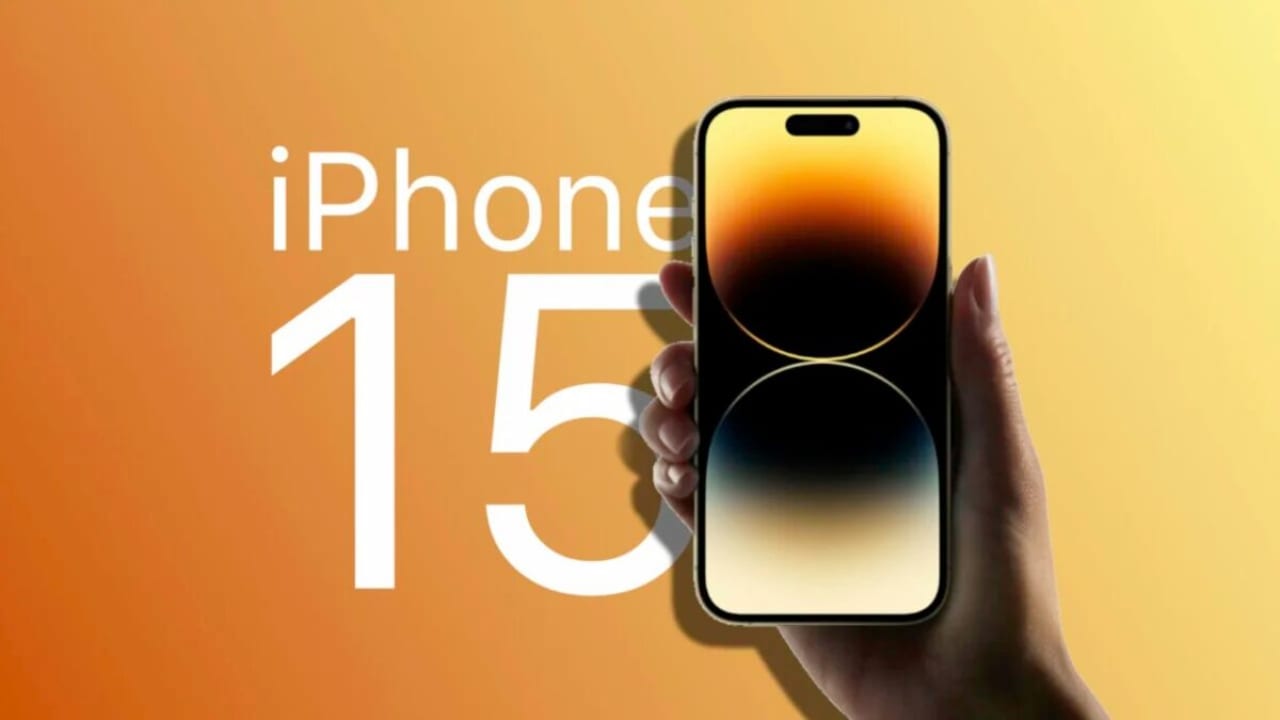
This reclaimed volume can be redirected toward several critical enhancements. First, it allows for larger battery capacities, which remains a top priority for consumers. Second, the space can house more advanced haptic engines, improved camera sensors, or additional cooling components necessary for high-performance processors. Furthermore, the removal of the SIM tray eliminates one of the largest "holes" in the iPhone’s chassis. Every opening in a device’s frame is a potential point of entry for liquid and dust. An eSIM-only design significantly enhances the device’s structural integrity and simplifies the manufacturing process required to achieve high IP68 water-resistance ratings.
Security Implications and the Mitigation of Fraud
From a security perspective, the transition to eSIM offers a robust defense against certain types of cybercrime and physical theft. Physical SIM cards are susceptible to "SIM swapping" attacks, where a bad actor gains physical access to a user’s SIM card or convinces a carrier to port the number to a new physical card. Because an eSIM is embedded in the hardware and protected by the device’s secure element, it is significantly harder for a thief to "pop out" the SIM to use the victim’s number for two-factor authentication (2FA) bypasses.
In the event of a device theft, a physical SIM can be discarded immediately, rendering the phone disconnected from the network and harder to track via services like "Find My." An eSIM, however, cannot be removed. As long as the device has power, it remains connected to the network, allowing the owner to track the location and the carrier to lock the device more effectively. This digital-only approach creates a tighter bond between the hardware and the user’s identity, enhancing the overall security posture of the ecosystem.
Challenges for the Global Carrier Landscape
Despite the technical benefits, the shift to eSIM-only hardware presents logistical hurdles, particularly in regions where telecommunications infrastructure is less modernized. While major carriers in the United States, United Kingdom, and Western Europe have embraced eSIM technology, many smaller regional providers and carriers in developing markets have been slower to adopt the necessary software stacks for OTA activation.
Data from the GSMA indicates that as of 2023, over 260 carriers in 88 countries support eSIM for smartphones. While this is a significant increase from previous years, it represents only a fraction of the world’s total mobile network operators. For users in countries where eSIM support is not yet mandatory or standard, an eSIM-only iPhone 15 could become a "brick" or require a change to a more expensive, major carrier that supports the technology. This creates a potential barrier to entry for consumers who rely on budget-friendly, local providers that still utilize physical cards.
Impact on International Travel and Roaming
One of the most debated aspects of the eSIM transition is its impact on international travelers. Historically, savvy travelers would land in a new country and purchase a local physical SIM card at the airport to avoid exorbitant roaming fees from their home provider. This "swap-and-go" method is inexpensive and provides immediate local data.
An eSIM-only iPhone 15 complicates this traditional workflow. While digital eSIM marketplaces like Airalo, Holafly, and Nomad have emerged to provide travel data plans, they often come at a premium compared to local physical SIM cards. Furthermore, some countries require physical identification and in-person registration to activate a local number, a process that is not always optimized for digital-only interfaces. However, proponents of the technology argue that eSIMs actually make travel easier by allowing users to store multiple international profiles on one device and switch between them via the Settings app without fumbling with small plastic cards and SIM ejector tools.
Market Reactions and Consumer Sentiment
The reaction to the US-only iPhone 14 eSIM transition was a mixture of praise for the convenience and criticism of the lack of choice. Early adopters noted that transferring an eSIM from an old iPhone to a new one was seamless using Apple’s "Quick Start" feature, which utilizes Bluetooth and iCloud to migrate cellular credentials. However, power users who frequently switch between multiple phones expressed frustration at the inability to move their service as quickly as they could by simply moving a physical card.
Industry analysts suggest that Apple’s strategy is to force the hand of the telecommunications industry. By releasing a high-demand product like the iPhone 15 Pro as an eSIM-only device, Apple effectively compels carriers to upgrade their infrastructure to support the technology or risk losing customers to competitors who do. This "market-moving" capability is a hallmark of Apple’s business model, previously seen with the adoption of USB-C on MacBooks and the industry-wide shift away from the 3.5mm audio jack.
Environmental Considerations and Sustainability
The environmental impact of the SIM card industry is often overlooked. Billions of plastic SIM cards are produced annually, each requiring plastic housing, metal contacts, and extensive packaging for shipping. By moving to a digital-only standard, Apple and the broader tech industry can significantly reduce plastic waste and the carbon footprint associated with the logistics of physical SIM distribution. This aligns with Apple’s stated goal of becoming carbon neutral across its entire business, including manufacturing and product life cycles, by 2030.
Conclusion: The Inevitable Digital Shift
While the rumored removal of the SIM slot on the iPhone 15 Pro and Pro Max may cause initial friction, it is increasingly viewed as an inevitable step in the maturation of mobile technology. The benefits of improved design, enhanced security, and environmental sustainability provide a compelling case for the transition. However, the success of this shift will depend heavily on the global telecommunications industry’s ability to standardize and simplify the eSIM activation process.
As the Fall launch window approaches, all eyes will be on Apple to see if they move forward with this polarizing design choice. If the iPhone 15 Pro does indeed ditch the SIM tray, it will mark a definitive turning point in the history of the smartphone, moving the industry one step closer to a fully portless, seamless digital experience. Consumers should prepare for a learning curve, but the long-term trajectory points toward a world where the physical SIM card is a relic of the past, much like the floppy disk and the physical keyboard before it.
