

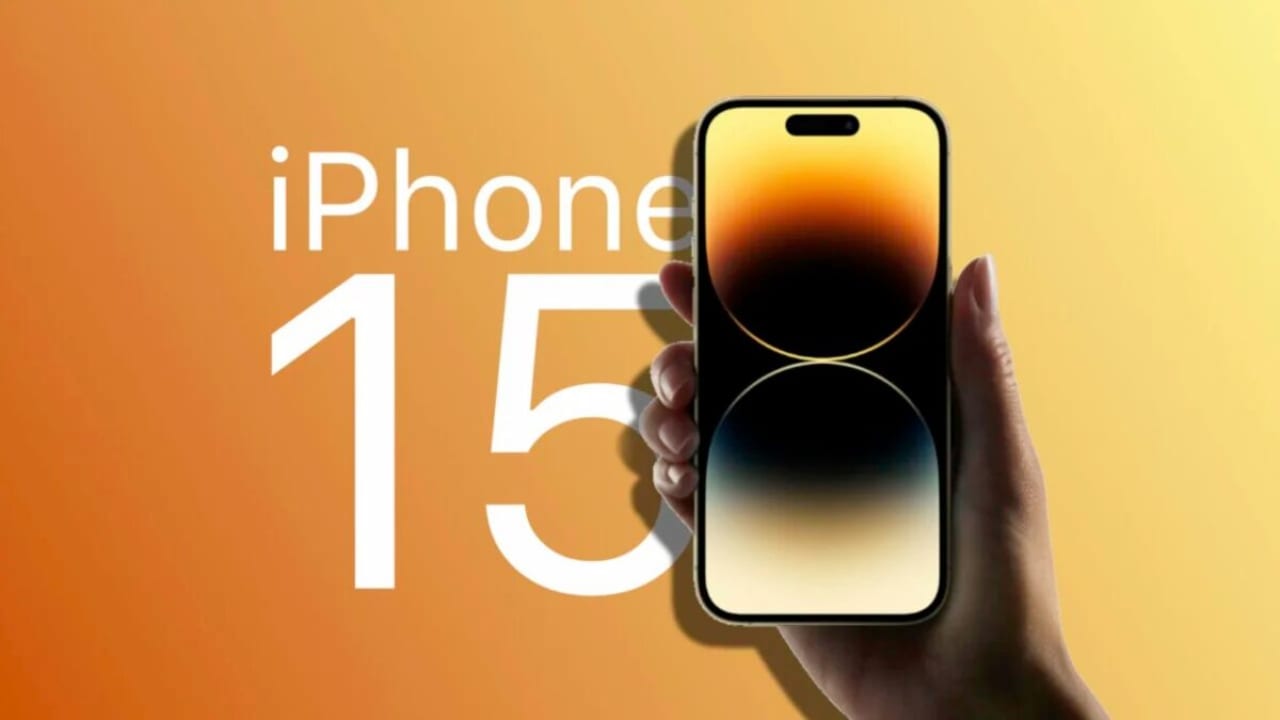
The global telecommunications landscape is currently bracing for a significant shift as Apple prepares to unveil its latest flagship, the iPhone 15 series. Following the precedent set by the United States version of the iPhone 14, industry analysts and supply chain reports suggest that Apple is poised to expand its "eSIM-only" architecture to more regions, potentially removing the physical SIM card tray entirely from certain models in the iPhone 15 lineup. This transition represents more than a mere hardware adjustment; it is a fundamental reconfiguration of how consumers interact with cellular networks, offering a blend of enhanced security, streamlined engineering, and a new set of challenges for international travelers and regional carriers.
The Evolution of the SIM: From Plastic to Programmable
To understand the magnitude of the iPhone 15’s rumored design, one must look at the thirty-year trajectory of the Subscriber Identity Module (SIM). Introduced in 1991, the original SIM card was the size of a credit card. Over three decades, the industry saw a consistent shrinking of this component—from the Mini-SIM to the Micro-SIM, and finally to the Nano-SIM, which has been the standard since the iPhone 5 in 2012.
The introduction of the eSIM (embedded SIM) marked the first time the "card" was no longer a removable piece of plastic but a programmable chip soldered directly onto the device’s motherboard. Apple first integrated this technology into the Apple Watch Series 3 and later into the iPhone XS, where it functioned as a secondary option for dual-SIM capabilities. The transition reached a critical milestone in 2022 when Apple removed the SIM tray from all iPhone 14 models sold in the U.S. market. The iPhone 15 is expected to take this "wireless-first" philosophy global, with reports indicating that European markets, specifically France and the United Kingdom, may be the next to see the physical tray vanish.
Rumored Implementation: The iPhone 15 and 15 Pro Split
Prominent market analysts, including Ming-Chi Kuo of TF International Securities, suggest that Apple will utilize a tiered approach for the iPhone 15 rollout. According to supply chain data, the iPhone 15 Pro and iPhone 15 Pro Max (potentially rebranded as the "Ultra") are the primary candidates for the eSIM-only transition in international markets.
The logic behind this phased approach is twofold. First, Pro users are generally perceived as early adopters who are more likely to be on major carrier networks that already support robust eSIM infrastructure. Second, the internal space savings afforded by removing the SIM tray are most critical in the Pro models, which are rumored to house more complex camera systems, including a new periscope zoom lens, and larger battery cells. While the standard iPhone 15 and iPhone 15 Plus may retain the physical slot in certain territories for one more cycle, the industry consensus is that the physical SIM tray will be entirely obsolete within Apple’s ecosystem by 2025.
Engineering Advantages: Why Apple is Abandoning the Tray
The removal of the SIM card slot is not merely an aesthetic choice; it is a strategic engineering decision that yields several tangible benefits for the device’s longevity and performance.
Internal Real Estate Optimization
In the world of smartphone manufacturing, every cubic millimeter of internal space is high-value real estate. A physical SIM tray requires a mechanical ejector, a plastic tray, and a dedicated reader on the logic board. By eliminating these components, Apple engineers can reclaim space to increase battery capacity or integrate new haptic engines and sensors. This is particularly relevant as 5G components and advanced thermal management systems continue to demand more room.
Enhanced Structural Integrity and Water Resistance
The SIM tray opening is one of the most vulnerable points of entry for liquid and dust. Every hole in a smartphone’s chassis represents a potential failure point for its IP68 ingress protection rating. By moving to a completely sealed "eSIM-only" design, Apple can theoretically achieve higher levels of water resistance, making the iPhone 15 more durable in extreme environments.
The Security Imperative
Digital security experts have long advocated for the move to eSIM. Physical SIM cards are susceptible to "SIM swapping" attacks, where a malicious actor steals a physical card or social-engineers a carrier into porting a number to a new card. Furthermore, if an iPhone is stolen, a thief can easily remove the physical SIM to prevent the owner from tracking the device via "Find My" services. An eSIM cannot be removed, meaning a stolen iPhone 15 would remain connected to the network, making it significantly easier for the rightful owner to locate it or for authorities to track the hardware.
Market Readiness and Consumer Impact
Despite the technical advantages, the transition to eSIM-only hardware is not without its detractors. The move places a significant burden on cellular carriers and consumers who frequently travel.
The Carrier Adoption Gap
While major global carriers like Verizon, T-Mobile, Vodafone, and Orange have embraced eSIM, thousands of smaller, regional carriers and Mobile Virtual Network Operators (MVNOs) are still catching up. In emerging markets across Southeast Asia, Africa, and parts of South America, physical SIM cards remain the primary method of distribution. If Apple releases an eSIM-only iPhone 15 in these regions, it could inadvertently alienate a large portion of its user base or force a rapid, and perhaps costly, infrastructure upgrade for local telecommunications companies.
The International Traveler’s Dilemma
One of the most vocal criticisms of the eSIM-only design comes from frequent international travelers. Historically, the easiest way to avoid exorbitant roaming charges was to land in a new country and purchase a local "pay-as-you-go" Nano-SIM for a few dollars. While digital eSIM marketplaces like Airalo and Holafly have emerged to fill this gap, they often lack the competitive pricing of local physical SIMs. Furthermore, some countries require physical identification and in-person registration to activate a mobile line, a process that is currently more streamlined for physical cards than for digital profiles.
Industry Reactions and Analyst Analysis
The reaction from the tech industry has been a mixture of admiration for Apple’s "courageous" design choices and concern for the practicalities of the transition. Market research firm IDC notes that Apple often acts as a catalyst for industry-wide changes. Just as the removal of the headphone jack in 2016 led to the explosion of the wireless earbud market, the removal of the SIM tray is expected to force the global telecommunications industry to modernize its digital onboarding processes.
Industry analysts suggest that this move is also part of Apple’s broader strategy to control the "user experience" from end to end. By moving the activation process into the iOS interface rather than requiring a trip to a carrier store, Apple strengthens its relationship with the customer. However, consumer advocacy groups have raised concerns about "carrier lock-in," fearing that without a physical card to swap, users might find it psychologically or technically more difficult to switch providers.
Chronology of Apple’s SIM Evolution
- 2007: Original iPhone launches with a standard SIM tray.
- 2010: iPhone 4 introduces the Micro-SIM.
- 2012: iPhone 5 debuts the Nano-SIM.
- 2018: iPhone XS/XR introduces the first eSIM for dual-SIM support.
- 2021: iPhone 13 allows for Dual eSIM support (two eSIMs active simultaneously).
- 2022: iPhone 14 (U.S. models) removes the physical SIM tray entirely.
- 2023 (Anticipated): iPhone 15 Pro models expand the eSIM-only design to major international markets.
Conclusion: The Inevitability of a Portless Future
The rumored iPhone 15 eSIM-only design is a clear signal that the era of physical media in mobile telephony is drawing to a close. While the transition may cause short-term friction—particularly for those in regions with lagging carrier support or for travelers accustomed to the simplicity of a plastic card—the long-term benefits of security, durability, and design efficiency are difficult to ignore.
As the industry moves toward the launch of the iPhone 15, the focus will shift from if the SIM tray will disappear to how quickly the rest of the world can adapt. For Apple, the goal remains clear: to create a seamless, hermetically sealed device that exists entirely in a wireless ecosystem. The physical SIM card, once a revolutionary piece of technology that enabled mobile roaming, is now viewed as a legacy component standing in the way of the next generation of smartphone innovation. When the iPhone 15 debuts, it will likely be remembered as the catalyst that finally turned the page on thirty years of plastic SIM cards.
